
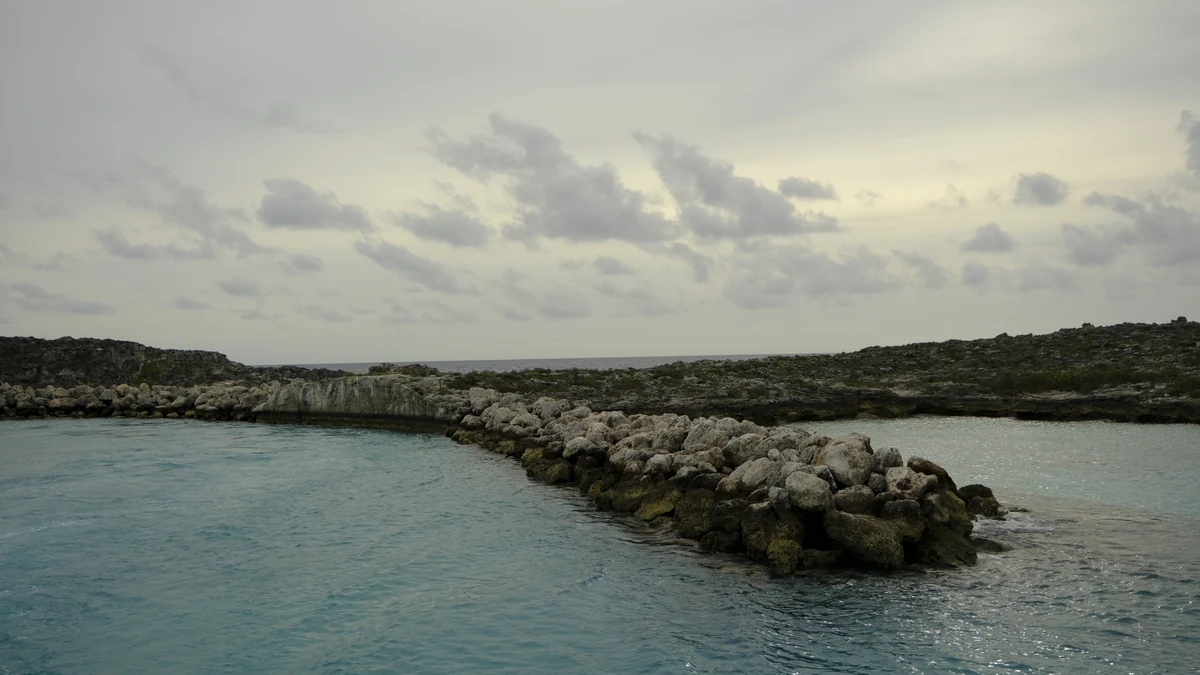
Half Moon Cay cruise port, now also marketed as RelaxAway, Half Moon Cay, is a beach destination on Little San Salvador Island rather than a conventional Bahamian town. The call works best when passengers decide whether they want a simple included beach day or one paid activity, then protect time for the return route.
Arrival arrangements changed in 2026. Carnival Corporation reported that the new pier was complete and could take two ships while tender operations continued. That means a saved guide saying “everyone tenders” is no longer reliable. Use the ship’s daily notice to confirm whether your sailing docks at the north side or uses tenders to the established south side; the corporate update is background, not a substitute for sailing instructions.
The destination is being developed in phases. The official enhancement announcement describes distinct north- and south-side welcome areas, expanded food and drink venues, trams and new beach facilities. Some features can therefore differ by ship, arrival side and visit date.
Half Moon Cay Cruise Port at a Glance
| Port name | Half Moon Cay Cruise Port |
|---|---|
| Main arrival area | New north-side pier or the established south-side tender landing, depending on ship and sailing |
| Cruise region | Caribbean & Bahamas |
| Country / Territory | Bahamas |
| Currency | Bahamian dollar (BSD) |
| Languages | English |
| Port role | Private-destination day-call port |
| Disembarkation | Dock at the new north-side pier or tender to the south side, depending on ship and sailing |
| Walkability | High within a chosen beach zone; longer between arrival areas and facilities |
| Shuttle required | Destination trams connect developed areas; no public-island transport |
| Main transport | Pier or tender, walking, destination trams and ship excursions |
| Best first-time plan | Beach, swimming and the included lunch, with no more than one paid add-on |
| Main caution | Do not assume an older south-side map or tender routine still applies |
Weather & Best Time to Visit Half Moon Cay
January to March
Typical high: 27–29°C
Typical low: 20–24°C
Rain / conditions: Warm and usually drier; trade winds can make the new pier and exposed beach feel breezy.
April to June
Typical high: 29–31°C
Typical low: 23–26°C
Rain / conditions: Hot, humid and bright, with short showers and a high heat load on the pier.
July to September
Typical high: 30–32°C
Typical low: 25–27°C
Rain / conditions: Hurricane-season heat; storms can affect tenders, trams and water activities.
October to December
Typical high: 28–31°C
Typical low: 22–26°C
Rain / conditions: Showers are more frequent early in the period, with stronger breezes towards winter.
Weather guide: CruisePing seasonal summary for Little San Salvador Island. Check the latest coordinate forecast close to the call.
How the New Pier Changes the Day
A pier removes one major uncertainty for ships assigned to it, but it does not make every route short. The walk from a large vessel, the welcome plaza and the chosen beach section can still take time, particularly in heat or with children. Passengers arriving by tender have a different queue pattern and should treat the final tender deadline as the controlling time.
Photograph the arrival-side map before moving away from the ship. The north and south developments are more than a single compact courtyard, and the correct tram direction matters. Do not follow passengers from another vessel simply because they appear confident; two ships can be using different access points.
Passengers with limited mobility should ask the cruise line about the pier distance, tram boarding and beach access for their exact call. Sand remains the limiting surface even where the arrival route is step-free.
The Included Beach Day
The central reason to visit is the long pale-sand beach. The Carnival destination guide and Holland America destination page describe the call as a beach-led day, but inclusions vary by line. Check which lunch venue, loungers, towels and drinks are covered by your sailing rather than borrowing rules from another brand.
A strong no-rush plan is to choose a beach area soon after arrival, swim before the midday heat, eat outside the busiest lunch window and begin the return with enough margin for a tram queue or tender line. Moving repeatedly between beach zones usually consumes more time than it adds variety.
Shade is the scarce resource on a bright day. Arrive with sun protection and decide early whether a paid clamshell, cabana or other reserved base solves a real need. A couple spending most of the day in the water may gain little from a premium structure; a multigenerational group may value it highly.
Paid Activities: Choose One
The official things-to-do overview shows the range that can appear, including water activities, horseback riding and private spaces. Availability and naming change by ship, so use the excursion list inside the cruise line account for the actual call.
Horseback riding, boat trips and water-sport bookings are time-controlled products. Record the meeting location and whether it is on the same side of the destination as the ship. A late activity slot can turn a relaxed beach call into a sequence of tram and queue decisions.
Cabanas make most sense when a group will use the base for several hours. Confirm maximum occupancy, admission included for each guest, food or drink inclusions, and distance from the water. The cheapest option is not automatically the best if it is far from the group’s preferred beach.
Food, Drinks and What Is Actually Included
Private-destination rules are line-specific. One cruise line may include a buffet and basic drinks while another sells a different package. Beverage packages, speciality food and premium venues should be checked in the cruise planner before ordering.
The current Carnival help page is useful for destination-wide questions, but the onboard account and daily programme remain the source for sailing-specific inclusions. Carry a small payment backup even when most purchases can be charged to the ship account.
Lunch queues often peak at the same time. Eating a little earlier protects the afternoon and reduces the temptation to rush the final swim. Families should agree whether children can leave the table or beach base independently; a broad instruction such as “meet near the buffet” is too vague.
CruisePing Recommended Half Moon Cay Day
Start by confirming the arrival side and final return instruction. Take the tram only if the preferred beach is not comfortably reached on foot, choose a base, and spend the morning swimming or walking the shoreline. Add one booked activity only when it is the reason for choosing the itinerary.
Have lunch before the main rush, then use the early afternoon for a second swim rather than relocating across the island. Leave the beach with enough time to rinse off, collect belongings and absorb a tram or tender delay. Spare time near the welcome area is useful; a missed final transfer is not recoverable.
DIY or Organised Excursion?
The included destination is the DIY option. No organised tour is needed for a beach-and-lunch day. Pay for an excursion when it supplies equipment, access or a time-controlled experience that cannot be recreated independently.
Ship-sold excursions also provide clearer contingency handling if wind or sea conditions affect the activity. Read the cancellation terms, because the destination can remain open while one boat, horse or water-sport product is suspended.
North Side or South Side?
The new north-side arrival area is designed around the pier and expanded facilities, while the established south side remains the familiar Holland America setting. Do not treat them as two entrances to one small beach club. The distance between zones, tram routing and the location of lunch or booked activities can change how much of the day remains usable.
A passenger assigned to the north-side pier should not walk towards a remembered tender landing without checking the current map. A south-side tender passenger should not assume every newly advertised venue is close. The correct question is not which side is better in general, but which side the ship is using and which facilities that call includes.
When two ships are present, facilities can be busier at predictable times: immediately after clearance, around lunch and during the final return. Establish a base before exploring. A later move can mean giving up shade or separating the group.
Families, Shade and Beach Safety
Families should choose a base within sight of the water area children will use and identify a landmark that remains visible if loungers fill. Photograph younger children in their beach clothing at the start of the day and make sure more than one adult knows the return time.
The sea can be calm and clear, but wind can create chop or affect small-boat activities. Follow the marked swimming area and local instructions. Inflatable equipment and snorkel gear should be used only where permitted; a private destination is still open water.
Shade should be treated as part of the plan, not something to find after lunch. Passengers who burn easily or become unwell in heat should decide in advance whether a reserved shaded product is worth the cost. A lightweight cover-up and refillable water bottle remain useful even with a cabana.
What to Carry Ashore
Take the ship card, photo identification if required by the line, sun protection, essential medicine, a small payment backup and only the beach equipment the group will actually use. Large bags become awkward on trams, tenders and the pier, and every loose item must be collected before the final return.
Confirm the towel process. Some lines track towels to the cabin, while others distribute or collect them differently at the destination. Keep the daily programme offline because mobile signal and app access can be less reliable away from the ship.
Water shoes are optional on the main sand but useful for boat activities or unfamiliar entries. A waterproof pouch protects the room key and phone without forcing one person to guard the bags all day.
When a Paid Upgrade Is Poor Value
An upgrade is poor value when it duplicates an included beach, consumes a large part of a short call or requires the group to cross the destination several times. Compare the usable hours after arrival and return queues, not the published length of the port call.
Avoid buying separate products for every family member before checking restrictions. One child below a height limit or one adult unable to use a water activity can change the value of a group package. Buy for the day the group will genuinely have, not the maximum itinerary shown in the planner.
If weather closes an attraction, use the beach and included facilities rather than immediately purchasing another premium product. A flexible no-spend fallback is one of Half Moon Cay’s main advantages.
Walking the Shoreline Without Losing the Base
A shoreline walk is one of the best free activities, but agree how far the group will go and who remains with belongings. Walk early, when the sand is cooler, and turn back before the distance becomes tiring. The developed beach is long enough that “we will find each other later” is not a reliable plan.
Use the walk to compare quieter and livelier sections before committing to a paid space. Once the group has settled, repeated moves usually reduce the day. Keep children away from service routes, excursion boats and any roped-off development areas.
Building the Return Margin
For a pier call, the return margin must cover tram or walking time, security and the full pier. For a tender call, it must cover the queue and the boat sequence. The last tender time is not a target arrival time; it is the point after which boarding may close.
Begin packing while the beach is still enjoyable, not after the group is tired and searching for shoes. Count towels, phones and room cards before leaving the lounger. If the return is smooth, the spare time can be used near the welcome area; if it is delayed, the margin has done its job.
Photography and Quiet Time
The clearest water and least obstructed beach photographs are often found before the main lunch period. Take photographs early, then put the phone away rather than carrying it through every swim. Avoid photographing other passengers at close range in cabana and changing areas.
Passengers seeking quiet should walk a measured distance from the busiest welcome facilities, while keeping the route back obvious. A quieter patch of sand is useful; a remote base that requires the final tram is not.
Before stepping ashore, take a screenshot of the daily programme showing the return instruction and emergency contact. That small preparation is more useful than memorising an old island map, especially while the north- and south-side operations continue to evolve.
Keep the cabin number written separately from the phone, so staff can help reunite misplaced belongings with the correct passenger after the beach day.
Label the beach bag with the cabin number and one contact name, so a misplaced towel bag or pair of shoes can be returned through ship staff.
Half Moon Cay Cruise Port Checklist
- Confirm pier or tender arrival for this sailing.
- Save the correct north- or south-side map.
- Separate included food, drinks and loungers from paid upgrades.
- Book no more than one time-sensitive activity.
- Agree a precise family meeting point.
- Carry sun protection, water and essential medicine.
- Start the return before the last tram or tender wave.
Useful Official Links
Use these sources to confirm the current arrival side, facilities and cruise-line rules; the ship’s notice controls the final details.
- Carnival RelaxAway destination guide
- Holland America Half Moon Cay guide
- Official enhancement announcement
- Carnival Corporation 2026 pier update
- Holland America things-to-do guide
- Carnival destination help
Cruise Port FAQ
Do ships still tender at Half Moon Cay?
Some calls still use tenders, while the new pier can accommodate ships at the north side. Check the instruction for your sailing.
Is the destination now called RelaxAway?
RelaxAway, Half Moon Cay is the current marketed name, although itineraries and passengers still commonly use Half Moon Cay.
Can I have a good day without an excursion?
Yes. Beach time, swimming and the line’s included food offering can make a complete day.
Are drink packages valid ashore?
Rules differ by cruise line and package. Confirm inside the sailing’s cruise planner or onboard account.
Is it accessible?
Pier or tender access, tram boarding and sand all need a sailing-specific assessment. Ask the line before booking a beach product.
What is the biggest planning mistake?
Using an old map or tender assumption without checking which side and arrival method your ship will use.
CruisePing Port Verdict
Half Moon Cay rewards restraint. Confirm the changed arrival arrangement, choose a beach base and let the shoreline be the day. The new infrastructure creates more options, but it does not make several paid zones and timed activities necessary.
Ready to browse our article library?
Looking beyond Half Moon Cay? Explore more ports in the Caribbean & Bahamas region, or narrow it to Bahamas in particular. For cruise comparisons, planning shortcuts and value guides, head over to our main article archive.