
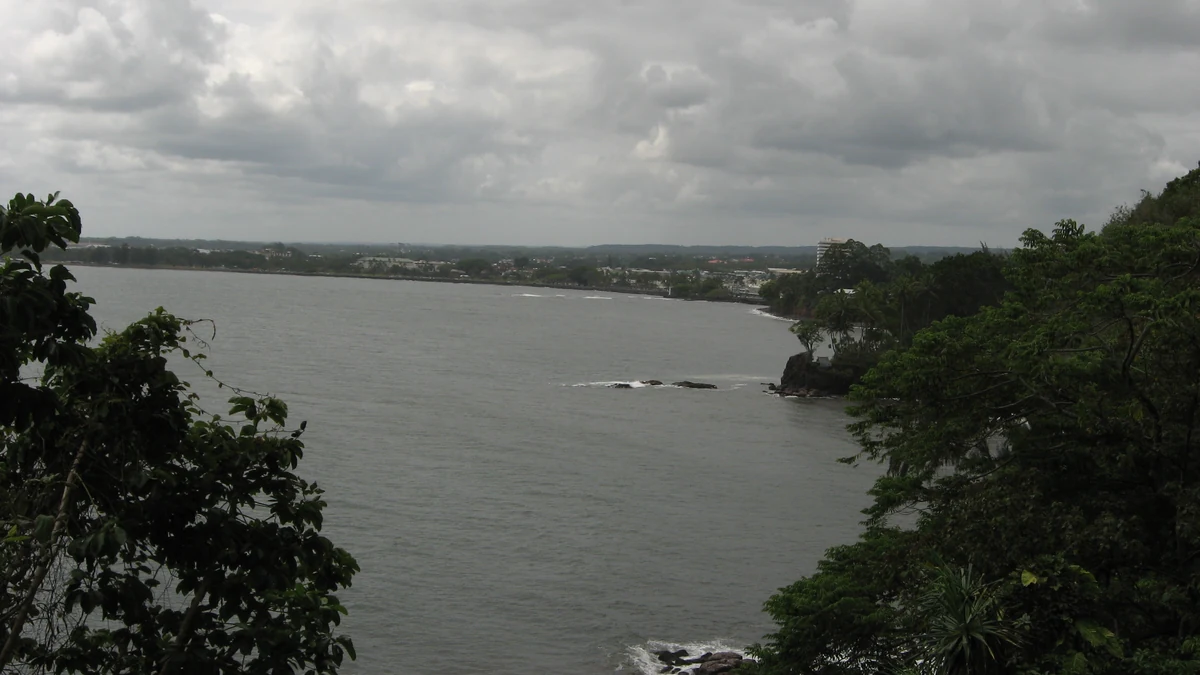
Hilo is the wet, green counterpoint to the resort coast of Hawaiʻi Island. A cruise call can reach waterfalls, tropical gardens, lava landscapes and Hawaiʻi Volcanoes National Park, but these choices spread in different directions and cannot sensibly be stacked into one hurried circuit. The useful first decision is whether the day belongs to the volcano or to Hilo and the island’s lush east side.
The ship docks in a working harbour rather than beside the historic centre. That makes transport part of the plan from the moment you leave the gangway. A pre-booked vehicle or tour gives the strongest control for the national park; a shuttle, taxi or carefully checked local bus can support a lighter Hilo day. Rain is normal, visibility can change quickly and active volcanic conditions are never guaranteed, so the best plan has a worthwhile version even when cloud closes in.
Hilo Cruise Port at a Glance
| Port name | Hilo, Hawaii |
|---|---|
| Main arrival area | Hilo Harbor passenger facilities |
| Cruise region | Alaska / North America / Canada |
| Country / Territory | USA |
| Currency | US dollar (USD) |
| Main languages | English and Hawaiian; other Pacific and Asian languages are also heard |
| Port role | Day call |
| Disembarkation | Docked |
| Walkability | Low from the industrial harbour; good within downtown once transferred |
| Shuttle required | Usually helpful for downtown and essential for most major sights |
| Main transport | Ship excursion, pre-booked tour, taxi, rental car and limited Hele-On bus services |
| Best first-time plan | Choose Hawaiʻi Volcanoes National Park or a focused Hilo-and-waterfalls circuit |
| Main caution | Do not assume a public bus creates a simple, protected volcano excursion |
Hilo Harbor Is a Docked Call, but It Is Not Downtown
Cruise passengers normally step ashore at Hilo Harbor, a commercial port east of the town centre. The immediate surroundings are functional rather than an attraction, and pedestrian routes out of the controlled harbour area are not the pleasant waterfront introduction that visitors may expect. Follow the ship’s instructions for the authorised exit, shuttle stop, taxi queue and tour meeting points; access arrangements can change with the berth and security operation.
The practical consequence is simple: do not spend the first half-hour improvising at the gate. Decide before arrival whether you are joining a tour, collecting a vehicle, taking a taxi or using any shuttle offered into town. The Hawaiʻi Department of Transportation documents passenger facilities at Hilo Harbor, while the county’s Hele-On port guidance makes clear that public service at the harbour is limited rather than a turn-up-and-go tourist shuttle.
Make the Volcano-or-Hilo Decision First
Hawaiʻi Volcanoes National Park is the headline day, but it lies roughly forty-five minutes to an hour from the harbour in normal conditions before any stops are added. A proper visit needs time for the park road, viewpoints, visitor information, short walks and changing weather. Hilo’s waterfalls, gardens, market and bay sit much closer together and make a flexible alternative. Trying to complete both at full depth usually produces a day dominated by vehicle doors and clocks.
Choose the volcano when it is your clear priority, the call is long enough and transport is confirmed. Choose Hilo when the call is shorter, the forecast is unsettled, mobility favours shorter transfers or you want the freedom to adjust. A northbound waterfall route towards ʻAkaka Falls is a third strategy, not a casual addition to a volcano circuit. It should be planned as its own east-coast drive with an explicit return time.
Getting from the Pier into Hilo
Downtown Hilo, the bayfront, Liliʻuokalani Gardens and Rainbow Falls are close enough to combine once you have transport, but not all are comfortable walks from the port. Cruise-day shuttles may run to a central drop-off, although provision is controlled by the ship or local operation and should not be assumed. Taxis and ride-hailing can work for a one-way transfer; the weakness is finding an equally prompt vehicle at a waterfall or garden when several ships or flights are creating demand.
Hele-On publishes current routes and a specific ports page. It can reduce costs for a flexible town day, but frequency, stop location and Sunday or holiday operation need checking against the actual call. CruisePing would not use a sequence of infrequent public buses for a first-time national-park day. The apparent saving is not worth a missed connection or a final return with no margin.
Hawaiʻi Volcanoes National Park Is the Major Commitment
The national park protects an active volcanic landscape centred on Kīlauea and Mauna Loa. The appeal is broader than seeing red lava: crater views, steam vents, lava tubes, rainforest, hardened flows and the scale of the caldera remain compelling when no eruption is visible. Check the National Park Service Hawaiʻi Volcanoes page immediately before the call because closures, eruption viewing, air quality and road access can change faster than a printed excursion description.
A cruise-day visit works best with transport that waits for you or follows a defined circuit. Allow for the drive in both directions before estimating sightseeing time. Independent drivers should download maps, fuel before entering the park if needed and note that mobile coverage is uneven. Ship excursions buy return protection; small-group tours often provide a better balance of commentary and time outside the vehicle. A taxi hired only for the outward journey is a poor strategy unless the return is contracted in advance.
What a Good Volcanoes Route Actually Includes
A sensible first visit begins with current conditions rather than a rigid checklist. The visitor centre area or ranger information can confirm which overlooks and trails are open. From there, prioritise one crater-view sequence, one short landscape walk and one geological feature such as the Thurston Lava Tube when accessible. Chain of Craters Road adds dramatic lava fields and coastal scenery, but driving far down it consumes the buffer needed for a cruise return.
The strongest excursion descriptions state how much time is spent inside the park, not merely that the park is included. Ask whether the price covers entry, whether lunch replaces sightseeing time, how much walking is expected and what happens when cloud obscures a principal overlook. A route with two or three meaningful stops is usually better than a long roll-call of roadside pauses. The aim is to understand the landscape, not to collect photographs through a minibus window.
An Eruption Cannot Be Promised
Kīlauea’s activity changes. A glowing vent seen in a video or by passengers the previous week may be quiet, hidden, inaccessible or visible only after dark when your ship is already sailing. The National Park Service is the authoritative source for current alerts and viewing guidance. Operators can position you efficiently, but no operator can guarantee an eruption, clear air or a specific lava display.
Judge the day by the quality of the volcanic landscape and interpretation, not by whether molten lava appears. This mindset also improves contingency planning: steam vents, crater rims, rainforest and historic flows make a worthwhile visit under many conditions. Passengers with respiratory conditions should pay particular attention to volcanic gas and air-quality notices, carry required medication and avoid assuming that remaining inside a vehicle removes all exposure.
Rainbow Falls Is the Easiest Major Waterfall
Rainbow Falls in Wailuku River State Park is only a short drive from central Hilo and therefore suits a town-based day. The main viewpoint is close to the parking area, making it more accessible than many forest waterfalls, although surfaces can be wet and the upper viewing area involves steps. Water volume, light and spray vary; the famous rainbow is a possibility rather than a timed performance.
Because the stop is compact, it combines naturally with downtown, the gardens or a scenic drive. It does not justify relying on a taxi that disappears unless another ride is already available. In busy periods, agree a waiting time or book a short circuit. Check the Hawaiʻi State Parks information for current access, and never cross barriers or step onto slick river rocks for a better photograph.
Liliʻuokalani Gardens and Hilo Bay
Liliʻuokalani Gardens gives Hilo’s gentlest independent outing: lawns, ponds, bridges and coastal views in a Japanese-style landscape close to Banyan Drive. It is a useful contrast to a long vehicle excursion and can absorb anything from thirty minutes to a relaxed hour. Paths are generally easier than forest trails, but rain can leave puddles and some bridge approaches or lawn edges may be awkward for wheels.
Combine the gardens with Coconut Island when the pedestrian bridge is open and conditions are comfortable, then continue by taxi or shuttle to downtown rather than assuming the entire harbour edge forms one continuous tourist promenade. This route works particularly well for mixed-mobility parties because stronger walkers can extend the bayfront circuit while others keep to the flatter garden paths. Bring insect repellent and a light waterproof rather than waiting for a shower to pass indoors.
Downtown Hilo and the Farmers Market
Historic downtown Hilo is compact, low-rise and practical rather than polished. Its wooden-fronted streets hold cafés, galleries, local shops and the Hilo Farmers Market. Market scale and stall mix vary by day, so verify the current calendar on the market website rather than assuming the largest trading day will coincide with the ship. Cash is useful for small purchases, although many established vendors accept cards.
Downtown is strongest as part of a Hilo day, not as a substitute inserted after an overlong volcano tour. Allow time for lunch and one or two shops instead of racing through at the end. The bayfront has tsunami history as well as attractive views; a visit to the Pacific Tsunami Museum can add context when open. Pavements are mostly manageable, but heavy rain, kerbs and road crossings still matter for passengers using mobility aids.
ʻAkaka Falls Is a Separate Northbound Route
ʻAkaka Falls State Park lies north of Hilo and requires a dedicated drive. The tall waterfall is reached on a paved loop through dense vegetation, with steps and slopes that make it less accessible than Rainbow Falls. Road traffic, parking and the walking circuit all take time. It can pair with a scenic Hamakua Coast drive or a focused botanical stop, but adding it to Volcanoes National Park creates a long diagonal across the day.
Independent visitors should check current opening and parking arrangements, then turn back early enough to protect the harbour return. A tour is attractive here because the vehicle remains with the group and the driver knows how cruise traffic affects the approach. In persistent heavy rain, visibility and footing may reduce the value of the loop. Do not treat a waterfall as safe merely because it is a developed attraction; remain on paths and respect closure signs.
Rental Cars Give Freedom but Add Friction
A rental car can make Hilo one of the most rewarding independent Hawaiian calls, particularly for the national park. The hidden work is collection and return. Airport or off-port depots may require a shuttle or taxi, opening hours may not match the call and the queue can consume the advantage of driving yourself. Reserve well ahead, confirm the exact depot and ask what happens if the ship arrives late.
Build the day from the gangway, not from the moment the keys are handed over. Include transport to the depot, paperwork, fuel, vehicle return and the final ride to the ship. Download navigation and save the harbour pin. Hawaiʻi roads are straightforward around Hilo, but rain can be intense and local speed limits should be respected. Never leave bags visible at remote car parks, and avoid an itinerary that depends on returning the vehicle at the last permitted minute.
Best Things to Do from Hilo Cruise Port
Hawaiʻi Volcanoes National Park
Best for: First-time visitors prioritising volcanic landscapes
Plan: Use a protected tour or well-timed rental car circuit
Watch: Changing activity, closures, cloud and the return drive
Rainbow Falls
Best for: A short, accessible waterfall stop
Plan: Combine with downtown or the gardens
Watch: Wet surfaces and uncertain taxi availability
Liliʻuokalani Gardens
Best for: A calm, low-pressure Hilo day
Plan: Walk the gardens and bay before lunch downtown
Watch: Showers, puddles and limited shade in exposed areas
Downtown Hilo
Best for: Local food, shops and historic streets
Plan: Use a shuttle or taxi and keep the final return simple
Watch: Market size varies by day
ʻAkaka Falls
Best for: Visitors wanting a rainforest waterfall circuit
Plan: Treat it as the anchor of a northbound route
Watch: Steps, rain and journey time
Hilo coast and beaches
Best for: A flexible scenic drive
Plan: Use a rental car or contracted local driver
Watch: Swimming conditions and unattended belongings
CruisePing Recommended Port Day
For a first visit with a full call, CruisePing would choose Hawaiʻi Volcanoes National Park on a small-group tour or a pre-booked rental car, but keep the park route disciplined. Confirm current conditions, see the caldera from open viewpoints, take one short walk and include the lava tube only when access and time are comfortable. Start back for Hilo with a margin that survives traffic, rain and vehicle return; do not spend that margin chasing one final viewpoint down Chain of Craters Road.
When the call is shorter or the volcano forecast is poor, choose a Hilo circuit: Rainbow Falls, Liliʻuokalani Gardens and unhurried time downtown. This is not a failed version of the national-park day. It shows the wet, culturally layered side of Hawaiʻi Island and keeps options open when showers move through. The weak plan is attempting the national park, ʻAkaka Falls and downtown together simply because all three names appear on a map.
DIY or Organised: Match the Method to the Distance
The national park is where a ship or reputable local excursion earns its price. Return protection, a waiting vehicle and current interpretation reduce several risks at once. A rental car is equally strong for confident drivers who have solved depot logistics. Public transport is better regarded as a local mobility tool than a cruise excursion system, even though published Hele-On routes may reach the Volcano area from Hilo.
For waterfalls and town, independence is easier. A negotiated taxi circuit, shuttle plus taxi or rental car can work. Write the ship’s all-aboard time separately from the final gangway time and keep the port address available offline. When using a local operator, confirm whether the booking is refundable if the ship misses Hilo and whether the driver monitors schedule changes. A cheap tour that cannot adapt to the call is not good value.
Mobility, Rain and Comfort
Hilo’s principal challenge is often weather rather than steep urban terrain. Covered shoes with grip are more useful than delicate sandals, and a breathable waterproof is better than a heavy coat. The national park includes accessible viewpoints but also uneven lava, steps and longer trails; ask the operator exactly which stops require walking. Rainbow Falls has a close main viewpoint, while ʻAkaka Falls demands a more sustained loop.
Wheelchair and scooter users should confirm lift capacity with transport providers before booking. Port shuttles, small vans and taxis do not all accept larger devices. Heat can still build between showers, so carry water and sun protection. At natural sites, stay behind barriers: lava rock can be sharp, river edges slippery and coastal waves unpredictable. Build a day that lets the least mobile member enjoy the main experience rather than waiting repeatedly beside a vehicle.
Food, Shopping and Respectful Visiting
Hilo is a good place to try local plate lunches, poke, tropical fruit and baked goods, but opening days and queues vary. Eat before the final transfer rather than depending on a port-side option. Agricultural controls apply when returning to the ship and later flying, so check restrictions before buying fresh fruit or plants. Coffee, macadamia products and locally made gifts are generally easier purchases than perishable produce.
Hawaiian names and sites deserve care. Use marked paths, do not remove rocks, plants or sand, and treat cultural places as more than photograph backdrops. At the national park, follow ranger guidance and never cross closures for a closer lava view. Hilo’s rain is part of the landscape that makes the east side so green; a flexible plan and appropriate clothing create a better day than complaining that the weather has spoiled a tropical port.
Weather & Best Time to Visit Hilo
Use the National Weather Service Hilo forecast and the park alerts close to arrival. Hilo is one of Hawaii’s wetter urban areas, and showers can be local: the harbour, rainforest and volcano summit may experience different conditions during the same call. Temperatures also fall with elevation, so a warm pier does not predict comfort at Kīlauea overlooks.
Cruise calls occur year-round. Summer is generally warmer, while winter can bring heavier rain and rougher weather systems. There is no month that guarantees clear crater views or a dry waterfall walk. Pack layers, protect phones and documents, and keep one route that remains worthwhile in cloud. The table gives rounded planning ranges rather than a forecast for a particular sailing.
| Month / season | Typical high | Typical low | Rain / conditions |
|---|---|---|---|
| January–March | 26°C | 18°C | Warm, humid and frequently showery; cooler at altitude |
| April–June | 27°C | 19°C | Mixed sunshine and showers; lush waterfall conditions |
| July–September | 28°C | 20°C | Warmest period, still with local rain |
| October–December | 27°C | 19°C | Humid with increasing chance of sustained rain |
Practical Questions for a Hilo Cruise Call
Can I walk from Hilo cruise port to downtown?
It is not the best use of a short call. The harbour is commercial and separated from the most useful town sights; use an authorised shuttle, taxi or arranged transport.
Can I visit Hawaiʻi Volcanoes National Park independently?
Yes, most reliably with a reserved rental car. Count depot transfers and vehicle return as part of the day, and check current National Park Service conditions before leaving.
Is public transport a good volcano plan?
Hele-On publishes a Hilo–Volcano route, but frequency, stop locations and the connection from the ship make it a fragile first-time cruise strategy. A protected tour or rental car provides more control.
What should I do if the volcano is covered by cloud?
Use the park’s open lower viewpoints and rainforest features if the visit is already under way, or choose Rainbow Falls, the gardens and downtown when the forecast is poor before departure.
Do I need a raincoat in Hilo?
Carry a lightweight waterproof even when the morning is bright. Showers can be brief or persistent, and conditions at elevation differ from the harbour.
Useful Official Links
- Hawaiʻi Department of Transportation Harbors visitor information
- Hele-On transport to the ports
- Hele-On Hilo to Volcano route
- Hawaiʻi Volcanoes National Park
- Wailuku River State Park
- Hawaiʻi tourism guide to Hilo
- National Weather Service Hilo forecast
CruisePing Port Verdict
Hilo is an excellent call when the itinerary is built around one landscape rather than a list. The volcano deserves most of a full day and protected transport. Hilo’s waterfalls, gardens and market deserve a slower route of their own. Both choices reveal a side of Hawaii that is greener, wetter and less resort-shaped than many first-time visitors expect.
The avoidable mistake is underestimating the distance between the harbour, the national park and the north-coast waterfalls. Make the main choice early, carry rain protection and preserve a genuine return margin. A disciplined day with three meaningful experiences will feel richer than six rushed stops and a final anxious drive to the gangway.
Ready to browse our article library?
Explore more ports in the Alaska / North America / Canada region, narrow the library to USA cruise ports, or return to the main CruisePing article library.