
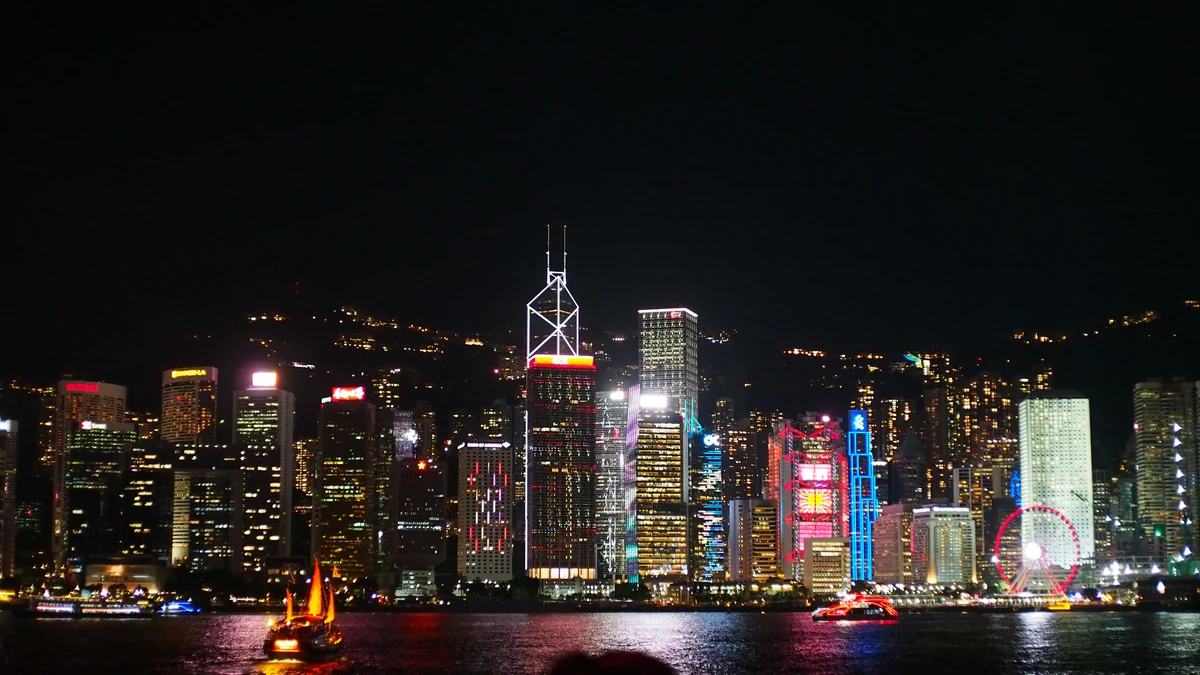
Hong Kong cruise port is a two-terminal city call. Ocean Terminal places passengers directly in Tsim Sha Tsui beside Victoria Harbour, while Kai Tak Cruise Terminal starts on the former airport runway in East Kowloon and requires a bus, shuttle or taxi before most classic sightseeing begins. The terminal therefore decides whether the first hour is a harbour walk or a transport problem.
Once that is settled, Hong Kong is one of Asia’s strongest independent cruise days. The MTR, ferries and compact central districts make a harbour-led route practical, but hills, humidity and queues can still break an overfilled plan. First-time visitors should build around Victoria Harbour, choose either the Peak or a neighbourhood focus, and protect the journey back to the correct terminal.
Hong Kong Cruise Port at a Glance
| Port name | Hong Kong |
|---|---|
| Main arrival area | Kai Tak Cruise Terminal or Ocean Terminal in Tsim Sha Tsui |
| Cruise region | Asia |
| Country / Territory | Hong Kong |
| Currency | Hong Kong dollar (HKD) |
| Languages | Cantonese and English; Mandarin is also widely encountered |
| Port role | Major day-call, turnaround and cruise-and-stay port |
| Disembarkation | Docked at a full terminal |
| Walkability | Excellent from Ocean Terminal; limited from Kai Tak until a shuttle or bus reaches an MTR or central district |
| Shuttle required | Often useful from Kai Tak; unnecessary from Ocean Terminal |
| Main transport | MTR, Star Ferry, bus, taxi, cruise shuttle and walking |
| Best first-time plan | Harbour promenade and Star Ferry, then Central and the Peak if visibility and queues allow |
| Main caution | Do not plan for Ocean Terminal when the ship is actually at Kai Tak |
Two Terminals, Two Very Different Starts
Hong Kong’s terminal split is unusually important because one berth is embedded in a prime visitor district and the other is separated from the historic centre by urban transport. The cruise documents should state Kai Tak or Ocean Terminal. Check again in the daily programme, because berth changes can occur and a saved map route is useful only for the terminal actually used.
Both facilities can handle a good day, but they reward different tactics. Ocean Terminal encourages immediate independent walking. Kai Tak rewards passengers who decide in advance whether to use a free ship-day shuttle, public bus, taxi or organised excursion. Do not leave the terminal and then begin comparing every option while the city clock is already running.
Turnaround passengers have another layer: luggage, hotel check-in and airport connections may make sightseeing from the terminal a different problem from a day call. A left-luggage facility, cruise-line transfer or hotel bag drop can be more valuable than an early attraction ticket. Day-call passengers should not copy advice written for people ending their cruise, because the return obligation changes every transport decision.
Kai Tak Cruise Terminal
The official Kai Tak passenger information says that free shuttle buses operate for disembarking passengers and crew on ship-call days to nearby MTR stations beside shopping malls. Details can vary by call, and additional paid services may appear during turnaround operations. Ask onboard where each shuttle ends and whether the return uses the same stop.
Public buses and taxis also serve the terminal. The official getting-here page lists current bus connections, but service patterns and fares should be checked near the sailing. Kai Tak is not a sensible walk to the classic harbour sights; use transport for the first leg.
Ocean Terminal
Ocean Terminal forms part of Harbour City in Tsim Sha Tsui. Passengers step into a major shopping and waterfront area with the Star Ferry, promenade, museums and Nathan Road within practical reach. The terminal’s advantage is immediate choice: begin along the harbour, cross to Central or use the MTR without waiting for a port transfer.
The apparent simplicity can still cause a return error. Harbour City is large, entrances are numerous and a group told to meet “at Ocean Terminal” may be scattered across different levels. Photograph the gangway route, note the mall entrance and allow time to walk back through the complex.
Leaving Kai Tak Efficiently
The best Kai Tak option depends on where the shuttle goes. A free bus to an MTR station may be excellent for an independent city day; a bus to a shopping centre that requires another transfer may be slower than a taxi shared by two or four people. Ask the destination before joining the queue and compare the total journey, not merely the fare.
A taxi gives door-to-door convenience but may face traffic and a terminal queue when several thousand passengers leave together. Public buses are inexpensive and predictable for travellers who understand the route. CruisePing would use the first suitable shuttle to an MTR station, unless a taxi is immediately available and the group has a clear first destination.
Ocean Terminal: Walk First, Ride Later
From Ocean Terminal, begin with the Tsim Sha Tsui waterfront while the group is fresh and the harbour light is favourable. The official tourism board highlights viewpoints around the harbour, including the Ocean Terminal Deck and the promenade. From there, the Star Ferry creates a natural crossing to Central.
Do not take the MTR simply because it looks faster on an app. For a short harbour journey, the ferry may be the attraction and the transport in one. Use the MTR later for an inland jump or the return when walking distances, weather or crowds make it the better tool.
Octopus, Contactless Payment and Cash
The MTR’s Octopus information explains the stored-value card used across rail and other transport. It remains a convenient option for repeated journeys and small purchases. Tourist tickets and some contactless bank-card acceptance are also available in parts of the network, but coverage and fare rules should be checked before assuming one card works everywhere.
Carry some Hong Kong dollars for markets, small food stops or a taxi that does not accept the method you planned. Payment is much easier than in many cruise cities, yet a dead phone, overseas-card block or empty stored-value balance can still interrupt the return. Keep the fare home separate from shopping money.
For a single harbour loop, do not overbuy a pass simply for convenience. Price the actual journeys: perhaps one MTR ride, two ferry crossings and a taxi. A stored-value option is most useful when it removes repeated ticket decisions, not when unused value becomes another task before sailing. Families should also check child and concession rules rather than assuming every person needs the same product.
Use Victoria Harbour to Organise the Day
The harbour prevents the city from becoming an arbitrary list. On the Kowloon side are Tsim Sha Tsui, the promenade, museums and markets farther north. Across the water are Central, the Peak connection, historic streets and the northern edge of Hong Kong Island. A first-time route can cross once, explore one side and return once.
The official Hong Kong Tourism Board transport guide includes rail, ferry and water options. Use the harbour’s visible geography rather than zigzagging between distant attractions. Every extra crossing should have a purpose.
A useful test is to ask what the crossing adds. The first Star Ferry journey adds the harbour experience and reaches Central. A second crossing may be needed to return. A third often means the route has started to zigzag. Keep the itinerary on one side long enough to explore rather than treating ferries and MTR stations as a collection challenge.
Tsim Sha Tsui Promenade and Avenue of Stars
The promenade delivers the city’s defining skyline view without a ticket. It works at the beginning of an Ocean Terminal day or at the end of a Kai Tak route returning through Kowloon. The walk is level and open, but summer sun, heavy rain and crowds can make the distance feel longer than the map suggests.
Choose a section rather than insisting on every metre. The Star Ferry pier, cultural centre area and Avenue of Stars form a logical sequence. If visibility is poor, the urban waterfront still has value; it is less dependent on cloud than the Peak or a high observation deck.
Star Ferry: Transport That Earns Its Place
The Star Ferry is one of the rare cruise-day movements that is also a core experience. It gives a low-level view of both skylines and links Tsim Sha Tsui with Central or Wan Chai. Board the route that supports the next part of the day, not whichever queue looks shortest.
Check the landing pier and return plan. Central’s ferry piers are beside a broad waterfront but not directly beneath every attraction shown on the skyline. A Peak-bound passenger still needs to reach the lower terminus or another transport connection. The ferry saves no time if followed by an unplanned long walk in heat.
Central, the Mid-Levels and Historic Streets
Central mixes towers, old lanes, temples, markets and steep streets within a small-looking area. The terrain is the hidden difficulty. Escalators help on selected routes, but they do not turn every hillside into level access. Decide whether the day is about street exploration or the Peak; combining both thoroughly can become tiring.
For a neighbourhood-led visit, use short sections around Central and Sheung Wan, take breaks indoors and travel downhill where possible. Traditional shops and temples should be visited respectfully. A private business is not a museum, and photography should not obstruct narrow pavements.
Choose a clear downhill finish, such as returning towards the waterfront or an MTR station, before entering the lanes. Without that anchor, the escalator system and sloping streets can pull a group farther uphill than intended. A taxi down is possible, but traffic and one-way streets can make a short-looking pickup less immediate than expected.
The Peak: Worth It Only with a Clear Plan
Victoria Peak offers the broad city-and-harbour view many passengers imagine, but it is a weather- and queue-sensitive choice. Cloud can remove the panorama, while the tram, bus and viewing areas can become congested. Check the live conditions before committing and keep a Central alternative ready.
The Peak is easiest when treated as the day’s principal ticketed attraction. Go early, use a pre-planned ascent and descend with enough time to continue towards the ship. CruisePing would not add it late simply because the morning schedule ran faster than expected; queues can expand without warning.
Use a simple decision rule: go when the upper slopes are visible, the queue is acceptable and at least two hours remain before the protected return journey begins. Skip it when cloud sits low, the tram queue is already long or the group is tired. The alternative is not a failed day; Central’s streets, ferries and harbour views remain distinctly Hong Kong.
Markets, Temples and Kowloon Neighbourhoods
Passengers who prefer street life to the Peak can head north from Tsim Sha Tsui towards Jordan, Yau Ma Tei or Mong Kok. Markets, food streets and temples reveal a different scale of Hong Kong from the waterfront. The MTR makes these districts accessible, but the route should be deliberately limited.
Market opening times vary and some famous night-market experiences are weak during a daytime call. Choose one neighbourhood and one anchor, such as a temple or food stop. Do not travel the full length of Kowloon collecting brief photographs while missing the atmosphere that justified the journey.
Museums and Indoor Alternatives
Hong Kong’s cultural institutions make a strong wet-weather or heat-weather plan. West Kowloon, Tsim Sha Tsui and Central all have major indoor options, but reservation, closing-day and exhibition rules differ. A museum should replace another substantial attraction rather than sit between several rushed outdoor stops.
From Ocean Terminal, nearby cultural venues are particularly practical. From Kai Tak, a museum can provide a clear taxi or MTR destination and a reliable air-conditioned base. Set an exit alarm before entering, because large museums are designed for longer visits than a port call.
Reserve the museum route before the sailing where timed entry is required, but keep the booking cancellable or low-cost when possible. Port arrival, immigration and weather can all shift the day. A museum several stations away is not a good emergency shelter if the group has already passed a closer indoor alternative.
Best Things to Do from Hong Kong Cruise Port
Victoria Harbour and Tsim Sha Tsui promenade
Best for: First-time skyline views with no ticket or complex booking
Best way: Walk from Ocean Terminal or reach Tsim Sha Tsui by shuttle, MTR or taxi
Watch: Open exposure to sun, rain and crowds
Star Ferry crossing
Best for: A classic harbour experience that also moves the route forward
Best way: Cross between Tsim Sha Tsui and Central or Wan Chai
Watch: Check the landing and onward connection before boarding
Victoria Peak
Best for: Panoramic views when visibility is good
Best way: Go early with a clear tram, bus or taxi plan
Watch: Cloud and queues can turn it into poor value
Central and Sheung Wan streets
Best for: Food, temples, old lanes and modern city contrasts
Best way: Use MTR or ferry, then explore a compact downhill route
Watch: Steep terrain and humid weather
Kowloon market district
Best for: Dense street life, local food and neighbourhood atmosphere
Best way: Choose one district reached by MTR
Watch: Daytime opening can differ from the evening reputation
CruisePing Recommended Port Day
From Ocean Terminal
CruisePing would begin along the Tsim Sha Tsui promenade, cross on the Star Ferry and decide in Central whether visibility justifies the Peak. If it does, make the Peak the main attraction and return through Central. If it does not, use Central and Sheung Wan for a food-and-streets route, then return by ferry or MTR.
This plan uses the terminal’s location rather than paying to leave a district that already contains the harbour experience. Add a museum or market only on a long call. The safe fallback is a Kowloon waterfront, food and cultural day entirely on the terminal side.
From Kai Tak
From Kai Tak, take the first dependable shuttle or taxi to an MTR connection or Tsim Sha Tsui. Build the classic harbour loop from there: promenade, Star Ferry, Central and one main choice. Begin the return earlier than an Ocean Terminal passenger because the final leg must reach the runway terminal rather than a central mall.
If the shuttle destination is inconvenient, a direct taxi to the Tsim Sha Tsui promenade or Central can be worth the cost. The fallback is a shorter Kowloon route with one harbour viewpoint and one neighbourhood, not a desperate attempt to complete the Ocean Terminal itinerary in less time.
Agree the return method before the group leaves the first shuttle. When a free service has a published collection point, save it and check the last useful departure. When it does not, budget for a taxi from a place where vehicles can stop legally. This small decision removes the late-day argument about whether to retrace the outbound route, find another MTR station or hope that a taxi appears beside a crowded attraction. It also lets the group decide calmly whether one more harbour stop is genuinely available or whether the city portion of the day is already complete. That is a much better decision than testing the all-aboard time against an avoidable delay. Keep that buffer visible throughout the final part ashore.
DIY or Organised Excursion?
Hong Kong is well suited to DIY because signs, public transport and official visitor information are extensive. Ocean Terminal passengers need little logistical help for a first harbour circuit. Kai Tak passengers need to solve the terminal transfer, but can then explore independently.
An organised excursion adds value for passengers with limited mobility, those wanting a distant site, or first-time visitors anxious about the Kai Tak return. Private guiding can also connect neighbourhood history to the visible city. CruisePing would not pay for a full-day coach merely to see the promenade and Star Ferry through a window.
Food Strategy for a Port Day
Hong Kong food is a reason to slow down, but famous venues can involve queues, ticket systems or shared tables unfamiliar to some visitors. Pick a district first, then choose food within it. Dim sum, noodles, roast meats, bakery items or a tea stop can all fit without crossing the harbour solely for one address.
Mixed groups may prefer a food hall or established restaurant with clear menus and payment. Keep allergy information translated and ask before assuming a dish is vegetarian or shellfish-free. A short, satisfying stop is better than spending the centre of the call waiting for a social-media-famous table.
Accessibility, Hills and Heat
MTR stations and major terminals have lifts, but the accessible exit may be farther from the attraction than the staircase shown on a general map. Check lift exits and use taxis for steep Central routes. Ocean Terminal itself can involve long indoor distances, while Kai Tak may require a shuttle step or coach lift.
Humidity is often more limiting than mileage. Alternate outdoor waterfront sections with air-conditioned transport or buildings. The Peak, hillside streets and market crowds should not all be stacked into one mobility-sensitive itinerary.
Passengers who can walk moderate distances but struggle with steps should favour the harbour, accessible MTR exits and a taxi to a chosen viewpoint. Resting before exhaustion matters because humid conditions can turn an easy final kilometre through Harbour City or the Kai Tak terminal into the hardest part of the day.
Return Planning for Kai Tak and Ocean Terminal
For Ocean Terminal, the main risk is underestimating the time needed to navigate Harbour City and terminal security. Return to the correct mall entrance with a buffer, especially if several ships or large shopping crowds are present. Save the ship name and terminal level.
For Kai Tak, include the entire chain: reach the shuttle or taxi, cross the city, enter the terminal zone and complete security. A free shuttle is useful only if its return frequency fits all-aboard. If the outbound service appears irregular, ask how the return will work before relying on it.
Keep a taxi as the paid fallback rather than the first time-critical idea. Save the terminal address in Chinese and English, carry enough Hong Kong dollars or an accepted payment method, and begin looking for the vehicle before the buffer has been consumed. During major events at Kai Tak Sports Park or in heavy rain, local traffic and taxi demand may be higher than a normal map estimate suggests.
Weather & Best Time to Visit Hong Kong
| Month / season | Typical high | Typical low | Rain / conditions |
|---|---|---|---|
| December to February | 18–21°C | 13–16°C | Cooler and often drier; cloud or cold fronts can reduce Peak views |
| March to May | 22–29°C | 18–24°C | Warming, humid and increasingly rainy; fog can affect high viewpoints |
| June to September | 30–33°C | 26–28°C | Very hot, humid and wet with typhoon and thunderstorm risk |
| October to November | 24–29°C | 19–24°C | Often clearer, less humid and comfortable for walking |
The Hong Kong Observatory climate guide describes the city’s subtropical pattern, while its nine-day forecast provides current planning information. Heat changes walking pace, low cloud changes the Peak decision, and typhoon signals can change transport and port operations completely.
Port-Day Pitfalls and Better Choices
The largest error is confusing the terminals. The next is treating the Peak as compulsory when cloud has removed the view. Other common problems include buying a transport pass unsuited to the number of journeys, crossing the harbour repeatedly, and leaving Kai Tak’s return leg untested until late afternoon.
Good choices use transport as part of the experience: the Star Ferry for a harbour crossing, the MTR for a longer urban jump and a taxi for a difficult final connection. Spend money where it reduces friction, not where it duplicates a view already available from the waterfront.
Frequently Asked Questions
Which Hong Kong terminal will my ship use?
Your cruise documents should state Kai Tak or Ocean Terminal. Check the daily programme as well because the correct terminal determines every transport instruction.
Is Kai Tak close to the main sights?
It is in urban Kowloon but not within a practical tourist walk of the classic harbour districts. Use a shuttle, bus or taxi to reach the MTR or a central destination.
Can I explore Hong Kong independently?
Yes. Public transport and English-language information make DIY practical, especially from Ocean Terminal. Kai Tak requires more return planning.
Is the Peak essential?
No. It is excellent in clear conditions, but the harbour promenade, ferry and neighbourhoods provide a strong day when cloud or queues make the Peak poor value.
Do I need an Octopus card?
It is convenient for repeated transport and small purchases, but tourists may have other ticket or contactless options. Choose according to the journeys actually planned.
Useful Official Links
- Kai Tak Cruise Terminal passenger information
- Kai Tak Cruise Terminal transport information
- Hong Kong Tourism Board
- Hong Kong Tourism Board getting-around guide
- MTR Octopus information
- Hong Kong Observatory
CruisePing Port Verdict
Hong Kong is easy to enjoy once the terminal is treated honestly. Ocean Terminal is one of the best-located cruise berths anywhere; Kai Tak is a modern facility that needs a deliberate first and final transfer. Both lead to a city where ferries, rail and walking can produce a varied day without a coach tour.
CruisePing would organise the visit around Victoria Harbour, make one inland choice and stop adding. The reward is not the number of districts crossed, but the sequence of skyline, water, street life and food experienced without a panicked return. That balance matters.
Ready to browse our article library?
Explore more ports in Asia, narrow the library to Hong Kong cruise ports, or return to the main CruisePing article library.