
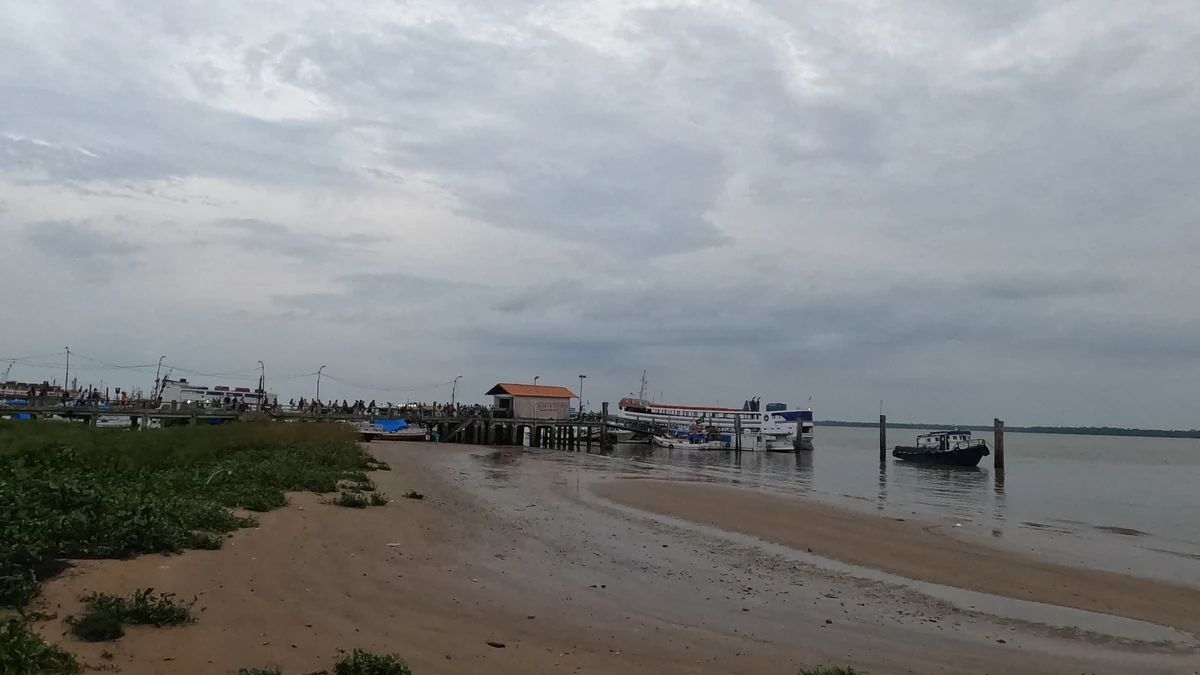
Icoaraci cruise port is the river landing used for access to Belém by some Amazon itineraries. The trapiche and waterfront lie well outside central Belém, so the port day begins with a choice between a substantial city transfer and a more local Icoaraci experience.
First-time visitors should use the ship shuttle or an organised Belém tour for Ver-o-Peso, Estação das Docas and the historic core. Passengers with a short call or little appetite for traffic should stay in Icoaraci for pottery, waterfront food and river views. Do not attempt Belém plus a long island boat trip.
Icoaraci Cruise Port at a Glance
| Port name | Icoaraci |
|---|---|
| Main arrival area | Trapiche de Icoaraci on the riverfront |
| Cruise region | South America / Galapagos |
| Country / Territory | Brazil |
| Currency | Brazilian real (BRL) |
| Languages | Portuguese |
| Port role | Day Call |
| Disembarkation | Tender or small-vessel landing, ship-specific |
| Walkability | Good locally; central Belém is not walkable from the landing |
| Shuttle required | Yes for Belém |
| Main transport | Ship shuttle, organised tour, taxi and walking in Icoaraci |
| Best first-time plan | Organised or ship-shuttle Belém highlights; local pottery-and-waterfront day for a shorter call |
| Main caution | Belém traffic and a long transfer can consume the return margin |
The map marks the Icoaraci trapiche
The landing sits on the Icoaraci waterfront, not at Estação das Docas or the Belém historic centre. Ship and river conditions determine the exact tender contact.
Photograph the landing and shuttle instructions. Returning to a different river pier in greater Belém is not equivalent to reaching the ship’s tender.
Belém is a road transfer, not a walk
Central Belém lies many kilometres from Icoaraci, and traffic can make the journey substantially longer than the map suggests.
Use the ship shuttle or a cruise-aware guide. Do not begin walking or assume an ordinary taxi will automatically understand the final tender schedule.
The useful question is not only distance but door-to-door time: tender or gangway, reception area, coach loading, urban traffic and the final walk from the drop-off all sit before sightseeing begins. The return repeats the same chain in reverse.
Use a ship shuttle when offered, especially on a first call. A taxi can work, but the driver must understand that the return destination is Trapiche de Icoaraci rather than another Belém river terminal.
DIY or organised tour? Organise Belém, DIY Icoaraci
Belém’s key sights can be explored independently after a reliable shuttle, but the transfer itself is the weak link. A ship excursion gives the strongest protection on a short call.
Icoaraci is much easier to explore locally. The waterfront, food and pottery tradition provide a coherent alternative without city traffic.
Ver-o-Peso is the first Belém priority
The vast market area combines fish, produce, herbs, food, boats and intense everyday activity beside Guajará Bay.
Go with awareness rather than treating it as a simple souvenir stop. Keep valuables discreet, ask before close photographs and follow the guide through the busiest lanes.
Visit early enough to see the market functioning rather than arriving after heat and crowds have weakened the experience. A guide can identify fish, fruit, herbs and regional products while steering the group away from blocking working aisles.
Keep valuables secure and purchases modest. Fresh food, seeds, plant products and animal material may face ship or later-country restrictions, so the market is primarily for observation, tasting through a recognised venue and small permitted goods.
The market needs time and confidence
Ver-o-Peso can feel crowded, hot and unfamiliar. Its value comes from observing regional ingredients and river commerce, not from trying to inspect every stall.
Passengers uncomfortable with dense markets can use the exterior, waterfront and nearby historic buildings, then spend more time at Estação das Docas.
Estação das Docas is the easiest polished stop
The restored riverfront warehouses provide restaurants, shops, cultural displays and air-conditioned relief within easy reach of Ver-o-Peso.
Use it for lunch or a drink after the market rather than as the whole Belém experience. Its comfort makes more sense when paired with the working waterfront outside.
The restored waterfront warehouses provide shade, toilets, food and river views, making them a useful midday pause after Ver-o-Peso. They should support the historic route rather than replace it with an entirely sanitised version of the city.
A lunch here is practical when the coach departure is fixed. Order with enough time to pay and regroup, because a relaxed riverfront meal can easily consume the traffic buffer.
Cidade Velha gives the historical layer
The old city includes colonial streets, churches, plazas and the Forte do Presépio area near the city’s foundation point.
A guided walk adds context and helps select the most worthwhile interiors. Do not attempt a long loop in midday heat merely to photograph every church façade.
Walk one compact cluster rather than trying to connect every church, fort and museum. Forte do Presépio, the cathedral and nearby streets already explain the river-facing origins of Belém.
Old paving, heat and intermittent rain make vehicle drop-off and pickup important. A guide should shorten the walking loop for mobility without replacing every street with a coach-window commentary.
Forte do Presépio and the cathedral form a useful cluster
These sights help explain Portuguese settlement and Belém’s relationship with the river.
Prioritise the exterior and one interpreted interior or museum component. A coach that pauses for five minutes does not reveal enough to justify the traffic transfer.
The Mangal das Garças is a good nature-and-city alternative
The landscaped park can provide birds, river views and a calmer environment near the historic centre.
Choose it when market density or mobility makes a long historic walk unattractive. It should replace one central cluster, not be added after every other Belém sight.
Açaí is part of everyday food culture
Belém’s açaí is commonly eaten in a less sweet, more meal-like form than the frozen bowls familiar abroad.
Try it through a reputable guide or restaurant and understand what accompanies it. Food sampling is more meaningful when connected to the market and regional ingredients.
One organised city route is enough
Cruise excursions such as Holland America’s Best of Belém can take several hours because transport and multiple stops are built into the day.
Do not add an independent river island trip around a full city excursion. The shuttle return alone requires a generous margin.
Icoaraci pottery is the strongest local alternative
The district is known for ceramics influenced by Marajoara and Tapajônica designs. Workshops and shops can provide more direct craft context than central Belém retail.
Ask where pieces are made and how designs are used. Pack fragile purchases carefully and confirm that the item can be carried through the tender without damage.
The Pará tourism portal provides the wider regional context for Belém and its river communities. In Icoaraci, the distinctive local value is the ceramic tradition rather than trying to imitate a compressed central-Belém circuit.
Ask to see how Marajoara- and Tapajônica-inspired patterns are interpreted by contemporary makers rather than assuming every piece is an archaeological reproduction. A reputable workshop should explain technique, authorship and price without pressuring passengers.
Wrap purchases for the tender and confirm whether the ship can accept fragile ceramics. Buying one well-made piece directly from a workshop is more meaningful than racing through several shops for a lower price.
The waterfront provides a different Belém experience
Icoaraci’s orla, boats and river horizon feel less monumental than central Belém but remain closely connected to local life.
Walk a manageable stretch, eat locally and watch river traffic. This is a deliberate day, not merely what remains when the shuttle is missed.
The trapiche and river views reveal the scale of the estuary and the transport role of small boats. Spend time watching ordinary movement rather than treating the waterfront only as a waiting room for the ship tender.
Remain in public areas and ask before photographing workers or passengers closely. River edges, ramps and pontoons can be slippery, particularly after the frequent heavy showers.
Local food can anchor the Icoaraci day
Fish, shrimp, tacacá, maniçoba and açaí may feature in regional menus, though service and opening vary.
Choose a busy established venue, ask about preparation and leave enough time for an unhurried tender return. Passengers with allergies should communicate clearly in Portuguese.
A river island excursion needs ship protection
Combu and other islands near Belém can offer riverside food, cacao and community-based tourism, but boat departure points and return times are separate from Icoaraci.
Use a ship excursion or operator specifically coordinating the call. Do not cross the city, board a public boat and assume the island schedule will align with the tender.
Belém’s official Rota Combu initiative shows that river-island tourism is being developed around local communities and sustainability. That makes an authorised, interpreted visit preferable to an improvised public-boat journey.
Traffic is the main planning risk
Road congestion can grow around central Belém, markets, roadworks and peak periods. The journey back to Icoaraci may take much longer than the outward transfer.
Set a departure from central Belém well before the final tender margin. The last hour belongs on the Icoaraci side, not at a museum or restaurant downtown.
A guide should set a latest departure from central Belém before the city tour begins. That protects the return even if a museum runs late, a market street is blocked or tropical rain slows traffic.
Do not use an optimistic app time as the buffer. The vehicle must reach Icoaraci, unload, pass any reception process and leave passengers enough time for the actual ship transfer.
A private guide should collect at the trapiche
The guide must confirm whether collection occurs inside the reception area, outside the waterfront or after a ship shuttle.
Ask for the return destination in writing and reject a vague promise to get back to the port. Greater Belém contains several river terminals.
Cash and card planning
Cards are common in established city venues, while small craft and food purchases may be easier with Brazilian reais.
Carry modest notes and avoid using an ATM with luggage or a group crowding around. Keep the ship card separate from cash.
Heat and rain shape both routes
Belém is equatorial, humid and frequently wet. A heavy shower can slow traffic and turn pavements slippery without ending the whole day.
Carry light rain protection, use shade and keep one indoor stop. The market and historic centre are more comfortable early, while Estação das Docas can absorb midday weather.
Accessibility differs sharply
The tender and trapiche are the first issue; shuttle steps, market crowds, old paving and heat follow.
Ask for a vehicle-based Belém route with limited walking or remain in Icoaraci for a shorter waterfront and pottery experience. Do not accept an excursion description that omits the transfer chain.
A shortened call should stay in Icoaraci
When tendering starts late, a Belém shuttle can spend most of the remaining time on the road.
Choose pottery, the waterfront, local food and river views instead. This protects the return and still gives the call a clear regional identity.
Build a proper local sequence: waterfront orientation, one or two pottery workshops, regional lunch and a final river view. This is not merely waiting near the ship; it is a different encounter with greater Belém’s culture.
Avoid beginning a city transfer just because a coach is available. When the remaining time is marginal, the road will dominate and the market or historic centre will be reduced to a hurried photograph.
What to skip from Icoaraci
Skip an unprotected island boat, a taxi to Belém with no return agreement and a city itinerary overloaded with museums, parks and shopping.
Also skip treating Icoaraci only as a transport inconvenience. Its craft and riverfront culture are legitimate reasons to stay local.
Return to the trapiche before the queue
Shuttles from Belém can arrive together, creating a tender queue at the waterfront.
Keep purchases packed and join an earlier boat. If staying locally, finish the meal or pottery visit before the final shuttle groups return.
Write the pier name and exact trapiche location on the phone for any independent driver. Estação das Docas, Ver-o-Peso and Icoaraci are all riverfront locations, and a vague request for the boat terminal can lead to the wrong one.
Finish pottery purchases and food before the city coaches return. A quiet early tender is preferable to standing with several excursion groups and fragile ceramics at the end of the call.
CruisePing Recommended Port Day
Use the ship shuttle or protected city excursion to reach Belém early. Prioritise Ver-o-Peso, Estação das Docas and one historic cluster around Forte do Presépio, then leave central Belém with a substantial traffic margin.
For a short or repeat call, stay in Icoaraci. Explore the waterfront, visit reputable pottery workshops and eat regional food close to the trapiche. Do not combine a full Belém day with an island boat trip.
Weather & Best Time to Visit Icoaraci
| Month / season | Typical high | Typical low | Rain / conditions |
|---|---|---|---|
| January–May | 31°C | 24°C | Very wet, humid and prone to heavy daily showers |
| June–August | 32°C | 23°C | Still humid with somewhat lower rainfall |
| September–November | 33°C | 24°C | Hotter and relatively drier, though storms remain possible |
| December | 32°C | 24°C | Rainfall begins increasing again |
Belém and Icoaraci are hot and humid year-round. Heavy rain affects traffic and walking more than the modest seasonal temperature range. Check the current official forecast before finalising the day.
Frequently Asked Questions
Where do passengers land at Icoaraci?
Ships use the Icoaraci riverfront, commonly around the trapiche, with exact tender handling set by the vessel.
How far is Belém?
It requires a substantial road transfer, often made longer by city traffic.
What should first-time visitors see?
Ver-o-Peso, Estação das Docas and one historic-city cluster.
Is Icoaraci worth staying in?
Yes. Its pottery tradition, waterfront and food make a good short-call alternative.
Can you visit a river island independently?
We advise using a ship-protected excursion because the boat and city-transfer timings are complex.
Useful Official Links
- Seabourn: Icoaraci and Belém
- Holland America: Best of Belém
- Belém sustainable river tourism
- Pará tourism portal
- INMET weather
CruisePing Port Verdict
Icoaraci is the access port, not central Belém. First-time passengers should use the ship shuttle or a protected excursion for Ver-o-Peso, Estação das Docas and a focused historic walk.
A local Icoaraci day is the better choice after a late landing or for repeat visitors: pottery, waterfront food and river views provide variety without gambling on Belém traffic. Do not add a long island boat to a full city route.
Ready to browse our article library?
Looking beyond Icoaraci? Explore more ports in the South America / Galapagos region, or narrow it to Brazil in particular. For cruise comparisons, planning shortcuts and value guides, head over to our main article archive.