
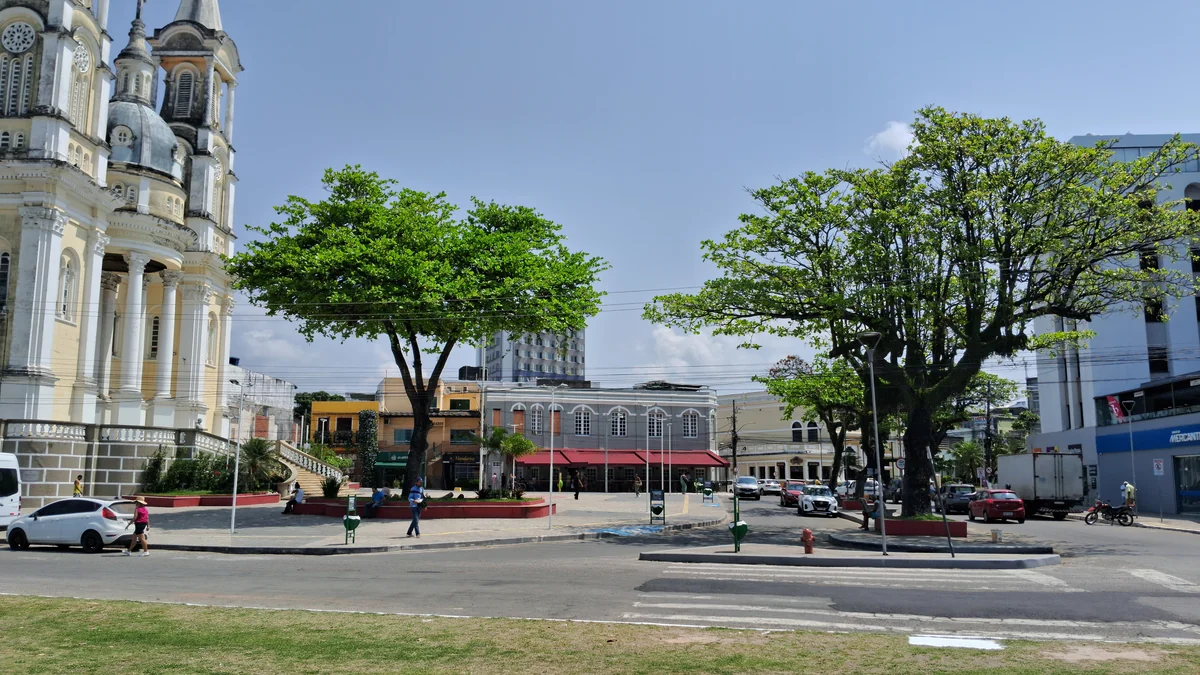
Ilhéus cruise port uses Porto do Malhado, an open-sea commercial harbour at Ponta do Malhado rather than a purpose-built passenger quay in the historic centre. The practical first step is therefore the port shuttle or authorised transfer, not an independent walk through the cargo area.
Once in town, Ilhéus becomes straightforward. The cathedral, Jorge Amado associations, former cocoa-era buildings, cafés and waterfront sit close enough for a focused walking day. A cacao farm or a longer beach excursion can be worthwhile, but only as a deliberate alternative to the literary and historic centre, not as an extra loop added at the end.
Ilhéus Cruise Port at a Glance
| Port name | Ilhéus |
|---|---|
| Main arrival area | Porto do Malhado at Ponta do Malhado |
| Cruise region | South America / Galapagos |
| Country / Territory | Brazil |
| Currency | Brazilian real (BRL) |
| Languages | Portuguese |
| Port role | Day Call |
| Disembarkation | Docked at a controlled commercial port |
| Walkability | Good after reaching the historic centre |
| Shuttle required | Usually for the secure port-to-centre leg |
| Main transport | Ship shuttle, taxi, app car, guide and walking |
| Best first-time plan | Shuttle to the centre, walk the Jorge Amado and cocoa-era core, then choose lunch or one beach |
| Main caution | Do not assume passengers can walk freely through the working port or fit a rural cacao tour around a full city circuit |
Porto do Malhado Is a Working Harbour
The port authority describes Porto de Ilhéus at Ponta do Malhado as the city’s modern open-sea port. Cargo security, vehicle movements and the assigned berth determine how passengers leave the quay. A short distance on a map does not make the industrial route suitable or authorised for pedestrians.
The authority’s Ilhéus port infrastructure information should be treated as the fixed geographic reference, while the ship’s daily notice controls the passenger process. Take the shuttle when offered. It removes uncertainty at the gate and normally deposits visitors closer to the historic sights than an improvised taxi search.
The Historic Centre Works as One Compact Story
Begin around Catedral de São Sebastião and the neighbouring streets rather than trying to tick off isolated buildings across the city. The cathedral, theatre, Jorge Amado sites, former commercial houses and cafés make sense together as evidence of the cocoa boom and the cultural identity that followed it.
The city’s tourism material explains how Jorge Amado and the cacao era shaped Ilhéus’s international image. A guide adds value when they connect literature, wealth, labour and urban change. Without that interpretation, the centre is still easy to walk, but some façades become attractive photographs with little context.
Jorge Amado Is More Than a Single House
Readers of Gabriela or The Violent Land will find names and settings woven through the centre, but the best literary visit is not confined to one museum. Combine the Casa de Jorge Amado area with the streets, bars and civic buildings that evoke the social world behind the novels.
Opening hours for individual interiors can shift, especially around holidays and local events. Build the route so it remains worthwhile from the outside. If the main literary museum is closed, continue with the cathedral, theatre, Bataclan exterior, Vesúvio area and a cacao-focused stop rather than abandoning the centre.
Cocoa Is the Better Theme Than Generic Shopping
Ilhéus grew through cacao, and chocolate or cacao products make more meaningful purchases than imported souvenirs. Look for businesses that explain origin, processing and producer relationships. A tasting that distinguishes cacao content and local production is more useful than buying the sweetest boxed item beside the shuttle stop.
The city centre can introduce the subject; a rural farm can show it properly. Do not confuse the two. Passengers keen on agriculture, food systems or the history of plantation wealth should book a specialist cacao excursion. Everyone else can gain enough context through the historic core and a well-chosen tasting.
A Cacao Farm Replaces the City, Not Completes It
Farm visits require road time, a guide or driver and a fixed return. The strongest tours explain cultivation under forest shade, disease and recovery, harvesting, fermentation, drying and the relationship between producers and chocolate makers. A brief sales stop marketed as a plantation visit is not equivalent.
Choose the farm day when cacao is your main interest or when you have already visited Ilhéus. For a first call, trying to combine a substantial farm visit with every literary sight usually produces a rushed version of both. A ship excursion is the safest choice where the farm lies well outside the urban area or the road timetable is uncertain.
Beaches Are Easy to Add, Harder to Compare
Ilhéus has long stretches of coast, but a cruise passenger needs one beach with dependable access, facilities and a clear route back. A scenic drive past several sands adds little unless the tour explains coastal geography or stops long enough to swim. Ask where the vehicle waits and whether showers, toilets and shade are available.
A city-centre morning followed by one nearby beach is realistic on a long call. A beach-only plan also works for repeat visitors. Skip a remote resort circuit that spends most of the day collecting passengers or negotiating urban traffic; Ilhéus’s distinctive value lies in the combination of cocoa history, literature and coast.
Bataclan and Vesúvio Need Context
The Bataclan name and Bar Vesúvio are strongly associated with the city’s literary mythology. They are worth including because they sit naturally within the central walk, not because every visitor needs a long stop or a staged Gabriela experience.
Use them as markers in the wider story of cocoa-era elites, entertainment and Amado’s fiction. Eat or drink there when the atmosphere appeals and the timing works, but do not let one busy venue consume the only hours available for the cathedral, streets and cacao history.
A Guide Is Worth Paying for in the Centre
Ilhéus has worked on its cruise visitor reception, and local guides can turn a pleasant collection of buildings into a coherent account of the city. This is one port where interpretation matters more than transport once the shuttle has reached the centre.
Book a short, focused historic walk rather than a broad panoramic tour padded with shopping stops. A good guide should discuss Jorge Amado without treating fiction as literal biography, and explain cacao prosperity alongside its inequalities. After the guided section, retain independent time for lunch, chocolate or the waterfront.
Heat Determines the Walking Order
Ilhéus is humid, and even a short historic route can feel heavy around midday. Visit interiors and uphill or less shaded streets first, then use the waterfront and cafés as the temperature rises. Carry water rather than assuming every cultural stop will sell drinks.
Light clothing helps, but churches and cultural interiors still deserve respectful dress. Sudden rain can flood kerbs and make polished pavements slippery. A compact umbrella or light rain layer is more useful than attempting the whole route in beach footwear.
Mobility Planning Starts at the Gangway
The ship may be alongside, but the port is still industrial and the route to the shuttle can involve ramps, security surfaces and vehicle-controlled areas. Ask where accessible transport boards and whether a wheelchair can remain unfolded. Do not judge the day solely by the apparently flat city map.
The cathedral square and central streets are manageable with planning, though kerbs and uneven paving remain. A private driver who waits is better than a multi-stop bus for passengers who need predictable transfers. Rural cacao properties can involve dirt, slopes and steps, so obtain site-specific information before booking.
Money and Connectivity Are Simple in Town
Cards are widely useful in established restaurants and shops, but small reais help with snacks, crafts and tips. Confirm the price before entering an unmetered taxi and use an official rank or app where possible. The port itself is not the place to negotiate a complex independent itinerary after disembarkation.
Mobile coverage is usually easier than at remote Amazon calls, yet the ship’s international roaming arrangements can still be expensive. Download the central map and save the shuttle pick-up point. The critical information is the ship’s all-aboard and final shuttle time, not a long list of attraction pins.
Do Not Confuse Ilhéus with a Resort Port
A polished beach property can produce an easy day, but it strips away the city’s most distinctive material. First-time visitors who only transfer from ship to lounger miss the literary and cacao history that separates Ilhéus from many other warm-water calls.
Equally, passengers uninterested in museums should not force a full heritage itinerary. The sensible compromise is a compact centre walk, cacao tasting and one relaxed coastal stop. That sequence earns the beach without turning the day into a lecture or a generic resort transfer.
Protect the Port-to-Centre Connection First
Porto do Malhado is close to central Ilhéus on a map, but passengers are inside a controlled working harbour. Walking through operational areas should never be assumed. Use the cruise shuttle, authorised bus or port instruction to reach the public drop-off, and note where the return service actually departs rather than relying on the first visible coach.
The transfer is normally short enough that a city day remains easy, yet delays at the gate can remove the margin for an out-of-town cacao farm. Before committing to a regional excursion, confirm whether its advertised duration begins at the ship, the port gate or the city meeting point. A protected ship excursion is more sensible when the farm visit consumes most of the call.
Build the Historic Walk in a Logical Order
From the central drop-off, link São Sebastião Cathedral, Casa de Jorge Amado, the Vesúvio area, Bataclan and the waterfront rather than making repeated crossings in the heat. Opening hours can create a different order, so check the museum first and use exterior literary sites while waiting. A guide should interpret the cocoa-boom city, not simply point at buildings named in novels.
Finish with chocolate or a café close to the return route. Ilhéus cocoa products vary from local bean-to-bar work to generic confectionery, so ask where the cacao was grown and made. A smaller, traceable purchase tells the regional story better than a large souvenir box that could have come from anywhere in Brazil.
DIY or Organised Tour?
Use the ship shuttle, then go DIY for the historic centre if you are comfortable with heat, maps and Portuguese signage. The principal sights cluster closely enough that a private vehicle adds little. A local guide is the best paid upgrade because the city’s stories are easier to miss than its buildings.
Choose an organised tour for a cacao farm, distant beach or any route dependent on several road legs. A ship excursion is preferable when the rural component leaves little return margin. Avoid expensive panoramic coach tours that offer only brief photo stops in the same centre you could walk independently.
CruisePing Recommended Port Day
Take the ship shuttle into the historic centre and spend the first half of the call on a guided or self-guided Jorge Amado and cocoa-era walk. Include the cathedral, theatre area, Vesúvio and Bataclan surroundings, then stop for a serious cacao or chocolate tasting rather than generic souvenir shopping.
After lunch, choose either one nearby beach or more independent time in the centre. Passengers whose main interest is agriculture should replace this entire plan with a well-reviewed cacao farm excursion. Do not attempt the full farm tour and the complete literary route unless the ship has an unusually long stay and the operator protects a generous return buffer.
On a shorter call, omit the cacao farm and keep the centre. The cathedral, Jorge Amado sites, cocoa history and a local lunch provide more Ilhéus-specific value than a rushed beach stop followed by a nervous port-gate return.
Weather & Best Time to Visit Ilhéus
| Period | Typical high | Typical low | Cruise-day implication |
|---|---|---|---|
| December–March | 29°C | 23°C | Hot and humid with frequent showers; start the historic walk early |
| April–July | 27°C | 21°C | Still warm and often wet; rural tracks and pavements may be muddy or slick |
| August–October | 27°C | 20°C | Generally a little drier and comfortable for city walking, though rain remains possible |
| November | 28°C | 22°C | Heat and humidity build again; combine shade, interiors and a lighter afternoon |
Use the rounded ranges for planning and check INMET’s current information before arrival. Open-sea harbour conditions can affect the berth even when the city forecast looks ordinary, while local rain can make rural cacao roads slower than expected.
There is no perfect dry guarantee on this tropical coast. Pack for sun and rain together. The best operational response is not to cancel the centre but to reorder it: use museums, church and cafés during a shower, then walk the more exposed waterfront when it clears.
Ilhéus Cruise Port FAQs
Where do cruise ships dock in Ilhéus?
Ships normally use Porto do Malhado at Ponta do Malhado. It is a controlled commercial port, and passenger exit arrangements are set by the ship and port for that call.
Can I walk from the ship to central Ilhéus?
Do not assume so. The distance is not enormous, but the industrial port route may be restricted or unsuitable. Use the shuttle or authorised transfer when provided.
Is a cacao farm worth visiting?
Yes for passengers interested in agriculture, chocolate and regional history. Treat it as the main excursion because road time and a meaningful farm visit compete with the historic centre.
What is the best independent plan?
Shuttle to the centre, walk the cathedral and Jorge Amado circuit, taste local cacao or chocolate, eat nearby and add one beach only if the call is long enough.
Useful Official Links
- Port of Ilhéus presentation
- Port of Ilhéus infrastructure
- Ilhéus tourism and literary context
- Ilhéus cruise reception
- INMET weather
CruisePing Port Verdict
Ilhéus is best treated as a compact cultural city reached through a working port. Take the shuttle, invest in interpretation and build the day around Jorge Amado, cacao history and the central streets.
A cacao farm is the strongest alternative, while a beach is an easy addition rather than the main reason to call. Avoid trying to complete all three. The port becomes much better when one theme is allowed enough time to make sense.
Ready to browse our article library?
Looking beyond Ilhéus? Explore more ports in the South America / Galapagos region, or narrow it to Brazil in particular. For cruise comparisons, planning shortcuts and value guides, head over to our main article archive.