
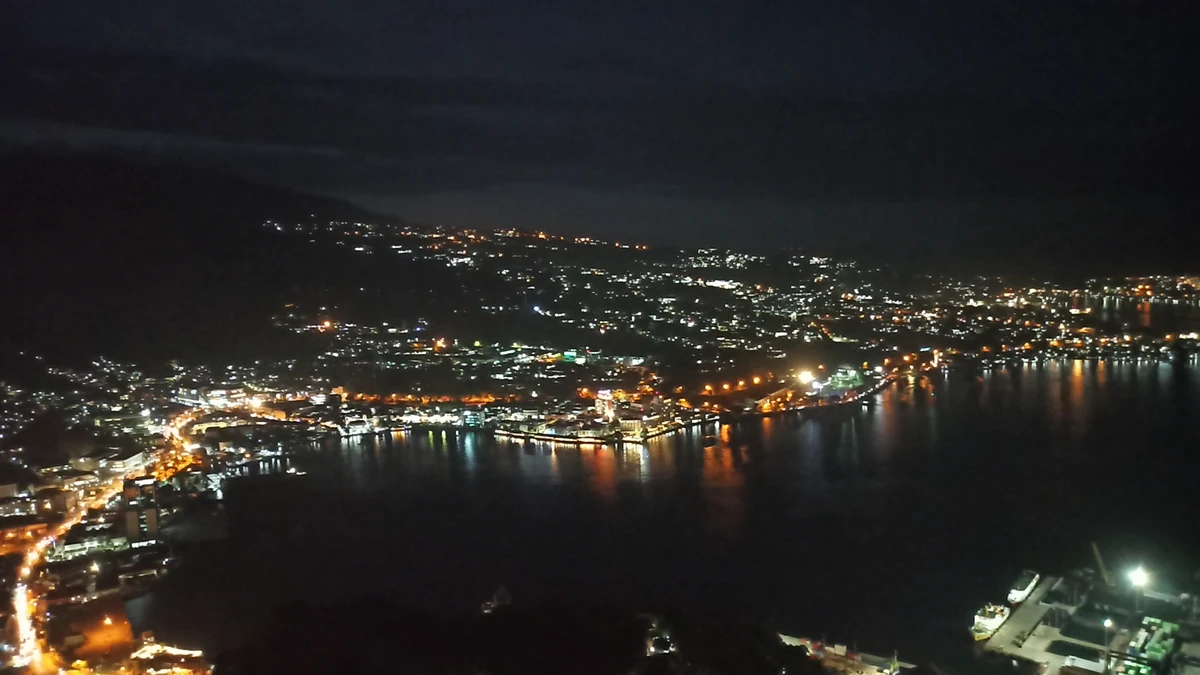
Jayapura cruise port offers a rare view of Indonesia’s far east. The city is the capital of Papua province, set between steep green hills and Yos Sudarso Bay, with Lake Sentani and distinctive regional cultures beyond the urban area.
This is not a polished walk-off resort port. The harbour is commercial, attractions are spread out and independent English-language tourism services are limited. A pre-arranged guide turns those constraints into a strong day; arriving without transport and hoping to negotiate a complex route at the gate does not.
Jayapura Cruise Port at a Glance
| Port name | Jayapura Cruise Port |
|---|---|
| Main arrival area | Jayapura Port on Yos Sudarso Bay, close to the central city but within a working commercial harbour |
| Cruise region | Asia |
| Country / Territory | Indonesia |
| Currency | Indonesian rupiah (IDR) |
| Languages | Indonesian; Papuan languages are widely spoken, while English is limited outside tourism services |
| Port role | Regional capital and cultural gateway to northern Papua and Lake Sentani |
| Disembarkation | Usually docked at Jayapura’s working port; controlled shuttles or port transport may be required |
| Walkability | Low beyond the immediate port area because of traffic, heat, hills and spread-out attractions |
| Shuttle required | Often required or strongly advisable because the commercial port is not designed as a walk-off sightseeing district |
| Main transport | Ship coaches, pre-booked guides, taxis, private cars, minibuses and local boats |
| Best first-time plan | Use a pre-booked guide for Lake Sentani and one cultural stop, returning through central Jayapura with a wide margin |
| Main caution | Independent transport and English-language tourism infrastructure are limited, while traffic and port controls can lengthen the return |
Weather & Best Time to Visit Jayapura
Jayapura is hot, humid and rainy throughout the year, with no cool sightseeing season. Rainfall varies by month, but a dry-looking morning can still develop into a heavy shower or thunderstorm. The practical weather question is whether roads, visibility and small-boat conditions remain workable, not whether the day will feel warm. Check the current forecast and the separate marine outlook before the call. Heavy tropical rain, thunderstorms and sea conditions can affect roads, viewpoints, local boats and the ship’s port operation.
| Month / season | Typical high | Typical low | Rain / conditions |
|---|---|---|---|
| December–March | 31°C | 24°C | Very humid, with frequent heavy showers and thunderstorms |
| April–June | 31°C | 24°C | Hot and wet, with variable breaks in the rain |
| July–September | 30°C | 23°C | Often somewhat less wet, though showers remain common |
| October–November | 31°C | 24°C | Humidity and rainfall increase, with sudden downpours possible |
December to March
Carry a light waterproof layer and protect electronics even if the ship docks in sunshine. Lake roads and viewpoints can become slower during intense rain.
April to June
Plan a flexible sequence in which the museum or city can replace an exposed viewpoint. Heat and humidity still require water and air-conditioned breaks.
July to September
This can be a more comfortable period for Lake Sentani, but it is not reliably dry. Check the marine and city forecasts rather than assuming the season removes rain risk.
October and November
Allow extra road time and keep a short city fallback. Sudden rain can reduce visibility from hill viewpoints and make small-boat boarding less attractive.
Arriving at Jayapura Cruise Port
The official Pelindo port page identifies Jayapura as a working regional port rather than a dedicated cruise complex. Follow the ship’s instructions on shuttle buses, passport control and the point where private guides may meet passengers.
The city centre is geographically close, but port roads, security and heavy traffic make distance a poor guide to walking time. Use controlled transport if offered, and do not assume a driver can collect directly beside the gangway.
The Jayapura passenger-terminal information provides useful local context, although cruise arrangements can use a different controlled route. Save the ship agent’s contact and the exact port gate offline before leaving.
Lake Sentani
The official Lake Sentani destination guide presents the lake as one of the region’s defining landscapes. It lies west of Jayapura near the airport and is normally reached by a substantial road transfer rather than a quick city taxi ride.
A useful excursion combines a lake viewpoint, one lakeside or island community arranged through a responsible guide and a measured cultural stop. Do not treat every photographed stilt village as freely accessible; permission, local relationships and boat arrangements matter.
If a boat is included, confirm lifejackets, shade, boarding method and the exact return point. Tropical rain can arrive quickly, and the road back to Jayapura should begin with enough margin for traffic through the urban corridor.
Papua State Museum
The official tourism description of the Papua State Museum makes it one of the most useful cultural stops for a short call. Collections can help passengers understand regional carving, textiles, boats, ritual objects and the diversity of communities across Papua.
Opening hours and gallery access should be confirmed close to the call. A guide adds value because English interpretation may be limited and because objects should be explained without collapsing many distinct peoples into one generic “Papuan culture”.
The museum works particularly well as a weather fallback or as the cultural half of a Lake Sentani day. It is more informative than a chain of souvenir stops and usually easier to time than a remote village visit.
Central Jayapura, Hamadi and Youtefa Bay
The official Jayapura destination overview introduces the city as the main urban gateway to Papua. Central Jayapura has markets, waterfront views and everyday commercial life rather than a compact colonial sightseeing quarter.
Hamadi and the Youtefa Bay area provide different views of the city and the red Youtefa Bridge. Use a driver who understands the cruise deadline, because a scenic loop can become slow when traffic builds around markets and junctions.
A short call is better served by one viewpoint, one cultural stop and lunch than by trying to cross the entire city. Street photography should be respectful: ask before photographing individuals, market traders or sensitive locations.
Viewpoints and the City’s Steep Geography
Jayapura’s hills produce dramatic views over the bay, but roads can be steep and viewpoints may have uneven surfaces. Ask whether the vehicle reaches the viewing platform or whether a climb remains, especially after rain.
Cloud and heavy showers can remove the view quickly. Let the guide reverse the order of the day when the hills are clear in the morning, keeping the museum or city for later rather than following a rigid sequence.
Do not stop on an exposed roadside solely for a photograph. Use recognised viewpoints or safe pull-ins and keep valuables discreet when the group leaves the vehicle.
Independent Travel or Organised Excursion?
Central Jayapura can be explored with a taxi, but the strongest attractions require local knowledge, reliable transport and clear communication. For a first call, a ship excursion or verified private guide is the sensible choice.
An independent booking should specify the port gate, vehicle, guide language, inclusions and return time. Confirm that the operator is planning for a cruise ship rather than an airport or hotel pickup, because port controls change the first and final stages.
Remote inland areas should not be added casually. Travel permissions, road conditions, cultural protocols and journey times can differ from the city and Lake Sentani. Use the call for a focused introduction rather than presenting it as an expedition into the highlands.
Transport, Traffic and Return Timing
Jayapura traffic can be slow around the centre and the road towards Sentani. Build the route backwards from the ship deadline and place the most distant stop first. The final hour should be close to the city and the confirmed port entrance.
Agree whether a driver waits at each stop and whether parking fees are included. A vehicle disappearing to find another fare can remove the return margin, particularly at Lake Sentani or a museum outside the immediate centre.
Keep the port card, guide number and ship contact offline. Mobile data can be inconsistent, and a general map pin may lead to the wrong gate inside a large working harbour.
Payments, Food and Practical Services
Carry Indonesian rupiah in modest notes for local purchases, entrance fees and tips. Cards may work in larger hotels and shops, but they are not a reliable basis for markets, small boats or community visits.
Papuan and Indonesian food can include grilled fish, sago, rice dishes and strong chilli. A guide can choose a reputable restaurant able to serve within the schedule and explain ingredients. Carry bottled water and avoid uncooked food if hygiene is uncertain.
ATMs are available in the city, yet the port day should not depend on finding one after arrival. Bring essential medicine from the ship and protect it from heat and rain.
Culture, Photography and Responsible Visiting
Papua is culturally diverse, and visitors should avoid presenting one performance, carving style or village as representative of the whole region. Use guides who name the community and explain what is public, private or ceremonial.
Ask before photographing people, homes, markets or religious activity. A paid visit does not create unrestricted permission. Purchase crafts from recognised sellers and ask about materials where wildlife or protected species could be involved.
A small, well-managed community encounter is preferable to a staged itinerary that treats residents as a succession of photographs. Listen, allow time for explanation and do not pressure a guide to enter an area without prior agreement.
Mobility and Accessibility
The working-port environment and vehicle transfers create the first barrier. Ask whether a lift-equipped shuttle is available and whether the guide can collect mobility equipment at the authorised gate.
Lake boats, rough paths and hill viewpoints may be unsuitable for wheelchairs or poor balance. A city-and-museum route can still provide a worthwhile introduction, with vehicle-based views over the bay and planned accessible toilets.
Heat and humidity can be draining even on a mostly seated tour. Keep the number of stops low, use air conditioning between them and avoid long periods standing in markets or exposed viewpoints.
Jayapura Cruise Port Timing
For Lake Sentani, leave the port as soon as clearance allows, complete the farthest stop first and begin the return before the city’s traffic becomes the deciding factor. Keep lunch and the final cultural stop on the Jayapura side of the route.
For a city day, use the museum or an agreed viewpoint first, then move through Hamadi or the waterfront. Finish near the port rather than adding a late shopping stop in a congested district.
The operator should state when the vehicle will reach the port gate, not merely when the sightseeing ends. Security, shuttle boarding and the walk to the ship still remain after the road journey.
CruisePing Recommended Jayapura Port Day
Pre-book a knowledgeable guide and travel first towards Lake Sentani for a viewpoint and one responsibly arranged lakeside experience. Return through the Papua State Museum, then use central Jayapura for lunch or a short waterfront stop.
If rain or traffic makes the lake impractical, stay in the city: museum, Youtefa Bay views, a market or craft stop and a local meal. This is a better fallback than forcing a long transfer whose scenery is hidden by cloud.
Return to the authorised port gate early. Jayapura rewards curiosity and good local interpretation, not a crowded list of stops assembled after disembarkation.
Common Jayapura Cruise Port Mistakes
- Assuming the commercial port is a simple walk-off terminal.
- Arriving without a guide and expecting a developed cruise-tour market at the gate.
- Treating Lake Sentani as a short city stop.
- Adding remote inland travel without checking permissions and road times.
- Photographing people or community spaces without asking.
- Relying on cards instead of carrying Indonesian rupiah.
- Ignoring tropical rain because the morning begins clear.
- Returning to the port at the final possible time despite traffic and security controls.
Choosing and Briefing a Local Guide
A useful Jayapura guide does more than translate. The guide should understand port access, current traffic, community protocols and the difference between a short cultural visit and a long regional journey. Ask for a proposed route with real driving time before accepting the booking.
The operator should name the vehicle, pickup gate and guide language. Confirm whether entrance fees, local boats and community payments are included. A vague promise to arrange everything on the day gives the passenger little control over time or cost.
Share mobility, food and photography preferences before arrival. This allows the guide to choose an appropriate lakeside stop or museum route rather than discovering at the first landing that the group cannot use the planned boat.
Lake Sentani Boat Choices
A Lake Sentani visit does not have to include a long boat circuit. A viewpoint and short, pre-arranged water transfer may provide enough context while keeping the road return manageable.
Ask whether the boat has shade, fixed seats and correctly sized lifejackets. Boarding from a low jetty can be difficult after rain, and an informal craft should not be accepted merely because the lake appears calm.
Community visits should be agreed in advance. The guide should explain whether photography, craft purchases or local contributions are appropriate and should avoid arriving with an unannounced cruise group.
Health, Heat and Tropical Conditions
Jayapura’s humidity can affect passengers quickly. Use air conditioning between stops, drink sealed water and avoid scheduling a long exposed market visit immediately after a boat or hill viewpoint.
Mosquito protection is sensible around lake and vegetated areas. Follow current travel-health advice before the cruise and carry personal medication from the ship; do not rely on finding a familiar brand locally.
Heavy rain can flood low sections of road or slow traffic without closing the port. A good guide will shorten the farthest stop early rather than hoping to recover time near the gangway.
What a Short Jayapura Call Can Still Deliver
A shorter call can combine the Papua State Museum, one safe city viewpoint and lunch. This gives cultural and geographic context without presenting a rushed drive to Lake Sentani as essential.
If port clearance is delayed, keep the route on the Jayapura side of the urban area. Use Hamadi or Youtefa Bay only when the driver confirms the return road remains clear.
The measure of success is not the distance travelled. A well-explained museum visit and view over Yos Sudarso Bay can be more revealing than several hours inside a vehicle.
Before leaving the port, ask the guide to identify the final fuel, toilet and cash stop. These practical details are limited outside the central corridor and should be settled before the route reaches a lakeside road or community landing. Carry tissues and hand sanitiser because facilities may be simple, especially away from central Jayapura and established visitor sites during a long excursion day with limited alternatives nearby.
Jayapura Cruise Port Checklist
- Confirm the port gate and shuttle arrangement.
- Pre-book a guide and vehicle.
- Choose Lake Sentani or a city-focused route.
- Carry Indonesian rupiah and water.
- Ask before photographing people.
- Check rain and marine forecasts.
- Confirm boat lifejackets if using Lake Sentani.
- Keep the final stop close to Jayapura.
- Save the guide and ship contacts offline.
Useful Official Links
Use these official pages for port context, Lake Sentani, cultural attractions and current weather. Ship instructions remain primary for gate access and local transfers.
- Pelindo: Port of Jayapura
- Pelindo: Jayapura passenger terminal
- Official Indonesia travel guide to Jayapura
- Official guide to Lake Sentani
- Official guide to Papua State Museum
- BMKG forecast for Jayapura
- BMKG marine forecast for Jayapura waters
Jayapura Cruise Port FAQ
Do cruise ships dock in Jayapura?
Calls normally use the working port, but berth, shuttle and gate arrangements are ship-specific.
Can I visit Lake Sentani in a port day?
Yes with pre-arranged transport and a conservative return. It is not a short walk or quick city taxi ride.
Is Jayapura easy to explore independently?
The centre can be visited by taxi, but a guide is strongly recommended for a meaningful and reliable first visit.
What currency is used?
Indonesian rupiah. Carry cash for small purchases, local transport and fees.
Is English widely spoken?
English is limited outside selected tourism services, making a guide useful.
Is the port suitable for limited mobility?
The city-and-museum plan may work with advance arrangements, while boats, hills and port transfers require individual checks.
CruisePing Port Verdict
Jayapura cruise port is valuable because it feels unlike a conventional resort call. The city, Lake Sentani and museum offer an introduction to Papua that depends on good interpretation and disciplined logistics.
CruisePing would book a local guide, keep the route culturally focused and return through the city early. The aim is understanding, not claiming to have explored an enormous region in a few hours.
Ready to browse our article library?
Looking beyond Jayapura? Explore more ports in the Asia region, or narrow it to Indonesia in particular. For cruise comparisons, planning shortcuts and value guides, head over to our main article archive.