
Kaikoura cruise port is a tender call beneath the Seaward Kaikoura Range, with ships normally using South Bay Marina or, on some calls, North Wharf. The town is small, but the marine wildlife choices are unusually significant because deep water lies close to shore.
For a first visit, the best organised option is a whale-watch boat with a cruise-safe return. The best DIY alternative is a selected section of the Kaikoura Peninsula Walkway, the town and a carefully observed seal colony. Do not try to combine a full marine trip, the entire peninsula and a long lunch: choose wildlife at sea or a strong coastal day and do it properly.
Kaikoura Cruise Port at a Glance
| Port name | Kaikoura |
|---|---|
| Main arrival area | South Bay Marina for many tenders; North Wharf may be used on some calls |
| Cruise region | Australasia / Pacific Islands |
| Country / Territory | New Zealand |
| Currency | New Zealand dollar (NZD) |
| Languages | English and te reo Māori |
| Port role | Day Call |
| Disembarkation | Tender |
| Walkability | Good after the shuttle reaches town; selected peninsula sections are walkable |
| Shuttle required | Usually yes from South Bay or North Wharf to central Kaikoura |
| Main transport | Cruise shuttle, operator pickup, wildlife boat, taxi, walking and scenic flight |
| Best first-time plan | Whale-watch boat if sea conditions and timing are strong; otherwise DIY peninsula, seals and town |
| Main caution | Marine weather can cancel or delay wildlife trips, while the tender and shuttle still control the return |
South Bay Marina is the main tender point
Tourism New Zealand identifies South Bay Marina as a common tender facility and the launching point for major water-based operators; North Wharf is a second possible landing used according to ship and conditions.
Check the ship’s daily notice before following any saved map. A tour operator may collect directly from the landing by prior arrangement, while other passengers use a short shuttle into town.
DIY or organised tour? Organised for whales, DIY for the coast
Book an organised trip only when it unlocks the marine environment. Whale watching, albatross encounters, dolphin activity and scenic flights need specialist vessels, wildlife knowledge and weather decisions.
The town, peninsula viewpoints and seal areas are better explored independently. A generic coach tour that simply drives between the coast and shops is weaker than either a proper wildlife trip or a thoughtful DIY walk.
Whale Watch Kaikoura is the first organised choice
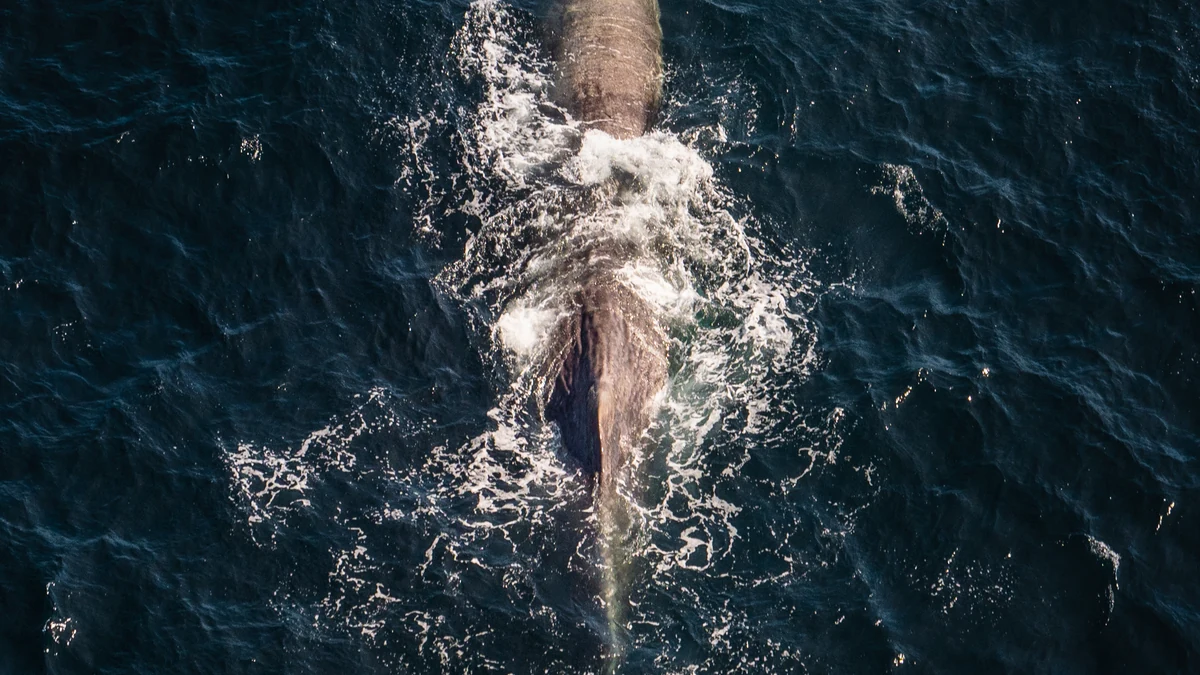
Whale Watch Kaikoura operates from South Bay and is the port’s most distinctive headline experience. Sperm whales are the principal attraction, with other cetaceans and seabirds possible rather than guaranteed.
Choose a ship excursion when the call is short or tender reliability is doubtful. A direct local booking can offer the same core experience, but only when the operator has your ship details, accommodates late tendering and schedules a return well before all-aboard.
Wildlife is never guaranteed
Kaikoura’s undersea canyon supports exceptional marine life, but animals remain wild. A successful trip should be judged by the whole experience, responsible search methods and interpretation rather than by a promise of one perfect tail photograph.
Read the operator’s current cancellation and refund terms. Do not book with anyone presenting sightings as certain, and do not treat a weather cancellation as evidence that a less cautious operator would have been better.
Sea sickness is a real planning factor
The vessel operates in open Pacific water rather than a sheltered harbour cruise. Even on a sunny day, swell can affect passengers who rarely become ill on large ships.
Take appropriate medication in time, follow medical advice and eat sensibly before boarding. Passengers who are highly motion-sensitive should choose the peninsula or a scenic flight rather than hoping the sea will remain flat.
An albatross trip is the better specialist alternative
The official Albatross Encounter focuses on pelagic birds and can reveal a broader marine ecosystem than a whale-only mindset suggests.
Choose it when seabirds are a genuine interest or the timing works better than the whale boat. It is not a lesser excursion for a birdwatcher, but it should replace rather than accompany another long marine trip.
Dolphin swimming is not the default recommendation
A dolphin-swim product can be memorable, but cold open water, wetsuit use, boat ladders, active swimming and changing conditions make it more demanding than the promotional photographs imply.
Book only when swimming confidence and fitness are strong, and disclose medical concerns. For most cruise passengers seeking marine wildlife, the whale boat provides a better balance of distinctiveness, comfort and predictable duration.
A scenic flight solves time and motion problems
Fixed-wing and helicopter flights can show whales, coastline and the mountain-to-sea geography within a shorter operating window than a boat. They also avoid sea sickness.
The trade-off is price, aircraft access and weather sensitivity. A short whale-watching flight is a strong premium choice when the call is limited, but we would still prioritise the boat for passengers who want fuller interpretation and time on the water.
The peninsula is the strongest DIY day
The Department of Conservation’s Kaikoura Peninsula Walkway links clifftop views, coastal terraces, wildlife and sites associated with Māori occupation and whaling history.
Do not assume the full route is necessary. The complete walk can take around three hours before shuttle and town time; select the section that begins near Point Kean or South Bay and use a taxi or shuttle to avoid retracing every kilometre.
Point Kean is the best short coastal stop
Point Kean provides sea views and access to the northern peninsula route without committing to the full circuit. It works well with central Kaikoura and a seafood lunch.
Use the car park and marked paths, keep well away from resting seals and do not walk onto exposed rocks merely for a closer photograph. This is wildlife habitat, not a petting area.
Seals need distance
New Zealand fur seals may rest close to paths and parking areas. Their apparent stillness does not make them tame, and they can move quickly when threatened.
Follow Department of Conservation distance guidance, keep dogs and food away and never stand between an animal and the sea. A respectful observation is better than an intrusive close-up.
The full peninsula walk is only for a long call
A fit passenger can combine South Bay, clifftop sections and Point Kean, but the route’s gradients, exposure and side stops make a rushed completion poor value.
Attempt the full route only with a generous call, suitable weather and a transport plan at one end. Otherwise walk the best northern or southern section and preserve time for town.
Fyffe House adds maritime history
Fyffe House sits near the peninsula and connects the modern wildlife destination with Kaikoura’s whaling past. It is a worthwhile addition for history-minded passengers when opening hours fit.
Do not build the whole day around an unverified opening. Combine it with Point Kean or the northern walkway, and skip it if a late tender has already compressed the day.
Kaikoura Museum is the best poor-weather anchor
The town museum provides context on earthquakes, local settlement, Māori history and the district’s relationship with the sea. It gives a rainy call more substance than café hopping alone.
Check current opening hours and place it around a meal or short town walk. We would choose the museum over a generic shopping stop when marine trips are cancelled.
Seafood is worth making time for
Kaikoura is closely associated with crayfish and other seafood. A good local lunch can be part of the destination rather than an interruption to sightseeing.
Choose a central or route-compatible venue and allow for cruise-day queues. Do not place a slow meal immediately before the last shuttle or after committing to a fixed wildlife departure.
Māori cultural context should not be reduced to a place name
Kaikoura’s landscapes and marine resources have deep significance to Ngāi Tahu and local hapū. A locally grounded cultural experience can explain relationships between land, sea, food and settlement beyond the wildlife-tour narrative.
Choose a recognised local provider or museum interpretation. Avoid a tour that uses Māori culture as a short decorative performance between unrelated coach stops.
Christchurch is the wrong cruise-day target
Christchurch is roughly a long road journey from Kaikoura and deserves its own port or land stay. Attempting it consumes the call, introduces road risk and discards the wildlife and coastal character directly beside the ship.
We would not recommend Christchurch from a normal Kaikoura call. Even repeat visitors are better served by the coast, mountains or a local food-and-history route.
Rental cars are unnecessary for a first visit
The recommended wildlife operators, shuttle, town and peninsula cover the strongest choices without car collection, unfamiliar driving or parking.
Hire a vehicle only for a deliberate inland or wider-coast route and pre-book it. For a first call, walking plus one taxi is simpler and leaves more usable time.
Marine weather determines the day
MetService’s Kaikoura marine forecast is more important to a boat excursion than the town temperature alone. Wind direction, swell and visibility can change an operator’s decision even when the harbour looks calm.
Keep the peninsula and museum as a ready fallback. Do not wait onboard for perfect certainty if a safe land day is available.
Cold and sun can occur together
The mountains, ocean and exposed headlands create rapidly changing comfort. Strong ultraviolet exposure can accompany cool wind, and a boat deck may feel colder than central town.
Carry layers, waterproof protection and sun protection. Footwear should suit wet marina surfaces as well as gravel coastal tracks.
Accessibility differs by activity
The tender is the first barrier. Whale boats, aircraft and coastal paths then introduce different steps, seating and toilet arrangements.
Ask for the complete transfer chain before booking. A shuttle into town, museum, waterfront and scenic drive can make a satisfying day for passengers unable to manage the boats or peninsula slopes.
What to skip in Kaikoura
Skip Christchurch, skip a full peninsula walk after a long whale trip, skip an unprotected late marine departure and skip approaching seals closely. We would also skip a generic coach that never gives meaningful time to wildlife or the coast.
Choose one headline: marine wildlife or peninsula landscape. Add town and food around it rather than treating every option as compulsory.
Protect the tender return
A wildlife vessel reaching South Bay is not the final step. Passengers still need to disembark, collect belongings, reach the ship tender and possibly wait for loading.
Select an excursion with a clear margin and return to the designated landing rather than assuming the central shuttle stop is enough. Use spare time near the marina or town, not on one final distant viewpoint.
Tour check-in must account for tender order
A published boat departure can be realistic for the first tender group and impossible for passengers receiving a later ticket. The ship’s clearance, tender loading and shuttle or operator pickup all sit before the wildlife check-in.
Use a ship excursion when the departure is early. For an independent booking, tell the operator the vessel name and ask for the latest acceptable arrival rather than assuming the printed time will be flexible.
South Bay and North Wharf need different return plans
A passenger landed at South Bay should not assume every return shuttle or operator vehicle serves North Wharf, and vice versa. The two facilities sit on different sides of the peninsula.
Photograph the ship notice, keep the landing name in your phone and tell a taxi the exact cruise collection point. Returning to a waterfront that merely looks like the right harbour is not enough.
Aerial wildlife viewing has a smaller environmental footprint at the site
Flights avoid placing another vessel beside an animal and can reveal canyon, mountains and coastline in one view. They also provide a useful option for passengers with severe sea sickness.
The aircraft still has noise, weather and operational constraints, and wildlife can be difficult to see from every seat. Choose the flight for perspective and time efficiency rather than a guaranteed close encounter.
The town centre is compact but should not be rushed
Independent passengers can browse local galleries, cafés and shops without transport once the shuttle reaches Kaikoura. The town works particularly well between a morning activity and the final return.
Keep retail secondary to the coast or wildlife. One well-timed meal and a short central walk are better than abandoning a peninsula section because shopping took longer than expected.
Earthquake history explains the modern coastline
The 2016 Kaikoura earthquake lifted parts of the coast and disrupted road and rail connections. Museum interpretation and visible coastal change add a recent geological layer to the much older landscape.
This context makes a land day more than a consolation for a cancelled boat. Include the museum or local interpretation when weather keeps marine operators ashore.
Food outlets can become a timing bottleneck
Crayfish vans and popular seafood venues may attract both cruise passengers and road visitors. Queues can expand rapidly when a boat tour returns.
Order early, choose takeaway when necessary and do not wait for one famous venue if the shuttle deadline is approaching. The local food matters, but no meal is worth missing the tender.
CruisePing Recommended Port Day
Book a morning whale-watch boat through the ship when the call is short or sea conditions create uncertainty. When booking locally, obtain written confirmation that the operator handles cruise tender delays and returns you to the correct landing with a generous margin. After the boat, use only the time that remains for town and seafood. Carry a land fallback in the same booking notes so a cancellation leads immediately to the peninsula rather than to lost time.
For motion-sensitive passengers or a cancelled marine trip, take the shuttle into town, use a taxi to Point Kean and walk a selected peninsula section back towards Kaikoura. Add the museum or Fyffe House if open. This DIY fallback is strong enough that there is no need to buy a weak substitute coach tour. When visibility is good but the sea is unsuitable, consider a short scenic flight instead of waiting for a boat that is unlikely to operate. Do not book both a flight and a full coastal walk unless the call is unusually long; the town, food and return shuttle still deserve space.
Weather & Best Time to Visit Kaikoura
| Month / season | Typical high | Typical low | Rain / conditions |
|---|---|---|---|
| December–February | 21°C | 12°C | Mild to warm, bright and changeable; marine wind remains important |
| March–May | 17°C | 8°C | Cooler, often settled periods with rapidly changing sea conditions |
| June–August | 13°C | 4°C | Cool, possible snow on the ranges and cold boat decks |
| September–November | 17°C | 8°C | Spring changeability, strong UV and variable wind |
Kaikoura’s ocean and mountains make conditions highly local. The town may be usable when whale boats are cancelled, so check both the land forecast and the marine forecast. Check the current official forecast before finalising the day.
Frequently Asked Questions
Where do cruise tenders land in Kaikoura?
South Bay Marina is a common landing, while North Wharf may be used on some calls. The ship usually provides or coordinates a short shuttle.
Should you book whale watching through the ship?
Use the ship excursion when timing is tight. A local booking can work when the operator explicitly handles cruise tenders and returns well before all-aboard.
Can Kaikoura be explored without a tour?
Yes. The town, museum, Point Kean and selected peninsula sections form an excellent DIY day.
Is the full peninsula walk realistic?
Only on a long call with suitable weather and transport at one end. Most cruise passengers should choose the best section rather than completing the whole route.
Can you visit Christchurch from Kaikoura?
Technically by road, but we strongly advise against it on a normal cruise call because it wastes Kaikoura and creates a fragile long return.
Useful Official Links
- Tourism New Zealand: Cruise to Kaikoura
- Whale Watch Kaikoura
- DOC: Kaikoura Peninsula Walkway
- Kaikoura official tourism website
- MetService: Kaikoura
CruisePing Port Verdict
Kaikoura deserves a decisive plan. A responsibly timed whale-watch boat is the standout first experience; a DIY peninsula-and-town day is the equally credible land choice. Avoid diluted coach touring, distant Christchurch and any itinerary that treats open-ocean timing as predictable. The port is strongest when passengers let weather choose the activity rather than forcing a prepaid plan. Marine operators who cancel responsibly, a well-chosen peninsula section and a local meal can all produce a memorable day without unnecessary distance. That flexibility is a strength. Choose accordingly. The best choice is the one the sea safely permits that morning. Choose wisely.
Ready to browse our article library?
Looking beyond Kaikoura? Explore more ports in the Australasia / Pacific Islands region, or narrow it to New Zealand in particular. For cruise comparisons, planning shortcuts and value guides, head over to our main article archive.