
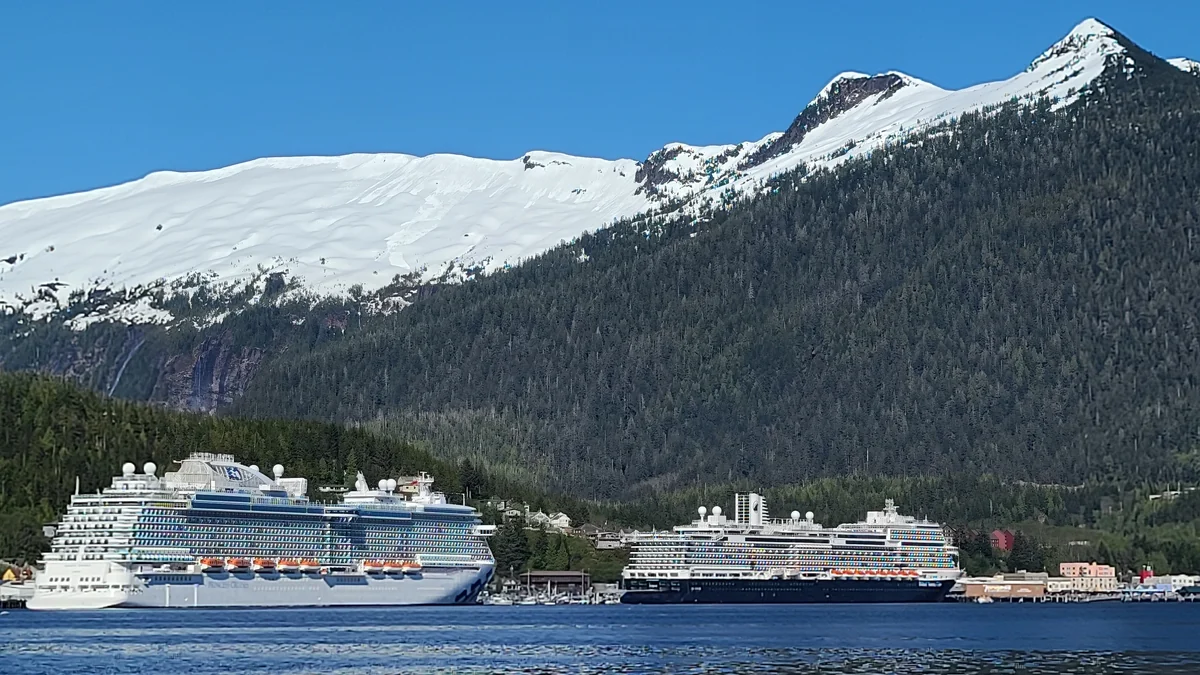
Ketchikan cruise port is both an easy Alaska port and a berth-dependent one. Four city cruise berths line the downtown waterfront, placing passengers close to Creek Street, museums and shops. Ships assigned to Ward Cove use a separate facility north of town and a shuttle journey that must be included in every independent plan. The attraction list is the same, but the usable day is not.
The best Ketchikan call combines one substantial choice—Misty Fjords, wildlife, fishing, totem heritage or a forest experience—with a compact downtown finish. Rain is part of the landscape, aircraft and boats are weather-dependent, and several ships can release thousands of passengers at once. Check the City of Ketchikan port information and the ship’s final berth assignment before deciding how much can be done independently.
Ketchikan Cruise Port at a Glance
| Port name | Ketchikan, Alaska |
|---|---|
| Main arrival area | Downtown berths I–IV or Ward Cove north of town |
| Cruise region | Alaska / North America / Canada |
| Country / Territory | USA |
| Currency | US dollar (USD) |
| Languages | English; Tlingit, Haida and Tsimshian cultural languages are important locally |
| Port role | Day call |
| Disembarkation | Docked |
| Walkability | Excellent from downtown berths; low from Ward Cove until shuttled |
| Shuttle required | Yes from Ward Cove; not normally from downtown berths |
| Main transport | Walking, Ward Cove shuttle, ship excursions, local tours, taxis, buses, boats and floatplanes |
| Best first-time plan | Book one weather-appropriate excursion, then walk Creek Street and the historic centre |
| Main caution | A Ward Cove return and poor weather can remove more time than the attraction map suggests |
First Confirm Downtown or Ward Cove
The city port and harbours department operates four berths along the downtown waterfront. From these, much of central Ketchikan is walkable immediately. Ward Cove is a privately operated cruise facility several miles north, used by selected ships. Passengers there normally rely on a complimentary shuttle to and from downtown, so the first and last parts of the day happen on a bus rather than on foot.
Do not use a generic “Ketchikan dock” pin when meeting an independent operator. Provide the ship name and berth. Ward Cove passengers should read the current shuttle and ship schedule, note the downtown drop point and identify the last safe return departure. A tour collected at Ward Cove may be more efficient than travelling into town first; a downtown tour may require the opposite.
Downtown Berths Make Ketchikan Exceptionally Walkable
Berths I–IV sit beside the visitor centre, shops and the lower town. Creek Street, historic stair streets, the Southeast Alaska Discovery Center and the Totem Heritage Center can be reached without a vehicle, though distances and gradients vary. The convenience makes it easy to keep the final hour near the ship and to adapt when rain or an excursion cancellation changes the day.
The drawback is crowd concentration. When several ships berth together, the immediate waterfront can feel like a corridor of jewellery and souvenir shops. Walk beyond the first blocks, start early or visit a museum while excursion groups depart. Ketchikan’s working fishing town, Indigenous cultures and forest setting are more interesting than the commercial frontage alone.
Ward Cove Changes the Shape of the Day
Ward Cove is a destination complex built around a former pulp-mill site. It can offer shops, food and tour departures, but it is not downtown Ketchikan. The shuttle transfer is commonly described as about twenty minutes each way in normal conditions, and queues can lengthen when a large ship disembarks. The effective call therefore loses transfer time at both ends.
If the main excursion departs from Ward Cove, take it there and visit downtown afterwards only if the shuttle schedule leaves a comfortable margin. If the excursion begins downtown, leave the ship promptly and allow for the queue. On the return, use an earlier shuttle than the theoretical last one. A full bus or road delay should be an inconvenience, not a threat to all-aboard.
Choose the Major Excursion Before the Downtown Walk
Ketchikan offers more meaningful excursion categories than one day can hold: Misty Fjords flightseeing or boating, salmon and wildlife viewing, fishing, totem and cultural experiences, rainforest walking and adventure activities. Decide which story matters most, then use downtown as the flexible part. Trying to add a second distant excursion usually creates duplicated transfers and little time at either place.
Book early for small aircraft, boats and limited-capacity wildlife trips. Read the physical requirements and cancellation policy. A weather-dependent excursion should have an acceptable fallback—museums, Creek Street, a city walk or a land-based cultural tour—so that cloud does not make the port feel wasted.
Misty Fjords Is the Signature Landscape Commitment
Misty Fjords National Monument protects steep granite walls, inlets, waterfalls and temperate rainforest southeast of Ketchikan. Floatplanes show scale quickly; boat trips provide longer water-level immersion but consume more of the call. Neither guarantees clear views. Flight routes and landing opportunities depend on weather, while boat itineraries depend on sea conditions and time.
Choose a reputable operator, disclose mobility or anxiety concerns and listen carefully to the safety briefing. Do not book a flight with a narrow connection to the last shuttle or gangway. The excursion should return with room for weather-related slippage. When cloud closes the monument, a responsible cancellation is better than a compromised flight.
Wildlife Excursions Need Realistic Expectations
Black bears, eagles, seals, whales and salmon are associated with the Ketchikan region, but sightings depend on season, tide, food supply and luck. Bear-viewing locations may involve boats, aircraft, vans and boardwalks, which makes the journey part of the time calculation. Ask what species is seasonally plausible on your date and whether the operator has a non-sighting policy.
Avoid tours that encourage crowding, feeding or close approach. Wildlife should be allowed to move normally, particularly around salmon streams. Binoculars improve the experience without pressuring the animal. A strong excursion interprets habitat and ecology even when the headline species remains hidden.
Totem Heritage Deserves More Than a Photo Stop
Ketchikan sits within the cultural region of Tlingit, Haida and Tsimshian peoples. Totem poles are not a single generic Alaska symbol; their stories, ownership and purposes vary. The Totem Heritage Center preserves older poles and cultural material, while Saxman and Totem Bight present other contexts. Choose a guided or well-interpreted visit that identifies whose story is being told.
The state’s Totem Bight State Historical Park lies north of town and needs transport. Saxman lies south and is normally visited on a tour. Do not attempt both plus Misty Fjords in one standard call. One cultural site, given enough time, provides more understanding than a sequence of poles viewed through a coach window.
Creek Street Is Worth Seeing but Not the Whole Port
Creek Street’s timber buildings stand above Ketchikan Creek and preserve the setting of the former red-light district. It is photogenic, easy to reach and busy when ships are in. Walk the boardwalk, read the local history and continue towards Married Man’s Trail or the salmon ladder when conditions and mobility allow. Wet boards and stairs require care.
The shops vary from local work to mass-produced souvenirs, so inspect labels and ask where items were made. The creek is especially interesting when salmon are running, but timing is seasonal. Arrive early or later in the day for more space, and do not block narrow sections for photographs.
Museums Turn Rain into Useful Time
The Tongass Historical Museum, Totem Heritage Center and Southeast Alaska Discovery Center provide different forms of context: town history, Indigenous cultural material and the wider national forest. Opening days and admission arrangements should be checked, particularly outside the busiest summer period. These are not merely wet-weather shelters; they make the rest of Ketchikan more legible.
Choose one or two rather than rushing all three. A museum before Creek Street helps explain what you are seeing, while a museum after an excursion can fill the time before the ship. Ward Cove passengers should include shuttle travel in the decision and avoid beginning a long indoor visit too close to the return bus.
The Tongass Rainforest Is Close but Not Automatically Easy
Ketchikan is surrounded by the Tongass National Forest, a wet coastal forest of spruce, hemlock, muskeg and streams. Short guided walks can reveal more than a distant coach view, especially when the guide explains plant life, salmon habitat and Indigenous use. Trails vary from boardwalks to mud and roots, and rain can make simple gradients slippery.
Check the Tongass National Forest information and the operator’s exact route. Waterproof outerwear is more useful than an umbrella on a forest trail. Passengers with limited mobility should ask about steps, boardwalk condition and distance from vehicle to viewpoint. A gentle forest walk and downtown afternoon can be a complete day.
Fishing Is a Full Excursion, Not a Quick Add-On
Ketchikan has a strong fishing identity, and charter trips may target salmon, halibut or other species according to season and regulations. A fishing excursion includes transfer, equipment, travel to grounds and return; weather can shorten or cancel it. Confirm what is included, whether a licence is arranged and how any catch processing works for travellers.
Choose fishing because you want the activity, not because it sounds like an easy way to see wildlife as well. The boat may be small, cold and exposed. Motion-sensitive passengers should prepare appropriately and disclose medical concerns. Leave enough time after the trip for the harbour transfer and ship security.
Public Buses and Taxis Work Best for Simple Routes
Local buses can connect downtown with selected north- and southbound areas, while taxis support direct transfers. They are most useful for one destination such as Totem Bight, not for a chain of attractions. Check current routes and frequency through local visitor information, and recognise that a busy ship day can create demand beyond normal capacity.
Ward Cove passengers already have a shuttle layer, so adding several public connections increases fragility. A private tour or ship excursion may be better value when it collects at the berth. Whatever the mode, know the return stop and allow for rain, road traffic and boarding queues.
Salmon Season Changes What You See in Town
Ketchikan Creek and nearby streams become especially interesting when salmon return, but the timing and strength of a run vary by species, weather and year. The salmon ladder and creek can be viewed within the downtown walking area, making them a useful addition rather than a separate excursion. Ask at the visitor centre what is actually happening on the call date instead of assuming that every summer visit will show fish filling the water.
Keep clear of anglers and do not enter closed banks or handle fish. Bears are not a normal downtown expectation simply because salmon are present. A guided stream or hatchery visit can explain the life cycle and the relationship between salmon, forest and community, but it should be chosen for interpretation rather than a guaranteed dramatic sighting. Outside the run, the creek walk still connects the historic district and surrounding hillside.
Ketchikan Still Works When Every Excursion Is Sold Out
A late booking does not condemn the call to pier shopping. From a downtown berth, build a route through the visitor centre, Creek Street, the salmon ladder, one museum and the waterfront. Add a local café and allow time to look at working boats and public art. This uses the town’s compact geography and can be adjusted minute by minute when rain strengthens or a site is busy.
Ward Cove passengers can follow the same plan after the shuttle, but should reduce the number of stops and return earlier. Check museum hours before leaving the facility and avoid joining a long attraction queue simply because it appears first. Ketchikan’s history, rainforest setting and cultural institutions can support a worthwhile independent day without a floatplane or coach, provided the berth transfer is respected.
CruisePing Recommended Port Day
For a first visit, book one half-day excursion that cannot be reproduced on foot—Misty Fjords, a cultural site, wildlife or a forest experience—then spend the remaining time downtown. Walk Creek Street, choose one museum and return through the historic centre. This gives Ketchikan both landscape or culture and the compact town that makes the port easy.
Downtown-berth passengers can place the excursion first and keep the final hours flexible. Ward Cove passengers should favour a tour collected at the facility or take the shuttle early, then return on a deliberately conservative bus. CruisePing recommends leaving a weather-dependent flight as the single major commitment, not pairing it with another distant booking.
Short Calls and Multi-Ship Days Need Restraint
On a short call, remain downtown or choose a berth-collected excursion with guaranteed return. Creek Street, one museum and a waterfront walk can fill several hours without dead time. A Ward Cove assignment makes a short call materially shorter, so calculate from the first realistic downtown arrival to the chosen return shuttle—not from the ship’s published port hours.
When four or more ships are present, queues affect shuttles, popular attractions and tour departures. Start with the booked element, reserve limited-capacity experiences and avoid eating lunch at the same time as every large excursion group. Ketchikan can absorb crowds if you move one block beyond the pier and do not insist on the busiest photograph at the busiest moment.
Rain Gear Is Part of the Port Plan
Ketchikan’s wet climate is not a reason to cancel ordinary walking. A breathable waterproof jacket, shoes with grip and a dry bag for electronics make the day easier. Umbrellas are awkward in crowds and wind. Pack layers because boats and viewpoints can feel much colder than the sheltered shopping streets.
Operators cancel when wind, cloud or sea conditions make an activity unsafe, not merely when it rains. Distinguish discomfort from operational risk. A rainy forest can be atmospheric; a low cloud base can stop flightseeing. Keep a land-based alternative and check refund terms before sailing.
Mobility and Accessible Planning Differ by Berth
Downtown streets are close to the docks but include slopes, kerbs, wet surfaces and boardwalk sections. Creek Street has stairs and narrow points, though parts can be approached more gently. Ward Cove adds bus boarding and walking through the facility. Ask the cruise line and operator about accessible vehicles and exact meeting distances.
Floatplanes, small boats and fishing vessels often have steps or narrow entries. A scenic coach, museum day or accessible cultural tour may provide a better experience than forcing an unsuitable activity. Confirm toilet access and seating, especially on longer boat or wildlife trips.
Food and Shopping Beyond the Pier Frontage
Ketchikan’s seafood, cafés and breweries can fit easily around a downtown walk, but queues form when several ships share lunch hours. Eat slightly early or late, and ask where seafood was sourced. Locally made art should identify the artist; Indigenous designs deserve particular care because authenticity and cultural ownership matter.
Alaska Native art and craft should not be treated as generic souvenir style. Buy from recognised galleries, artists or cultural organisations and ask questions respectfully. Keep purchases dry and confirm rules for food products before bringing them aboard. The visitor centre can help distinguish current local options from old online lists.
Weather & Best Time to Visit Ketchikan
Check the National Weather Service Ketchikan forecast close to arrival and use the excursion operator for marine or aviation decisions. Summer temperatures are mild rather than warm, rain is frequent and conditions can vary between downtown, exposed water and higher terrain. Cloud height matters more than rainfall alone for flightseeing.
May and June often provide long daylight and somewhat drier intervals; late summer and autumn can be wetter, though no month guarantees a dry call. Carry layers and waterproofs throughout the season. If a flight or boat is cancelled, move promptly to a museum, forest or walking plan before the whole ship does the same.
| Month / season | Typical high | Typical low | Rain / conditions |
|---|---|---|---|
| May–June | 16°C | 7°C | Long daylight; cool with frequent showers and some clearer spells |
| July | 18°C | 10°C | Mild, damp and busy; variable cloud for aircraft |
| August | 17°C | 10°C | Often wetter with good salmon-season interest |
| September–October | 13°C | 6°C | Cooler, wetter and increasingly changeable |
Practical Questions for a Ketchikan Cruise Call
How do I know whether I dock downtown or at Ward Cove?
Check final cruise documents and the current port schedule using your ship name. The assignment changes transport and usable time.
Is the Ward Cove shuttle free?
The facility normally provides a complimentary shuttle for its cruise passengers; verify the current schedule and last safe return.
Can I walk to Creek Street?
Yes from the downtown berths. From Ward Cove, take the shuttle into town first.
Will rain cancel my excursion?
Ordinary rain may not. Wind, visibility, sea state and aircraft operating limits are more decisive.
Should I book Misty Fjords in advance?
Yes. Boat and flight capacity is limited, and the excursion should be treated as the day’s major commitment.
Can I see bears in every month?
No. Wildlife location and activity are seasonal and never guaranteed; ask what is realistic for your date.
Useful Official Links for Ketchikan
Confirm the ship’s berth first, then use these sources for shuttles, cultural sites, forest information and weather.
- Port of Ketchikan
- Ketchikan Port and Harbors Department
- Ward Cove schedules and shuttle information
- Ketchikan visitor information
- Totem Bight State Historical Park
- Tongass National Forest
- Ketchikan Museums
- National Weather Service Ketchikan forecast
CruisePing Port Verdict
Ketchikan is one of Alaska’s most usable calls when the berth is known. Downtown passengers can step directly into the town; Ward Cove passengers must build around the shuttle. Both can have an excellent day by choosing one excursion with real depth and keeping Creek Street, museums and shopping as the flexible component.
Misty Fjords, Indigenous heritage, wildlife and rainforest are alternatives, not a checklist. Rain should be expected, while aviation and marine limits should be respected. The avoidable mistake is planning from a downtown map when the ship is at Ward Cove—or treating the last shuttle as a target rather than a boundary.
Ready to browse our article library?
Explore more ports in the Alaska / North America / Canada region, narrow the library to USA cruise ports, or return to the main CruisePing article library.