
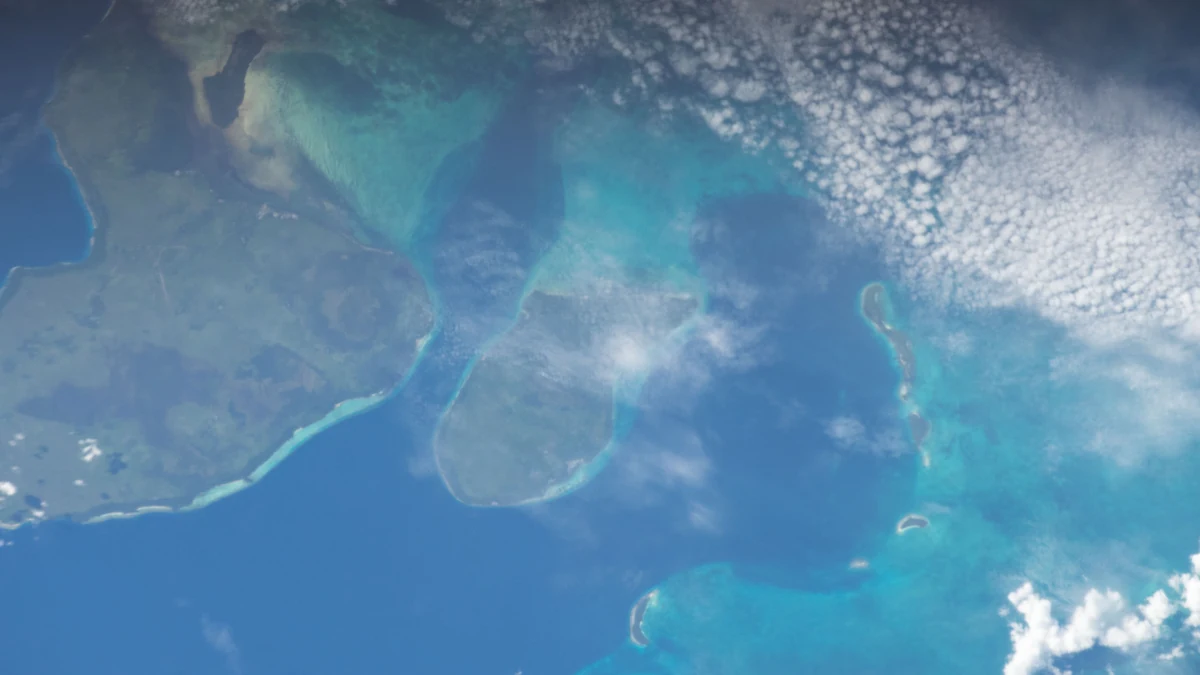
Kiriwina Island cruise port is a remote tender call in Papua New Guinea’s Trobriand Islands. Passengers commonly arrive at the small jetty near Kaibola, where a village market and cultural activity may form around the landing rather than behind a formal cruise terminal.
The best day is local and independent: walk through the hosted area, look carefully at carvings and yam-house architecture, and stay for community performances. A ship-organised cultural walk can improve understanding, but an island-wide DIY expedition towards Losuia is a poor idea. Distances, heat and almost nonexistent visitor transport make the landing community the right focus.
Kiriwina Island Cruise Port at a Glance
| Port name | Kiriwina Island |
|---|---|
| Main arrival area | Tender to Kiriwina Island Jetty near Kaibola; ship-specific variation is possible |
| Cruise region | Australasia / Pacific Islands |
| Country / Territory | Papua New Guinea |
| Currency | Papua New Guinean kina (PGK) |
| Languages | Kilivila and English |
| Port role | Day Call |
| Disembarkation | Tender to a small jetty or beach-side landing |
| Walkability | Good near the landing and village; unsuitable for casual island-wide exploration |
| Shuttle required | No |
| Main transport | Walking and ship-hosted cultural activities |
| Best first-time plan | DIY landing market, village walk and performances; join a locally led ship walk when offered |
| Main caution | There is no dependable tourist transport, ATM, medical support or guaranteed formal excursion programme |
Tenders normally use the Kaibola-side jetty
The map uses coordinates for the small landing near Kaibola rather than the centre of Kiriwina Island. Ships anchor offshore and transfer passengers by tender, although the exact beach or jetty handling can change with the vessel and sea.
Treat the ship’s landing instructions as authoritative. A pin can identify the normal arrival area, but it cannot guarantee that weather will allow the operation or that every ship will use precisely the same step ashore.
DIY or organised tour? Stay local and mostly DIY
Our recommendation is an independent village-and-market day. The interesting cultural material is normally brought close to the tender point, and there is no need to search for a coach or taxi.
Choose a ship-hosted cultural walk when it is genuinely locally led and explains social organisation, yam houses and carving. Do not buy an excursion whose main promise is simply transportation away from the community hosting the call.
The market is a central part of the port day
The official Papua New Guinea tourism guide to Kiriwina describes a cruise-stop setting of beach, traditional village life, handicrafts and dance. Residents may set out carved bowls, walking sticks, figures, woven pieces and other crafts near the landing rather than inside a conventional souvenir arcade.
Carry small kina notes, inspect workmanship and bargain gently if bargaining is invited. A fair purchase directly from a maker is more worthwhile than searching for the lowest possible price.
Yam houses need cultural explanation
Papua New Guinea Tourism’s cruise-planning guide describes the Trobriands’ long houses, carving and yam-centred cultural traditions. Yam displays are connected with status, exchange and community life rather than functioning as rustic storage for visitors.
Listen to a host or guide and avoid entering structures without permission. The sight becomes much more meaningful when passengers understand why yams carry social importance.
Dance and music are worth prioritising
When groups perform near the landing, stay for a complete sequence rather than treating it as background to shopping. The event may involve schools or community groups raising funds.
Follow guidance on where to stand, ask before close photography and contribute through the recognised collection or market. This is the organised element most likely to make the day memorable.
Photography needs active consent
Kiriwina is visually compelling, but homes, children, ceremonies and private activity are not automatically open subjects. A ship call can bring hundreds of cameras into a small community.
Ask before portraits, accept refusals and avoid handing out sweets or money solely to stage photographs. Wider market and landscape scenes are usually less intrusive than close images of individuals.
Losuia is not a sensible first-call target
Losuia is the island’s principal settlement and has historical and administrative importance, but it is not beside the normal Kaibola cruise landing. Informal road transport is limited and the journey can consume the call.
We would skip Losuia unless the cruise line operates a protected excursion. The local village experience is stronger than spending hours trying to reach a different settlement without dependable return transport.
Freshwater holes and burial caves require a recognised guide
Some island visits and longer stays include freshwater holes or burial caves. These places may carry customary restrictions and can involve rough ground, darkness or water hazards.
Do not walk off with an unverified guide merely because the site sounds exotic. Use a ship-arranged or clearly community-authorised visit, and accept that it may not be available during a short Kaibola call.
Swimming should remain close to approved areas
The coral-fringed coast can look ideal for swimming, but reef edges, currents, tender traffic and underwater hazards vary. There may be no lifeguard, marked channel or rescue service.
Use the area recommended by the ship and local hosts, wear reef shoes only where appropriate and avoid standing on coral. We would put village time first and treat swimming as an optional final activity.
No formal excursion does not mean nothing is happening
Cruise-line listings may show few or no bookable tours. On Kiriwina, the port experience is often organised socially rather than through an online excursion catalogue.
Go ashore prepared for a market, performances and short local walks. Do not dismiss the call because it lacks a coach itinerary; its value comes from direct contact and the unfamiliar scale of the community.
Cash preparation matters
There is no dependable ATM at the landing and card acceptance should not be expected. Small kina notes are useful for crafts, photographs where a formal fee is requested, refreshments and hosted activities.
Exchange money before reaching the island. Avoid displaying a large roll of cash and agree a price before accepting a local service.
Food and water should come from the ship
Local fruit or simple refreshments may be offered, but refrigeration, allergen labelling and treated drinking water are limited. Passengers with medical diets should remain self-sufficient.
Carry sealed water, essential medication and a suitable snack. Enjoy local food only when comfortable with the preparation and ship guidance.
Heat and tropical rain shape the visit
The Papua New Guinea National Weather Service provides national forecasts, while its coastal-waters forecasts cover Papua New Guinea’s island coasts. Humidity can make a short unshaded walk tiring, and rain can turn village paths slippery.
Use sun protection, carry water and bring a light waterproof layer. Do not move farther from the landing merely to avoid a brief shower.
Medical backup is extremely limited
The island cannot provide the rapid medical response expected in a major port. Heat illness, falls, allergies and tender injuries therefore deserve conservative prevention.
Carry personal medication ashore, remain with a companion when vulnerable and tell the ship team immediately if a health problem develops. Travel insurance should cover the itinerary’s remote calls.
Accessibility is difficult to guarantee
A small jetty may still involve tender steps, gaps, movement and uneven surfaces. Village ground can be sandy or rutted and formal accessible toilets may not exist.
Ask the cruise line for the exact landing assessment. A passenger who can transfer ashore may be able to enjoy the immediate market and performances without attempting a longer village walk.
Biosecurity and craft materials need checking
Wood, plant fibres, seeds, feathers and shell can attract restrictions later in the voyage. A locally legal object is not automatically permitted into Australia, New Zealand or another country.
Ask the ship before buying uncertain organic material and declare items when required. Never remove coral, plants or archaeological material from the island.
What to skip on Kiriwina
Skip searching for a taxi, skip an improvised Losuia journey, skip unhosted access to caves or private homes and skip aggressive bargaining. Those choices create risk without improving the cultural experience.
The worthwhile day is already at the landing: people, performance, carving, architecture and a carefully managed shoreline.
Return before the final tender crowd
Most passengers remain within walking distance of the same small landing, so the queue can grow quickly when a performance ends or weather worsens.
Return purchases, drinking water and belongings to one bag, then join an earlier tender. The final craft should remain an emergency boundary rather than the plan.
A locally led walk should identify its community purpose
Some guided activity may support a school, church, family group or village project. Understanding who organises the walk helps passengers pay through the intended channel and avoids creating competition around the landing.
Ask the ship team where fees or donations should go. Do not peel away from an established group because another person offers a cheaper private route.
Gifts should not be handed out casually
Passengers sometimes arrive with sweets, pens or clothing intending to help. Uncoordinated distribution can create crowding, unfairness and expectations, particularly around children.
Use the cruise line’s agreed community channel or ask local leaders what is useful. Buying a craft or contributing to a recognised programme is generally more respectful than handing objects to whoever approaches first.
The landing can feel busier than the island
The official Milne Bay Province guide places the Trobriand Islands within a much wider maritime region. A large ship nevertheless concentrates visitors, sellers and performers around one small jetty, so the first few metres ashore may feel more commercial or crowded than the wider village.
Move calmly beyond the densest market area with an accepted guide, then return later for purchases. Do not judge the whole island from the tender queue.
School visits need prior coordination
A school may perform or welcome visitors, but classrooms and children are not automatically open to independent entry. Unplanned visits can disrupt teaching and create safeguarding concerns.
Join only a ship-arranged or community-authorised visit. Ask before photographing pupils and make any contribution through the school or cruise representative rather than to individual children.
A late landing should remain a local call
When tendering starts behind schedule, Losuia, caves and inland water sites become even less realistic. The correct adjustment is to protect the market, performance and nearby village rather than compressing a longer plan.
Tell any local guide the revised final tender and remain within an easy walk of the jetty. The core Kiriwina experience survives a shortened call.
CruisePing Recommended Port Day
Go ashore early, spend time at the market and stay for the full community welcome or dance programme. Join a short locally led village walk if the ship has coordinated one, paying particular attention to carving and yam-house architecture. Keep the day within easy reach of the Kaibola landing. Ask one guide or host to explain the meaning of what you are seeing rather than moving between unrelated offers.
Do not attempt Losuia, burial caves or a distant freshwater site independently. If no organised cultural walk is offered, DIY is still the correct choice: market, village edge, approved swimming and an early tender back. Keep the first and final thirty minutes close to the jetty, where performances, craft purchases and tender information are easiest to manage. This removes the weakest transport links from the plan.
Weather & Best Time to Visit Kiriwina Island
| Month / season | Typical high | Typical low | Rain / conditions |
|---|---|---|---|
| May–October | 29°C | 23°C | Warm with generally lower rainfall, though showers remain frequent |
| November–April | 31°C | 24°C | Hotter, wetter and more humid; thunderstorms and tropical systems possible |
| Year-round coast | Warm | Warm | Sea state and heavy showers can affect tendering |
Kiriwina is hot and humid throughout the year. Rain, swell and lightning are more operationally important than small seasonal temperature changes. Check the current official forecast before finalising the day.
Frequently Asked Questions
Where do cruise passengers land on Kiriwina Island?
Many calls use the small jetty near Kaibola, although the ship may adjust the exact tender landing.
Do you need a tour on Kiriwina Island?
No. The market, performances and nearby village can be enjoyed independently. A locally led ship cultural walk can add valuable interpretation.
Can you visit Losuia from the cruise landing?
We do not recommend it independently. Use only a protected ship excursion with confirmed transport and return.
What money should you bring?
Bring small Papua New Guinean kina notes. Do not expect an ATM or reliable card payment.
Can you swim near the landing?
Sometimes, but use only the area recommended by the ship and local hosts because reef, current and tender conditions vary.
Useful Official Links
- MSC Cruises: Kiriwina
- Papua New Guinea Cruise Planner
- PNG National Weather Service
- PNG coastal waters forecasts
CruisePing Port Verdict
Kiriwina Island is best understood as a hosted community landing, not as an underdeveloped conventional port. Stay near Kaibola, buy carefully, listen to local explanation and avoid trying to turn the call into a long island transfer. Give the community programme time to unfold, keep transactions simple and use the ship’s agreed arrangements for guiding, gifts and payments. That approach is both safer and more respectful than trying to purchase a private adventure at the jetty.
Ready to browse our article library?
Looking beyond Kiriwina Island? Explore more ports in the Australasia / Pacific Islands region, or narrow it to Papua New Guinea in particular. For cruise comparisons, planning shortcuts and value guides, head over to our main article archive.