
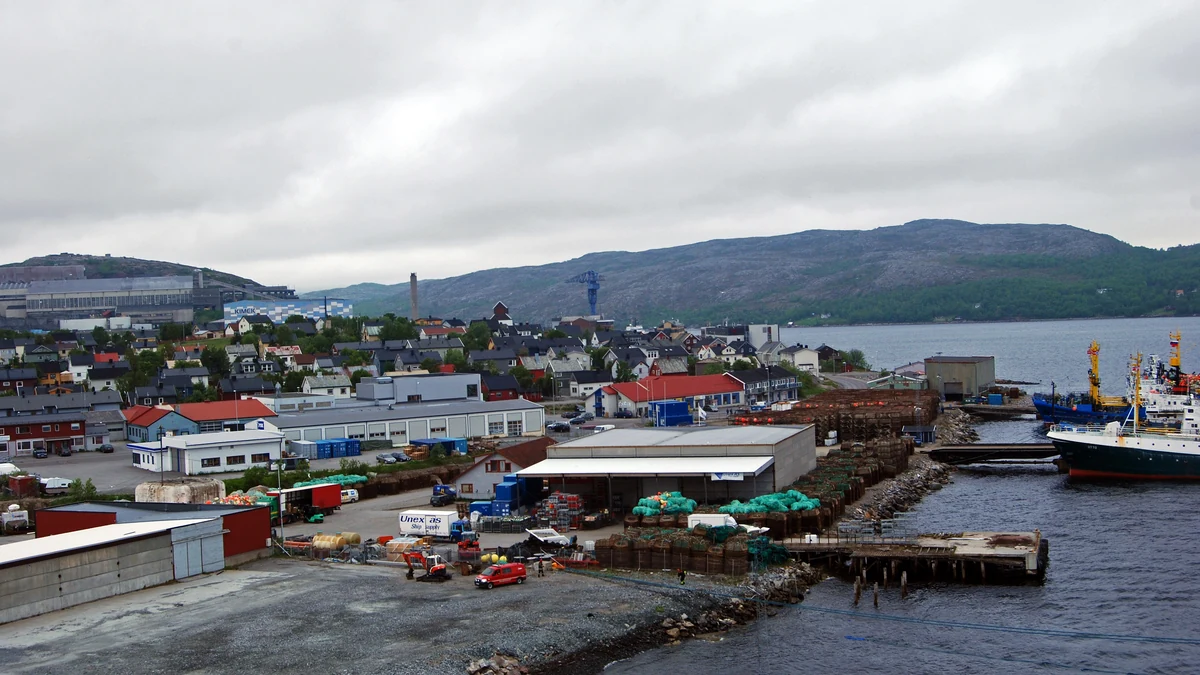
Kirkenes cruise port is more than a sightseeing stop at Norway’s northeastern edge. It is also an embarkation and turnaround point for the coastal route, close to the Russian border and surrounded by seasonal Arctic activities. A passenger staying with the ship faces a different day from someone managing luggage, a hotel and a flight after disembarkation.
The useful choices are specialist rather than numerous: Snowhotel 365, a king-crab experience, borderland sightseeing, the Borderland Museum and Andersgrotta. Summer and winter versions can differ completely. Before booking, confirm the berth, pickup point, luggage plan, daylight and the exact seasonal activity being sold.
Kirkenes Cruise Port at a Glance
| Port name | Kirkenes Cruise Port |
|---|---|
| Main cruise area | Port of Kirkenes facilities; berth and passenger transfer vary by operation |
| Cruise region | Fjords & Norway |
| Country / Territory | Norway |
| Currency | Norwegian krone (NOK) |
| Language | Norwegian; English is widely useful in tourism |
| Port role | Day call and departure / turnaround |
| Disembarkation | Docked |
| Walkability | Medium; depends on berth, season and ice |
| Shuttle required | Sometimes |
| Main transport | Shuttle; taxi; local bus; organised activity |
| Best first option | One seasonal Arctic activity paired with the Borderland Museum |
| Main caution | Luggage and airport logistics, border rules, season-specific products and winter conditions |
Weather & Best Times to Visit Kirkenes
January to March
Typical high: -4–-1°C
Typical low: -12–-8°C
Rain / conditions: Cold, snowy and dark to rapidly brightening; ice, wind chill and winter road conditions dominate planning.
April to June
Typical high: 2–13°C
Typical low: -5–5°C
Rain / conditions: Snowmelt gives way to very long daylight; conditions can swing between wintry and mild, especially early in the period.
July to September
Typical high: 8–16°C
Typical low: 3–9°C
Rain / conditions: Cool summer and early autumn with long daylight, rain and brisk winds; open-water activities remain weather-dependent.
October to December
Typical high: -3–5°C
Typical low: -10–0°C
Rain / conditions: Rapidly darkening and increasingly wintry, with snow, ice and northern-lights potential when skies clear.
Weather guide: CruisePing summary based on NASA POWER climate data for Kirkenes and Sør-Varanger. Check the latest forecast.
Kirkenes weather changes the activity itself. Summer king-crab and border trips may use open water, while winter versions depend on snow or ice and specialist clothing. On turnaround days, allow extra road time to the airport during snow and poor visibility; a forecast that looks merely cold can still make pavements and transfers slower.
Kirkenes is both a port call and a journey endpoint
Kirkenes sits near the end of Norway’s road network and forms the northern turnaround point for the traditional coastal route. Some passengers arrive on a conventional cruise call; others disembark, embark or connect between a coastal voyage, hotel, airport and onward tour. That difference changes the useful day more than the name of the pier.
Day-call passengers can plan around all-aboard in the normal way. Turnaround passengers need to begin with luggage. Establish whether bags are transferred by the cruise line, stored at a hotel, accepted at the terminal or carried with you. An attractive three-hour excursion becomes impractical if its vehicle has no space for suitcases or if you must return to a hotel before an airport coach.
Ships may use different harbour facilities and local transfer arrangements according to vessel and operation. Kirkenes is not a single walk-off city-centre berth that should be described as identical for every sailing. Check the cruise line’s arrival note, meeting point and shuttle information. A taxi or pre-arranged transfer can be more valuable than saving a small fare and discovering that the chosen activity begins on the other side of town.
The season changes the meaning of the port
Summer Kirkenes is about long daylight, boats, borderland landscapes, walking and king-crab experiences on open water. Winter replaces the bright nights with snow, darkness, ice activities and a chance of northern lights. Snowhotel 365 offers an ice-and-snow environment throughout the year, but the surrounding activity menu is still seasonal.
Do not buy a generic “Arctic adventure” without reading what happens on your date. A king-crab safari may use a boat in summer and a different ice or snow-based format in winter. Transport, clothing, physical demands and meal arrangements can change. Northern-lights tours are relevant only when darkness and conditions make viewing possible, not simply because Kirkenes lies far north.
The shoulder seasons need particular care. Snow cover, road conditions and daylight may not match either the polished summer or deep-winter marketing image. Ask the operator what the current version includes and what replaces any weather-dependent element.
Best things to do from Kirkenes Cruise Port
Borderland sightseeing
Best for: Understanding Kirkenes as a Norwegian frontier community shaped by geography, Sámi, Finnish, Russian and Norwegian connections.
Best way: Join an organised land or river excursion that visits the Norwegian border area and explains current access rules. Stay entirely within legal, designated visitor areas.
Watch: Border regulations and security conditions can change. A viewpoint or river trip near the border is not permission to cross into Russia.
Snowhotel 365
Best for: A year-round taste of snow-and-ice design without needing a winter cruise.
Best way: Pre-book admission with transport or a guided visit that fits the ship, hotel or airport schedule. Check which animal areas and facilities are included.
Watch: The resort is outside central Kirkenes. Confirm pickup location and return, especially when travelling with luggage or during a short turnaround window.
King-crab safari
Best for: A specialist local food and activity experience rather than conventional sightseeing.
Best way: Book an established seasonal product with clothing, transport, safety briefing and meal details stated clearly.
Watch: Boat, snowmobile, sled or ice-based formats differ by season and operator. Check physical requirements, sea conditions and the actual finish time.
Borderland Museum
Best for: Kirkenes history, wartime experience, mining, culture and the wider Sør-Varanger border region.
Best way: Visit independently by taxi, local transport or a planned walk where the berth and weather make that practical. Verify current opening directly with Varanger Museum.
Watch: The museum can justify several hours for an interested visitor. Do not squeeze it between two distant excursions as a token stop.
Andersgrotta bomb shelter
Best for: A focused account of civilian life during the Second World War and Kirkenes’ experience of air raids.
Best way: Use a scheduled or pre-booked guided visit; access is not necessarily continuous throughout the day.
Watch: Underground conditions, steps and the subject matter may not suit every visitor. Check seasonal availability.
Kirkenes town walk
Best for: A low-risk day, limited turnaround window or passengers who prefer local history and cafés to a long vehicle excursion.
Best way: Confirm the berth or shuttle drop first, then link the centre, monuments, harbour views and one museum or guided element.
Watch: Distances and pavements feel different in snow, ice or wind. A route that is easy in July may need taxi support in winter.
Riverboat or RIB border excursion
Best for: Summer scenery and a more active way to understand the border landscape.
Best way: Pre-book a cruise-compatible operator providing protective equipment and return transport.
Watch: Weather and sea or river conditions control the trip. Confirm whether king crab, food or a border stop is included rather than inferred from the title.
Northern-lights or winter activity tour
Best for: Overnight visitors or winter passengers whose schedule includes real darkness after the ship arrives.
Best way: Use a local operator with warm clothing, transport and a realistic viewing strategy.
Watch: Lights are never guaranteed, and a daytime port call cannot deliver a night-sky experience. Check whether the tour fits the ship or hotel night rather than the marketing season alone.
CruisePing Recommended Port Day
For a first visit with six or more clear hours, CruisePing recommends choosing one specialist Kirkenes experience and pairing it with local history. In summer, that could be a borderland tour or king-crab boat trip followed by the Borderland Museum. In winter, a Snowhotel visit or seasonal crab activity can take the principal slot, with Andersgrotta or the museum as the grounded second element.
Passengers on a short coastal-voyage turnaround should simplify further. Secure luggage and transfers first, then book one activity offering pickup at the ship, hotel or agreed central point. Snowhotel 365 is often the easiest recognisably Arctic experience to package into a transfer window, but the museum may be the better choice for travellers who dislike commercial activity products.
The local fallback is Kirkenes town plus the Borderland Museum. CruisePing would choose that over an improvised taxi dash to a border sign or a poorly defined “panoramic” coach. If the Russian-border theme matters, pay for interpretation and legal transport rather than chasing a photograph independently.
Border sightseeing without false expectations
Kirkenes marketing frequently uses its proximity to Russia because the border is central to the region’s identity. Current international conditions make careful wording essential. A visitor may see border landscapes, follow roads or waterways near the frontier and learn about the crossing through a guide. That is different from crossing the international border.
Use a recognised operator, comply with signs and instructions, and carry identification requested by the provider. Do not fly a drone, leave the road or approach restricted installations because a map suggests a better viewpoint. Official rules and security conditions override older travel accounts.
A strong border tour should explain more than distance. The value lies in how communities, trade, war, mining, Sámi life and politics have shaped Sør-Varanger. If an itinerary offers only a brief stop at a sign after a long coach ride, compare it with the Borderland Museum or a river excursion that provides deeper context.
Planning a Kirkenes turnaround day
Write down four times: ship arrival, cabin or terminal disembarkation, the moment you must retrieve luggage, and the departure of your airport or hotel transfer. The apparent gap between ship and flight may shrink after immigration, baggage, transfer and airport check-in.
If the cruise line sells a post-voyage excursion ending at the airport, its price may be justified by luggage handling. An independent tour can still be better value, but ask whether suitcases fit, whether the driver will wait after disembarkation and whether the final drop is at Kirkenes Airport or a town hotel.
For passengers embarking later the same day, establish when baggage can be handed over and when check-in opens. A hotel day room or official luggage store can create useful freedom, but availability must be confirmed rather than assumed. Do not leave bags with an unverified business simply because staff appear helpful.
Kirkenes Airport lies outside the town, so airport time cannot be treated as a short walk from the centre. Weather can also slow road transfers. Use the airline’s current check-in guidance and the transport provider’s pickup time, not a generic estimate from a travel forum.
DIY, taxi or organised activity?
Central Kirkenes and the Borderland Museum can be handled independently once berth and opening details are clear. A taxi is useful because the town, museum, Snowhotel and airport are separate points rather than one pedestrian cluster. Ask for an estimated fare or booked price and arrange a pickup for any out-of-centre destination.
Specialist experiences should be organised. King-crab trips require vessel or winter equipment, local safety management and often a meal. Border tours require current knowledge of routes and restrictions. Snowhotel visits are possible independently if official admission and transport are available, but a combined pickup removes uncertainty on a short call.
A ship excursion is strongest for passengers concerned about the return or carrying luggage. It is not automatically the best cultural product. Compare group size, time at the principal site and whether the schedule leaves any independent town time.
Local buses may solve a specific journey when the current route fits, but they do not replace a shore-excursion network. Winter service and walking to stops can create difficulties that are invisible in a timetable. Taxis and pre-booked transfers are often the more rational expense.
Cold, darkness and clothing
Winter activity operators often provide thermal suits, boots or specialist gear, but you still need warm base layers, gloves and a hat for transfers and waiting. Ask exactly what is supplied and in which sizes. Provided clothing does not compensate for unsuitable footwear on an icy pavement before the tour begins.
Summer can be cool, wet and windy despite very long daylight. Layering remains useful on an open RIB, riverboat or border viewpoint. Midnight sun refers to daylight, not guaranteed warmth or clear skies.
Darkness changes navigation. A hotel or terminal walk that looks straightforward on a summer map can feel less simple in snow and limited light. Use reflective details where possible and accept a short taxi when ice makes the walking route a poor bargain.
Kirkenes pitfalls and better decisions
Confusing proximity with border access. Kirkenes is near Russia, but visitors must obey current Norwegian border rules and should not assume a crossing is possible.
Booking an activity without checking its seasonal format. “King-crab safari” can describe quite different summer and winter experiences. Read the equipment, transport and meal details.
Ignoring luggage on a turnaround day. A tour is not workable until collection, storage and vehicle capacity are resolved.
Assuming Snowhotel is in the town centre. Arrange the outward and return transfer before buying admission.
Expecting northern lights on a daytime summer call. Latitude alone does not create darkness or clear skies. Treat aurora viewing as a seasonal night activity.
Using a taxi without a confirmed return. Vehicle supply can tighten around ship, flight and coastal-voyage movements. Pre-book an out-of-centre pickup.
Buying a border-sign tour with no interpretation. The museum or a guided borderland route offers more value than a photograph detached from local history.
Kirkenes port and turnaround checklist
- Confirm whether your sailing is a day call, embarkation, disembarkation or coastal-voyage turnaround.
- Check the exact berth, shuttle drop, meeting point and terminal instructions from the cruise line.
- Resolve luggage storage or transfer before booking an independent activity.
- For an airport day, work backwards from the airline’s current check-in requirement and the road transfer.
- Read the seasonal description of king-crab, snow, riverboat and border products rather than relying on the activity name.
- Use a recognised operator for any border-area excursion and follow current Norwegian rules.
- Confirm transport to and from Snowhotel 365 and what the admission includes.
- Check the Borderland Museum and Andersgrotta opening or tour schedule for the exact date.
- Ask what thermal clothing or safety equipment an activity provides and bring appropriate base layers.
- Pre-book taxis for out-of-centre pickups, especially when several ships, flights or coastal vessels overlap.
- Keep the town and museum as a weather-resilient fallback.
- Allow more road margin in snow, ice or poor visibility than a summer map suggests.
- Do not schedule a specialist activity to finish at the nominal all-aboard time; include transfer and boarding margin.
- Carry identification required by the ship, airline and any operator visiting the border area.
Useful official links for Kirkenes
- Port of Kirkenes visitor information
- Visit Kirkenes activities
- Visit Kirkenes summer guide
- Kirkenes transport and general information
- Varanger Museum and Borderland Museum
- Snowhotel 365
- Hurtigruten port-to-port information
- Yr forecast search for Kirkenes
Kirkenes cruise port FAQs
Do cruise ships dock in Kirkenes?
Ships normally use one of the harbour facilities, but the exact berth and passenger transfer arrangement depend on the vessel and operation. Check the cruise line’s arrival instructions.
Is Kirkenes a day-call or turnaround port?
It can be both. Kirkenes is an endpoint for the Norwegian coastal route as well as a call for other cruises. Your luggage, hotel and airport plan should reflect the specific itinerary.
Can I walk into the centre?
That depends on the assigned berth, weather and your mobility. Some passenger movements use shuttles or transfers. Confirm the ship’s local arrangement before building a walking plan.
Can tourists cross the Russian border?
Do not assume that a tourist crossing is available. Current border regulations and security conditions apply. Use recognised Norwegian tours to designated borderland sites and remain within permitted areas.
Is Snowhotel 365 really open in summer?
The snow-and-ice hotel attraction operates year-round, but admission, transport and the surrounding animal or activity programme should be checked on the official site for your date.
What is a king-crab safari?
It is a guided specialist experience involving local crab fishing or demonstration, often with a meal. The vessel, ice, snow and transport format varies by season and operator.
Can I see the northern lights from a cruise call?
Only when the visit includes sufficient darkness and suitable sky conditions. Summer daylight prevents normal aurora viewing, and no operator can guarantee a display.
What is the best indoor attraction?
The Borderland Museum gives the most substantial overview of regional history, mining, war and border culture. Andersgrotta is a more focused guided wartime experience.
How do I handle luggage before an excursion?
Use the cruise line, hotel, transfer operator or an explicitly confirmed luggage service. Ask whether an independent excursion vehicle can carry bags and where it will drop you afterwards.
Is Kirkenes Airport close to the port?
It is outside the town and requires road transport. Use the current transfer schedule and airline check-in guidance rather than treating it as a city-centre airport.
Is Kirkenes good for limited mobility?
Vehicle-based Snowhotel, museum or sightseeing plans may work, but winter ice, vessel gangways and activity equipment need individual checking. Ask for exact steps, surfaces and transfer arrangements.
Do I need Norwegian cash?
Cards are widely useful. A small cash reserve can be carried, but most mainstream tours and attractions should state accepted payment methods in advance.
What should I do on a short call?
Choose one organised attraction with ship or hotel pickup, or use the town and Borderland Museum. Do not spend the whole window transferring between several peripheral sites.
What is CruisePing’s preferred first visit?
A borderland or seasonal king-crab experience paired with the Borderland Museum gives Kirkenes both place and context. On a tight turnaround, reduce this to one pre-arranged activity after luggage and transfer are secure.
CruisePing Port Verdict
Kirkenes is most rewarding when passengers stop treating “Arctic” as one product. Summer boats, winter snow, border history, king crab and coastal-voyage logistics each create a different day. Choose one seasonal experience, add the Borderland Museum if time permits and resolve luggage before paying for anything on a turnaround. The smartest plan is not the most adventurous title; it is the one that fits the actual ship, season and onward journey.
Ready to browse our article library?
Explore more ports in Fjords & Norway, or narrow it to Norway in particular. For cruise comparisons, planning shortcuts and value guides, head over to our main article library.