
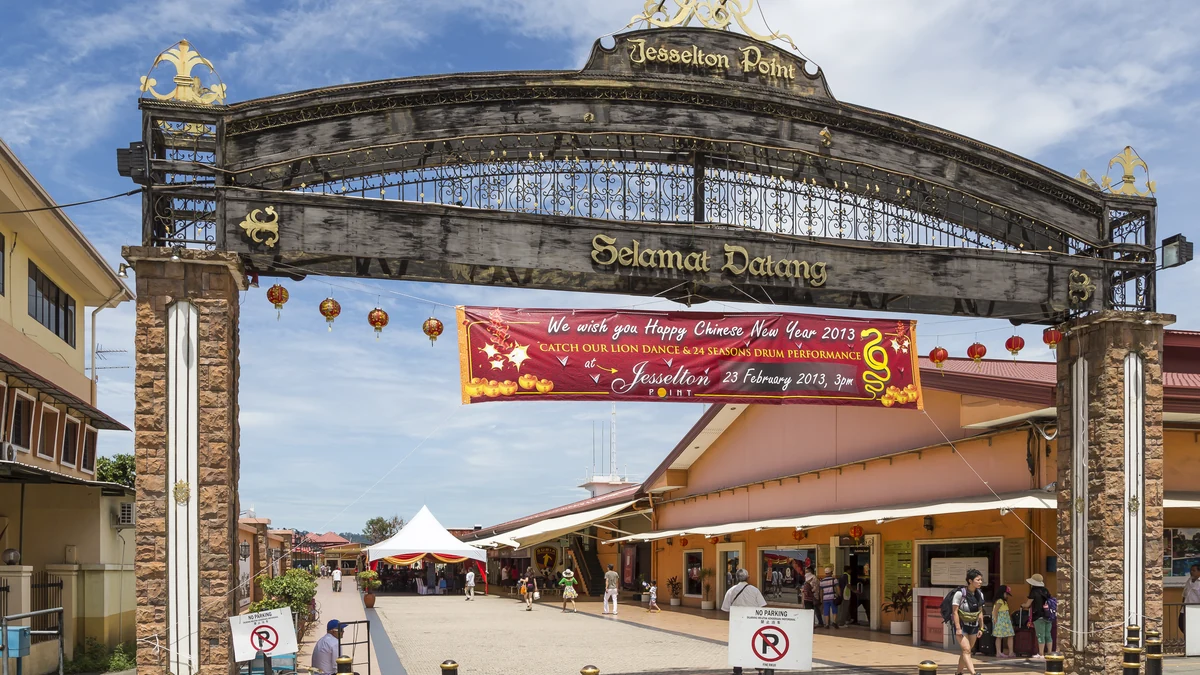
Kota Kinabalu cruise port brings passengers to Sabah’s capital through a working harbour at Tanjung Lipat, not through the downtown ferry terminal shown in many island-tour photographs. The city centre is close enough for a straightforward transfer, but the port gate and first shuttle determine how independently the day can begin.
A first visit should choose between two coherent plans: Kota Kinabalu’s markets, museum and waterfront, or a boat trip into Tunku Abdul Rahman Park. Combining both is possible only with an early start, reliable transport between the cruise berth and Jesselton Point, and a conservative return.
Kota Kinabalu Cruise Port at a Glance
| Port name | Kota Kinabalu Cruise Port |
|---|---|
| Main arrival area | Kota Kinabalu Port at Tanjung Lipat, north of the central waterfront |
| Cruise region | Asia |
| Country / Territory | Malaysia |
| Currency | Malaysian ringgit (MYR) |
| Languages | Malay and English, with Chinese languages and Sabah’s indigenous languages also widely heard |
| Port role | Borneo city gateway to Kota Kinabalu, Tunku Abdul Rahman Park and Sabah culture |
| Disembarkation | Normally docked at the working port; shuttle and gate arrangements are ship-specific |
| Walkability | Low from the cruise berth; moderate to good within the city centre after transfer |
| Shuttle required | Usually required between the controlled port and the city or excursion vehicles |
| Main transport | Ship shuttles, taxis, ride-hailing cars, coaches, private guides and island boats |
| Best first-time plan | Combine the Sabah State Museum, city waterfront and one market, or dedicate the day to a managed island trip |
| Main caution | The cruise berth and Jesselton Point ferry terminal are different places with different transport roles |
Weather & Best Time to Visit Kota Kinabalu
Kota Kinabalu is hot and humid throughout the year, with frequent afternoon showers and thunderstorms. Rainfall varies by season, but short tropical downpours can occur in any month. Check the METMalaysia Kota Kinabalu forecast before choosing an island boat or an exposed city route.
| Month / season | Typical high | Typical low | Rain / conditions |
|---|---|---|---|
| January–March | 31°C | 23°C | Warm with mixed sunshine and showers; seas can still be unsettled |
| April–June | 32°C | 24°C | Hot, humid and increasingly stormy, especially later in the day |
| July–September | 32°C | 24°C | Warm with frequent showers and variable visibility across the islands |
| October–December | 31°C | 24°C | Often wetter, with heavy downpours, thunderstorms and rougher small-boat conditions |
January to March
This period can support both city and island plans, but a breeze offshore may make small boats uncomfortable even when the waterfront is sunny.
April to June
Begin outdoor sightseeing early. The museum or a long lunch provides a useful sheltered period when afternoon heat and storms build.
July to September
Cloud can reduce the visual appeal of island viewpoints without making the water unsafe. Let the boat operator decide the route and do not press for a distant island in marginal conditions.
October to December
A city-and-museum day is the stronger fallback. Heavy rain can flood roads briefly, slow traffic and reduce the value of a tightly timed island transfer.
Arriving at Kota Kinabalu Port
The Sabah Ports Authority page for Kota Kinabalu Port identifies a facility at Tanjung Lipat handling cruise vessels alongside cargo and roll-on/roll-off operations. Passengers should therefore expect controlled gates and vehicle movement rather than a walk-off promenade.
The berth lies north of the central waterfront. A shuttle may terminate at a shopping centre, hotel, city square or other agreed point rather than at Jesselton Point. Read the ship’s map before using a generic online description of “Kota Kinabalu port”.
Keep the return-shuttle location in a screenshot and ask whether passengers may use taxis through the gate. The practical answer can change with security and berth allocation, so a transport plan written for another ship may be wrong.
The City Waterfront, Markets and Gaya Street
Kota Kinabalu’s central waterfront is compact enough for a relaxed walking route after the transfer. The esplanade, fish and handicraft markets, city shops and Gaya Street show a working regional capital rather than a preserved historic enclave.
Market conditions are hot and crowded, and floors can be wet. Carry ringgit for small purchases, keep bags closed and ask before photographing traders at close range. Fresh seafood and produce are best enjoyed locally rather than taken back through ship controls.
The Sabah Tourism Board Kota Kinabalu guide is useful for checking current city attractions. Do not treat every destination listed for the district as walkable from the port or achievable within one call.
Sabah State Museum and Heritage Village
The official Sabah State Museum website provides current opening information for the museum complex on Jalan Muzium. It is the strongest single stop for understanding Sabah’s archaeology, communities, natural history and material culture.
Use a taxi or ride-hailing car rather than walking from the waterfront in tropical heat. Allow enough time for the main galleries and heritage structures without trying to read every display. The museum works particularly well when rain makes island boats less appealing.
Check the current gallery notice because maintenance or exhibition changes can affect individual buildings. A museum day should be based on what is open, not on a floor plan saved several years earlier.
Tunku Abdul Rahman Park
The official Sabah Parks guide to Tunku Abdul Rahman Park covers five islands and surrounding marine habitat only a few kilometres offshore. The park can provide a good beach-and-snorkel day, but it adds a second passenger-boat operation after leaving the cruise berth.
Independent boats normally depart from Jesselton Point, which is a local ferry and excursion terminal rather than the cruise ship berth. The Sabah Parks activity information identifies Jesselton Point as the principal mainland departure point for park boats.
A ship excursion reduces transfer risk. Independent passengers need to protect the taxi journey from Tanjung Lipat, ticketing and park fees, the island boat, the return to Jesselton Point and the final port shuttle. One delayed stage can affect the whole chain.
Choosing an Island
Manukan is a common first choice because it has established visitor facilities and a straightforward beach day. Sapi can suit snorkelling and shorter visits, while Gaya is larger and may involve resort or trail arrangements that need specific booking.
Do not assume island-hopping automatically improves the experience. Each additional landing uses boat and briefing time. A single island with a clear return boat is often better for cruise passengers than a sequence of short beach stops.
Ask whether the quoted price includes park charges, lifejackets, snorkel equipment and the return time. Keep the boat operator’s name and vessel details rather than relying on a coloured ticket with no contact number.
City Mosque and Cultural Stops
The City Mosque is visually distinctive beside Likas Bay and can fit a driver-based city circuit. Visitor access, dress and prayer-time restrictions must be respected. A photograph from the public exterior may be the only suitable option during religious activity.
The Sabah State Mosque, Atkinson Clock Tower area and local galleries offer alternatives, but opening and access vary. Choose one or two cultural stops around the museum rather than assembling a checklist of buildings across the city.
A guide adds value when explaining Sabah’s ethnic and religious diversity. The day should not reduce the state to costumes or a single staged village performance.
Mari Mari and Longer Cultural Excursions
Cultural-village excursions outside the centre require road time and a scheduled programme. They can be worthwhile when interpretation is strong and the visit is presented respectfully, but they are not a quick addition to an island outing.
Confirm whether demonstrations are timed, how much walking is required and whether lunch is included. A ship excursion may be worth the premium because the programme cannot simply be shortened if the group arrives late.
Passengers who prioritise the museum and city do not need to add a cultural village. Sabah’s diversity can be explored meaningfully through the state collection, markets and food without spending most of the call in a coach.
Kinabalu Park Is Not a Quick Port Excursion
Mount Kinabalu and Kinabalu Park are among Sabah’s defining destinations, but they lie far inland. Road time, mountain weather and traffic make the trip a dedicated full-day excursion rather than an extension of Kota Kinabalu sightseeing.
A distant viewpoint does not guarantee a clear mountain view. Cloud often develops around the massif, and a long coach journey can produce little usable time on site. Book the route only when the landscape is the main priority.
For most first-time cruise passengers, the city, museum and nearby islands offer a better balance. Save Kinabalu Park for a longer Sabah stay unless the ship provides a carefully timed programme.
Jesselton Point Is Not the Cruise Terminal
Jesselton Point is useful because local boats to Tunku Abdul Rahman Park depart there. It is not where most large cruise ships berth. Confusing the two can lead to a taxi or boat plan that starts at the wrong gate.
The featured image for this guide shows Jesselton Point deliberately because many passengers will use it for an island excursion. The caption and route distinguish it from Kota Kinabalu Port at Tanjung Lipat.
When arranging a vehicle, state “Kota Kinabalu Port, Tanjung Lipat” for the ship and “Jesselton Point” for island boats. Keep both pins offline and do not translate them into the single word “harbour”.
Taxis, Ride-Hailing and Shuttles
Ride-hailing is widely useful in the city, while a taxi or private driver may be easier for a museum–mosque–market circuit. Confirm whether the driver can enter the cruise port or must use a meeting point outside the gate.
Traffic is usually manageable compared with larger Asian capitals, but school, office and rain-related congestion can slow the waterfront. Build the return around the ship shuttle rather than the shortest journey shown by an app.
For a group, retaining a driver can be good value and removes the need to request another car from a remote attraction. Record the registration and agree whether waiting is included.
Food and the Night-Market Temptation
Seafood, noodles, satay and Sabah specialities make lunch part of the city experience. Choose a busy, clean stall or established restaurant and ask about shellfish, peanuts and spice when relevant.
Some famous food markets are most active in the evening, after many cruise calls have ended. Do not structure the day around a night-market description if the ship departs in the afternoon.
Carry ringgit for hawker food and small traders. Cards are common in malls and larger restaurants, but not every market vendor accepts them.
Mobility and Accessibility
The cruise berth may require a shuttle even before sightseeing begins. Confirm vehicle steps and whether mobility equipment can travel on the bus. The city waterfront is relatively level, but markets, kerbs and wet surfaces can be difficult.
The museum complex has substantial grounds. A taxi-based route and selected galleries are more realistic than trying to cover every heritage building. Island boats require independent assessment because boarding arrangements vary by tide and jetty.
Heat and humidity increase fatigue. Build in air-conditioned recovery at the museum, a café or a shopping centre rather than using every minute outdoors.
CruisePing Recommended Kota Kinabalu Port Day
Take the first practical shuttle into the city and travel by taxi to Sabah State Museum. Spend enough time to understand the region, then return to the waterfront for lunch, markets and a short walk around Gaya Street or the esplanade.
Passengers whose priority is swimming should instead transfer directly to Jesselton Point and choose one island in Tunku Abdul Rahman Park. Return to the mainland early and leave time for the separate journey to Tanjung Lipat.
Do not try to combine a full island day, museum and distant cultural village. Kota Kinabalu offers several strong choices, but they need separate time blocks.
A Rainy-Day Route
Heavy rain can make market lanes and jetties uncomfortable. Start with the state museum, use an air-conditioned lunch and add a brief waterfront stop if the weather improves.
An island boat may still operate after rain, but thunderstorms and visibility are the relevant safety factors. Follow Sabah Parks and operator instructions rather than judging from the cruise terminal alone.
Keep umbrellas compact because crowded markets are difficult with large canopies. Waterproof footwear and a dry phone pouch are more useful than trying to wait out every shower under a shop awning.
A Realistic Kota Kinabalu Timing Plan
Allow the first part of the call for port clearance and the shuttle from Tanjung Lipat. A city route can then give roughly ninety minutes to the museum, an hour for lunch and markets, and a final waterfront walk without relying on the last shuttle.
An island day needs a different sequence: port transfer, taxi to Jesselton Point, ticketing, boat, island time, return boat and taxi or shuttle back to the ship. Write those stages down before deciding how many islands to include.
If the first shuttle is delayed, remove the most distant element. The museum and waterfront still make a complete city day; one island still makes a complete marine day. Trying to preserve the original list by reducing every stop produces more movement and less understanding.
Keep the final hour close to the confirmed city shuttle point. A market purchase or café can use spare time, while a late taxi from the museum or beach creates another uncertain connection.
Common Kota Kinabalu Cruise Port Mistakes
The first mistake is using Jesselton Point as the ship’s arrival address. It is an excursion-boat terminal, not the normal cruise berth at Tanjung Lipat.
The second is adding Kinabalu Park to an already full city itinerary. The mountain route consumes most of the day and should be booked as the sole regional excursion.
The third is returning from an island on the last available local boat. A missed or delayed connection then leaves too little time for the port transfer and ship security.
Passports, Connectivity and Meeting Points
Carry only the identification requested by the ship and keep a copy separate from the original. Mobile coverage is generally good in the city, but island reception and crowded networks can weaken, so save the port address, shuttle point and boat ticket offline.
Use one visible meeting place at Jesselton Point or the waterfront. “Meet near the jetty” is too broad when several counters, gates and boats operate at the same time.
DIY or Organised Excursion?
The city is suitable for independent touring once the ship shuttle endpoint is known. Taxis and ride-hailing make the museum, mosque and markets easy to combine.
An organised excursion is stronger for Tunku Abdul Rahman Park when the call is short, for Kinabalu Park, or for scheduled cultural programmes. The value lies in connecting the port, vehicle and activity under one timetable.
Read the walking and boat details rather than choosing by attraction count. A city tour that spends most of its time at sales stops is poor value, while a focused museum and market route is easy to understand and verify. A printed port card provides a useful backup when the driver has limited English; keep it with the group leader.
Protecting the Return to Tanjung Lipat
Keep the full port name and shuttle endpoint in every phone. Drivers may know Jesselton Point or the waterfront better than the controlled cruise gate, so show the written address rather than relying on pronunciation.
Use the previous shuttle rather than the final one when returning from an island. Rain can slow road traffic and boat unloading, and the ship’s gate may be separated from the public road by another vehicle transfer.
If time contracts, remove the market or a final viewpoint. Do not compress the port transfer because the city appears close on the map.
Kota Kinabalu Cruise Port Checklist
Kota Kinabalu works smoothly when passengers separate the cruise berth, city transport and Jesselton Point boat operation before leaving the ship.
- Confirm the cruise berth and the ship shuttle’s city endpoint.
- Use Kota Kinabalu Port at Tanjung Lipat as the return address, not Jesselton Point.
- Choose a city-and-museum day or a dedicated island outing.
- Carry Malaysian ringgit for markets, boats and small food businesses.
- Check Sabah Parks and local weather before an island transfer.
- Allow for vehicle steps, humid walking and boat boarding.
- Return from Jesselton Point early enough for the separate port connection.
Useful Official Links
Kota Kinabalu passengers should check the working port, city attractions and island-park operation separately because they use different locations and transport.
- Sabah Ports Authority: Kota Kinabalu Port
- Sabah Tourism Board: Kota Kinabalu
- Sabah State Museum
- Sabah Parks: Tunku Abdul Rahman Park
- Sabah Parks: island activities and Jesselton Point departures
- METMalaysia forecast for Kota Kinabalu
Kota Kinabalu Cruise Port FAQ
Where do cruise ships dock in Kota Kinabalu?
They normally use Kota Kinabalu Port at Tanjung Lipat, north of the central waterfront. The berth and shuttle arrangement remain ship-specific.
Is Jesselton Point the cruise terminal?
No. Jesselton Point is the main local departure point for boats to Tunku Abdul Rahman Park.
Can you visit the islands independently?
Yes when timing is generous, but passengers must manage the port transfer, Jesselton Point ticketing, island boat and return connection.
Is the city walkable?
The central waterfront is walkable after transfer. The cruise berth, museum and outlying attractions require transport.
Can you visit Mount Kinabalu?
Only as a dedicated long excursion. It should not be added to a city or island day.
What currency is used?
Malaysian ringgit. Carry cash for markets, small food businesses and some local transport.
CruisePing Port Verdict
Kota Kinabalu is a flexible port, but its strongest choices pull in different directions. The museum and city provide a culturally grounded first visit; Tunku Abdul Rahman Park provides the better beach day.
The key practical distinction is between the cruise berth at Tanjung Lipat and Jesselton Point. Once those locations are kept separate, independent planning becomes much more reliable.
Ready to browse our article library?
Looking beyond Kota Kinabalu? Explore more ports in the Asia region, or narrow it to Malaysia in particular. For cruise comparisons, planning shortcuts and value guides, head over to our main article archive.