
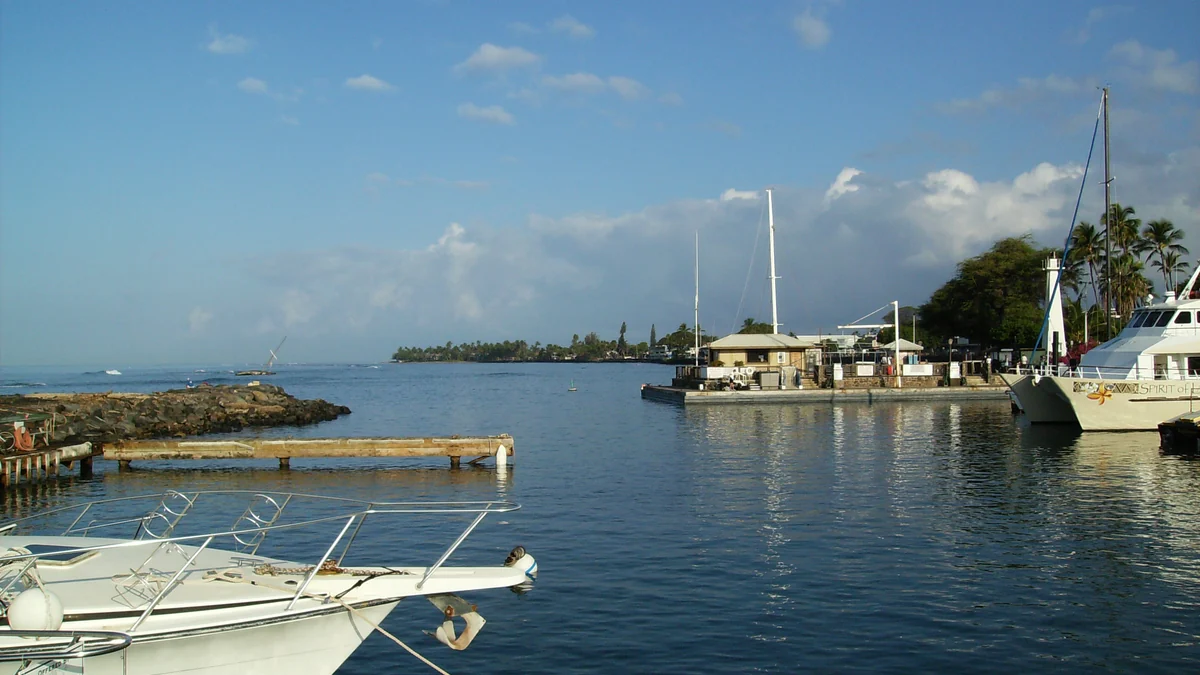
Lahaina cruise port must now be planned as a recovery-status port, not described from pre-2023 cruise memories. The wildfire destroyed much of the historic town and damaged the small-boat harbour. Limited commercial ocean operations resumed in December 2025, daytime public access has been returning in stages and rebuilding continues. None of that automatically means that routine large-ship tender calls have resumed for every itinerary.
Before planning any shore day, confirm that the cruise line still lists Lahaina as the operating port and read the ship’s final landing instructions. The authoritative starting point is the state’s Lahaina harbour recovery page, supported by the County’s Maui Recovers updates. If a ship does call, approach the town as a living community rebuilding after loss: use open businesses, respect barriers and privacy, and do not turn damaged neighbourhoods into an attraction.
Lahaina Cruise Port at a Glance
| Port name | Lahaina (Maui), Hawaii |
|---|---|
| Main arrival area | Historically Lahaina Small Boat Harbor; current cruise landing must be reconfirmed |
| Cruise region | Alaska / North America / Canada |
| Country / Territory | USA |
| Currency | US dollar (USD) |
| Languages | English and Hawaiian |
| Port role | Conditional day call during continuing recovery |
| Disembarkation | Tender when a large cruise call operates |
| Walkability | Access is changing; open areas may be walkable but barriers and rebuilding remain |
| Shuttle required | Likely useful for designated access, Kāʻanapali and West Maui alternatives |
| Main transport | Cruise-arranged tenders, ship excursions, approved tours, designated shuttles, taxis and local buses where operating |
| Best first-time plan | Confirm the call, support open Lahaina businesses respectfully, then use one controlled West Maui route |
| Main caution | Limited harbour reopening is not proof of routine cruise tendering or unrestricted town access |
Current Status Comes Before Every Attraction
The state’s current facility notice says Lahaina Small Boat Harbor is open to limited commercial ocean operations and closed to other vessel operations until further notice. The phrase “limited commercial” matters. It refers to authorised local boat activity during recovery and should not be interpreted as a blanket return of cruise tenders. A cruise itinerary, travel-agent listing or map pin can lag behind operational decisions.
Check the cruise line directly in the final week, again onboard, and once more on arrival morning. A scheduled Lahaina call may be substituted with Kahului, cancelled or operated under special landing arrangements. Do not prepay an independent meeting at the old harbour unless the provider confirms the ship and understands the current access plan. Refund terms are essential in a port where recovery work and marine conditions both affect operation.
What Reopened at the Harbor in December 2025
The Division of Boating and Ocean Recreation notice records a limited reopening for commercial ocean operations. County updates explain that designated streets near the harbour also returned to daytime access and that boat-tour guests may use controlled meeting and escort arrangements. These changes support local operators and residents; they do not restore the pre-fire harbour layout overnight.
Expect temporary routes, restricted areas, incomplete utilities or changed meeting points. Follow signs and staff rather than an old downloaded walking map. The County’s access arrangements have already been adjusted as operations developed, which is normal in a rebuilding district. Build the day around what is confirmed open on the date, not around a vanished sequence of Front Street landmarks.
The Historic District Is Reopening in Stages
Public access has returned to parts of the historic district during defined daytime hours, while wider road and Front Street arrangements continue to change. At the time of this guide’s verification, Maui Recovers was reporting a scheduled further Front Street reopening from 1 August 2026. Because that date sits inside an active reconstruction programme, passengers should verify what actually opened and which sections remain controlled.
A reopened street is not necessarily a completed visitor precinct. Pavements, shade, toilets, parking and business hours may differ from the pre-fire town. Allow local staff to direct movement, and do not cross fencing for photographs or shortcuts. If access is narrower than expected, support an open café, shop or tour rather than trying to reconstruct the old sightseeing circuit.
Do Not Use Pre-Fire Lahaina Guides as Operational Advice
Many online port guides still describe tenders arriving beside a continuous Front Street walk, the banyan tree, museums, galleries and historic buildings. Some landmarks survived, some were damaged or lost, and the pedestrian relationship between them has changed. Old route maps can send visitors towards closures or through areas where residents are working, grieving or rebuilding.
Historical background remains valuable, but operational advice must be dated. Check each attraction or organisation on its own official channel. A business marked “open” may now operate from another site. A harbour photograph may show infrastructure that no longer exists. CruisePing treats any unsourced claim of “Lahaina is fully open” or “the port remains completely closed” as too blunt for the current reality.
Respectful Visiting Is a Practical Requirement
The 2023 fire was a human disaster, not only a tourism disruption. Avoid photographing people, homes, memorials or damaged property without permission. Do not ask residents for personal fire stories while they are working. Stay out of restricted land, keep drones grounded unless explicitly authorised and follow local guidance about culturally sensitive sites.
Responsible spending can help recovery when it goes to businesses and operators that are genuinely open. Ask where a company is based and whether staff are local, but do not demand that every purchase perform a symbolic role. Courtesy, patience and ordinary good behaviour matter: traffic control, temporary queues and changing access are part of rebuilding a town, not service failures designed to inconvenience visitors.
Lahaina’s Hawaiian History Should Not Be Reduced to Whaling
Long before the nineteenth-century whaling economy, Lahaina was a centre of Hawaiian political and cultural life and served as a royal capital. The district’s history includes Mokuʻula, the sacred island and royal residence within a former fishpond, as well as churches, missionary activity, plantation commerce and the later visitor economy. Fire recovery has intensified questions about whose history guides rebuilding.
Use updated interpretation from local cultural and preservation organisations. The Lahaina Restoration Foundation can help identify current programmes and site status. Do not assume that a surviving marker is accessible or that a reconstruction should imitate the town exactly as tourists remember it. A respectful visit recognises continuity, loss and community choice together.
The Banyan Tree Is a Symbol, Not a Standalone Itinerary
Lahaina’s famous banyan tree survived the fire but was badly affected, and arborists and the community have continued to care for it. Access to the surrounding area has depended on recovery arrangements. Check official local updates before expecting to stand beneath it. Even when the square is open, give restoration work and community events priority.
The tree can be meaningful within a guided historical walk, but seeking it as a quick “survivor photo” risks flattening the town’s experience. Read the context, observe any barriers and avoid touching new growth or work areas. If access is closed, accept the closure and direct time towards an open cultural programme or West Maui business.
Kāʻanapali Is the Most Practical West Maui Alternative
Kāʻanapali’s resort coast lies north of Lahaina and offers beaches, hotels, restaurants and a coastal walking route. If the cruise operation uses a designated transfer or if the ship is diverted within Maui, a pre-arranged Kāʻanapali day can provide a clear, functioning destination without entering rebuilding areas. Travel time depends on the actual landing point and current road management.
Public beach access exists, but resort facilities may be for guests and parking can be constrained. Choose a defined drop-off and collection, check ocean conditions and keep a return margin. A beach day should not be framed as a substitute for historic Lahaina; it is a different West Maui experience that may be operationally appropriate while the town rebuilds.
Kapalua Offers a Quieter but More Distant Coast
Kapalua lies farther north with bays, coastal scenery and resort facilities. It can suit passengers seeking a scenic, slower day, but the extra road time makes it less forgiving than Kāʻanapali. A taxi should be booked both ways or replaced with an organised tour. Do not rely on finding a return vehicle immediately after a beach or trail visit.
Coastal paths can be exposed and uneven, and winter swell changes swimming safety. Select one bay or walk rather than moving repeatedly between resorts. The return south can slow with local traffic, so leave earlier than a map estimate suggests. Kapalua works best when it is the main plan, not the final stop after a lengthy island tour.
Marine Excursions Are Returning but Need Current Checks
The limited harbour reopening was designed partly to restore authorised commercial ocean activity. Whale watching, snorkelling and sailing operators may use Lahaina or alternative West Maui departure points according to permits and reconstruction. Confirm the exact harbour, parking or meeting location and do not assume a pre-fire ticket office has returned to the same address.
Winter whale activity can make a marine trip compelling, but wildlife and sea state remain variable. Ask whether the operator accommodates cruise tender delays and how it handles a changed port call. A local boat trip plus one open Lahaina stop may be a better recovery-supporting day than a long coach journey, but only when both the ship and operator confirm the connection.
West Maui Roads Need a Conservative Return Buffer
The coastal road funnels traffic between resort districts, Lahaina and central Maui. Construction, incidents and recovery work can slow movement. If the ship is actually at Kahului rather than Lahaina, West Maui becomes a much longer cross-island excursion. Read the itinerary carefully: “Maui” is not a sufficient port name for planning transport.
Set a hard departure time from Kāʻanapali or Kapalua and add margin for any designated access checkpoint or tender queue. Independent drivers need additional time for vehicle return. The ship may wait for its own excursion after a road delay; it is not required to wait for a privately arranged visit. A recovery district is the wrong place to pressure a driver to speed.
Public Transport Should Be Checked Against Recovery Routes
Maui Bus normally links West Maui communities and resort areas, but stop locations, service patterns and road access can change. Use the current Maui Bus information rather than an old journey-planner result. A bus can support a flexible resort or community visit when the call is long and the ship’s landing is known.
It is not the right foundation for a day involving tender uncertainty, multiple transfers and a final low-frequency service. Check the return stop before travelling outward and carry taxi funds. Respect that buses serve residents whose daily journeys have already been disrupted by recovery and housing pressures; cruise groups should not block aisles with excessive equipment.
CruisePing Recommended Port Day
When a Lahaina tender call is explicitly confirmed, begin with the current access briefing rather than a fixed old walking route. Join a locally guided historical or recovery-aware walk through areas that are open, support one operating business, then take a pre-arranged transfer to Kāʻanapali or an authorised West Maui marine excursion. Return early enough for the controlled harbour process and tender queue.
If the ship substitutes Kahului, use the Kahului plan rather than attempting to recreate Lahaina independently across the island. If town access is limited but local boat operations are available, let one approved marine excursion carry the day. CruisePing does not recommend wandering recovery streets, seeking fire-damage viewpoints or booking a distant West Maui route without guaranteed return transport.
A Short Call Should Stay Close to the Confirmed Landing
Tender operations can shorten an already brief call. With six hours or less, use only activities collected from the ship’s authorised landing or remain within clearly open areas. A beach transfer to Kāʻanapali may be possible, but Kapalua and cross-island plans become vulnerable to road and tender delay. The day should be easy to cut short without losing a prepaid chain of bookings.
Keep the final hour at the landing area or designated shuttle point. Recovery access can involve checks and queues that do not appear in generic journey times. A shorter visit that supports an open operator and follows community guidance is better than treating Lahaina as a problem to be solved at speed.
Mobility and Accessibility Information Is Changing
Temporary routes, uneven surfaces, ramps, heat and limited shade can affect access around the harbour and historic district. Ask the cruise line exactly how the tender operates and whether an accessible vehicle meets the landing. An attraction’s pre-fire accessibility description may no longer match its current entrance or temporary location.
Passengers using wheelchairs or walking aids should book directly with an operator that has inspected the present route. Kāʻanapali resorts may provide more predictable paved access, but beach sand and transfer vehicles still require discussion. Carry medication and water, and avoid relying on temporary public toilets without confirming availability.
Food, Water and Supporting Open Businesses
Do not assume the former density of Front Street restaurants has returned. Check current opening and location, then choose a business that can realistically serve within the call. Reservations may help at resort restaurants, while small Lahaina businesses may have limited hours or temporary premises. Bring water so the search for refreshments does not drive movement into closed areas.
Spend normally and tip appropriately, without expecting staff to discuss recovery. Products sold as Lahaina-made should be checked with the seller, as some businesses now produce elsewhere while retaining local ownership. Supporting a displaced business can still be meaningful even when its temporary shop is outside the historic district.
Photography, Memorials and Privacy
Photograph open public landscapes and restored cultural sites with the same restraint you would use in any community. Do not zoom into private lots, damaged homes or people visiting memorials. Avoid “before and after” staging that treats loss as content. Follow posted requests and put the camera away when a local ceremony or private moment is taking place.
The featured historical image used with this guide is clearly labelled as pre-fire; it documents the former harbour rather than pretending to show current conditions. Apply the same transparency to your own photographs. Dates and captions matter in a place whose physical appearance and access are changing.
Weather & Best Time to Visit Lahaina
Check the National Weather Service Lahaina forecast and current surf information before a tender or boat trip. West Maui is often sunnier and drier than the windward side, but heat, trade winds and winter swell can affect comfort and marine operations. Recovery work may also create exposed walking routes with less shade than visitors remember.
Winter is the main humpback-whale season and can bring larger swell; summer is hotter and generally drier. Carry water, sun protection and a light layer for boats. Weather is only one operational factor: harbour restrictions, construction and ship decisions may change the call even under clear skies.
| Month / season | Typical high | Typical low | Rain / conditions |
|---|---|---|---|
| January–March | 27°C | 19°C | Warm and generally dry; winter swell and whale season |
| April–June | 29°C | 21°C | Often settled with strong sun and trade winds |
| July–September | 31°C | 23°C | Hot, dry and exposed; hydration important |
| October–December | 29°C | 21°C | Warm with increasing swell and occasional showers |
Practical Questions for a Lahaina Cruise Call
Has Lahaina Harbor reopened?
It reopened for limited authorised commercial ocean operations in December 2025. That does not automatically mean routine cruise tender calls have resumed.
Will my cruise ship definitely tender into Lahaina?
No. Confirm the final operating port with the cruise line and onboard; a Maui call may be changed, cancelled or moved to Kahului.
Can visitors enter Lahaina town?
Access has been returning in stages and hours or routes can change. Use current County recovery guidance and obey barriers.
Is it appropriate to visit after the fire?
Yes when areas and businesses are open, provided you respect residents, privacy, memorials and recovery restrictions.
What is the safest alternative if town access is limited?
Use an authorised harbour excursion or a pre-arranged Kāʻanapali day with protected return transport.
Can I use an old Lahaina walking map?
Only for historical orientation. Do not use it as current access guidance because streets, landmarks and entrances have changed.
Useful Official Links for Lahaina
Lahaina conditions are changing quickly. Check these recovery, access, harbour and weather sources immediately before travel.
- State Lahaina harbour recovery updates
- Current Hawaiʻi harbour facility notices
- Lahaina Small Boat Harbor information
- Maui Recovers official County updates
- Current Lahaina visitor information
- Lahaina Restoration Foundation
- Maui Bus schedules and information
- National Weather Service Lahaina forecast
CruisePing Port Verdict
Lahaina can again support meaningful visitor activity, but it cannot yet be written as a conventional, settled cruise port. Limited harbour operations, staged street access and active reconstruction require date-stamped planning. The cruise line must confirm the landing; the state and County must define what is open; visitors must accept that community recovery takes priority over an old itinerary.
When a call operates, the best day combines an authorised local experience, respectful support for open Lahaina businesses and one simple West Maui choice. Kāʻanapali or a verified marine excursion gives useful flexibility. The wrong day is built from a pre-fire guide, a desire to see damage and an assumption that “harbour open” means every tender and street has returned to normal.
Ready to browse our article library?
Explore more ports in the Alaska / North America / Canada region, narrow the library to USA cruise ports, or return to the main CruisePing article library.