
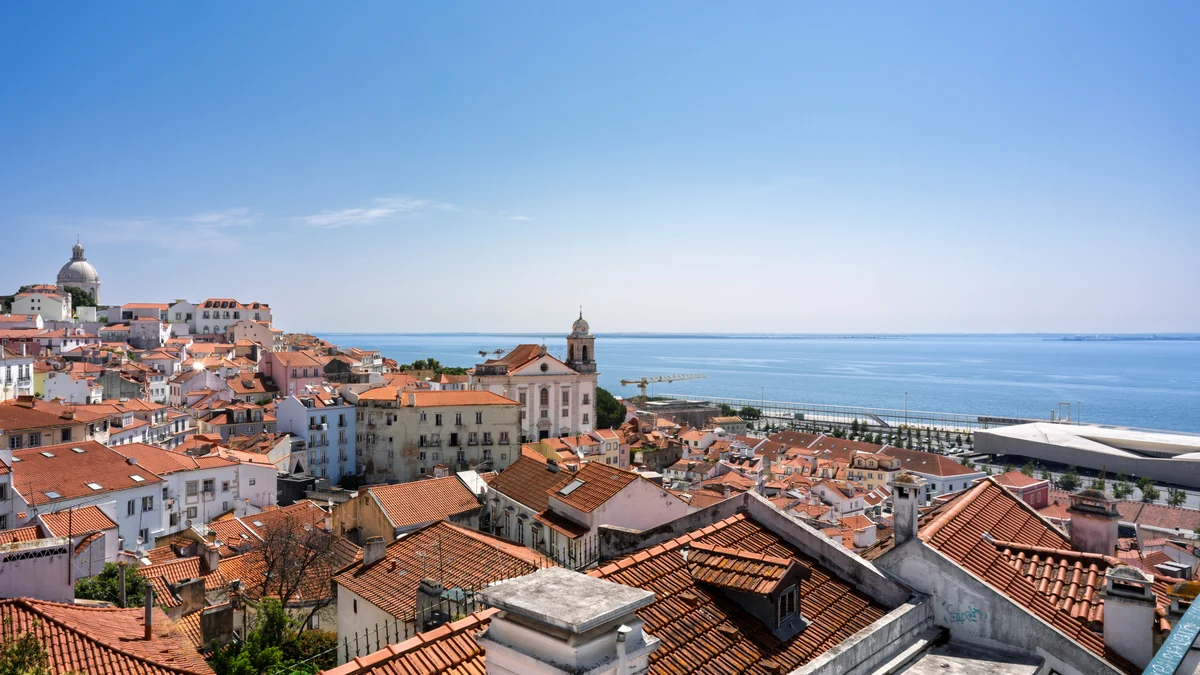
Lisbon cruise port gives passengers one of Europe’s better city arrivals because the terminal sits by the Tagus near Alfama and Santa Apolónia rather than far outside the city. That makes Lisbon a strong DIY port, but it is not flat, and the best day depends on how much hill walking you want.
The easy win is Alfama, Baixa and the riverfront. The more ambitious plan adds viewpoints, trams, Belém or Sintra, each of which changes the transport and timing. CruisePing would start with Lisbon itself for most first-time passengers, because the city around the port is strong enough without turning the day into a long-distance excursion.
Lisbon Cruise Port at a Glance
| Port name | Lisbon Cruise Port |
|---|---|
| Main cruise area | Jardim do Tabaco / Santa Apolónia cruise terminal area |
| Cruise region | Western Europe & Atlantic Coast |
| Country / Territory | Portugal |
| Currency | Euro (EUR) |
| Language | Portuguese |
| Disembarkation | Docked |
| Typical berth | Lisbon Cruise Port terminal close to Alfama and Santa Apolónia |
| Walkability | High, with hills once you enter Alfama and viewpoints |
| Shuttle required | No |
| Main transport options | Walking, metro, bus, tram, train, taxi, organised excursion |
| Best DIY option | Alfama, Baixa, Praça do Comércio and riverfront, with taxi or tram support for hills |
| Main caution | Lisbon looks easy from the terminal but hill climbs and tram queues can slow the day |
Weather & Best Times to Visit Lisbon
January to March
Typical high: 15–19°C
Typical low: 8–11°C
Rain / note: Mild but changeable; showers can make Alfama steps and tiled pavements slippery.
April to June
Typical high: 20–27°C
Typical low: 12–17°C
Rain / note: Excellent cruise walking weather, with stronger sun on exposed viewpoints and riverfront routes.
July to September
Typical high: 27–29°C
Typical low: 17–19°C
Rain / note: Dry and hot; hill climbs to viewpoints are best early or replaced by tram/taxi support.
October to December
Typical high: 15–24°C
Typical low: 9–16°C
Rain / note: Autumn remains useful for sightseeing, though rain becomes more likely later in the season.
Weather guide: CruisePing summary based on NASA POWER climate data for the Lisbon cruise terminal and Alfama area. Check the latest forecast.
Lisbon’s weather affects the hills. On hot calls, take a taxi up to Alfama or a viewpoint and walk down; on wet calls, tiled pavements and steps make Baixa, the riverfront and indoor stops stronger than a long climb.
Where Cruise Ships Dock in Lisbon
Lisbon Cruise Port is close to the historic centre, with the terminal address at Doca Jardim do Tabaco and Santa Apolónia close by. The official cruise port transport information lists metro, bus, taxi, shuttle, train and airport connections, and notes that Santa Apolónia metro station is a 5-10 minute walk from the cruise port.
This is a real advantage. You do not need a long transfer before the city begins. Alfama rises behind the terminal, Praça do Comércio and Baixa are reachable along the riverfront, and taxis can quickly remove the steepest opening climb for passengers who want viewpoints without exhausting themselves in the first hour.
Getting Around Lisbon Independently
The best DIY tool in Lisbon is not one mode of transport; it is restraint. Walk the riverfront and Baixa, use taxis or trams for hills, and use the metro or train only when the destination genuinely justifies it. The official port information lists buses outside the terminal and the metro connection via Santa Apolónia, so independent passengers have practical options from the start.
Belém is realistic by tram, taxi or organised tour, but it pulls the day west. Sintra is a bigger commitment and is better for a long call, a pre-cruise stay or an organised excursion. Alfama, Baixa and Chiado give most first-time passengers a better balance of Lisbon character and cruise-day simplicity.
Best Cruise-Compatible Things to Do from Lisbon Cruise Port
Alfama and viewpoints
Best for: Passengers who want the oldest-feeling part of Lisbon close to the ship
Best way: Walk uphill if fit, or use taxi/tram support and walk down
Watch: Steps, slopes and slippery paving are the main mobility issue
Praça do Comércio and Baixa
Best for: An easy city-centre route with riverfront orientation
Best way: Walk west along the riverfront from the terminal area
Watch: Can feel busy, but it is the simplest low-risk Lisbon plan
Chiado and Bairro Alto edge
Best for: Cafés, shops and a livelier city route
Best way: Walk from Baixa or use metro/taxi support
Watch: The climb from Baixa can be tiring in summer heat
Belém
Best for: Monuments, riverfront and custard tart stops
Best way: Taxi, tram or organised excursion from central Lisbon
Watch: Adds transfer time; do not combine with too many central hills
Tram experience
Best for: A classic Lisbon atmosphere rather than just transport
Best way: Use where the route fits and queues are reasonable
Watch: Popular trams can be crowded and poor value if you spend the day waiting
Sintra
Best for: Major palaces and scenery for passengers with a long call
Best way: Organised excursion or careful train plan from Rossio
Watch: Too much for many standard cruise calls if you also want Lisbon
How to Choose the Right Lisbon Route
Lisbon offers a rare cruise advantage: the city is already there when you leave the terminal. The danger is not distance from the port; it is trying to climb every hill because each viewpoint sounds close. The better approach is to choose a route shape. Start high and walk down, stay low along the river and Baixa, or head west to Belém. Mixing all three is where the day becomes untidy.
For a first call, CruisePing would start with Alfama only if the group can manage slopes, steps and uneven paving. A taxi to a viewpoint, followed by a downhill wander through Alfama towards the river, is often more enjoyable than grinding uphill from the terminal. If mobility is limited or the weather is wet, use Baixa, Praça do Comércio and the riverfront as the core instead.
Belém deserves a separate decision. The Jerónimos Monastery area, Belém Tower and riverside monuments are excellent, but they sit west of the central cruise-port day. Go there if those sights are the priority or if you have already seen Alfama and Baixa. Do not go simply because the name appears on every Lisbon list.
Sample Day Plans from Lisbon Cruise Port
Alfama downhill route
Best for: First-time visitors who can manage old streets and steps
Typical timing: Taxi or tram support up to a viewpoint or upper Alfama, then walk down towards the cathedral, river and Baixa.
CruisePing view: Best way to enjoy the hills without spending the day climbing.
Baixa and riverfront route
Best for: Passengers wanting the easiest city walk
Typical timing: Walk from the terminal towards Praça do Comércio, Baixa, cafés and the riverfront.
CruisePing view: Strong low-risk plan in wet weather or for limited mobility.
Belém-focused route
Best for: Repeat visitors or passengers wanting monuments and riverfront west of the centre
Typical timing: Taxi, tram or organised transfer west, then focus the day around Belém rather than adding central Lisbon.
CruisePing view: Do not combine Belém with too many Alfama hills unless the call is long.
Sintra excursion
Best for: Passengers with a long call who want palaces and scenery
Typical timing: Organised excursion or carefully managed rail plan with a major return buffer.
CruisePing view: Better as a pre- or post-cruise day for most travellers.
Using Trams, Taxis and Metro Without Losing the Day
Lisbon’s trams are famous, but the famous tram is not always the best cruise-day transport. If the queue is long, the tram becomes an attraction that costs time rather than a shortcut. Use trams where they fit the route naturally, and be willing to take a taxi for a hill or viewpoint if that protects the rest of the day.
The metro matters more for airport and rail logistics than for most central day calls. Santa Apolónia is close enough to be useful, and official port transport information describes the airport route using the Red Line to São Sebastião and the Blue Line towards Santa Apolónia. For sightseeing, however, walking, taxis and occasional trams usually beat repeatedly dropping underground.
Taxis and app-based mobility can be good value in Lisbon when used tactically. A short ride to a viewpoint, Belém or a hotel can save energy. The weak use is taking taxis between every minor central stop, which breaks the rhythm of a city that is best enjoyed on foot once you are in the right area.
What to Skip in Lisbon
Skip a full Sintra day on a short cruise call. Sintra is exceptional, but it has rail, road, crowds and palace logistics that deserve more space than a casual add-on. If Sintra is the reason you booked the itinerary, use an organised excursion or add a pre-/post-cruise day.
Skip waiting too long for a tram photo opportunity. Lisbon has plenty of atmospheric streets and viewpoints; standing in a queue for the perfect tram ride can be worse than walking a different route or paying for a short taxi hop.
Skip the assumption that downhill always means easy. Alfama steps and tiled pavements can be slippery in rain and tiring in heat. Choose shoes and pace accordingly, especially if you plan to finish with a riverfront walk back to the ship.
CruisePing Recommended Port Day
For most first-time passengers, CruisePing would keep Lisbon local: start with Alfama if you can manage the hills, then come down towards Baixa, Praça do Comércio and the riverfront. Add Chiado if you want shops and cafés, or use a taxi to a viewpoint if the climb is the issue. This gives a proper Lisbon day without needing a fragile long transfer.
Belém is the best add-on if you have already seen central Lisbon or have a longer call. Sintra is attractive but should be treated as a separate excursion decision, not a casual extra. Passengers starting or ending a cruise should solve airport, hotel and luggage logistics first, then add sightseeing only around what remains.
DIY or Organised Excursion?
Lisbon is a strong DIY port because the city begins close to the terminal and official transport options are nearby. CruisePing would not pay for a basic panoramic city tour if you are comfortable walking, using taxis and making a simple plan. The money is better spent on a taxi to a viewpoint, a good meal or a focused guide in Alfama.
Organised excursions are worthwhile for Sintra, Cascais, multi-stop Belém plans, food-and-wine touring, or passengers who want hill management and commentary. The mistake is thinking organised means better by default. In Lisbon, a good DIY route can be calmer and more rewarding than a coach that spends too much time reaching and leaving viewpoint stops.
Walkability and Mobility Notes
Lisbon’s port location is excellent, but the city’s geography matters. Alfama, viewpoints and some tram routes involve steep gradients, steps and uneven paving. Baixa and the riverfront are much easier, so passengers can build the day around flatter streets and still have a satisfying visit.
A smart mobility plan is to go up by taxi or tram and walk down where comfortable. Do not use the at-a-glance “High” walkability score to mean every route is easy. It means useful independent sightseeing starts close to the ship; Lisbon still needs hill management.
Five Decisions to Make Before Leaving the Terminal
1. Up first or down all day
Lisbon is easiest when you decide whether to climb early or avoid the climb. Taking a taxi up to a viewpoint and walking down through Alfama can make the hills enjoyable. Staying low along Baixa and the riverfront creates an easier but still satisfying day. Both are good plans; mixing them without thought is what tires passengers out.
2. Alfama or Belém
Alfama is close and atmospheric. Belém is more monumental and more spread out. For a first cruise call, Alfama usually gives more Lisbon for less transfer. Belém is better when its specific sights are the point of the day or when you have already seen central Lisbon.
3. Tram ride or tram photo
A tram ride can be fun, but queues can turn it into a poor use of time. Sometimes the smarter choice is to photograph the tram, use a taxi for the hill and spend the saved time walking. Do not let a transport icon dictate the route.
4. Viewpoint or museum
Lisbon’s viewpoints are tempting, but heat and gradients matter. Museums, churches and cafés can be better on hot or wet calls. CruisePing would choose one viewpoint and then let the route flow downwards, rather than chasing every miradouro.
5. Cruise day or pre-cruise city break
Lisbon works very well as a cruise-and-stay port. If you are embarking or disembarking, consider whether the real answer is an extra night rather than a compressed terminal-day itinerary. Airport and luggage logistics are easier when they are not competing with sightseeing.
When the Lisbon Plan Starts to Slip
If the hills prove too much, shift to Baixa, Praça do Comércio and the riverfront. That is still a proper Lisbon day. You do not need to reach every viewpoint to understand the city. A flatter route also leaves more energy for lunch, shops and a relaxed return.
If tram queues are heavy, abandon the tram as transport. Use taxis or walking instead. Lisbon is full of small decisions where spending a few euros saves a large amount of energy. This is especially true in summer, when shade and pacing matter.
If rain arrives, be careful on tiled pavements and steps. Alfama can still be atmospheric, but it becomes slower and less forgiving. A wet-weather route through Baixa, cafés, churches, shops and the riverfront may be the better cruise choice.
Food, Viewpoints and the Best Use of a Lisbon Call
Lisbon is a city where the best cruise day often includes time to sit. A viewpoint, pastelaria, riverside drink or simple lunch can be more memorable than adding one more district. Because the cruise port is close to the historic centre, passengers do not need to prove the day by travelling far. The value is in using the city well, not in covering maximum ground.
For food, think geographically. If you are walking Alfama, stop before the group is tired rather than after. If you are using Baixa and the riverfront, leave the most crowded tourist streets for a side street or square. If you go to Belém, allow time for the famous custard tart stop only if it fits the route; do not let a queue consume the time you needed for the monastery area or the return.
Viewpoints are Lisbon’s great temptation. They are also where heat, steps and queues for trams can spoil the pace. Choose one viewpoint that fits your route. A taxi up and a walk down can be excellent. Chasing several viewpoints creates repetition: another climb, another photograph, another descent. CruisePing would choose the best-positioned view and then move into streets, food and riverfront atmosphere.
For passengers on a transatlantic, repositioning or fly-cruise itinerary, Lisbon may also be a turnaround or overnight city. That changes the advice. If you have a hotel night, save Belém, Sintra or a deeper food route for the extra time. Use the cruise day itself for the areas closest to the ship, where the return is easy and the city feels immediate.
Lisbon also rewards early starts. Alfama is calmer before tour groups thicken, and the riverfront is more pleasant before heat builds. If your ship arrives late morning, reverse the logic: use lunch and Baixa first, then climb only if the afternoon weather and energy still support it. The right Lisbon plan is less about famous names and more about matching hills to the group’s pace.
Low-Risk Fallbacks if the Main Plan Fails
Lisbon’s fallback is simple: go flatter. If Alfama steps, tram queues or summer heat make the original plan less attractive, move the day towards Baixa, Praça do Comércio and the riverfront. You still get architecture, cafés, river views and a real sense of the city, but with fewer climbs and less stress. This is the safest adjustment for mixed-mobility groups.
If Belém becomes too much, save it for another visit and stay central. If Sintra becomes vulnerable because of weather, traffic or timing, do not downgrade it into a rushed half-plan; choose Lisbon instead. The port is close enough to the city that passengers have good options even when the ambitious plan fails. That is why Lisbon is such a strong cruise call.
Lisbon is forgiving because several good plans sit close to the ship. That makes it an excellent port for passengers who want to decide according to weather and energy on the day. A strong Lisbon call does not require perfect pre-booking. It needs a chosen direction, sensible shoes and the willingness to use a taxi when hills stop being enjoyable. That flexibility is one of Lisbon’s major cruise strengths, especially on repositioning and transatlantic itineraries where passengers may be managing several long port days in a row.
For passengers with limited mobility, Lisbon is best approached as a selective city rather than a complete one. Use taxis to remove climbs, stay near Baixa and the riverfront where surfaces are easier, and treat Alfama as optional unless everyone is comfortable with steps. A viewpoint can still be included if reached by vehicle. This is one of the reasons Lisbon works well for mixed groups: one person can enjoy the hillier lanes while another chooses a flatter café-and-riverfront route without splitting the day completely.
Lisbon is also a useful port for passengers who prefer flexible independent travel without feeling stranded. Because the ship is close to the city, it is possible to return for a rest, split the day into two shorter walks or abandon a hillier plan without losing the whole call. That safety valve is rare in cruise ports and should be used rather than ignored.
The simplest rule is to let the hills set the pace. Use transport to remove climbs when needed, then spend the saved energy on streets, food and river views.
For repeat visitors, that may mean ignoring the famous tram and building the day around neighbourhoods, food and one viewpoint. For first-timers, it means resisting Sintra unless the call is long enough. Lisbon has enough within walking range to reward a smaller plan.
Lisbon also works well when passengers split the day into two loops: a morning climb or viewpoint, then a flatter riverfront return. That structure gives flexibility if heat, rain or energy levels change. It also keeps the ship psychologically close, which helps nervous independent travellers enjoy the city rather than measuring every street against the clock.
Keep the final route simple and close to the Tagus, with the ship in easy reach. That calm return is part of the value, and it is worth planning deliberately rather than leaving the last walk to chance.
Port-Day Pitfalls and Value Hacks
- Do not queue for a famous tram if the queue is longer than the ride is valuable.
- Use taxis to remove hill climbs rather than wasting energy early.
- Keep Sintra for a long call, organised excursion or pre-/post-cruise stay.
- Wear shoes with grip for tiled pavements and Alfama steps.
- Use Santa Apolónia as your transport anchor if you are taking metro or rail connections.
Lisbon Cruise Port Checklist
- Check whether your ship uses the main Jardim do Tabaco / Santa Apolónia terminal area.
- Decide whether your day is central Lisbon, Belém or Sintra before leaving the port.
- Use taxi support for viewpoints if hills or heat are a concern.
- Check current public transport information before relying on a tram or bus route.
- Leave time for the riverfront return rather than finishing the day high above the city.
Useful Official Links for Lisbon
These are the official or locally authoritative links worth checking before your port day.
- Lisbon Cruise Port transportation information
- Lisbon Cruise Port terminal information
- Metro Lisboa official information
- Visit Lisboa official visitor information
- IPMA Lisbon local forecast
FAQ
Can you walk from Lisbon cruise port into the city?
Yes. The terminal is close to Alfama, Santa Apolónia and the central riverfront, making Lisbon one of the stronger DIY city ports in Western Europe.
Is Lisbon cruise port suitable for passengers with limited mobility?
The port location is good, but Lisbon’s hills, steps and tiled pavements can be difficult. Use taxis for viewpoints or stay closer to Baixa and the riverfront for an easier day.
Is Belém realistic from Lisbon cruise port?
Yes, with taxi, tram or an organised tour, but it pulls the day west. First-time visitors may prefer Alfama, Baixa and the riverfront unless they particularly want Belém.
Should cruise passengers visit Sintra from Lisbon?
Sintra is possible on some longer calls but is better as an organised excursion or pre-/post-cruise day. It is not the easiest choice if you also want central Lisbon.
CruisePing Port Verdict
Lisbon Cruise Port is one of the best-positioned European city ports, but the hills decide the day. CruisePing would do central Lisbon DIY for most passengers, using taxis or trams selectively rather than turning the visit into a climb. Save Belém or Sintra for longer calls, repeat visits or organised plans where the extra transfer genuinely improves the day.
Ready to browse our article library?
Looking beyond Lisbon? Explore more ports in the Western Europe & Atlantic Coast region, or narrow it to Portugal in particular. For cruise comparisons, planning shortcuts and value guides, head over to our main article archive.