
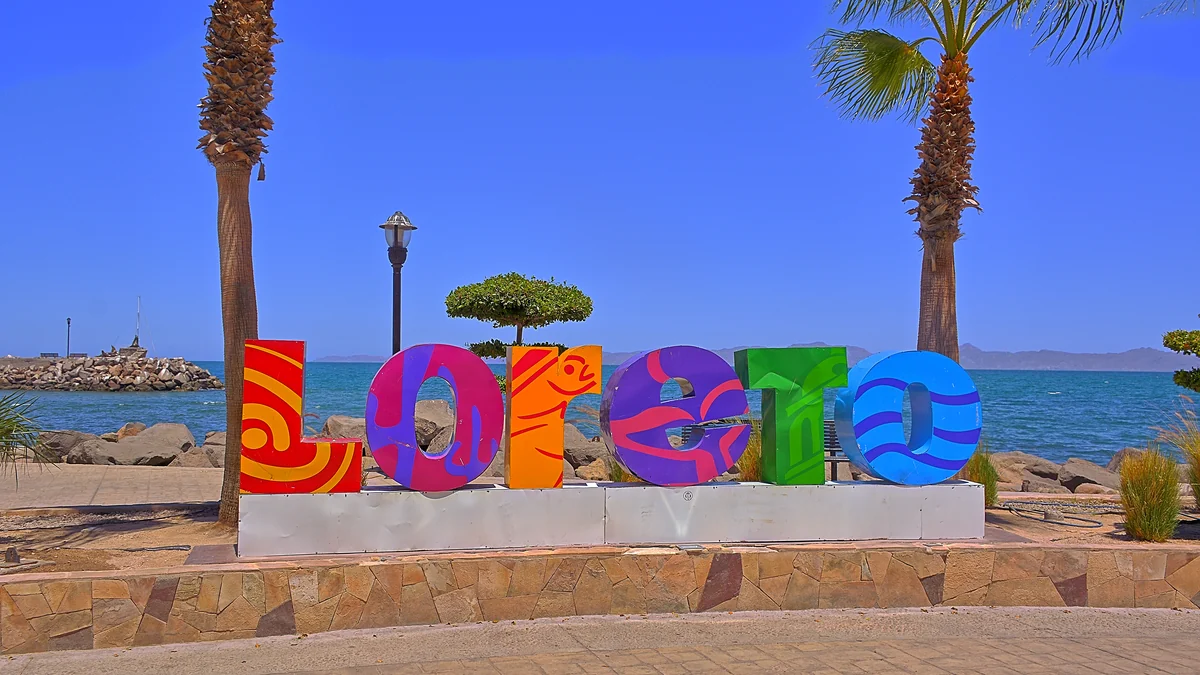
Loreto cruise port is a tender call that places passengers on the Malecón within an easy walk of the historic plaza, the 1697 mission and the Museo de las Misiones. The compact town is genuinely worth exploring independently and does not need an expensive guided transfer.
Loreto’s bigger decision is whether to keep the day ashore or use the protected bay. A licensed boat to Isla Coronado or a seasonal wildlife trip can be outstanding, but it should replace a slow town day rather than sit beside it. The current debate over navigation status also makes it important not to confuse traditional offshore tender calls with proposals for a large deep-water cruise port.
Loreto Cruise Port at a Glance
| Port name | Loreto |
|---|---|
| Main arrival area | Municipal tender pier on the Malecón waterfront |
| Cruise region | Mexico / Central America / Panama Canal |
| Country / Territory | Mexico |
| Currency | Mexican peso (MXN) |
| Languages | Spanish |
| Port role | Day Call |
| Disembarkation | Tender |
| Walkability | Excellent in the centre |
| Shuttle required | No |
| Main transport | Walking, taxi, driver and licensed boat |
| Best first-time plan | Mission and museum walk, Malecón and lunch, or one protected-bay boat excursion with town time |
| Main caution | Marine trips are weather- and permit-dependent; San Javier road time can consume the flexible centre visit |
The Tender Landing Is Part of the Town
Cruise ships anchor offshore and use tenders to the waterfront. The map pin is placed at the Malecón harbour area photographed and used by passenger boats, rather than at a generic Loreto label or the separate Puerto Escondido marina south of town. From here, the centre is only a short, flat walk.
Record the pier and final tender time before leaving. There is little risk of becoming geographically lost in central Loreto, but a long lunch or delayed marine boat can still create a queue at the end. The waterfront can feel exposed in wind, so do not assume tendering will remain unchanged simply because the morning transfer was smooth.
The Mission Is the Essential Historic Stop
Misión de Nuestra Señora de Loreto Conchó anchors the central plaza and the wider story of the Spanish mission network in the Californias. It is worth seeing for its history and continuing religious role, not merely as a photogenic church. Dress respectfully and avoid treating a service as a sightseeing opportunity.
The adjacent Museo de las Misiones provides the interpretation many short port visits lack. Its collections and setting explain the mission system, religious orders and regional expansion. Check opening hours before arrival, but keep the mission and plaza in the plan even if the museum is closed.
A Self-Guided Centre Walk Is Enough
The official Loreto things-to-do guide places the Malecón, mission and cultural stops within a compact visitor area. Walk from the pier along the waterfront, turn inland to the plaza, visit the mission and museum, then return through the pedestrian streets and local shops.
A guide is useful for deeper mission history or Indigenous context, but not for basic navigation. Avoid paying for a coach tour that spends time loading and unloading to cover a route measured in minutes on foot. Put the savings towards the museum, a good local lunch or a properly regulated marine excursion.
The Malecón Is More Than a Route Back
Loreto’s waterfront frames the Gulf of California and Sierra de la Giganta, with sculptures, benches, fishing activity and the town sign. It is best walked either soon after landing, before the heat builds, or at the end of the day when you can remain close to the tender.
Do not expect a developed resort promenade with endless attractions. Its value is space, views and the relationship between the town and the protected bay. A half-hour spent watching local boats and seabirds can be more satisfying than adding an unnecessary shopping stop.
Bahía de Loreto Is a Protected National Park
The Bahía de Loreto National Park protects islands, marine habitats and wildlife. Visitors may need a park bracelet or fee, and rules include not disturbing fauna, not littering, respecting no-fishing zones and following park instructions. A licensed local operator should incorporate these requirements rather than treating them as optional extras.
Ask where the boat is permitted to land, whether the operator anchors responsibly and how wildlife distances are managed. Standing on coral, chasing marine mammals or leaving waste on an island is unacceptable. The strongest tour is one that explains why the bay remains special and visibly limits its impact.
Isla Coronado Is the Best First Marine Choice
Isla Coronado is a common small-boat destination because it can combine volcanic scenery, pale sand, snorkelling and wildlife observation within a realistic half-day. It is genuinely worth prioritising when the sea is calm and the operator provides enough time ashore rather than racing around the island.
Confirm the departure dock, total duration, shade, flotation, toilet reality and whether landing will be wet. Take water, sun protection and footwear that can handle a beach entry. A ship excursion offers return protection; a local licensed boat can be excellent value when it departs early and promises to return well before final tender.
Wildlife Trips Are Seasonal, Not Guaranteed
Blue whales and other cetaceans can visit the wider Gulf, while dolphins, seabirds and sea lions may appear on marine trips. No responsible operator should promise a specific close encounter. The correct question is how the boat behaves if wildlife is found, not how near it can manoeuvre for photographs.
Winter and early spring are often associated with whale activity, but timing varies. Outside the strongest season, choose an island-and-snorkel tour that remains worthwhile without a sighting. Do not pay a premium for a “whale tour” whose only evidence is an old photograph and no explanation of permits or observation rules.
San Javier Is a Distinct Inland Excursion
The mission at San Javier sits inland in the Sierra de la Giganta and offers a different landscape, road journey and historical perspective. It is a worthwhile choice for passengers more interested in missions and mountain scenery than boats or beach time. The drive, however, makes it the main event.
Book a reliable vehicle or ship excursion and ask about the actual road time, stops and time at the mission. Do not attempt San Javier after a leisurely Loreto morning unless the ship has a very long call. Central Loreto’s own mission is not an inferior substitute; it is historically fundamental and much easier to combine with the waterfront.
The Current Port-Status Debate Needs Careful Language
In spring 2026, a federal decree briefly changed Loreto’s formal port status, but that decree was subsequently revoked. Mexico’s environment ministry states that Loreto currently has cabotage-zone status while a working group considers navigation regulation. The revocation is also recorded in the official decree record.
For cruise passengers, the practical point is simple: established calls continue to be described as offshore anchor-and-tender visits. Do not interpret “port of height” discussions as evidence of a new city-centre cruise terminal, and recheck future arrangements because policy and operating rules remain live issues.
Beaches Near Town Are Convenient, Not the Main Prize
Small waterfront beaches can provide a quick swim, but Loreto’s central strengths are the mission town and access to the protected bay. A beach-only day beside the pier is pleasant rather than exceptional. Passengers prioritising sand should consider an island boat where the route and conditions are safe.
Check water quality and local advice before swimming close to boat activity. Bring water shoes if the entry is pebbly, and do not leave belongings unattended. A short swim after the historic walk works well because it keeps you close to the tender.
Food Is an Important Part of the Town Day
Loreto supports relaxed seafood, tacos and Baja-style meals within walking distance of the plaza and waterfront. Choose a local restaurant with a manageable menu rather than following the largest cruise group. Ask about the catch and preparation without assuming every seafood item is locally available or in season.
Carry Mexican pesos for smaller businesses, although cards are common in established venues. Check whether a tip has been included. Eat before the final tender window and allow more time than a fast-service expectation; the appeal is an unhurried small town, and the kitchens operate at that scale.
Heat and Sun Can Make the Easy Walk Feel Hard
The centre is flat and compact, but Loreto can be hot and dry, particularly from late spring into autumn. Walk to the mission early, use the museum and shaded streets around midday, and return to the Malecón when the light softens. Carry water from the start rather than relying on a boat to provide enough.
A wide-brimmed hat, high-protection sunscreen and light long sleeves are useful on both land and water. The desert air can conceal dehydration because sweat evaporates quickly. On a boat, reflected sun and wind increase exposure even when the temperature feels comfortable.
Mobility: Town Is Easy, Boats Are Not
Once ashore, central Loreto is among the easier small Mexican cruise calls, although cobbles, kerbs and mission steps can still create barriers. The tender transfer remains the main uncertainty. Confirm whether the ship can carry the required mobility aid and what assistance is available at the municipal pier.
Marine tours may involve stepping down into a panga, sitting on firm benches and making a wet beach landing. Ask precise questions before booking. For passengers who cannot transfer safely, the mission, plaza and Malecón provide a complete alternative without needing a vehicle.
Combining Town and Sea Requires an Early Boat
A half-day island trip can still leave time for the mission and plaza, but only when the marine departure is organised close to the tender landing and begins promptly. Ask for the expected return to the Malecón, not merely the time on the water. Build at least an hour between the boat’s planned return and the ship’s final tender.
Reverse the order only when the operator has confirmed a later sailing and the ship call is long. The mission museum has more predictable value than an afternoon boat that may be shortened by wind. For most passengers, early Isla Coronado followed by the centre is the strongest combined plan; San Javier should remain a separate inland day.
Choose a Panga Operator by Safety and Park Practice
Before boarding, confirm flotation, shade, passenger capacity, park permissions and whether the operator follows wildlife-distance rules. A lower price is not good value if the boat is overloaded or the plan depends on chasing dolphins. Ask whether landing at a beach is intended, because a scenic circuit and an island stop are materially different excursions.
Licensed local crews understand how Gulf wind builds and which side of an island offers shelter. Let them shorten or redirect the trip when conditions change. The best boat day combines scenery, responsible observation and enough time ashore to appreciate Loreto itself rather than treating the town only as a jetty.
DIY or Organised Tour?
Go DIY for the Malecón, plaza, mission, museum, shopping and lunch. The route is clear and compact, and a paid panoramic tour adds little unless it includes serious historical interpretation. A taxi is unnecessary for the central plan.
Use an organised, licensed operator for Isla Coronado, wildlife observation, snorkelling or San Javier. The ship excursion is best when sea or road time leaves a narrow return margin. An independent local boat is reasonable when credentials, park compliance, duration and a generous return are confirmed before departure.
CruisePing Recommended Port Day
Walk from the tender pier along the Malecón to the mission and Museo de las Misiones early, then explore the plaza and pedestrian streets before lunch. Finish with the waterfront, a short swim or a relaxed café close to the pier. This is the best no-stress first visit and needs no formal tour.
Passengers prioritising nature should book an early licensed boat to Isla Coronado, then use the remaining time for the mission and plaza. Do not add San Javier to the same day. The inland mission and marine park are separate headline choices; the central town is the flexible element that fits around either one.
Weather & Best Time to Visit Loreto
| Period | Typical high | Typical low | Cruise-day implication |
|---|---|---|---|
| December–February | 24°C | 12°C | Mild days and cool mornings; good for town walking and seasonal wildlife trips |
| March–May | 29°C | 16°C | Warming quickly with generally dry conditions; begin outdoor activity early |
| June–September | 35°C | 25°C | Very hot with intense sun; hurricanes or tropical moisture can affect late summer |
| October–November | 30°C | 19°C | Cooling from summer heat; often a strong balance for land and boat plans |
Check Mexico’s Servicio Meteorológico Nacional close to arrival and use the ship’s assessment for tenders. Wind is especially important for pangas and island landings, while tropical systems can disrupt itineraries in the warmer part of the year.
Summer heat makes the central route easier than it looks on paper only if you start early and use shade. Winter mornings can feel cool on the tender and boat, so bring a light layer. In every season, reflected Gulf sun demands more protection than a short town walk alone.
Loreto Cruise Port FAQs
Where do cruise tenders land in Loreto?
Tenders normally use the municipal waterfront pier on or beside the Malecón, a short walk from the plaza and mission. The ship confirms the exact landing for each call.
Can I explore Loreto without a tour?
Yes. The Malecón, mission, museum, plaza and central streets are easy to visit independently. Use a licensed tour only for the bay, islands or San Javier.
Is Isla Coronado worth it?
Yes when the sea is calm and the operator allows a proper island stop. It is the strongest first marine excursion, but it should be booked as a half-day rather than squeezed into a full inland itinerary.
What changed with Loreto’s port status in 2026?
A decree changing the formal status was revoked, and the federal government says Loreto is currently a cabotage zone while navigation regulation is discussed. Cruise visitors should still expect an offshore tender call unless their line advises otherwise.
Useful Official Links
- Visit Loreto
- Loreto things to do
- Bahía de Loreto National Park
- Museo de las Misiones
- Current federal navigation-status statement
- Mexico weather service
CruisePing Port Verdict
Loreto is an unusually balanced tender port: the historic centre is genuinely easy and worthwhile, while the national park offers a major nature day. First-time passengers should walk the mission town independently and add only one controlled marine extension.
Do not pay for a basic town transfer, and do not confuse current port-policy debate with a new cruise terminal. Spend excursion money on a licensed park boat or San Javier driver where expertise and timing add real value.
Ready to browse our article library?
Looking beyond Loreto? Explore more ports in the Mexico / Central America / Panama Canal region, or narrow it to Mexico in particular. For cruise comparisons, planning shortcuts and value guides, head over to our main article archive.