
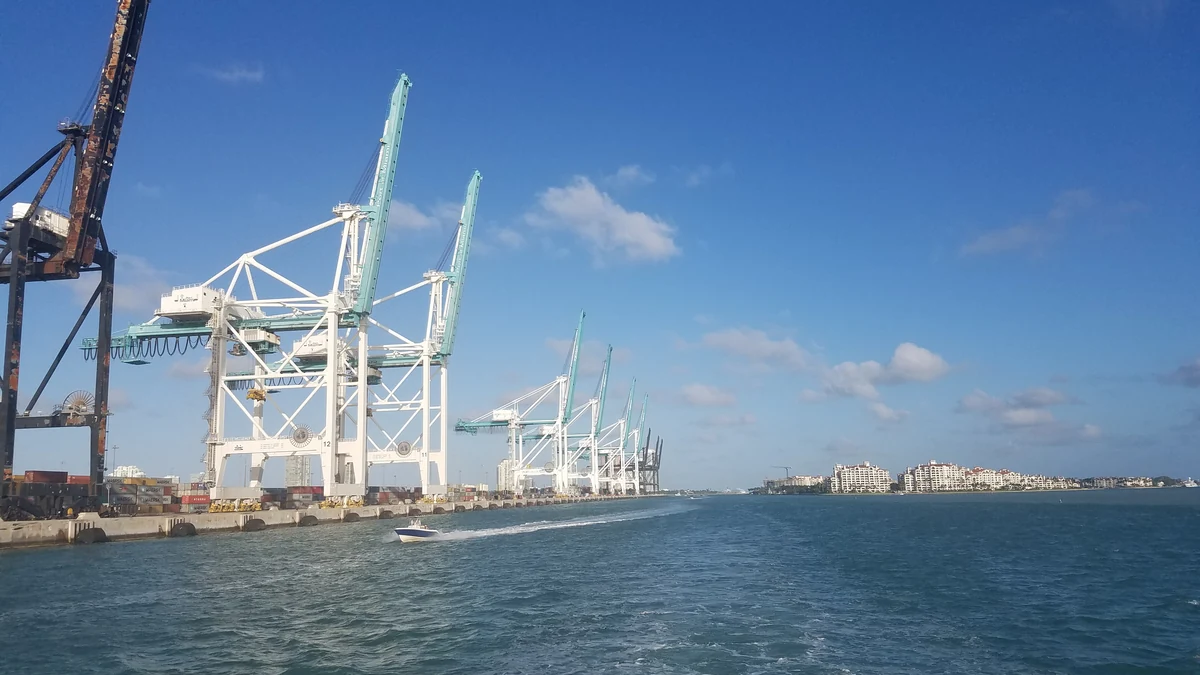
Miami cruise port is not a single terminal with one obvious front door. PortMiami occupies Dodge Island between downtown and Miami Beach, and cruise ships use a growing group of terminals spread along the port roads. The first planning task is therefore not choosing a restaurant or beach. It is confirming the ship, terminal, check-in window and the transport that will take you to the correct building. Miami is an excellent embarkation city because the airport, downtown hotels, beaches and port are close on a map. The weakness is that bridges, terminal traffic and several transport handovers sit between them. A plan that works at 10am on a quiet weekday can fail when several large ships turn around together. Arriving at least one day early remains the strongest protection against airline delays, baggage problems and a rushed check-in. For most passengers, the best pattern is simple: fly into Miami International Airport, stay downtown or in Brickell, enjoy a compact pre-cruise evening and take a direct vehicle to the named terminal the next morning. Miami Beach can be a rewarding longer stay, but it adds a bridge journey and should be chosen for the holiday experience rather than assumed to be the easiest port base.
Miami Cruise Port at a Glance
| Port name | Miami Cruise Port / PortMiami |
|---|---|
| Main arrival area | Multiple cruise terminals on Dodge Island; the cruise line assigns the terminal |
| Cruise region | Alaska / North America / Canada |
| Country / Territory | USA |
| Currency | US dollar (USD) |
| Languages | English and Spanish |
| Port role | Major departure and turnaround port |
| Disembarkation | Docked at an assigned terminal |
| Walkability | Low between the city and terminals; walking within public port roads is not the normal passenger plan |
| Shuttle required | A taxi, ride-hail, hotel transfer, private car or cruise transfer is usually required |
| Main transport | Direct vehicle from hotel or airport; public transport can reduce part of the journey but normally needs a final connection |
| Best first-time plan | Arrive the previous day, stay downtown or Brickell and take a direct vehicle to the confirmed terminal |
| Main caution | Booking a same-day flight, going to the wrong terminal or underestimating bridge and port traffic |
Weather & Best Time to Visit Miami
January to March
Typical high: 24–27°C
Typical low: 16–20°C
Rain / conditions: Warm, often drier and comfortable for outdoor sightseeing; occasional cold fronts can bring wind and cooler mornings.
April to June
Typical high: 28–32°C
Typical low: 21–25°C
Rain / conditions: Hotter and more humid, with increasing showers and thunderstorms as the wet season develops.
July to September
Typical high: 31–33°C
Typical low: 25–27°C
Rain / conditions: Very hot and humid with frequent storms; tropical weather and hurricane disruption are possible.
October to December
Typical high: 25–30°C
Typical low: 18–25°C
Rain / conditions: Early autumn remains humid and storm-prone; later weeks are usually drier and more comfortable.
Weather guide: CruisePing summary based on NASA POWER climate data for Miami, Biscayne Bay and the PortMiami area. Check the latest forecast for the call. Heat, thunderstorms and traffic interact. A storm can slow airport roads, delay baggage unloading and make an exposed terminal queue uncomfortable, so keep documents and rain protection accessible rather than buried in checked luggage. Hurricane season does not mean every summer sailing is unsafe, but it does mean flights and itineraries can change. Monitor the cruise line and airline rather than relying on a general forecast for downtown Miami.
Start with the Terminal, Not the Skyline
PortMiami has several cruise terminals, and the berth can change between cruise lines, ships and dates. The terminal printed in the line’s app, boarding documents or final email is more useful than an old map saved months earlier. Write the decision into the day plan before leaving the arrival area, so the group is not negotiating it again in heat or a queue. Drivers need the cruise line and terminal letter or name, not simply “Miami port”. Port roads split repeatedly, and dropping passengers at a neighbouring terminal can create a difficult walk with cases or a second vehicle journey. In practical terms, this determines the order of the visit and the return margin, not merely a minor detail after the sightseeing has been chosen. Check-in windows are designed around baggage handling and ship clearance. Arriving far earlier than instructed can leave passengers waiting outside, while arriving late compresses document checks, security and boarding into the least forgiving part of the day. That makes it worth confirming with the ship, driver or venue while there is still time to change the plan without losing the morning.
Miami International Airport or Fort Lauderdale?
Miami International Airport is normally the simplest airport for PortMiami because it is closer and has a more direct road journey. The advantage is convenience rather than certainty: traffic can still build around downtown, the MacArthur Causeway and port entrances. On a short call, the advantage comes from protecting the main experience and allowing optional stops to remain genuinely optional.
Fort Lauderdale-Hollywood International Airport can be useful when the fare or flight schedule is substantially better, but it introduces a longer transfer across county lines. The distance is manageable with a hotel night; it is a poor reason to gamble on a tight same-day arrival. The point is not to remove spontaneity; it is to keep one unexpected delay from controlling everything that follows.
Rail can help between Fort Lauderdale and Miami, but every rail plan requires baggage handling, station access and a final vehicle to the port. Compare the complete door-to-door route with a shared or private transfer, especially for two or more travellers. A safer sequence is to complete the least flexible step first, then use the easier part of Miami when the schedule is running comfortably.
Where to Stay Before a Miami Cruise
Downtown and Brickell provide the most balanced pre-cruise bases. They keep PortMiami relatively close, offer restaurants and waterfront walks, and allow some airport journeys by rail before the final hotel transfer. Everyone in the group should know which outcome matters most, because different expectations are harder to solve once transport has already been hired.
Bayside and the area around the central business district can feel very close to the ships, but room quality, street noise and event traffic vary. Select the hotel for its exact address, luggage arrangements and morning transport rather than for a vague “near the port” label. Passengers managing limited mobility, children or bulky bags should shorten this plan at the outset instead of hoping the difficult stage becomes easier on the day.
Miami Beach is better for passengers who want sand, Art Deco streets and a genuine resort stay. It is not automatically better for embarkation morning. A hotel across the causeway needs a conservative vehicle booking and extra time for bridge traffic. Keep the relevant address, ticket or contact offline. Battery, signal and app problems are poor reasons to lose a booked experience.
Getting to PortMiami
A taxi or ride-hail is the most straightforward option from a central hotel. Confirm that the vehicle can hold the whole group and all cases, then keep the terminal details visible. Large luggage loads may require an XL vehicle or two cars. The final return step deserves the same attention as the outward journey, particularly when the ship is reached by a controlled road, gate, boat or tender.
The Coral Way trolley has served PortMiami, but routes, stops and operating arrangements can change. Public transport is most attractive to passengers travelling lightly and with time. It should not be the default merely because it is cheap. Compare the total cost with the time saved and the risk removed. The lowest headline price is not always the best-value cruise-day choice.
Metrorail, Metromover and intercity rail can bring passengers into central Miami, but none should be mistaken for a train to the ship’s door. The final connection across to Dodge Island remains a separate part of the itinerary. The ship’s current notice should settle any conflict with an older website, saved map or advice from a previous season.
Parking and Private Cars
Port parking is organised by terminal areas and demand rises sharply on embarkation days. Confirm the current garage or lot, accepted payment method, vehicle-height limits and whether oversize vehicles use a different process. An online map can make the distance look simple while hiding gradients, security controls, heat, queues or an indirect entrance. Off-site parking can cost less, but the saving must be weighed against shuttle frequency, luggage handling, security and the return pickup process. Read the latest instructions rather than relying on a generic comparison website. Give every adult the meeting point and deadline. A plan held by only one phone is fragile. Friends or relatives dropping passengers should follow the active terminal signs and staff directions. Port traffic is controlled around baggage lanes, and circling in search of a preferred kerb can delay both the passengers and everyone behind them. This is one of the details to settle before money changes hands, together with the currency, inclusions and exact return location.
Embarkation Morning without the Rush
Complete online check-in, confirm passports and visas, download the cruise-line app and attach luggage labels before leaving the hotel. Keep medicine, valuables, documents, chargers, swimwear and a change of clothes in hand baggage because checked cases may reach the cabin later. A useful test is whether the plan still works after a thirty-minute delay. If not, remove a stop or choose a more controlled transfer.
Eat breakfast and use the hotel bathroom before departure. Terminal queues can move quickly or pause after security and document checks. A calm start is more useful than trying to fit in one final attraction with suitcases. If timing begins to slip, protect the principal visit and the journey back to the ship; the final café, shop or viewpoint is the part to release.
Build a traffic buffer but respect the assigned arrival window. The aim is to reach the correct terminal comfortably, not to be first at a building that is still processing the previous sailing. Do not rely on finding the same vehicle, ticket desk or staff member later. Save the identifying details at the start.
A Useful Pre- or Post-Cruise Day
For one free afternoon, downtown, Brickell, Bayfront Park and Bayside create an easy cluster. The experience is urban and waterfront-focused, and it avoids a long cross-city journey before embarkation. The easiest way to avoid confusion is to use the full place name and a visible landmark when speaking to drivers or arranging a collection. South Beach and the Art Deco district deserve more than a hurried luggage stop. Store bags securely, use a direct vehicle and allow for causeway traffic. The beach is best treated as a half-day or overnight choice rather than a final-hour add-on. Before paying, repeat the route, duration and finish point. A friendly sales conversation is not a substitute for a clear agreement. Little Havana can work with a taxi or organised tour, but restaurants and cultural stops are spread along a busy corridor. Decide whether the priority is food, history or a guided experience rather than expecting a single landmark to explain the neighbourhood. Leave room for toilets, security and a slower final walk. Those ordinary stages are often where an overfilled schedule finally breaks.
Disembarkation and Flight Timing
A published arrival time is not the time every passenger reaches the pavement. Ship clearance, luggage groups, immigration, gangways and vehicle queues can spread disembarkation across several hours. Weather and operating conditions can change the correct answer on the morning of the call, so keep a compact alternative that uses the same arrival area.
Self-assist may produce an earlier exit for passengers who can carry every case, but it does not remove road traffic or airport security. Tight flights remain vulnerable even when the ship docks on schedule. One missed connection can matter more than several minutes saved earlier. Build the plan around the weakest link.
For a later flight, store luggage through a verified hotel or provider and choose one compact district. Do not drag cases through a beach, market or crowded shopping area while waiting for an evening departure. This choice should be made for the actual group, not for the most energetic traveller or the most impressive brochure photograph.
Taxi, Public Transport or Cruise Transfer?
A direct taxi or ride-hail from a central hotel is the simplest option for most passengers because it removes the final change and can deliver the group to the named terminal. The return is easier when the pickup point, clock reference and contact method were agreed before the group dispersed.
Public transport can reduce the cost from the airport or a distant hotel, but it does not remove the last connection to Dodge Island. It works best for light travellers with time and a clear backup. A shorter route completed calmly usually provides more usable time than a longer route interrupted by repeated decisions and hurried transfers.
Cruise-line and hotel transfers can be useful for larger groups or anxious first-time passengers. Compare pickup time, waiting, luggage handling and terminal delivery with the price of a private vehicle. Use the official source for the operating rule and the ship’s message for the sailing-specific instruction; both matter for Miami.
Whichever option is chosen, give the driver or transfer desk the ship and terminal. PortMiami is too large for the phrase “the cruise port” to be an adequate destination. On a busy call, start early or deliberately choose the quieter alternative instead of joining every passenger at the same headline attraction.
Miami Cruise Port Mistakes
The avoidable errors at Miami usually come from confusing geographic closeness with operational simplicity. These are the mistakes worth removing before the ship arrives.
- Flying into South Florida on sailing morning: review this against the ship’s current call information and protect a realistic return margin.
- Assuming every PortMiami terminal is beside the same entrance: review this against the ship’s current call information and protect a realistic return margin.
- Giving a driver only the words “cruise port”: review this against the ship’s current call information and protect a realistic return margin.
- Booking a cheap distant hotel without pricing the final transfer: review this against the ship’s current call information and protect a realistic return margin.
- Using public transport without planning the last mile: review this against the ship’s current call information and protect a realistic return margin.
- Choosing an early post-cruise flight: review this against the ship’s current call information and protect a realistic return margin.
- Packing passports or medicine in checked luggage: review this against the ship’s current call information and protect a realistic return margin.
- Treating Miami Beach as the easiest terminal base simply because it looks close: review this against the ship’s current call information and protect a realistic return margin.
Miami Cruise Port Checklist
Use this checklist as the final review for a Miami call. It is deliberately practical: each item should be known before the group leaves the ship or hotel.
- Cruise line, ship and terminal confirmed.
- Arrival in Miami at least one day before sailing.
- Hotel selected with airport and port transfers considered together.
- Embarkation window and documentation checked.
- Direct vehicle sized for passengers and luggage.
- Luggage tags attached and hand baggage complete.
- Parking or drop-off instructions saved.
- Conservative post-cruise flight time.
- Weather alerts checked during hurricane season.
- Mobility assistance requested through the cruise line.
Terminal-Day Details Worth Deciding Early
Save the terminal assignment as a screenshot and recheck it on embarkation morning. A last-minute berth change is easier to absorb before the vehicle arrives. Record the fare or booking terms in writing where possible, especially when a later pickup is part of the arrangement.
Use one luggage plan from hotel room to porter. Splitting cases across vehicles or leaving tags until the terminal creates avoidable confusion. The best fallback remains close to the arrival point and does not depend on another timed connection.
Ask the hotel when lifts, breakfast and checkout become busiest on cruise mornings. Several ships can move hundreds of guests through the same lobby. A sensible buffer is not dead time: it can become a drink, a photograph or a short walk once the group is safely back near the ship.
Keep the MacArthur Causeway and port entrance in the traffic check, not only the road from the airport or hotel. When the plan is explained in one clear sentence, it is usually realistic. If it needs a chain of optimistic assumptions, simplify it.
Passengers parking at the port should photograph the level, row and nearest terminal sign before leaving the vehicle. The decision becomes easier when the non-negotiable return time is placed on the map beside the attraction, not kept as a separate thought.
Post-cruise luggage storage should be booked with a verified provider; do not assume a hotel will hold bags for non-guests. Treat the published time as the beginning of a process, since clearance, queues and local movement can all reduce the period available ashore.
During storm season, keep airline and cruise notifications active and avoid non-refundable arrangements that depend on an unchanged arrival day. Allow for the slowest ordinary stage: finding the entrance, paying, using a toilet or gathering the group can take longer than the headline journey.
For mobility assistance, coordinate the cruise line’s terminal support separately from airport or hotel wheelchair services. The arrangement is stronger when a second person has the address and booking details instead of leaving all responsibility with one organiser.
Useful Official Links
Use these official pages to check the details that can change before a Miami call, including arrival arrangements, access rules, transport and attraction information.
- PortMiami cruise terminals and terminal map
- Official directions to PortMiami
- PortMiami parking information
- Miami International Airport ground transport
- Official Miami pre- and post-cruise guide
Miami Cruise Port FAQ
How far is Miami airport from the cruise port?
Miami International Airport is relatively close to PortMiami, but journey time depends on traffic, terminal access and the time of day. A direct vehicle is normally the simplest option.
Can you take a train directly to PortMiami?
No normal rail service delivers passengers to an individual cruise terminal. Rail and Metromover can reduce part of the journey, but a final connection is required.
Should you stay in downtown Miami or Miami Beach?
Downtown or Brickell is usually easier for a one-night pre-cruise stay. Miami Beach is better when the beach and Art Deco district are part of a longer holiday and extra transfer time is acceptable.
Can you walk from downtown Miami to a cruise terminal?
It is not the normal luggage route. Port roads, heat, distances and controlled terminal approaches make a taxi, ride-hail or transfer the practical choice.
Is Fort Lauderdale airport suitable for a Miami cruise?
Yes when the flight price or schedule justifies the longer transfer and you arrive at least a day early. It is riskier for a same-day connection.
How early should a flight leave after a Miami cruise?
There is no universal safe time. Allow for ship clearance, disembarkation, traffic, baggage and airport security, then follow the cruise line and airline guidance for the specific sailing.
CruisePing Port Verdict
Miami is one of the world’s easiest cruise gateways to reach and one of the easiest to mishandle through overconfidence. The terminals are close to the city, but they are not interchangeable, and the road between airport, hotel and ship still needs deliberate planning.
Arrive the previous day, keep the pre-cruise programme compact and use the full terminal details for the final vehicle. That simple discipline protects far more of the holiday than any last-minute attempt to save a few pounds on the transfer.
Ready to browse our article library?
Looking beyond Miami? Explore more ports in the Alaska / North America / Canada region, or narrow it to USA in particular. For cruise comparisons, planning shortcuts and value guides, head over to our main article archive.