
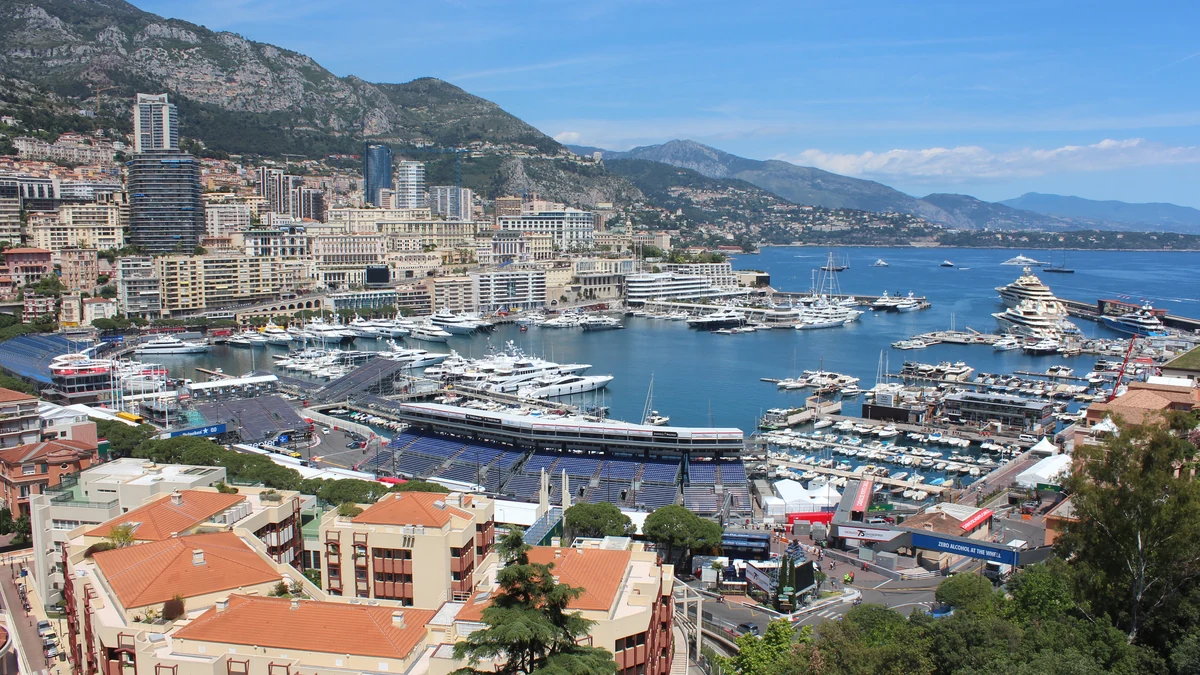
Monte Carlo cruise port compresses a famous collection of places into less than two square kilometres, but the vertical distance between them is what shapes the day. Port Hercule lies below Monaco-Ville and the Prince’s Palace, while the Casino de Monte-Carlo sits on a different elevated side of the harbour. Public lifts, escalators, buses and the harbour boat-bus make the principality easier than the contours suggest, provided you know which level you are trying to reach.
Cruise ships may dock at Port Hercule or anchor and tender, so the first queue can change. Once ashore, CruisePing would prioritise Monaco-Ville and the Rock for a first visit, then cross to the casino district if time and mobility allow. Nice and Èze are attractive excursions, but Monaco itself is not a weak port fallback. Leaving the principality only makes sense when the call is long and the external destination is a deliberate priority.
Monte Carlo Cruise Port at a Glance
| Port name | Monte Carlo Cruise Port |
|---|---|
| Main cruise area | Port Hercule cruise terminal or anchorage with tender landing |
| Cruise region | Mediterranean |
| Country / Territory | Monaco |
| Currency | Euro (EUR) |
| Language | French; English and Italian are widely used in visitor areas |
| Disembarkation | Docked or tender, depending on vessel and port plan |
| Walkability | Medium: distances are short but gradients and levels are significant |
| Shuttle required | No for Port Hercule; use public lifts, buses or boat-bus as needed |
| Main transport | Walking, public lifts, municipal bus, boat-bus, hop-on bus, taxi or organised excursion |
| Best DIY option | Monaco-Ville, Oceanographic Museum, Port Hercule and the casino district |
| Main caution | Event closures, tender queues, heat and vertical routes can change the practical plan |
Weather & Best Times to Visit Monte Carlo
January to March
Typical high: 12–16°C
Typical low: 6–10°C
Rain / conditions: Mild but changeable, with rain and cooler evenings; a good period for walking without summer heat.
April to June
Typical high: 17–25°C
Typical low: 11–18°C
Rain / conditions: Increasingly warm and bright; May event preparations can alter routes around Port Hercule.
July to September
Typical high: 25–29°C
Typical low: 19–23°C
Rain / conditions: Hot, sunny and busy; exposed climbs between harbour levels are tiring in midday heat.
October to December
Typical high: 14–23°C
Typical low: 8–17°C
Rain / conditions: Autumn begins warm but becomes wetter and cooler towards winter.
Weather guide: CruisePing summary based on NASA POWER climate data for Monaco and Port Hercule. Check the latest forecast.
Summer heat turns Monaco’s vertical geography into the main weather issue. Use lifts and buses before fatigue builds, and visit the exposed Rock earlier in the day. Rain can make polished paving and steps slippery but strengthens the case for the Oceanographic Museum. During major events, weather may be less important than barriers, grandstands and altered pedestrian routes around the harbour.
Docking and Tendering at Port Hercule
The official Ports of Monaco cruise information describes Port Hercule’s cruise facilities. Some ships can use the harbour berth while others remain at anchor and tender passengers. The final arrangement depends on vessel size, schedule and conditions. A previous caller’s experience does not prove your ship will use the same method.
Docking places passengers beside Port Hercule. Tender passengers may face ticket distribution and queues before reaching the same general harbour area. If an independent tour to Èze or Nice has an early meeting time, tell the operator that the ship may tender and agree a delay procedure. Monaco’s small size does not make the first hour immune to cruise operations.
Port Hercule is also transformed by events, particularly around the Monaco Grand Prix and yacht gatherings. Temporary barriers, stands, traffic controls and closed paths can alter a route that is normally direct. Check the principality’s official visitor and transport information close to the call, and follow signed diversions rather than forcing the shortest map line.
How Monaco’s Levels Fit Together
The Rock, or Monaco-Ville, rises on the south-west side of Port Hercule. It contains the Prince’s Palace, cathedral, old-town lanes and Oceanographic Museum. The casino district rises on the north-east side. Between them lies the harbour. Walking from one high area down and up to the other is possible, but it is a poor use of energy when public lifts, buses and the boat-bus can remove part of the climb.
Public lifts and escalators are part of Monaco’s ordinary pedestrian network. They can appear inside car parks, shopping areas or tunnels rather than as obvious tourist attractions. Use current signage and an official map because closures and construction can affect individual links. The municipal bus network is useful when the route between levels is more important than the absolute distance.
Monaco Le Grand Tour operates a hop-on, hop-off circuit and publishes cruise-passenger information. It can help passengers with limited walking see the principality’s separate districts. The trade-off is traffic: a full loop can take longer during events or busy periods, and waiting for the next bus may be slower than using a direct municipal route or lift. Treat it as a sightseeing product, not an infallible time-saving system.
The harbour boat-bus crosses Port Hercule and can save a longer walk around the water. It is particularly useful when moving between the cruise side and the lower approach to Monaco-Ville. Check the current operating arrangement and how tickets or passes apply; do not make it the only way to reach an all-aboard deadline.
Best Cruise-Compatible Things to Do from Monte Carlo
Monaco-Ville and the Prince’s Palace area
Best for: The strongest first-time introduction to the principality
Best way: Use lifts, bus or boat-bus to reduce the climb, then explore the old town on foot
Watch: Palace access, ceremonies and state use vary; check the official site.
Oceanographic Museum
Best for: Marine collections, architecture and a substantial indoor visit
Best way: Walk from Monaco-Ville and pre-book when the official site recommends it
Watch: It can absorb several hours, so decide whether it is the centre of the day.
Casino Square and Monte Carlo
Best for: Belle Époque architecture, gardens and the best-known Monte Carlo setting
Best way: Use a lift, municipal bus or hop-on bus from Port Hercule
Watch: Casino visiting rules and opening areas vary; dress and age requirements may apply.
Port Hercule circuit
Best for: Yachts, harbour views and part of the Grand Prix setting
Best way: Walk the waterfront or use the boat-bus to shorten the circuit
Watch: Event barriers and heat can make the apparently simple loop awkward.
Exotic Garden or elevated viewpoints
Best for: A broader panorama and a different district of Monaco
Best way: Municipal bus, hop-on bus or taxi
Watch: Check current opening, access and construction before building the day around it.
Èze
Best for: A hill village and coastal views beyond Monaco
Best way: Organised excursion or pre-booked private transfer
Watch: Steep lanes, road traffic and return timing make it a poor casual add-on.
Nice
Best for: A larger Riviera city with old town, promenade and museums
Best way: Train, private transfer or organised excursion on a long call
Watch: Station access, train disruption and the journey back to the ship need a substantial buffer.
Monaco-Ville First
For a first visit, Monaco-Ville is the most coherent starting point. The palace square gives the principality’s political setting, the old town has a different character from the casino district, and the cathedral and Oceanographic Museum are close enough to combine. Reaching the Rock early also avoids making the steepest part of the day a hot afternoon task.
The Prince’s Palace is a working royal residence, so public access and ceremonial arrangements vary. Check the official palace site rather than relying on a fixed daily schedule. Even when interior visits are unavailable, the square, views and old-town route remain worthwhile. Do not let one unavailable attraction invalidate the whole district.
The Oceanographic Museum can be a short architectural visit or the main half-day attraction. Families and marine-life enthusiasts may spend much longer than passengers who mainly want the terraces and building. Buy tickets through the official source where appropriate and decide in advance what time you must leave to preserve the casino district. The museum is the easiest place for a Monaco plan to overrun quietly.
Monte Carlo and Casino Square
Casino Square is the visual shorthand for Monte Carlo, but it is not beside the cruise terminal. Approaching it through the surrounding gardens and terraces gives a better sense of the district than arriving only for a photograph. Public lifts from the harbour side can remove much of the climb, though the exact route may be affected by works or events.
The Casino de Monte-Carlo has different areas and visiting rules. Some spaces may be accessible for sightseeing at certain times, while gaming areas have age, identification and dress requirements. Check the official operator’s current information if entering matters. CruisePing would not build a tight port day around an assumed interior visit without confirming that the relevant area is open.
Passengers uninterested in gambling can still enjoy the architecture, gardens, Hôtel de Paris exterior and views towards the sea. This district pairs well with a harbour return rather than a long museum visit. If the Rock and Oceanographic Museum have already taken most of the day, see Casino Square briefly and protect the ship return instead of forcing a full tour.
Can You Visit Èze or Nice from Monaco?
Èze is geographically close but operationally less simple than the distance suggests. The village is steep, parking and road traffic matter, and public transport schedules may require connections. A private or organised excursion is the better cruise-day form, particularly for passengers who want both the village and a viewpoint. Confirm whether the tour means Èze village or the lower coastal area; they are not the same experience.
Nice is reachable by rail and road, but independent passengers must include the journey from Port Hercule to Monaco station, platform time, the visit itself and the return from the station to the ship. Rail disruption or crowding can remove the apparent advantage. On a long call, a focused Nice old-town and promenade plan is possible. On a shorter call, Monaco offers more than enough without transport exposure.
CruisePing would leave Monaco only when Èze or Nice is the explicit priority, not because the principality seems too small for a full day. A ship excursion offers return protection; a private transfer offers flexibility. The train is best for confident independent travellers who have checked current services and are willing to turn back early if disruption appears.
A One-Day Monaco Route
From Port Hercule, use the boat-bus, lift or bus towards Monaco-Ville. Walk the palace square and old town, then choose the cathedral and Oceanographic Museum according to interest. Take lunch or a short café break before descending, because the next part of the route crosses the harbour and rises again.
Use public transport or lifts towards Casino Square rather than walking every contour. Explore the terraces and gardens, then descend towards Port Hercule. This creates a natural finish beside the ship and avoids a late cross-principality transfer. The route can be shortened after Monaco-Ville if heat, crowds or tender timing reduce the day.
Event periods require a different mindset. Barriers may make the harbour circuit longer, while buses can be diverted. Start with the district that matters most and ask local staff for the current pedestrian link. A rigid turn-by-turn route written months earlier is less useful than knowing the two priority districts and the harbour finish.
CruisePing Recommended Port Day
CruisePing would stay in Monaco on a first visit. Start with Monaco-Ville, then choose either a substantial Oceanographic Museum visit or a fuller second half around Casino Square. Use lifts, buses and the boat-bus to save energy. This gives a richer day than racing to Nice simply because the train exists.
For repeat visitors, Èze is the best external excursion when booked with a reliable transfer and enough time for the steep village. Nice suits passengers who specifically want a larger city and have a long call. We would not try to combine Monaco-Ville, Casino Square, Èze and Nice. That itinerary looks possible only when travel, queues and vertical movement are ignored.
DIY or Organised Excursion?
Monaco is a strong DIY port. The main challenge is navigation between levels, not distance from the ship. Official visitor information, public transport and clear district names make self-guided planning practical. A guided walk can add history, but a large coach tour is not necessary to reach the Rock or casino district.
An organised excursion becomes useful outside the principality. Èze and Nice involve road or rail risk, and a ship tour protects the return. A private guide can combine a focused external visit with a short Monaco finish, provided the route is not overloaded. Ask exactly where the tour enters and leaves the principality during event closures.
The hop-on bus sits between DIY and excursion. It is convenient for passengers who want commentary and less walking, but it can be slow in traffic. CruisePing would use it as a mobility tool, not as the only structure of a time-limited day.
Mobility, Lifts and Heat
Monaco’s mobility difficulty is high despite its small size. The old town has slopes and historic paving, the Rock rises sharply from the harbour and the casino district sits on another level. Public lifts and buses can transform the day, but passengers need to identify the accessible route rather than following stairs used by faster walkers.
The Oceanographic Museum and palace district should be checked for current accessible entrances. Tendering can also be the limiting factor before the city is reached. Ask the cruise line whether mobility devices can be accommodated in the expected sea conditions. In summer, reduce the walking target and use shaded stops before fatigue becomes a safety problem.
A taxi can be worthwhile for a direct district transfer, but traffic restrictions and short distances mean it is not always faster. During major events, vehicles may be unable to approach the usual points. The municipal bus or lift network can be more reliable once the current route is understood.
Planning Monaco Around a Short Call
On a short call, choose the Rock or Casino Square rather than attempting both at full depth. Monaco-Ville is the stronger first choice because the palace district, cathedral, old town and museum sit together. Use the public lift or bus, walk the district and return towards Port Hercule. Casino Square can be added as a brief second stop only when transport is running cleanly and the tender or gangway deadline leaves room.
A full call allows the two-district route, but the Oceanographic Museum remains the swing factor. A detailed museum visit and a detailed casino-district visit may not fit comfortably once lunch and vertical transfers are included. Families may choose the museum and harbour; architecture-focused passengers may shorten the museum and spend longer around Monte Carlo. The point is to choose where the hours go before the museum absorbs them.
Food, Dress and Practical Stops
Monaco can be expensive, yet a cruise day does not require a formal meal in Casino Square. The Condamine area and streets away from the most famous terraces can offer more practical choices, while a quick café stop protects sightseeing time. Check opening and do not reserve a long lunch that forces a late cross-harbour journey. Water is particularly important in summer because the lifts reduce climbing but do not remove heat.
Dress matters only for selected interiors, not for walking the principality. Comfortable shoes should take priority until a confirmed casino or restaurant requirement applies. Carry a light layer or change of clothing rather than wearing formal shoes across steep paving. Identification may be required for gaming areas, so passengers who genuinely intend to enter should bring the correct document from the ship.
Return Strategy from Nice or Èze
Independent rail passengers returning from Nice should aim for a train that leaves at least one later practical service before the ship deadline. That creates a fallback if the chosen service is cancelled or severely delayed. From Monaco station, the journey is not finished: passengers still need to reach Port Hercule and pass the cruise-control point. Taxi availability cannot be assumed during disruption.
A road transfer from Èze needs the same discipline. Traffic can build on the coastal routes, especially around events and peak visitor periods. Agree an early departure from the village and let the driver choose the current route. A final hour in Monaco is more valuable than a final twenty minutes in Èze followed by an anxious return.
Monte Carlo Port-Day Pitfalls and Value Choices
- Assuming short distance means level walking: plan by district and elevation.
- Ignoring event closures: Grand Prix and major-event infrastructure can transform Port Hercule.
- Booking Èze as a casual add-on: the village needs transport, steep walking and return time.
- Expecting unrestricted casino access: check opening, identification, age and dress rules.
- Spending too long in the museum: set a departure time if Casino Square also matters.
- Best-value choice: use public lifts, buses and the boat-bus for a self-guided Monaco day.
Tender passengers should not use the scheduled ship departure as the last possible waterfront arrival. The final tender may leave earlier, and queues can build when independent visitors and excursions return together. Check the last-tender time before climbing to Monaco-Ville or leaving for Nice. Build the route so the final district is Port Hercule, not a high point on the opposite side of the principality.
The principality crosses no conventional internal city boundary, but mobile roaming and data plans can still behave differently near the French border. Download tickets, maps and excursion contacts before leaving the ship. This is particularly useful when navigating hidden lifts or returning from Èze, where a failed live map can waste the buffer you deliberately created.
Monte Carlo Cruise Port Checklist
- Confirm docked or tender status.
- Check event, road and pedestrian-route notices.
- Download an official Monaco map showing lifts and transport.
- Prioritise Monaco-Ville or Casino Square before adding the second district.
- Check palace, museum and casino opening rules.
- Carry identification if planning a casino visit.
- Use heat protection and avoid unnecessary midday climbs.
- Leave Nice or Èze early enough to absorb road or rail disruption.
Useful Official Links
- Ports of Monaco cruise information
- Monaco municipal buses
- Monaco Le Grand Tour
- Visit Monaco
- Oceanographic Museum practical information
- Prince’s Palace
Monte Carlo Cruise Port FAQ
Do cruise ships dock in Monte Carlo?
Some ships dock in Port Hercule and others anchor and tender. Check the final cruise-line information for your call.
Can I walk from the port to the casino?
Yes, but the route rises from Port Hercule. Public lifts, buses and escalators can reduce the climb.
What should I visit first?
For most first-time passengers, Monaco-Ville and the Rock should come first, followed by the casino district if time allows.
Can I visit Nice independently?
Yes on a long call with current train information and a large return buffer. An organised transfer is safer when the schedule is tight.
Is Èze suitable for limited mobility?
The hill village has steep, uneven lanes. Ask the excursion provider how far the vehicle can approach and what walking is required.
Does the Grand Prix affect cruise visits?
Preparation, race-week and dismantling periods can alter traffic and pedestrian routes around Port Hercule. Check current official notices.
CruisePing Port Verdict
Monte Carlo is not a port to race through simply because it is compact. The Rock, museum, harbour and casino district create a full first visit once elevation and queues are included. Use Monaco’s lifts and transport intelligently, keep Èze or Nice for a deliberate excursion, and treat event closures as a planning condition rather than an inconvenience discovered at the quay.
Ready to browse our article library?
Explore more ports in the Mediterranean, browse CruisePing destinations in Monaco, or head to the main article library for cruise-planning guides and comparisons.