
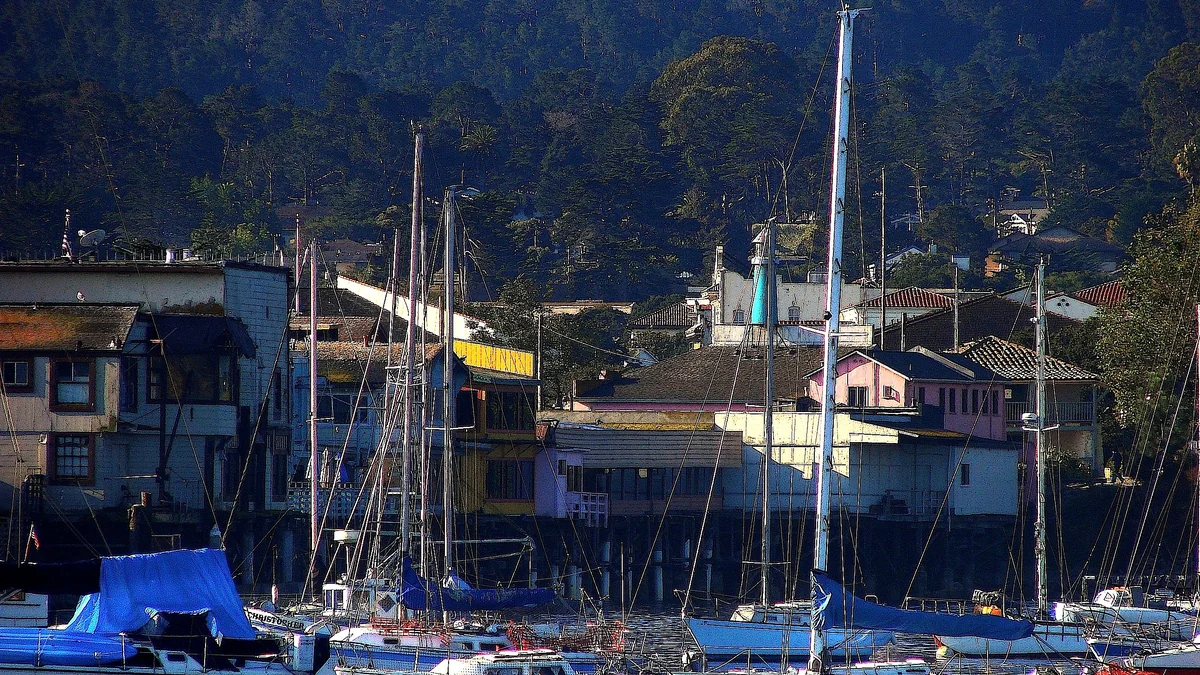
Monterey cruise port is a compelling coastal destination but not currently a routine cruise landing in the way older port guides describe. Ships historically anchored in Monterey Bay and tendered passengers to the city waterfront. In December 2023, the City Council ended city-provided passenger landing services for cruise ships. That decision did not prohibit a vessel from entering the bay, but it removed the normal shore-side arrangement on which regular calls depended.
A passenger seeing Monterey on a future itinerary should therefore verify the call directly with the cruise line and look for specific tender and landing instructions. Do not book an aquarium entry, Carmel tour or independent driver solely from an itinerary label. When a call is explicitly confirmed, Monterey is exceptionally rewarding: Fisherman’s Wharf, Cannery Row and the aquarium form a strong waterfront day, while Carmel and 17-Mile Drive require controlled transport and a conservative tender return.
Monterey Cruise Port at a Glance
| Port name | Monterey, California |
|---|---|
| Main arrival area | Historically tender landing at the city waterfront; current cruise operation must be reconfirmed |
| Cruise region | Alaska / North America / Canada |
| Country / Territory | USA |
| Currency | US dollar (USD) |
| Languages | English; Spanish is widely spoken |
| Port role | Prospective or exceptional day call rather than routine current service |
| Disembarkation | Tender when a call operates |
| Walkability | Excellent from the historic waterfront landing area |
| Shuttle required | No for Wharf, downtown and Cannery Row; transport required for Carmel and 17-Mile Drive |
| Main transport | Walking, cruise tenders, organised tours, taxis, ride-hailing, Monterey-Salinas Transit and bicycles |
| Best first-time plan | When the call is confirmed, walk the waterfront to Cannery Row and reserve the aquarium |
| Main caution | An itinerary listing is not proof that the City is providing cruise passenger landing services |
Current Cruise Status Must Be Checked First
The key operational fact is the City’s 2023 decision to stop providing cruise-ship passenger landing services. The relevant Monterey City Council meeting archive records the public decision process. Cruise ships could theoretically arrange private shore services, but ordinary passengers should not assume that has happened. A scheduled call may disappear before sailing or be replaced with a sea day or another port.
Check the cruise line’s live itinerary, final documents and onboard notices. If the ship confirms Monterey, ask where tenders land, whether independent visitors may disembark and what happens if marine conditions interrupt the operation. A local tour provider should name the ship and landing arrangement. Generic confirmation that “we collect from Monterey” is not enough.
Why Old Monterey Port Guides Are Now Misleading
Pre-2023 guides normally begin with a straightforward tender to Fisherman’s Wharf, followed by a walk to Cannery Row or a coach to Carmel. That describes the former visitor experience, not a guaranteed current one. Search results, cruise-port databases and copied articles may continue to display those instructions for years because they are geographically correct even when the operating agreement has changed.
Use old material only to understand distances and attractions. Any claim about active tendering, shuttle provision, landing fees or annual calls must be dated and verified. This guide deliberately separates the destination from port status: Monterey remains worth visiting, but a cruise passenger first needs proof that a shore visit is actually being operated.
A Confirmed Call Would Still Be Weather-Sensitive
Monterey has no large cruise berth. Ships anchor offshore and use tenders, placing the call at the mercy of swell, wind, fog and safe transfer conditions. Even when shore-side services are arranged, the captain may cancel landing on the day. Tender priority and queues can reduce the usable time, especially when the ship carries several thousand passengers.
Book refundable attractions and tours. A private operator should monitor the ship and understand that the first landing can move. The final tender deadline must include the waterfront walk and security queue. Do not let a timed Carmel pickup or aquarium reservation persuade you to ignore the ship’s altered return instructions.
The Historic Waterfront Is the Natural First-Time Route
If tenders land at or near Fisherman’s Wharf as they historically did, the harbour, wharf, Custom House area and downtown sit close together. The City’s Fisherman’s Wharf and Wharf II information describes a working and visitor waterfront with restaurants, fish markets, charter boats and harbour activity. This is a useful beginning, not merely a passage towards Cannery Row.
Walk slowly enough to notice sea lions, working vessels and historic buildings. The waterfront trail then leads northwest towards Cannery Row. A confirmed tender call does not require an immediate vehicle unless Carmel or 17-Mile Drive is the priority. Keeping the morning on foot protects the day against a late first boat.
Cannery Row Is a Walk, Not a Separate Transfer
Cannery Row lies roughly along the waterfront from Fisherman’s Wharf and is linked by the Monterey Bay Coastal Recreation Trail. The route passes beaches, parks and bay views, making the journey part of the visit. Crowds concentrate around the aquarium and main commercial blocks, while quieter sections appear between the headline stops.
Allow more time than a distance estimate suggests because wildlife and viewpoints interrupt the walk. Passengers with limited mobility can use a taxi or local transit for one direction. Do not spend the whole day inside shops; the bay and the industrial history that gave Cannery Row its name are the reason the district matters.
Monterey Bay Aquarium Needs a Reservation Strategy
The Monterey Bay Aquarium is the strongest single attraction and can fill several hours. Its displays connect directly to the kelp forest, deep sea and conservation issues of Monterey Bay. Buy only under terms that protect against port cancellation, and select an entry time that allows for tender delay and the walk from the landing.
An early slot may be impossible if the first tenders run late; a very late slot leaves little room for a thoughtful visit. On a full call, late morning is often the most resilient compromise. Check bag rules and accessibility before arrival. The aquarium plus the waterfront is a complete day and usually better than leaving halfway through to chase 17-Mile Drive.
The National Marine Sanctuary Changes How the Bay Is Understood
Monterey Bay sits within one of the most significant marine protected areas in the United States. The Monterey Bay National Marine Sanctuary protects kelp forests, canyons and habitat used by whales, otters, seabirds and many other species. The city’s cruise debate has been shaped by concern for this environment, so the current port status is part of the destination’s story rather than an administrative footnote.
Follow wildlife-distance rules and choose responsible boat operators. Do not feed sea lions or approach resting otters. The aquarium, sanctuary interpretation and a coastal walk create a coherent conservation-led day that does not depend on a vehicle. It also helps explain why Monterey residents have debated cruise access so intensely.
Whale Watching Is a Major Alternative to the Aquarium
Monterey Bay’s deep submarine canyon supports year-round marine life, with different whale species more likely in different seasons. Harbour operators offer whale-watching trips, but wildlife and sea conditions are never guaranteed. A boat excursion should be the day’s major commitment because check-in, travel and the return consume several hours.
Choose an operator with a naturalist, clear wildlife policy and cruise-compatible cancellation terms. Motion-sensitive passengers should prepare before boarding. Do not combine a long whale trip with Carmel unless the ship has an unusually long call and both transfers are protected. Finish with the wharf or a short waterfront walk.
Carmel-by-the-Sea Is Attractive but Requires Transport
Carmel offers galleries, architecture, shops and a broad beach in a compact village south of Monterey. The road journey is normally modest, but cruise-day traffic and parking make an organised tour or pre-booked driver preferable. A drop-off allows passengers to walk without searching for a space, while a confirmed collection protects the tender return.
Decide whether the purpose is the village or a wider scenic drive. Two hours in Carmel can be worthwhile; twenty minutes on a coach is not. Beach conditions can be rough and the walk back uphill is significant. Do not treat Carmel as an easy add-on after several hours at the aquarium unless the timetable remains genuinely generous.
17-Mile Drive Works Best as a Guided Scenic Route
The private road through Pebble Beach links coastal viewpoints, forest, golf landscapes and the Lone Cypress. It is visually rewarding but stop times, entry and traffic need management. A cruise excursion or local tour can select the useful viewpoints and continue to Carmel without requiring passengers to navigate, park and monitor the clock.
Independent drivers should confirm entry rules, route direction and rental-car collection. The drive is not a substitute for the Monterey waterfront; it is an alternative scenic half-day. Fog can reduce distant views, while a sunny photograph online says nothing about the call date. A good guide adapts the stop sequence to conditions.
Point Lobos Is Too Important for a Token Stop
Point Lobos State Natural Reserve lies south of Carmel and protects headlands, coves, forest and marine habitat. The California State Parks information should be checked for access, parking and trail conditions. A proper visit needs walking time and suitable footwear; vehicle queues can form at busy periods.
Choose Point Lobos instead of a long aquarium visit, not after one. A guided nature route with Carmel can work on a long confirmed call, but independent passengers need a large return margin. Stay on trails, respect closures and do not approach wildlife. The reserve’s value lies in time outdoors, not collecting one cliff photograph.
Monterey-Salinas Transit Can Support Local Journeys
The Monterey-Salinas Transit network connects the peninsula, with seasonal or visitor-oriented services sometimes supplementing ordinary routes. Check the current timetable and stop location; do not rely on an old trolley description. Transit can be useful between downtown, Cannery Row and nearby districts when walking the whole waterfront is unsuitable.
Carmel by public bus may be possible on a long call, but it is not ship-protected and the return can be affected by traffic. Use it only when one missed service still leaves a safe alternative. Save taxi details and move back towards the landing early. A day involving several transfers to Point Lobos is too fragile for most tender calls.
Bicycles Fit the Waterfront Better Than the Highway
The coastal recreation trail makes cycling appealing between the wharf, Cannery Row and Pacific Grove. A rental bicycle can extend the waterfront day without a car, but pedestrian density and wind require patience. Reserve if a particular type is needed and wear a helmet. Follow trail rules and slow down around families and wildlife viewpoints.
Do not use a bicycle to force Carmel or 17-Mile Drive into a short call unless fitness and road experience are strong. Return the bike well before the tender deadline. An electric bicycle reduces effort but not traffic risk, fog or the need to lock and return equipment.
CruisePing Recommended Port Day
Only after the cruise line confirms an operating tender, begin at Fisherman’s Wharf and walk the coastal trail towards Cannery Row. Reserve the aquarium for late morning, spend two to three hours inside, then return along the waterfront with time for the historic harbour and a meal. This plan is rich, walkable and resilient if the first tender is late.
Choose Carmel and 17-Mile Drive instead when coastal scenery and village time matter more than the aquarium. Use one cruise-compatible tour and finish at the wharf. CruisePing does not recommend prepaying a non-refundable excursion before the landing arrangement is confirmed, nor combining the aquarium, Carmel, Point Lobos and a whale trip in one day.
How to Scale a Confirmed Call
Six hours or less
Stay on the Monterey waterfront. Choose the aquarium or a harbour and Cannery Row walk, not a peninsula circuit.
Seven to nine hours
The aquarium and full waterfront work well, or use one Carmel and 17-Mile Drive tour. Keep the final hour close to the tender.
Ten hours or more
Point Lobos or whale watching becomes possible as the main commitment. Longer hours do not remove tender or marine-weather risk.
Mobility and Accessible Planning
Tender transfer is the first accessibility question. Ask the cruise line about steps, wheelchair handling and the exact landing. The waterfront trail is generally easier than natural reserves, though distances can be long and Cannery Row becomes crowded. The aquarium provides substantial indoor access and seating but should be checked for current visitor arrangements.
Carmel has slopes, historic pavements and a steep return from the beach. Point Lobos includes uneven trails and limited parking. A vehicle-based scenic tour with carefully chosen stops may be the strongest option for restricted mobility, provided the operator confirms an accessible collection at the tender landing.
Food, Shopping and Avoiding the Tourist Conveyor Belt
Fisherman’s Wharf and Cannery Row contain many restaurants and shops, with quality and local connection varying. Eat outside the peak excursion return or reserve where practical. Ask about seafood origin and look beyond the first menu boards. Downtown Monterey and nearby Pacific Grove can offer a quieter alternative if the call is long.
The destination’s strongest purchases are not generic bay souvenirs but locally produced art, books and food that can be carried legally. Keep sea-lion areas clear and do not allow a search for the perfect lunch table to erode the tender buffer. The waterfront is enjoyable even when no purchase is made.
Fog Is Part of Monterey, Not a Forecast Failure
Coastal fog can hide distant views while leaving the aquarium, wharf and near-shore wildlife fully worthwhile. It may clear later as inland temperatures change, but passengers should not wait indefinitely before choosing a plan. A foggy morning favours the aquarium first; a clear morning may support a scenic tour before the coast clouds over.
Marine operators make decisions from wind, swell and visibility together. Follow their judgement. A cancelled tender call cannot be solved by arranging a small private boat unless the cruise line and authorities explicitly authorise it. Never improvise disembarkation outside the ship’s operation.
Weather & Best Time to Visit Monterey
Check the National Weather Service Monterey forecast and marine conditions near arrival. Monterey is cooler than many visitors expect, with frequent morning cloud or fog and wind along the bay. The warmest inland California weather does not describe the waterfront, and boat conditions can be poor under an otherwise dry forecast.
Spring and autumn have historically aligned with many coastal cruise itineraries, but current landing policy matters more than seasonal appeal. Summer can be cool and foggy; winter brings stronger storms and swell. Carry layers throughout the year. A clear view at Carmel can coexist with fog around the harbour, so allow the route to adapt.
| Month / season | Typical high | Typical low | Rain / conditions |
|---|---|---|---|
| March–May | 17°C | 8°C | Cool, variable and breezy; fog and showers possible |
| June–August | 19°C | 11°C | Often cool with morning fog despite inland summer heat |
| September–October | 21°C | 11°C | Frequently the mildest period, still with marine cloud |
| November–February | 16°C | 7°C | Cooler with greater storm and swell risk |
Practical Questions for a Monterey Cruise Call
Do cruise ships currently call at Monterey?
Routine calls have not operated as they did before the City ended its passenger landing services in 2023. Verify any listed call directly with the cruise line.
Where would tenders land?
Historically passengers landed at the city waterfront near Fisherman’s Wharf. Use only the ship’s current confirmed instructions.
Should I pre-book the aquarium?
Only with cancellation protection and after the call is operationally credible. Choose a time that allows for tender delay.
Can I walk to Cannery Row?
Yes from the historic waterfront using the coastal route when a tender landing operates.
Can I visit Carmel independently?
Yes with a confirmed taxi or transit plan, but an organised tour gives better control of the tender return.
What happens if sea conditions stop tendering?
The ship may cancel the port. Independent reservations should be refundable because passengers cannot disembark without the authorised tender operation.
Useful Official Links for Monterey
Confirm the cruise operation first. These sources then cover the waterfront, aquarium, protected bay, local transport and peninsula conditions.
- Monterey City Council meeting archive
- Monterey Municipal Marina
- Fisherman’s Wharf and Wharf II
- Monterey Bay Aquarium
- Monterey Bay National Marine Sanctuary
- Monterey-Salinas Transit
- Point Lobos State Natural Reserve
- National Weather Service Monterey forecast
CruisePing Port Verdict
Monterey is an outstanding destination but currently an uncertain cruise port. The first planning task is not choosing between the aquarium and Carmel; it is establishing whether the ship has arranged a lawful, staffed passenger landing after the City withdrew its routine service. Old tender instructions should not be presented as current fact.
When a call is genuinely confirmed, the aquarium and waterfront form the best first-time day. Carmel, 17-Mile Drive, Point Lobos and whale watching are alternative major commitments. Keep bookings refundable, respect marine operating decisions and return early to the tender. Monterey’s appeal is strong enough that it does not need an impossible checklist—or a fictional port operation.
Ready to browse our article library?
Explore more ports in the Alaska / North America / Canada region, narrow the library to USA cruise ports, or return to the main CruisePing article library.