
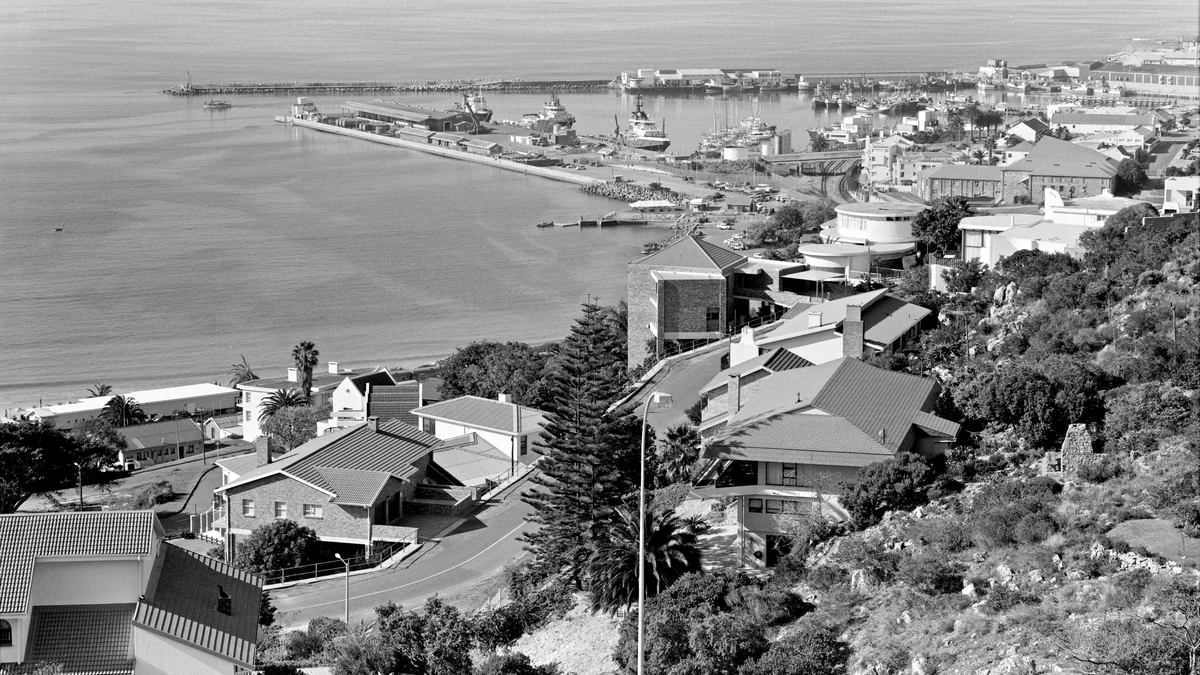
The Mossel Bay cruise port changed materially in November 2025, when Transnet National Ports Authority opened a dedicated Cruise Reception Facility beside the quay. Smaller vessels may berth and process passengers there, while ships that remain at anchor can still use tender transfers into the port. The exact operation depends on vessel size, berth availability and sea conditions, so older advice describing every call as tender-only is no longer reliable.
Mossel Bay is one of the easier South African calls to enjoy locally. The Bartolomeu Dias Museum Complex, historic centre, Santos Beach and Cape St Blaize coastline can form a satisfying independent day without a long coach journey. CruisePing recommends this compact town-and-coast plan for first-time visitors unless wildlife is the clear priority. A private reserve can be worthwhile, but it should replace the town day rather than be bolted onto it.
Mossel Bay Cruise Port at a Glance
| Port name | Mossel Bay |
|---|---|
| Main arrival area | Port of Mossel Bay Cruise Reception Facility or ship tender landing beside the quay |
| Cruise region | Africa |
| Country / Territory | South Africa |
| Currency | South African rand (ZAR) |
| Languages | Afrikaans, English and isiXhosa |
| Port role | Day Call |
| Disembarkation | Berth when operationally possible; tender remains possible |
| Walkability | Good for the Dias Museum, old town and nearby waterfront |
| Shuttle required | No for the compact centre; yes for regional excursions |
| Main transport | Walking, taxi, port transfer or pre-booked tour |
| Best first-time plan | Walk the Dias Museum Complex and old town, then continue to Santos Beach or Cape St Blaize |
| Main caution | Confirm berth versus tender, protect the port return and do not underestimate coastal wind or private-reserve travel time |
The New Cruise Facility Changes the Arrival
The Transnet media statement records the launch of the Cruise Reception Facility on 13 November 2025. It provides a designated passenger space beside quay infrastructure and was inaugurated with SH Diana. That does not mean every ship can berth; larger vessels or conflicting operations may still anchor and tender.
Read the daily programme for the actual method. Berthed passengers may face a gangway and controlled port walk or shuttle, while tender passengers need a boat queue and sea-state margin. CruisePing recommends using the reception facility as the map reference but never assuming it removes all transfer uncertainty.
Central Mossel Bay Is a Genuine DIY Option
The official Mossel Bay Tourism material places many historic and coastal sights close to the harbour. Once released from the port, confident walkers can reach the Dias Museum area, old streets and waterfront without hiring a vehicle. This is a meaningful advantage compared with industrial gateway ports.
Ask staff for the approved pedestrian route, because port security boundaries matter. Start with the museum while energy and opening hours are strongest, then move toward the old town or beach. CruisePing would not pay for a generic panoramic coach that merely repeats this compact route through a window.
The Dias Museum Complex Is the First-Time Priority
The Bartolomeu Dias Museum Complex brings together maritime history, the Post Office Tree, botanical material and the relationship between the bay and early European voyages. It deserves more than a photograph beside the caravel. Allow time to understand whose histories are being presented and what the site says about contact, trade and colonisation.
Check current opening and any restoration restrictions. The grounds can serve mixed interests well: one passenger can focus on the maritime displays while another enjoys gardens and the shoreline. CruisePing recommends protecting at least an hour here before adding a beach or vehicle excursion.
The Old Town Walk Adds Scale and Local Character
Mossel Bay Tourism’s self-guided historic route identifies preserved buildings around Market Square and Bland Street. The route is most useful when approached selectively; reading every plaque can consume the morning, while rushing past all of them makes the heritage feel superficial.
Choose a short sequence between the museum, town centre and a café. Notice how commercial buildings, cottages and harbour functions fit together. Hills are manageable for many visitors but can become tiring in heat, so a one-way walk with taxi return is reasonable.
Santos Beach Is the Easiest Coastal Finish
The official Mossel Bay beaches guide covers the town’s long coastline. Santos Beach is close to the central harbour area and works well after the museum, whether for a swim, a shoreline walk or simply a view across the bay. Water temperature and flags should control swimming.
Keep valuables secure and use established facilities. A beach hour is preferable to committing the whole day when wind, cool water or cloud makes swimming less appealing. CruisePing recommends Santos as the convenient finish, not as the reason to skip Mossel Bay’s history.
Cape St Blaize Is for Views and Walking
The Point and Cape St Blaize area offers cliffs, lighthouse scenery and access to coastal paths. It is farther from the port than Santos and includes uneven surfaces, so use a taxi or a planned walking route rather than drifting there without checking the return.
The full trail is an activity in its own right. For an ordinary cruise call, take a shorter section or viewpoint and preserve time for the museum. Strong wind and exposed edges require care; a bright day is not automatically a calm one.
Point of Human Origins Needs Advance Booking
The archaeological cave experience near Pinnacle Point is significant but access is guided and involves terrain, steps and a fixed schedule. It cannot be treated as an attraction where a taxi simply waits at the door. Confirm the operator, physical demands and return time before the cruise.
Choose it as the principal excursion for a passenger interested in deep human history. CruisePing would not combine it with a full game drive and town tour. The interpretation and setting deserve focus, while a late cave departure could compromise the port return.
A Private Game Reserve Is a Separate Port-Day Strategy
The official tourism listing for Botlierskop Private Game Reserve places it around twenty minutes from Mossel Bay under normal road conditions. Transfers, check-in and the game drive make the real commitment much longer. Wildlife sightings are never guaranteed, and this is a managed private reserve rather than Addo or Kruger.
Book the ship excursion or a reputable operator that protects the return. CruisePing recommends it for visitors whose itinerary offers no other safari opportunity, but prefers the distinctive town-and-coast day for travellers already visiting a major reserve elsewhere.
Do Not Chase the Entire Garden Route
George, Wilderness, Knysna and other Garden Route names appear tempting on excursion lists, yet road time quickly dominates a single call. A scenic drive can be worthwhile on a long berth, but it should have one clear destination and a protected turnaround.
Skip a multi-town coach itinerary that promises only brief viewpoints. Mossel Bay has enough substance close to the ship. CruisePing would rather spend two useful hours locally than four hours in traffic to collect a photograph of a distant lagoon.
Shark-Cage Diving Is a Specialist Choice
Marine wildlife excursions require weather, licensed operators, equipment and a firm understanding of travel and boat time. Marketing can imply a guaranteed encounter that nature cannot provide. Ask about conservation practice, seasickness, water temperature and the port-return plan.
Choose shark-cage diving only as the sole purpose of the day and through an established operator familiar with cruise calls. It is not an activity to book impulsively after landing, and it is unsuitable for passengers who have not considered the physical and ethical dimensions.
Weather Can Make Town the Better Choice
Use the South African Weather Service and the ship forecast. Wind or swell may affect tenders and marine activities while leaving the museum and old town fully viable. Build the local plan as the dependable fallback rather than waiting aboard for a cancelled boat excursion to restart.
The bay’s shelter can create pleasant conditions, but coastal weather changes quickly. Carry a light layer, sun protection and water. If the ship is tendering, complete the final coastal walk early and return toward the reception area before afternoon wind strengthens.
Safety Calls for Ordinary City Awareness
Use the approved port exit, keep valuables discreet and ask tourism staff which walking route is recommended that day. Central visitor areas can be explored comfortably with normal awareness, but empty streets, isolated path sections and displaying expensive equipment add unnecessary risk.
A registered taxi is sensible after dark, in poor weather or for the Point. Do not allow generalised fear to push you into an inferior coach tour, but do not wander through industrial or deserted areas simply because they look close on a map.
Mobility-Friendly Plans Are Available
The cruise reception facility, vehicle drop-offs and museum grounds can support a lower-walking day, though the precise gangway or tender remains the first barrier. Ask about ramps, seating, toilets and the distance from the ship to the transport.
A private vehicle can combine the Dias Museum, a waterfront viewpoint and Santos Beach without the steepest streets. CruisePing recommends avoiding the full Cape St Blaize trail and cave tours when steps or uneven ground are a concern.
Lunch Can Strengthen the Local Day
Seafood, South African café food and harbour views make lunch a worthwhile part of the call. Eat after the main museum or excursion, and choose somewhere on the direct route back rather than travelling across town for a highly rated venue.
State the ship deadline and allow for slower service on a busy call. CruisePing prefers a relaxed local meal plus one final waterfront walk to an overstuffed coach itinerary with a rushed buffet.
What to Skip on a First Visit
Skip an outdated plan that assumes tendering without checking the new facility, a generic drive that ignores the Dias Museum, and a Garden Route itinerary with several distant place names but no meaningful stop. Also skip marine wildlife promises framed as guarantees.
CruisePing would choose the museum, old town and one coastal element. Add a private reserve only when safari is the overriding aim, and let it replace rather than crowd the local programme.
Berthing Does Not Eliminate Port Security Time
A ship alongside the quay avoids a tender ride, but passengers still move through gangways, controlled zones and the reception process. Excursion coaches may dispatch in groups, and independent visitors must use the authorised exit. Build ten or fifteen minutes of operational margin rather than measuring only the distance to the museum.
On return, carry the ship card and follow signs for cruise guests. The reception facility improves shelter and organisation, but it is not a public shortcut across the harbour. CruisePing recommends treating all-aboard as the time to be through security, not merely arriving at the outer gate.
The Post Office Tree Needs Explanation
The milkwood associated with early sailors’ messages is one of Mossel Bay’s best-known objects. Without context it can feel like a quick novelty; with interpretation it opens a discussion about maritime communication, passing fleets and the strategic value of a watering place.
See it as part of the Dias Museum Complex rather than a separate box to tick. CruisePing recommends reading the surrounding material and then looking toward the bay, connecting the story to the route ships once followed.
Swimming Conditions Are Not Judged by Sunshine Alone
Beach flags, swell, currents and water quality determine whether a swim is sensible. The Indian Ocean here can feel cool, and a sheltered-looking section may still have shore break. Use lifeguarded areas when operating and follow local warnings.
A shoreline walk or café remains worthwhile when swimming is discouraged. CruisePing would not travel to a second beach merely to find water after officials have raised a warning; use the museum, Point or old town instead.
A Shortened Call Still Has a Strong Core
When arrival is late, go directly to the Dias Museum Complex, take a compact old-town route and return via the waterfront. Santos Beach becomes optional, while the Point, caves and reserve excursions should be dropped.
This local structure can remain satisfying in three or four hours because the sights are genuinely concentrated. CruisePing recommends switching early rather than waiting at the port for a distant operator to rebuild an excursion that no longer fits.
Cruise-Day Welcome Desks Are Useful but Not a Guarantee
Tourism staff may operate inside the reception facility and provide maps, current opening information and transport advice. Use them to confirm the approved route and any event affecting the town. Their presence does not guarantee that every taxi, museum room or restaurant has spare capacity.
Keep core reservations and offline directions. CruisePing recommends asking the welcome team one specific question—such as the best current walking exit or beach flag status—rather than expecting them to construct a full day while the morning passes.
Use the Facility as the Day’s Reliable Finish
The reception area gives passengers a sheltered operational anchor even when the rest of the town is explored independently. Note toilets, information points and the route back through security before setting off, particularly when the ship is at anchor and tender groups are being numbered.
CruisePing recommends returning early enough to absorb either process: a straightforward gangway walk for a berthed ship or a wait for the next tender. The local waterfront remains close enough that protecting this margin does not waste the afternoon.
CruisePing Recommended Port Day
Confirm whether the ship is berthing or tendering, then leave through the authorised passenger route and go first to the Dias Museum Complex. Follow with a selective old-town walk using the official heritage route rather than attempting every marked building.
Choose Santos Beach for an easy coastal finish or take a taxi to the Point for a short Cape St Blaize view. A private game reserve is the alternative full-day structure for passengers prioritising wildlife; do not combine it with the complete town plan.
CruisePing recommends returning toward the port early, particularly on a tender call. Use the remaining margin for lunch, the waterfront or shopping close to the reception facility, where operational announcements can be followed.
Check the ship notice again before leaving the reception area.
Weather & Best Time to Visit Mossel Bay
| Period | Typical high | Typical low | Cruise-day implication |
|---|---|---|---|
| December to February | 25°C | 18°C | Warm summer conditions; beach plans improve, although wind and sun remain strong. |
| March to May | 23°C | 15°C | Mild and generally comfortable for walking, with changeable coastal weather. |
| June to August | 20°C | 11°C | Cooler and wetter periods possible; museum and town plans are valuable fallbacks. |
| September to November | 22°C | 14°C | Spring can be windy; marine excursions and tenders need close checking. |
Use the South African Weather Service alongside the ship’s marine update. Berthing at the new facility can reduce tender exposure, but vessel size and port operations still control the actual arrival.
Pack layers rather than assuming a hot safari day. The harbour, beach and Cape St Blaize can feel cool in wind, while inland reserves may be warmer. Sun protection is needed in every season.
Mossel Bay Cruise Port FAQs
Does every cruise ship tender in Mossel Bay?
No. A Cruise Reception Facility opened in November 2025 and suitable ships may berth beside it, while other calls may still use tenders.
Can I explore Mossel Bay on foot?
Yes after leaving the controlled port route. The Dias Museum, old town and nearby waterfront form a strong compact plan.
What is the best first-time attraction?
The Bartolomeu Dias Museum Complex, combined with the old town and one coastal stop.
Should I take a safari excursion?
Choose a private reserve when wildlife is your priority and the itinerary lacks a stronger safari port. Treat it as an alternative full day.
Is Mossel Bay safe for independent visitors?
Use ordinary city awareness, approved routes and registered transport for more isolated or distant areas.
Is the port suitable for reduced mobility?
The new facility and central vehicle options help, but confirm the gangway or tender and the walking distance through the port.
Useful Official Links
- TNPA Cruise Reception Facility statement
- Mossel Bay Tourism
- Mossel Bay historic route
- Mossel Bay beaches
- Bartolomeu Dias Museum Complex
- Botlierskop Private Game Reserve listing
- South African Weather Service
CruisePing Port Verdict
Mossel Bay now offers a more capable arrival than many older guides suggest, but berth versus tender remains ship-specific. Its real strength is that passengers do not need a long transfer to build a worthwhile day.
CruisePing recommends the Dias Museum, a selective historic walk and Santos Beach or Cape St Blaize. Take a private-reserve excursion only when safari is the clear objective. Skip the urge to turn Mossel Bay into a rushed Garden Route coach marathon.
Ready to browse our article library?
Looking beyond Mossel Bay? Explore more ports in the Africa region, or narrow it to South Africa in particular. For cruise comparisons, planning shortcuts and value guides, head over to our main article archive.