
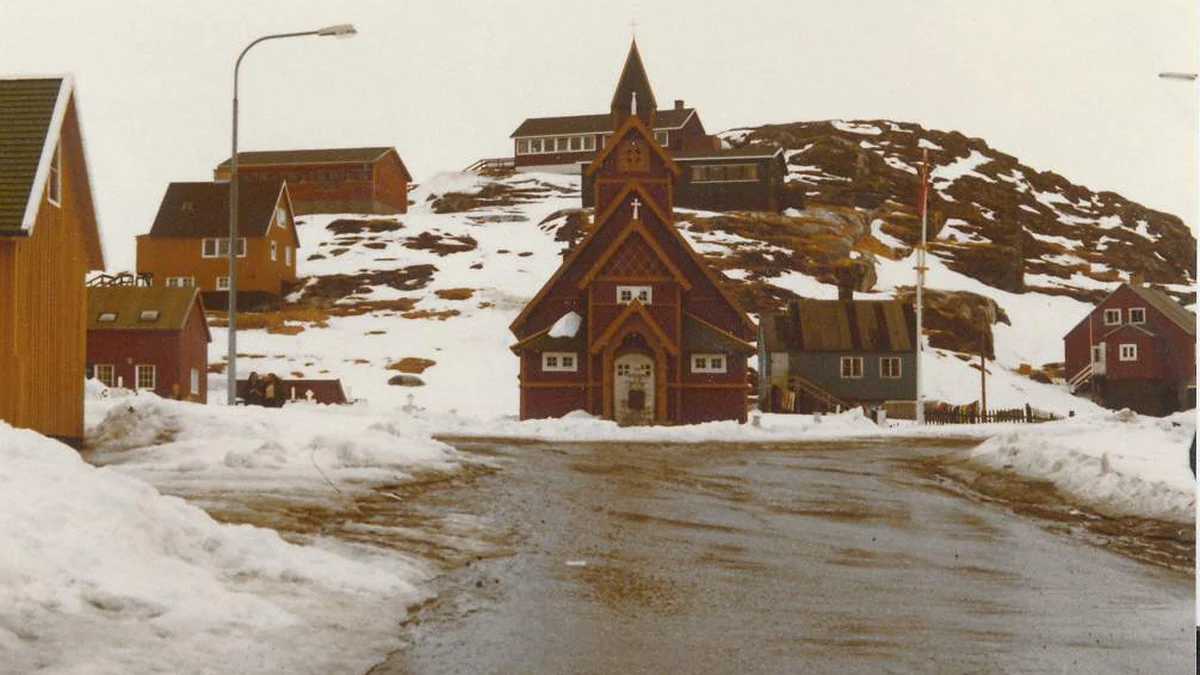
Paamiut cruise port is a small Greenlandic community call, not a miniature version of Nuuk or Qaqortoq. The attraction is the chance to walk through a lived-in town between sea, mountains and the mouth of Kuannersooq Fjord, with the distinctive wooden church, museum buildings and harbour forming the main route. Cruise-day quality depends less on ticking off sights than on landing conditions, local opening and how respectfully a shipload of visitors moves through the community.
Ships normally anchor and use tenders, with cruise visitors directed to the recognised landing facility. The AECO Paamiut community guidelines are unusually useful because they state local expectations directly: ask adults before photographing children, respect church services and funerals, and take care around the museum’s historic buildings. Those instructions belong at the centre of planning, not in small print after the excursion list.
Paamiut Cruise Port at a Glance
| Port name | Paamiut Cruise Port |
|---|---|
| Main cruise area | Anchorage off Paamiut with tender landing at the designated community landing |
| Cruise region | Antarctic / Arctic |
| Country / Territory | Greenland |
| Currency | Danish krone (DKK) |
| Languages | Greenlandic and Danish |
| Disembarkation | Tender |
| Walkability | High within the compact town, with hills and uneven surfaces beyond the centre |
| Shuttle required | No for a town visit |
| Main transport | Walking, tender, locally arranged boat or organised excursion |
| Best DIY option | Church, museum area, harbour and a respectful town walk |
| Main caution | Local activities and opening are call-specific; do not assume shops, museum or performances will operate for every ship |
Weather & Best Times to Visit Paamiut
January to March
Typical high: -5 to -1°C
Typical low: -11 to -6°C
Rain / conditions: Cold, snowy and windy, with limited daylight and sea ice or storm conditions possible.
April to June
Typical high: 1–9°C
Typical low: -4 to 3°C
Rain / conditions: Rapidly increasing daylight; snowmelt, cold winds and mixed surfaces are common.
July to September
Typical high: 7–12°C
Typical low: 2–6°C
Rain / conditions: Cool summer conditions with rain, fog and brisk winds possible even on brighter days.
October to December
Typical high: -3 to 5°C
Typical low: -9 to 0°C
Rain / conditions: Cooling quickly with shorter days, snow and more frequent weather disruption.
Weather guide: CruisePing summary based on NASA POWER climate data for Paamiut and the southwest Greenland coast. Check the latest forecast.
Fog and wind have more influence than the modest summer temperatures suggest. The harbour and hills can look magnificent in clear air, while low cloud narrows the day to the town itself. That is not a failed visit: Paamiut’s cultural value is local. Wear waterproof footwear because tender steps, gravel, boardwalks and damp roads may all appear in one short route.
How Cruise Passengers Arrive in Paamiut
Paamiut has no large conventional cruise terminal. Ships anchor offshore and passengers come ashore by tender when wind, swell and harbour operations permit. The AECO guidance identifies “the King’s Bridge” as the designated landing facility for cruise guests. Follow the ship’s direction rather than choosing another quay, because working waterfront areas are not general visitor space.
Tendering shapes the timetable. Expedition ships may organise groups and community activities in waves; a larger vessel may use tickets or priority arrangements. The first landing can be delayed by clearance or conditions, and the return can begin earlier than expected if the weather deteriorates. Keep the final part of your walk close to the waterfront and listen for ship announcements.
The landing is also the point at which the scale of Paamiut becomes clear. A substantial ship can add hundreds of people to a small community in a short period. Give residents room to use roads, shops and harbour facilities. Do not block the bridge or stand in groups across doorways while waiting for a guide. The most considerate visitors spread out, spend locally where services are open and avoid treating homes as exhibits.
Walking Around Paamiut Independently
The central town is compact enough for a self-guided walk. Begin with the harbour, then move towards the church and the historic buildings associated with the museum. Visit Greenland’s Paamiut guide provides destination context, but the ship’s local map is often more useful for the exact permitted route on the day.
Paamiut’s church is the visual anchor. Its Norwegian-inspired wooden form and prominent position make it easy to include, although entry is not guaranteed. A service, funeral or community event takes precedence over tourism. If the building is closed, appreciate it from a respectful distance and move on without photographing mourners or looking through windows.
The museum comprises a group of old buildings rather than one large purpose-built attraction. AECO specifically asks visitors not to touch the structures. Opening and payment arrangements may be organised around the call, or the complex may be viewed externally. Carry a card and some Danish kroner, but never assume a small museum can process a sudden queue efficiently.
Beyond the compact centre, gradients, exposed rock and variable surfaces increase. An informal viewpoint walk can be rewarding in clear weather, but only follow routes confirmed locally. Greenlandic terrain is not an urban park: marked paths may be limited, communications can be weak and weather can close in quickly. CruisePing would not head into the hills alone merely because another passenger points to a visible ridge.
Best Cruise-Compatible Things to Do from Paamiut
Paamiut church and town centre
Best for: A first understanding of the community and its distinctive architecture
Best way: Walk independently while respecting services, residents and any local route guidance
Watch: Interior access is not guaranteed and photography may be inappropriate during community events.
Paamiut Museum buildings
Best for: Local history presented through a group of preserved structures
Best way: Visit when opened for the ship, pay locally and follow staff instructions
Watch: The buildings are fragile; do not touch or lean on them, and opening can be call-specific.
Harbour and waterfront
Best for: Fishing-town atmosphere and views back towards the ship and mountains
Best way: Walk from the tender landing without entering working areas
Watch: Quays can be slippery and operational space must remain clear.
Local cultural presentation
Best for: Music, dance, craft or storytelling arranged for a particular call
Best way: Book through the ship or participate only when the community has scheduled an event
Watch: Do not expect performances on every visit; community capacity comes first.
Short guided nature walk
Best for: Local landscape, plants and views with context
Best way: Use a ship or locally organised guide who knows the day’s safe route
Watch: Weather, wet ground and limited trail infrastructure can change the plan.
Boat trip or fjord outing
Best for: A wider view of the coastline when conditions and local capacity allow
Best way: Choose an established ship excursion or locally confirmed operator
Watch: Small-boat availability is limited and marine weather can cancel the trip.
Birdlife observation
Best for: Paamiut is associated with white-tailed eagles and other coastal birds
Best way: Join a guided outing or watch quietly from town and harbour viewpoints
Watch: Wildlife is never guaranteed; avoid disturbance and long-range claims made by informal sellers.
CruisePing Recommended Port Day
For most passengers, CruisePing would take Paamiut slowly and on foot. Start with any scheduled community welcome or museum opening, then walk between the church, historic buildings and harbour. Leave time to buy a locally made item or refreshments if businesses are open. This is a place where a two-hour route can be more satisfying than a rushed attempt to manufacture a full-day excursion.
If the ship offers a locally supported guided walk, it is worth considering. The value is not transport but interpretation: understanding how the town relates to fishing, the coast and contemporary Greenlandic life. A nature or boat excursion should replace the town walk only if the conditions, operator and return plan are clear.
The low-risk fallback is simply to remain close to the landing, especially if fog, wind or tender delays shorten the call. The harbour, church exterior and central buildings still provide a meaningful visit. CruisePing would not chase a distant viewpoint after a late landing or join an unverified boat merely because the excursion desk has sold out.
DIY or Organised Excursion?
Paamiut town is DIY by scale, but organised interpretation can add value. There is no need for a coach and little reason to pay for basic transport around the centre. A community guide, museum visit or scheduled cultural activity directs spending locally and helps visitors understand what they are seeing.
Organised arrangements are better for anything outside the built-up area. A guide can judge surfaces, weather and wildlife etiquette, while a boat operator understands the local harbour and sea state. The key question is whether the activity is genuinely local and confirmed for your call. Generic pre-booking platforms may advertise experiences that do not operate when your ship arrives.
Expedition cruise teams often provide the most reliable link between passengers and the community because they coordinate landing numbers and local capacity. Follow their group timings even if the route appears simple. Independent freedom does not include ignoring a staggered landing system designed to reduce pressure.
Responsible Visiting in a Small Greenlandic Community
Paamiut’s population and services are limited compared with the number of passengers a cruise ship can carry. That imbalance changes ordinary travel behaviour. Ask before taking close photographs, particularly of children, people working, fish preparation or private homes. A colourful house is still somebody’s home, and a telephoto lens does not remove the need for consent.
Spend with realistic expectations. Shops may have queues, opening may be arranged for the ship, and card connections can fail. Buy because you value the product, not because you expect a performance of gratitude. Do not bargain aggressively over locally made work, and ask before handling craft items or museum objects.
Noise carries. Keep voices down near the church, cemetery and residential streets. Drones are not a casual cruise accessory in a settlement: aviation, wildlife, privacy and local rules apply, and permission may be required. Leave stones, plants, antlers and cultural material where they are. The memory and photographs should be what you take away.
Community guidelines are not a branding exercise. They express what residents have asked visitors to do. Sermersooq’s cruise conservation guidance reinforces the need to protect cultural and natural environments. Read it before landing rather than after an awkward encounter.
Mobility and Accessibility Planning
The tender is the main accessibility test. Boarding involves movement between the ship and a small boat, then a landing that may be wet or affected by swell. The captain and crew decide whether a passenger can transfer safely. Ask the cruise line in advance about wheelchairs, walkers and assistance; do not assume a sheltered-looking harbour guarantees an accessible operation.
Central Paamiut can be walked at a gentle pace, but surfaces may include gravel, uneven paving and slopes. Snowmelt or rain can create mud and puddles. A passenger who cannot manage the full circuit can remain near the waterfront and church area, provided the ship confirms the route. Seating and public toilets may be less plentiful than in a large European port.
Local vehicles are limited and should not be assumed available on arrival. State mobility needs when booking any excursion and ask about steps into boats, walking distance from the landing and the ability to sit during a cultural visit. The most accessible day may be a short community experience rather than a nominal sightseeing tour that includes difficult transfers.
Paamiut Port-Day Pitfalls and Practical Choices
- Do not assume every advertised activity operates. Local opening and excursions are often arranged around specific calls.
- Respect the church calendar. A service or funeral takes precedence; step back without complaint.
- Keep working quays clear. The designated landing does not make the whole harbour a pedestrian attraction.
- Avoid guaranteed-wildlife promises. Eagles, whales and other animals are possibilities, not scheduled sights.
- Stay within confirmed routes. A nearby hill can become a navigation problem in fog or changing weather.
- Return early to the tender. Marine conditions can bring forward operations, and there may be fewer boats than at a large port.
Paamiut Cruise Port Checklist
- Read the AECO Paamiut community guidelines before landing.
- Confirm the tender sequence, landing point and final return time.
- Wear waterproof footwear with grip and carry warm layers.
- Ask permission before photographing people and never photograph children without adult consent.
- Check whether the museum, church or cultural programme is open for your call.
- Carry a modest amount of Danish kroner as well as a payment card.
- Book boat or nature activities only through confirmed operators.
- Keep your route close to town if fog or wind increases.
Frequently Asked Questions
Is Paamiut a tender port?
Yes. Cruise ships generally anchor and use small boats to land passengers. The operation remains subject to sea and weather conditions.
Can I explore Paamiut without an excursion?
Yes. The church, harbour and museum area form a compact independent walk. A local guide adds context but transport is not required for the centre.
Will the museum be open?
Not necessarily. Opening can be arranged for individual calls and depends on local capacity. Follow the ship’s confirmed programme.
Can I see white-tailed eagles?
They are associated with the area, but sightings cannot be guaranteed. Choose responsible observation and avoid anyone promising a certain encounter.
What currency is used in Paamiut?
Greenland uses the Danish krone. Cards may work, but connectivity and small-business facilities can vary.
What should I do if the weather is poor?
Keep the visit local: harbour, church exterior, museum buildings if open and any scheduled indoor community activity. Do not start an exposed walk in worsening visibility.
CruisePing Port Verdict
Paamiut is rewarding when passengers accept its scale. It is not a port for collecting famous landmarks. The strength is an unhurried walk through a Greenlandic town, supported by local interpretation when available and governed by clear expectations of respect.
CruisePing would do the centre independently, pay for a genuine local guide or cultural programme where offered, and use an organised operator for boats or terrain beyond town. The smartest day leaves room for weather, local life and the possibility that less is open than a glossy excursion list implies.
Planning by Call Length
A short Paamiut call should remain within the harbour, church and museum area. A longer expedition stop may support guided walks, cultural activities or boats, but only when the community and ship have arranged them. Extra hours do not create unlimited local transport or guarantee that a shop will remain open.
If two ships call together, capacity becomes more important than duration. Follow staggered landing windows and do not crowd an event intended for a smaller group. Expedition staff may revise the sequence to protect community facilities; that is good destination management, not a loss of passenger freedom.
How to Make a Small-Community Call Feel Substantial
Paamiut does not need a long attraction list to justify the landing. A careful visit becomes substantial through attention: the design and setting of the church, the relationship between the historic museum buildings and the modern town, the working harbour and the mountains enclosing the settlement. A local guide can connect those elements, but an independent passenger can also slow down, read the ship’s material and look beyond the first row of colourful houses.
Use extra time to spread visitor pressure rather than lengthen the route. If a group is gathered at the museum, explore another street and return later. If a cultural presentation has limited capacity, accept the allocation rather than crowding the entrance. Shops and cafés may serve residents as well as passengers, so allow everyday business to continue. This behaviour improves the visit for everyone and supports the community more effectively than a hurried purchase made during a queue.
Photography deserves deliberate thought. Wide harbour and landscape views are usually straightforward, but portraits, children, homes and people working require permission and discretion. Put the camera away during a church service, funeral or sensitive event. The strongest photograph may be the town in its setting rather than a close image taken at somebody else’s expense.
When the weather shortens the call, focus on the designated landing, church exterior, harbour and any open community venue. Those places are close enough to be visited without gambling on visibility or terrain. Paamiut’s value lies in a respectful encounter with a living Greenlandic town. Finishing early and returning calmly is better than forcing an exposed walk after conditions have already turned.
Reading the Landscape Around Paamiut
Paamiut’s setting explains much of its character. The town stands where the coast opens towards fjords and mountains, with the harbour connecting everyday life to fishing and small-boat travel. In clear conditions, take time to look outward as well as at the buildings. The scale of the surrounding landscape is part of the visit, even when no formal nature excursion operates.
A guided walk may point out plants, birdlife or local place names, but passengers should not wander away from confirmed routes to improve a photograph. Low vegetation can be vulnerable to repeated footsteps, and exposed rock becomes slippery when wet. Stay on established tracks where they exist, give nesting birds space and follow any temporary local restriction. A route that is open for one call may be avoided on another because of weather or community activity.
White-tailed eagles are an important association with Paamiut, yet responsible observation is quiet and uncertain. Scan from a distance, use binoculars and allow the guide to decide when a bird is too close to approach. Feeding, playback calls and chasing a sighting by boat are not acceptable ways to manufacture an encounter. The absence of an eagle does not make the town walk unsuccessful.
What Local Interpretation Can Add
Without interpretation, visitors may describe Paamiut only as colourful and remote. A local guide can explain the church, the museum buildings, settlement history, fishing and the practical realities of living on this coast. That context prevents the town being reduced to a visual backdrop. Ask questions respectfully and avoid expecting one guide to speak for every Greenlander or for all of Greenland.
Cultural programmes should be attended on the community’s terms. Arrive at the stated time, do not move around for photographs during a performance and follow guidance on recording. If an event is cancelled because of illness, weather or another local priority, accept the change. Small communities do not have a replacement cast or venue waiting behind the scenes.
Passengers can also learn through ordinary observation: boats being prepared, families using the streets, goods moving from the harbour and the way buildings respond to wind and winter. Keep enough distance that observation does not become intrusion. The best small-community visits are reciprocal in tone: visitors receive welcome and knowledge, while residents retain privacy and control over how their town is presented.
A Quiet Final Hour in Paamiut
A passenger who wants more structure can use four themes: harbour, church, historic buildings and surrounding landscape. That creates a purposeful walk without turning private streets into a scavenger hunt. Leave time to sit, listen and notice changes in light over the water. In Paamiut, observation and restraint are part of the itinerary rather than evidence that nothing is happening.
Before returning, check whether a local organisation is selling publications, postcards or crafts connected to the community. A small, considered purchase can support local activity and provide better context than a generic souvenir. Ask about the maker and material, and accept that selection may be limited after an earlier group has visited.
Useful Official Links
- Visit Greenland: Paamiut
- AECO Paamiut community guidelines
- Sermersooq cruise conservation guidance
- Greenland cruise call list
- DMI Greenland weather
Ready to browse our article library?
Explore more ports across Antarctic / Arctic, browse CruisePing destinations in Greenland, or head to the main article library for cruise planning guides, port comparisons and practical ideas.