
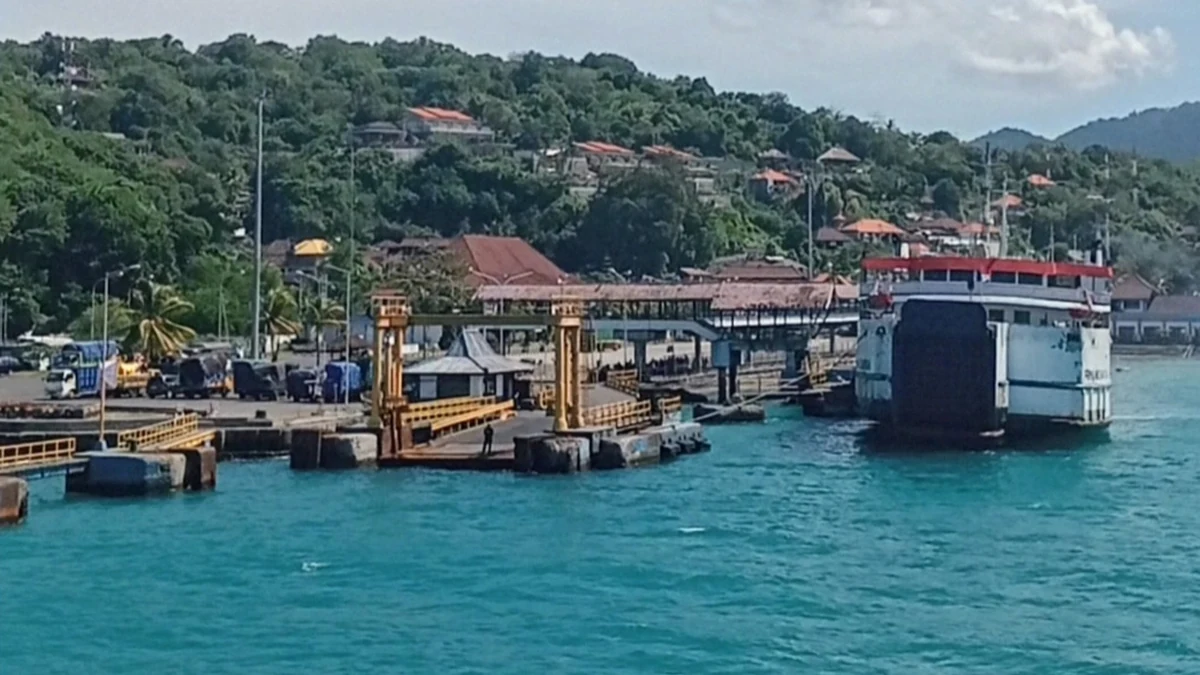
Padang Bai is a small east Bali harbour with a large planning consequence: it is not Benoa. Cruise ships calling here normally anchor and tender, while the shore is dominated by ferries and fast boats moving between Bali, Lombok, the Gili islands and Nusa Penida.
The location is valuable because it avoids starting on Bali’s crowded southern peninsula. Goa Lawah, Tenganan, Tirta Gangga and Karangasem are more logical than forcing a long cross-island race to every famous Bali landmark. The best day uses east Bali’s geography rather than treating Padang Bai as an inconvenient version of Benoa.
Padang Bai Cruise Port at a Glance
| Port name | Padang Bai Cruise Port (Bali) |
|---|---|
| Main arrival area | Ship-designated tender landing in or near Padang Bai harbour |
| Cruise region | Asia |
| Country / Territory | Indonesia |
| Currency | Indonesian rupiah (IDR) |
| Languages | Indonesian and Balinese; English in tourism businesses |
| Port role | East Bali tender call and gateway to Karangasem, temples, beaches and ferries |
| Disembarkation | Usually anchor and tender; the exact landing may be separate from the busy public ferry operation |
| Walkability | Moderate in Padang Bai village; low for east Bali attractions |
| Shuttle required | No dependable general shuttle; tours, taxis and pre-booked drivers are normally required beyond the village |
| Main transport | Tender, walking, taxis, private drivers, excursion minibuses, ferries and fast boats |
| Best first-time plan | Take a pre-booked east Bali route to Goa Lawah and one major inland sight, then return through Padang Bai |
| Main caution | Padang Bai is a working ferry harbour, not Benoa, and traffic or boat schedules can undermine ambitious independent connections |
Weather & Best Time to Visit Padang Bai
East Bali is warm throughout the year. The practical division is between the generally drier, windier middle of the year and the wetter, more humid months around the turn of the year. Mountain weather can differ sharply from the coast. Check the current forecast and marine conditions before choosing Blue Lagoon or Nusa Penida, because wind and swell affect both tendering and small boats.
| Month / season | Typical high | Typical low | Rain / conditions |
|---|---|---|---|
| January–March | 30°C | 24°C | Wet season, high humidity and a strong chance of heavy afternoon rain |
| April–June | 30°C | 24°C | Rain generally eases; heat remains strong and sea conditions can vary |
| July–September | 29°C | 23°C | Drier, often breezier and popular for touring and diving |
| October–December | 31°C | 24°C | Hot with humidity and rainfall increasing towards the wet season |
January to March
Keep temple and viewpoint plans flexible because tropical rain can slow narrow roads. A local east-coast route remains more resilient than a cross-island transfer to Ubud or south Bali.
April to June
This is a useful shoulder period for combining cultural sites with a beach or village stop. Morning departures still matter because road congestion does not depend entirely on the weather.
July to September
Drier weather favours viewpoints and outdoor temples, although wind can affect tenders and small boats. A sunny forecast inland does not guarantee a smooth ship-to-shore operation.
October to December
Heat builds before rain arrives. Use shade, temple-appropriate clothing and a driver with air conditioning; release the final stop if showers or traffic delay the route.
Understanding the Padang Bai Cruise Arrival
Padang Bai has a working public ferry port rather than a conventional international cruise terminal. Cruise tenders may use a ship-designated landing within the harbour area, and that route can change with port operations and sea conditions.
The ferry ramps, passenger boats, vehicles and ticket sellers create a busy first impression. Do not follow independent ferry passengers or assume the public terminal is the cruise meeting point. Photograph the tender landing and note the final tender time before leaving.
The harbour shown in current imagery sits at approximately the coordinates used in this article. Even so, a ship can choose a different safe landing. The cruise line’s daily notice remains the authority for the actual tender route.
Padang Bai Village and Nearby Beaches
Padang Bai itself is compact, with cafés, dive shops, small temples and a waterfront shaped by ferries rather than cruise retail. It can support a quiet local day when the tender call is short or weather has cancelled a wider excursion.
Blue Lagoon and Bias Tugel are close on a map but require paths, steps or local transport. The official Indonesia tourism material highlights the area’s small white-sand coves, while swimming safety and boat traffic still need a same-day check. See the official Bali beach guidance for current destination context.
Snorkelling operators should provide equipment, a clear boat plan and return time. Reefs can be affected by current, visibility and boat movement. A beach that looks sheltered from land may not be suitable on the day.
Goa Lawah and the East Bali Coast
Goa Lawah, the Bat Cave Temple, is one of the easiest cultural stops from Padang Bai. It is close enough to combine with another east Bali attraction without consuming the whole day in traffic.
Temple visits require respectful dress and behaviour. Sarongs may be available, but carrying a light covering avoids uncertainty. Ceremonies can change access, and visitors should not treat worshippers or ritual activity as a staged display.
The coastal road gives a useful sense of eastern Bali’s villages and working landscape. A driver can combine Goa Lawah with a beach, Tenganan or a viewpoint, but the route should still have a clear priority rather than a sequence of brief photo stops.
Tenganan, Tirta Gangga and Karangasem
Tenganan is associated with Bali Aga culture and traditional weaving. It works best with a guide who can explain community boundaries and the difference between genuine craft practice and retail claims. Ask before photographing people or ceremonies.
Tirta Gangga’s water gardens are a stronger full visit than a ten-minute stop. Paths, pools and stepping stones create attractive photographs, but heat and uneven surfaces can slow a mixed-mobility group. The drive from Padang Bai is significant enough that the site should be a centrepiece.
Taman Ujung or a coastal viewpoint can replace, rather than automatically accompany, Tirta Gangga. Two properly visited east Bali sites normally provide more value than four hurried entries and repeated vehicle loading.
Can You Visit Ubud from Padang Bai?
Ubud is possible on a long call, but the journey can take well over an hour each way and deteriorate with traffic. The town is not a single attraction: central streets, temples, markets and surrounding rice landscapes require their own time.
A Padang Bai-to-Ubud plan should choose one core zone and a driver who knows the cruise deadline. Do not add south Bali beaches or Tanah Lot simply because a tour title says “Bali highlights”. That creates a cross-island route dependent on several congested corridors.
Passengers beginning or ending a cruise in Bali can explore Ubud more comfortably during a hotel stay. A day call from Padang Bai is better used for east Bali unless Ubud is the clear non-negotiable goal.
Nusa Penida, Lombok and the Ferry Temptation
Padang Bai is a gateway for boats to other islands, and official tourism information describes access to Nusa Penida and nearby island groups. That does not make a same-day independent crossing sensible for most cruise passengers.
Public ferries and fast boats have their own check-in, boarding and weather risks. A delayed outbound journey, changed landing or full return sailing can leave no recovery margin. The ship’s tender adds another marine connection to the chain.
Use a cruise-line or reputable integrated excursion when an offshore island is essential. Otherwise remain on Bali. The island already offers enough variety without gambling the ship on an independently assembled boat timetable.
Transport and Drivers from Padang Bai
Taxis and drivers may gather near the harbour, but availability and vehicle standards vary. Pre-booking is valuable for a specific east Bali route. Ask for the driver’s name, vehicle registration, total price and whether parking or entrance fees are included.
Bali road distances should be judged in time, not kilometres. Narrow village roads, ceremonies, construction and congestion can alter a route quickly. A driver’s optimistic estimate should not replace a return buffer.
Ride-hailing pickup may be restricted or contested near transport hubs. Do not design the whole day around an app vehicle appearing at the tender landing. A confirmed driver or ship excursion removes that uncertainty.
Padang Bai Cruise Port: DIY or Organised Excursion?
A local village and beach day can be independent when the tender operates smoothly and the group is comfortable with paths and informal transport. Carry the ship’s return instructions and avoid committing to a boat whose schedule is outside cruise control.
An organised or private-driver route is preferable for Tirta Gangga, Tenganan, Ubud or several east Bali stops. The value is not only guiding; it is the ability to manage road timing and return to the correct landing.
Compare the excursion by useful time at the principal attraction. A low-priced tour with many retail stops may provide less Bali than a more focused driver booked for one temple and one garden.
CruisePing Recommended Padang Bai Port Day
Leave the landing with a pre-booked driver and visit Goa Lawah first. Continue either to Tenganan for culture and weaving or to Tirta Gangga for gardens and scenery. Do not try to complete both unless the call is generous and traffic is moving well.
Have lunch on the east-coast route, then return to Padang Bai with enough time for a short village walk or drink. This sequence protects the tender while still delivering a clear Bali experience.
For passengers avoiding long vehicle journeys, use Padang Bai, Blue Lagoon and one nearby temple. The simpler day is not second best when the alternative is four hours in traffic.
Mobility, Temples and Practical Comfort
Tender boarding is the first mobility test. Ask about steps, transfer boats and assistance. Padang Bai’s harbour surfaces, beach paths and temple entrances can be uneven, while Tirta Gangga includes steps and wet edges.
Temple clothing should cover shoulders and legs appropriately. Carry socks or footwear that is easy to remove where required, and avoid standing in ceremonial areas merely to obtain a photograph.
Heat, humidity and vehicle time affect families and older passengers. Keep water available, use toilets before longer drives and ensure children are safely restrained in the selected vehicle.
Food, Money and Local Etiquette
Indonesian rupiah is the normal currency. Tourist operators may quote in other currencies, but confirm the final rupiah amount and what it includes. Small businesses and entrance points may be cash-only.
Padang Bai and the east coast offer fish, rice dishes, satay and Balinese food without requiring a resort meal. Choose a clean, established venue with enough time to eat rather than accepting an unexplained stop that primarily serves the driver’s route.
Politeness matters in villages and temples. Ask before photographing, follow local signs, and do not climb structures or enter restricted areas. Cultural access is hospitality, not unrestricted visitor entitlement.
Common Padang Bai Cruise Port Mistakes
- Confusing Padang Bai with Benoa: they are different ports on different parts of Bali.
- Following public ferry passengers: the cruise tender route and deadline are separate.
- Attempting Nusa Penida independently: too many marine connections depend on weather and capacity.
- Planning Bali by kilometres: traffic makes elapsed time the useful measure.
- Booking a “highlights” tour with no priority: retail stops and long roads can erase the main experience.
Practical Travel Times from Padang Bai
Goa Lawah is the easiest substantial excursion, often around twenty minutes away in ordinary conditions. Tenganan commonly needs about forty-five minutes, while Tirta Gangga can require an hour or more. These are planning ranges rather than promises; ceremonies, road works and local traffic can change them.
Ubud often needs at least ninety minutes each way and can exceed two hours. South Bali, including Kuta and the airport district, is normally less logical from Padang Bai than from Benoa. The official Bali destination guide shows why Bali should be understood as several destination zones, not one compact resort.
A driver offering Besakih, Ubud, Tanah Lot and a beach in one call is describing geography, not a credible timetable. Ask how many minutes will be spent at each principal site after parking, ticketing and walking.
Three Sensible East Bali Routes
Culture route: Goa Lawah, Tenganan and a local lunch. This gives temple context, village craft and manageable road time. It suits passengers more interested in living culture than famous Bali resort imagery.
Landscape route: Tirta Gangga with one coastal or rice-field viewpoint. The garden becomes the centrepiece, and the driver can adjust the secondary stop for weather and traffic.
Low-transfer route: Padang Bai village, Blue Lagoon or Bias Tugel, and one nearby temple. This is appropriate for a short call, tender uncertainty or passengers who do not want several hours in a vehicle.
The official Nusa islands guide explains Padang Bai’s relationship with the nearby Nusa islands. It is useful geographic context, but it should not be read as a recommendation for an independent cruise-day crossing.
Tender Queues and the Working Ferry Harbour
Padang Bai’s public harbour handles vehicles, freight, ferries and fast boats. Cruise passengers should expect noise, traffic and operational barriers rather than a landscaped welcome centre. Follow crew or local port directions and do not cross vehicle lanes without instruction.
The final tender can queue when excursion buses return together. Arriving early protects against both the shore queue and the boat ride. The published all-aboard time is not permission to reach the harbour at that minute.
If sea conditions deteriorate, the ship may accelerate the return or change the landing. Keep the ship card and communication method available throughout the day. A private driver should be told to monitor messages rather than waiting at a distant attraction.
Shopping, Guides and Tour-Seller Pressure
The landing area can produce urgent offers for transport and fast boats. Slow the conversation down. Confirm the vehicle, route, duration, currency and return point before paying. A laminated attraction list does not demonstrate that the seller controls the transport.
Craft stops can add value when the group wants weaving, carving or local products. They become padding when inserted only for commission. Ask which stop is optional and how much time it takes from the principal attraction.
A licensed guide is particularly useful at temples and traditional villages. A driver may know the roads but provide limited cultural interpretation. Decide whether the day needs transport, guiding or both.
Accessibility and Tender Alternatives
Passengers unable to board a tender should confirm the cruise line’s policy before the call. Shore operators cannot solve an inaccessible ship transfer. When tendering is possible but strenuous, choose a vehicle route with level drop-offs rather than adding beaches and steep temple paths.
Goa Lawah and selected viewpoints may be easier than Tirta Gangga stepping stones or beach paths, although exact access changes. Ask for photographs of the entrance and walking surface if mobility determines the booking.
A Door-to-Door Padang Bai Timing Check
Begin with the tender, not the attraction. A ship may need twenty to forty minutes to load and reach shore, followed by a harbour walk, vehicle identification and traffic through the village. The same stages occur in reverse, with a possible queue before the final tender.
For Tirta Gangga, allow roughly an hour outward in normal conditions, at least ninety minutes at the gardens and a similar return. Lunch and one short secondary stop can fit around that core. Adding Ubud to the same route usually removes the buffer rather than creating a fuller Bali day.
For Tenganan, allow enough time for a guide-led visit and craft explanation. The village should not be treated as a drive-through attraction. Goa Lawah can sit before or after it because the temple is close to the coast, but a long beach stop should be released if traffic slows.
For Ubud, leave the landing immediately and choose central Ubud plus one nearby element. Set a firm departure from Ubud several hours before the ship deadline. Shopping, rice terraces and a distant temple cannot all become “quick stops” on the return.
Record the tender deadline in local time and check whether the ship remains on the same time zone as Bali. A phone that changes automatically can create confusion when passengers compare it with the ship card or tour guide’s clock.
Time Zones, Phones and Driver Contact
Bali uses Central Indonesia Time. Confirm whether the ship keeps local time or a different onboard clock, then set one alarm according to the ship’s instruction. Automatic phone changes can create disagreement within a group when one device has updated and another has not. Save the driver’s WhatsApp number, vehicle plate and a screenshot of the tender notice. Mobile coverage is usually available along the main roads, but temple valleys and crowded networks can delay messages. Give the driver a physical fallback meeting point and a departure time that does not depend on receiving a final text. Keep the harbour name written as Padang Bai, since a search for Padang alone can point to an unrelated Indonesian city far from Bali. This prevents a costly booking error before the ship arrives.
Padang Bai Cruise Port Checklist
- Confirm the exact tender landing.
- Book a driver for inland east Bali.
- Choose one principal temple, village or garden.
- Carry rupiah and temple-appropriate clothing.
- Check sea conditions for beaches or boats.
- Avoid independent island ferry connections.
- Return to Padang Bai before the tender margin becomes tight.
Useful Official Links
Official Indonesian tourism pages provide destination context; the ship remains the primary source for the tender landing and call-specific operation.
- Official Bali destination guide
- Official Bali beach guide including Padang Bai coves
- Official Nusa Penida guide
- Official Nusa islands planning guide
Padang Bai Cruise Port FAQ
Do cruise ships dock at Padang Bai?
Most cruise calls anchor and use tenders. The exact shore landing depends on the ship, port operation and sea conditions.
Is Padang Bai the same cruise port as Benoa?
No. Padang Bai is on Bali’s east coast; Benoa is the main cruise gateway on the southern peninsula.
Can you walk to a beach?
Nearby coves can be reached from the village, but paths and steps may be demanding and swimming conditions need checking.
Can you visit Ubud?
Yes on a long call with a pre-booked driver, but the journey is traffic-sensitive and should be the day’s main objective.
Should cruise passengers take a ferry to Nusa Penida?
An independent ferry plan carries substantial timing risk because it adds public boat connections to the ship’s tender operation.
What currency is used?
Use Indonesian rupiah. Confirm whether tours, entry fees and parking are included in a quoted price.
CruisePing Port Verdict
Padang Bai is valuable precisely because it opens east Bali rather than repeating the standard southern-Bali route. Its small harbour demands more operational care, but it places passengers closer to temples, villages and landscapes that many Bali visitors miss.
CruisePing would use a confirmed driver for Goa Lawah and either Tenganan or Tirta Gangga, then finish near the harbour. Ubud is possible, but a focused east Bali day is usually the stronger choice.
Ready to browse our article library?
Looking beyond Padang Bai? Explore more ports in the Asia region, or narrow it to Indonesia in particular. For cruise comparisons, planning shortcuts and value guides, head over to our main article archive.