
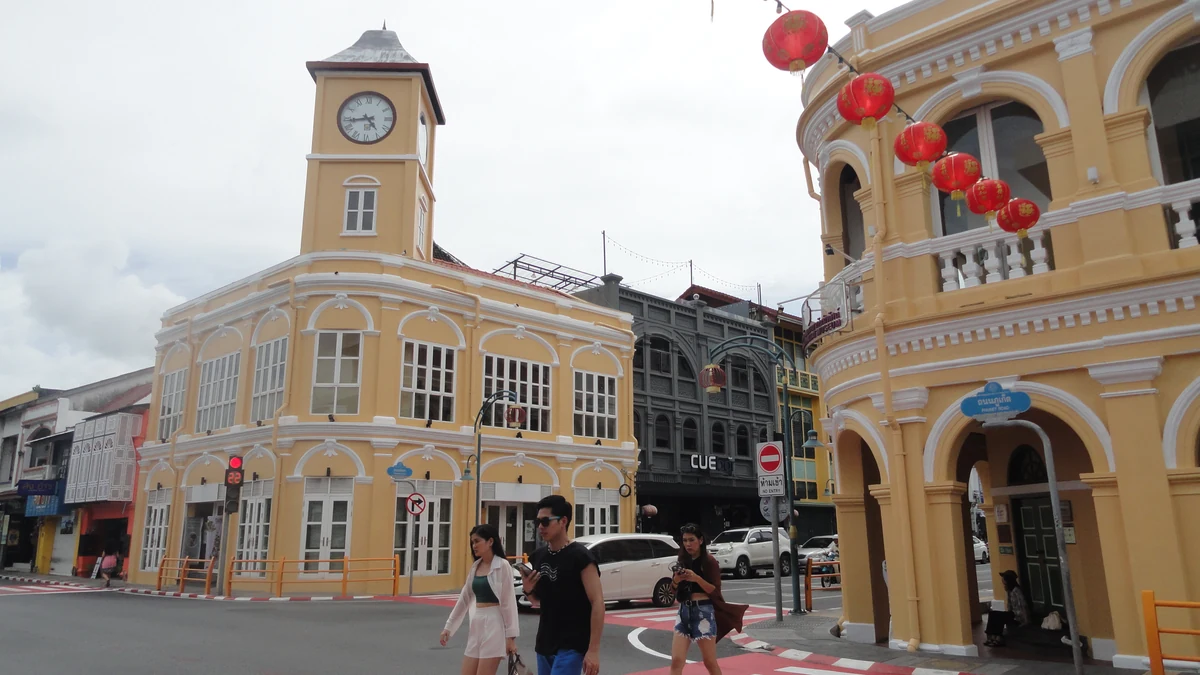
Phuket cruise port has two very different faces. A ship may berth at Phuket Deep Sea Port in Ao Makham on the east coast, or anchor off Patong and tender passengers to the west-coast resort area. The distance between those arrival points means a plan that is excellent for one can be poor for the other.
The Tourism Authority of Thailand’s official Phuket page shows the island’s breadth: beaches, viewpoints, temples and a distinctive Old Town. A cruise day needs a narrower choice. Trying to cross the island repeatedly is the usual way to spend more time in traffic than at the sights.
CruisePing’s first-time default from Ao Makham is Old Phuket Town plus Wat Chalong and one viewpoint or beach. From a Patong tender, keep the day west-coast based unless you have a confirmed driver and a generous call.
Phuket Cruise Port at a Glance
| Port name | Phuket Cruise Port |
|---|---|
| Main arrival area | Either Phuket Deep Sea Port at Ao Makham on the east coast or an offshore anchorage with tenders to Patong on the west coast |
| Cruise region | Asia |
| Country / Territory | Thailand |
| Currency | Thai baht (THB) |
| Languages | Thai; English is common in established visitor areas |
| Port role | Day call |
| Disembarkation | Docked or tendered; the arrival side can change the entire route |
| Walkability | Good around Patong or Old Phuket Town once there; very poor from Ao Makham port |
| Shuttle required | Usually needed from Ao Makham; tender passengers arrive directly in busy Patong |
| Main transport | Ship excursion, shuttle, pre-booked driver, taxi or ride-hailing away from port restrictions |
| Best first-time plan | Confirm east-coast dock or west-coast tender, then choose Old Town and Wat Chalong, or a beach-centred Patong day |
| Main caution | Never book a pickup until the exact arrival side and tender arrangements are confirmed |
Live Checks Before Leaving the Ship
For Phuket, use Tourism Authority of Thailand: Phuket to confirm the arrival context, TAT: 10 things to do in Phuket for the main destination choice, TAT one-day Phuket route for access or attraction detail, and Thai Meteorological Department: Phuket for live weather or service changes. Keep the Phuket ship programme open as well: public pages cannot override the berth, shuttle, tender or all-aboard instructions issued for this call.
Dock or Tender: Check First
Ao Makham is a commercial deep-sea berth south-east of Phuket Town, while Patong tenders land in a dense resort district on the opposite coast. Read the ship’s daily notice and give the exact pier or tender landing to your operator. Seasonal patterns are useful clues but not guarantees; weather and operations can change the plan. To retain a route that begins on the correct side of the island, put the pickup point and latest departure in the same plan and preserve the return margin when a late start shortens the visit.
Ao Makham Deep Sea Port
The deep-sea port has little independent sightseeing at the gate and is not a pleasant walk into Phuket Town. For this route, use the ship shuttle, excursion or a port-approved pre-booked vehicle. Taxis may be expensive or controlled, and ride-hailing pickup can be difficult inside the port. If the outbound leg runs late, drop an optional follow-on stop before moving the ship return later, leaving a clean exit from the industrial area.
Patong Tender Landing
A Patong arrival places beaches, shopping and restaurants close by, but tender queues set the real start and finish. Sea state can slow boarding, and everyone may converge on the landing late in the day. The practical response is to note the last tender and return well before it rather than treating it as a ferry timetable. The full timetable—port exit, visit and return through security—must fit; otherwise a relaxed west-coast visit with marine buffer is only a best-case assumption.
Cross-Island Traffic
Phuket roads narrow around hills and resort corridors, and journey times can expand sharply. Group the day geographically and avoid repeated east-west crossings. Allow for the possibility that a route that looks short in kilometres can be long in traffic. Share the collection point and departure time with the whole group; that avoids losing the margin needed for more time at chosen places and less inside a vehicle.
Old Phuket Town
The official TAT list of Phuket highlights includes Old Phuket Town and its Sino-colonial streets. Work backwards from all-aboard time and walk a compact loop around Thalang, Dibuk and Phang Nga roads and agree a driver collection point. Heat, one-way streets and scarce parking can make spontaneous pickup difficult. Treat this stage as a timed commitment even when no ticket is required; a written turnaround makes later changes easier and gives you architecture, cafés and local character in one concentrated area.
Wat Chalong
The official one-day route from TAT presents Wat Chalong as a central cultural stop. Dress modestly, remove footwear where instructed and allow for tour-coach peaks. A temple visit is not interchangeable with a quick roadside photo; active worship requires patience and respect. If the stop becomes a rushed extra, remove it before reducing the port-security, shuttle or tender buffer, keeping a meaningful cultural anchor between town and southern viewpoints intact.
Phuket Big Buddha Access
The hilltop Big Buddha area has been subject to access restrictions and safety controls following landslide concerns. A workable cruise-day choice is to verify official local status on the day and avoid building the route around assumed reopening. Old blog posts and tour listings can remain online after conditions change. Ask the operator which stage is most likely to cause delay and what alternative they will use; a clear answer supports a safe substitution to a confirmed viewpoint when needed.
Promthep Cape and Viewpoints
Southern viewpoints can deliver wide coastal scenery, especially when paired with Wat Chalong. Choose one viewpoint and allow for slow approach roads and coach parking. Build the return around the fact that collecting Karon, Windmill and Promthep in sequence produces repeated stops with similar value. Agree the total fare, waiting arrangement and final drop-off before setting off, which gives one strong panorama without losing the route.
Patong Beach
Patong is convenient for tender passengers and provides abundant facilities, but it is Phuket’s busiest resort. Set the limit before setting off: select a defined beach zone and keep valuables attended. Crowds, traffic and persistent selling can overwhelm passengers seeking a quiet tropical beach. If access changes, use the nearest named fallback rather than searching while already on the road, leaving room for easy access and services when convenience is the priority.
Kata and Karon Beaches
Kata and Karon often feel less compressed than Patong but require a road transfer. Use them as the main beach choice rather than an extra after a full island tour. Since return traffic over the hills can be slower than the outbound trip, distinguish the last comfortable departure from the last theoretically possible one and use the earlier time. That protects a more beach-focused day with a clear pickup plan.
Rawai and Southern Coast
Rawai is a working waterfront and seafood area rather than a classic swimming beach. Map distance and operational ease can differ. Visit for atmosphere, boats or lunch and use nearby beaches for swimming. Marketing shorthand can create the wrong expectation about sand and water access. Keep the route geographically compact and add a second distant stop only when the return calculation still supports a local coastal stop that matches its actual character.
Phang Nga Bay Excursions
Boat trips to limestone scenery are among Phuket’s headline excursions, but they involve road transfer, marine boarding and weather exposure. Use one clear priority and book a cruise-compatible operator or ship excursion and treat it as the whole day. A generic hotel tour may return according to resort schedules, not all-aboard time. Decide before arrival what a successful visit requires; any extra stop should preserve spectacular scenery with accountable logistics.
Phi Phi Islands
Phi Phi is farther and more operationally demanding than a simple nearby-island outing. Choose it only on a long call with a purpose-built cruise excursion. Rough seas, speedboat comfort and multiple stops reduce timetable resilience. To retain a genuine island day rather than an overextended sampler, put the pickup point and latest departure in the same plan and preserve the return margin when a late start shortens the visit.
Elephant Experiences
Animal attractions vary greatly in welfare standards and transparency. For this route, research independently and favour observation-led sanctuaries that do not offer riding or forced performances. A convenient shore-tour label does not guarantee responsible practice. If the outbound leg runs late, drop an optional follow-on stop before moving the ship return later, leaving an experience aligned with animal welfare rather than a staged photograph.
Shopping and Markets
Phuket offers malls, night-market formats and Old Town shops, but opening times may not match a daytime call. A market advertised by name may operate only on specific evenings or weekdays. The practical response is to shop within the area already chosen instead of adding a cross-island retail detour. The full timetable—port exit, visit and return through security—must fit; otherwise useful browsing without a wasted transfer is only a best-case assumption.
Thai Food on a Port Day
Old Town and the beach districts provide excellent southern Thai food at different price levels. Order a manageable meal near the final planned stop and confirm spice preferences. Allow for the possibility that a slow seafood selection process or beach-club lunch can absorb the return margin. Share the collection point and departure time with the whole group; that avoids losing the margin needed for a memorable meal that supports rather than dominates the itinerary.
Taxis, Drivers and Pricing
Phuket transport can be expensive compared with other parts of Thailand, especially from cruise arrival points. Work backwards from all-aboard time and agree the total price, route, waiting time and currency before departure. A cheap first leg can lead to renegotiation at a remote viewpoint. Treat this stage as a timed commitment even when no ticket is required; a written turnaround makes later changes easier and gives you predictable cost and a driver who remains available.
Ride-Hailing Limitations
Apps can work around the island, but geofenced or controlled pickup areas may apply at ports and busy resorts. Walk only to an authorised meeting point supplied by the driver or cruise line. Following an app pin onto an unsafe road shoulder or restricted port road is not a solution. If the stop becomes a rushed extra, remove it before reducing the port-security, shuttle or tender buffer, keeping digital convenience within local access rules intact.
Heat, Rain and Sea State
Phuket is hot year-round, while the south-west monsoon brings heavier rain and rougher seas. A workable cruise-day choice is to check the Thai Meteorological Department forecast and retain an inland fallback. A sunny morning does not prove that afternoon tender or speedboat conditions will remain calm. Ask the operator which stage is most likely to cause delay and what alternative they will use; a clear answer supports a plan that can switch between beach, town and temple.
Mobility and Accessibility
Tender steps, floating pontoons, uneven temple surfaces and high vehicle steps all matter. Ask the cruise line which arrival method is scheduled and whether accessible tenders or coaches are available. Build the return around the fact that the island’s general tourism infrastructure does not make every shore excursion accessible. Agree the total fare, waiting arrangement and final drop-off before setting off, which gives a route selected around real transfer barriers.
A Four-Hour Call
A short stay demands strict geography: Patong tender passengers should remain nearby, while Ao Makham passengers should choose Old Town or one southern circuit. Set the limit before setting off: remove long boat trips and distant beaches from the plan. Cross-island transfers can consume half the usable time. If access changes, use the nearest named fallback rather than searching while already on the road, leaving room for one satisfying area rather than island-wide frustration.
A Full-Day Call
A long call can support Old Town, Wat Chalong and one coastal choice, or a dedicated marine excursion. Decide between land and sea before booking. Since trying to complete both creates two separate chains of traffic and weather risk, distinguish the last comfortable departure from the last theoretically possible one and use the earlier time. That protects depth in the experience that matters most.
Independent or Ship Excursion
Independent touring works well with a reliable driver and confirmed arrival, while marine trips benefit from ship protection. Map distance and operational ease can differ. Use a ship excursion for long boat routes or uncertain return chains. A hotel-oriented operator may not understand tender priority or Ao Makham access. Keep the route geographically compact and add a second distant stop only when the return calculation still supports freedom for island touring and protection for fragile logistics.
Return-to-Ship Buffer
The correct buffer differs by arrival: docked passengers need road and port time; tender passengers need queue and sea time. Use one clear priority and aim for the official return point 90 minutes early on complex routes. Phuket’s congestion and weather are both capable of erasing a thin margin. Decide before arrival what a successful visit requires; any extra stop should preserve a calm final transfer rather than a contest with the clock.
Driver Route Discipline
Drivers may suggest extra viewpoints, jewellery stops or shopping venues during the day. Decline politely when they do not serve the agreed route and timetable. Commission stops can fragment a carefully planned circuit. To retain control over the day you actually booked, put the pickup point and latest departure in the same plan and preserve the return margin when a late start shortens the visit.
Beach Safety
Flags, currents and surf conditions vary between beaches and seasons. For this route, swim only where conditions and local warnings permit. A famous beach is not automatically safe on the day of your call. If the outbound leg runs late, drop an optional follow-on stop before moving the ship return later, leaving enjoyment without treating the sea as predictable.
Tender-Day Belongings
Patong landings may involve wet steps, sand and crowded transfer points. Loose bags and unsuitable footwear complicate boarding. The practical response is to use a small water-resistant bag and keep documents secure. The full timetable—port exit, visit and return through security—must fit; otherwise an easier transition between tender, beach and town is only a best-case assumption.
Planning Scenarios for Phuket
An Ao Makham circuit
From Phuket Deep Sea Port, Old Phuket Town, Wat Chalong and one southern viewpoint or beach form a logical arc. The route stays on the east and south of the island and avoids a needless Patong crossing. Use a waiting vehicle, because the industrial port is not a convenient place to find a replacement ride late in the day.
A Patong tender circuit
From Patong, keep the day on the west coast unless the call is long and the driver is confirmed. A beach, one viewpoint and local shopping or lunch leave a proper tender buffer. Crossing to Old Town and back can work, but it should replace most west-coast stops rather than sit on top of them.
The cost of changing coasts
Phuket traffic is most damaging when the plan repeatedly switches between east-coast culture and west-coast beaches. Decide which side carries the main objective, then choose the nearest supporting stop. A route with fewer kilometres can still be slower when it passes through busy junctions at the wrong time.
Old Town without a parking problem
Agree a collection street and time before beginning the Old Town walk. One-way roads and limited stopping space make “pick us up somewhere nearby” a poor instruction. A compact circuit through the Sino-Portuguese streets, a café and one market area is enough; the driver can then continue south without circling for the group.
Boat trips and island excursions
A speedboat or island trip should replace the land circuit. Confirm the operator’s departure pier, sea-condition policy and return transport to the correct cruise landing. The ship may tender at Patong while an excursion departs elsewhere, so the final road leg must be part of the booking rather than an assumption.
Beach time with a fixed pickup
Choose a beach with a clear road collection point and tell the driver how long to wait. Beach clubs, public access points and resort entrances are not interchangeable meeting places. Return to the vehicle before the agreed time; finding a separated group in heat and traffic can erase a sensible port margin.
Rain and tender disruption
A wet forecast affects more than comfort in Phuket. It slows cross-island roads and can alter tender or small-boat operation. Keep Old Town, a temple or a sheltered lunch as the land fallback, but wait for the ship to confirm the arrival method before committing money to a route based on Patong or Ao Makham.
Weather & Best Time to Visit Phuket
| Month / season | Typical high | Typical low | Rain / conditions |
|---|---|---|---|
| November–February | 31°C | 24°C | Drier season with lower rainfall, though showers still occur |
| March–April | 33°C | 25°C | Hottest period with strong sun and rising humidity |
| May–October | 31°C | 25°C | South-west monsoon; frequent rain, rougher seas and variable tender conditions |
For Phuket, weather is operational. Rain can slow roads, but wind and swell can change tendering and boat excursions altogether. Check the Thai Meteorological Department’s Phuket forecast, then check the ship’s notice again; the ship’s final arrival method overrides a seasonal rule of thumb.
Useful Official Links
- Tourism Authority of Thailand: Phuket
- TAT: 10 things to do in Phuket
- TAT one-day Phuket route
- Thai Meteorological Department: Phuket
CruisePing Port Verdict
Phuket’s difficulty comes from the way the arrival side, traffic and sea conditions reshape its many options. CruisePing recommends one geographical circuit from Ao Makham or a west-coast day from Patong. Confirm the landing first, then resist the temptation to cross the island repeatedly.
Ready to browse our article library?
Looking beyond Phuket? Explore more ports in the Asia region, or narrow it to Thailand in particular. For cruise comparisons, planning shortcuts and value guides, head over to our main article archive.