
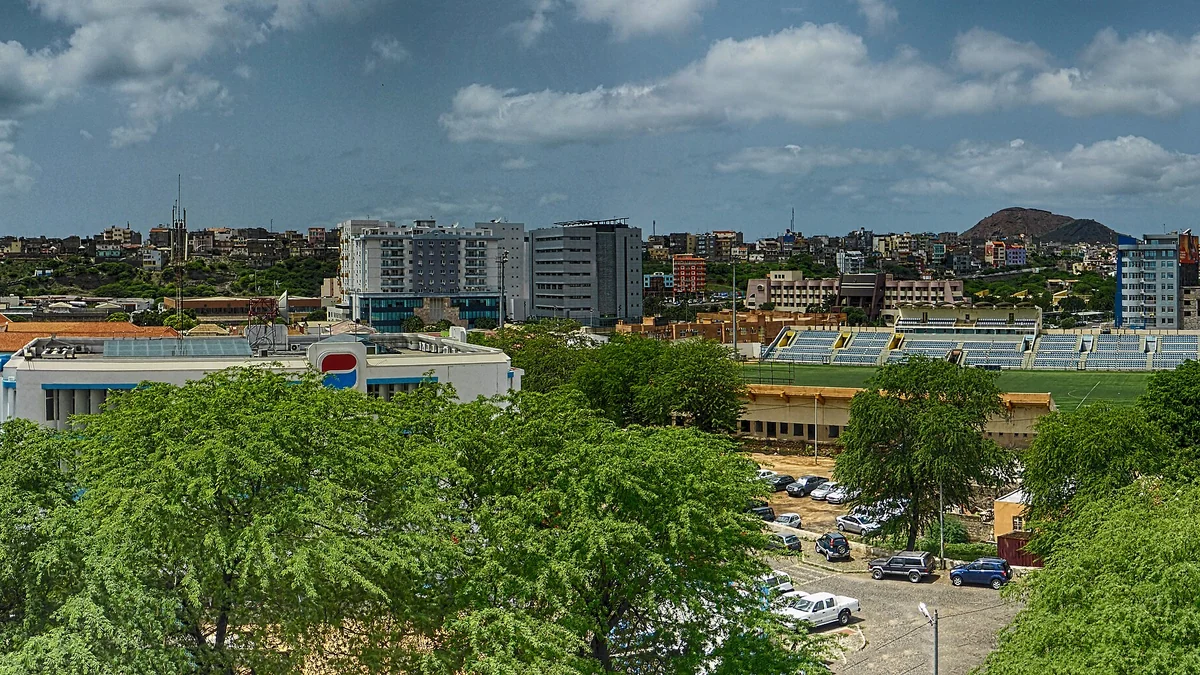
Praia cruise port places passengers at the working harbour of Santiago, the largest island in Cape Verde, rather than at a purpose-built promenade. The ship normally berths within a secured commercial zone and passengers leave by shuttle, coach or authorised vehicle. The map pin marks a stable harbour reference, not a promise of one permanent passenger terminal. A new terminal project began construction in 2026, so older descriptions of the port and future promotional material should not be treated as interchangeable.
The strongest first visit combines Cidade Velha, the historic former capital, with a focused look at Praia’s Plateau. CruisePing recommends taking the longer heritage transfer first, then using the city for the flexible part of the day. Trying to add Tarrafal, Serra Malagueta or a full circuit of Santiago creates too much road time for an ordinary call and leaves the most important return margin exposed.
Praia Cruise Port at a Glance
| Port name | Praia |
|---|---|
| Main arrival area | Secured commercial Port of Praia harbour and ship-arranged transfer point |
| Cruise region | Africa |
| Country / Territory | Cape Verde |
| Currency | Cape Verdean escudo (CVE) |
| Languages | Portuguese and Cape Verdean Creole |
| Port role | Day Call |
| Disembarkation | Usually berthed; use the ship shuttle, coach or authorised vehicle through the port |
| Walkability | Good on the Plateau after transfer, not from the commercial berth |
| Shuttle required | Yes in normal operations |
| Main transport | Port shuttle, pre-booked driver, organised tour and walking |
| Best first-time plan | Visit Cidade Velha first, then explore the Plateau, market and viewpoints in Praia |
| Main caution | Santiago road journeys consume time quickly, the port is industrial and midday heat makes ambitious walking uncomfortable |
Start by Understanding the Working Port
Praia’s harbour handles cargo as well as visiting ships, so the route from gangway to city is controlled by security and daily operations. A berth that appears close to the waterfront on a map can still be separated from public streets by fences, vehicle lanes and access checks. The 2026 passenger-terminal construction announcement from the Cape Verde project authority confirms that the port environment is changing, but it does not mean every cruise call already uses a finished dedicated building. Follow the ship notice for the shuttle stop and return gate.
Photograph the drop-off point, note the last shuttle and keep the ship card ready before entering the port again. CruisePing would not walk out through an unfamiliar commercial gate or assume a taxi can drive directly to the gangway. Passengers with reduced mobility should ask whether the shuttle is low-floor and whether the Plateau drop-off avoids steep streets. The operational transfer is part of the port day, not a minor detail to solve after leaving the ship.
Cidade Velha Is the First-Time Priority
The UNESCO World Heritage listing and the official Cape Verde tourism route provide a reliable framework for understanding the settlement. Use them to identify the fort, Rua Banana and the principal religious sites before choosing a tour. Cidade Velha gives Santiago its clearest historical narrative: the old colonial settlement, fortifications, churches and lanes explain why the island mattered long before modern Praia became the capital. The site deserves a guide who can connect the surviving places rather than a rapid photograph from a coach window.
Do not let a guide extend the visit into an unplanned island circuit. The return to Praia can slow, and the Plateau is worth preserving as a flexible final chapter rather than sacrificing it to another distant viewpoint. CruisePing recommends travelling to Cidade Velha early, while temperatures are lower and the day still has slack. A private driver or organised excursion is better than assembling an improvised sequence of local transport on a fixed ship deadline.
The Plateau Works Best as a Compact Walking Loop
Praia’s elevated centre concentrates the presidential and civic buildings, church, viewpoints, shops and market activity within a manageable area. It is the right place for independent time once the port shuttle or driver has delivered passengers to a clear starting point. Walk downhill only when you know how you will return to the shuttle. The Plateau name is literal: slopes and steps can become tiring in heat, particularly after a morning at Cidade Velha. Use a taxi for a mobility-friendly loop if cobbles or gradients are a concern.
The official Santiago visitor guide presents Praia alongside the island’s wider culture, but a cruise visit benefits from restraint. Choose the pedestrian streets, Alexandre Albuquerque square, a viewpoint and one market rather than treating every neighbourhood as essential. CruisePing would finish with coffee, music or a short local lunch near the central squares. The city becomes more memorable through one unrushed encounter than through a checklist of municipal buildings.
Markets Need Curiosity and Sensible Expectations
Carry a modest amount of Cape Verdean escudos for small purchases and confirm prices before accepting a service. Cards may work in established businesses, yet cash remains more practical for inexpensive food, crafts and taxis. Praia’s markets offer produce, fish, clothing and everyday commerce rather than a polished cruise attraction. That is precisely their value, but it also means narrow aisles, uneven surfaces and busy exchanges. Ask permission before photographing individual traders or close-up displays.
A market should support the city route, not consume the entire afternoon. CruisePing recommends twenty to forty minutes, followed by a shaded café or viewpoint where the group can regroup without blocking traders. The official Santiago tourism information is useful for wider context, while a local guide helps distinguish the central municipal market from Assomada and other island markets that require a separate drive. Do not confuse a city stop with a full rural market excursion.
Beaches Are a Secondary Choice on a First Call
Gamboa and Quebra Canela put the Atlantic within easy reach of central Praia, but neither replaces the island’s heritage. A beach stop makes sense for repeat visitors, families wanting an easy afternoon or passengers whose mobility makes Cidade Velha’s surfaces unsuitable. The coastal panorama and urban beaches shown in the official Santiago guide can look calm, yet Atlantic swell, currents and seasonal wind require local judgement. Use staffed or well-used areas and obey warning flags.
Choose one beach close to the city and retain a direct taxi plan back to the authorised port entrance. Do not leave valuables unattended or expect resort-style changing facilities at every stretch of sand. CruisePing prefers a short coastal pause after the Plateau, not a cross-island beach chase. The island has better-known strands farther away, but the extra road time rarely improves a first cruise day enough to justify the risk.
An Island Circuit Is Usually Too Much
The official island overview shows the spread of attractions beyond Praia. Use it to plan a future land stay or a genuinely long call, not to assemble an unrealistic same-day loop from a cruise berth. Santiago is large enough to tempt visitors with mountain scenery, Assomada, Tarrafal and interior villages. The problem is not whether these places are worthwhile; it is whether a single call can absorb variable roads, stops and traffic while protecting all-aboard.
CruisePing would choose either Cidade Velha plus Praia or a deliberately rural Santiago day. Mixing both with Tarrafal creates hours in a vehicle and reduces the cultural depth that makes the port distinctive. A private tour should state the route, planned turn-around point and latest acceptable departure before leaving the city. Ask what will be dropped if traffic or weather changes. A vague promise to “see the whole island” is a warning sign.
Food and Music Add More Than Another Viewpoint
Cape Verdean cooking, coffee and music can turn the Plateau from a sequence of buildings into a lived capital. Cachupa, grilled fish and local pastries are sensible choices, but service time should be discussed before ordering when the shuttle deadline is close. Schedule lunch after the principal excursion rather than before it. A delayed meal in Cidade Velha can erode the return margin; a meal on the Plateau leaves more transport alternatives if service runs slowly.
The Cape Verde tourism site gives broader cultural context, while the best practical recommendation often comes from a current local guide. Ask for a place used by residents that can serve the group within the available time. CruisePing recommends one proper local dish and a short music or café stop. A generic international buffet near the shuttle is convenient, but it misses the strongest easy opportunity to understand Praia beyond its official buildings.
Heat, Wind and Dust Change the Walking Pace
Begin exposed heritage walking early and move the indoor, café or market elements into the hotter part of the day. Passengers sensitive to heat should use a vehicle between Plateau points rather than spending energy climbing back from lower streets. Praia can feel dry and breezy, yet the sun remains strong and the Plateau offers uneven shade. Visitors often underestimate dehydration because the wind masks perspiration. Carry water, cover shoulders and use footwear that handles both cobbles and dusty heritage paths.
Do not interpret a strong trade wind as protection from sunburn. CruisePing recommends a hat with a secure strap, high-factor protection and a light layer for the open quay or an air-conditioned coach. Check the Cape Verde meteorological service as well as the ship forecast. Wind at the harbour, conditions in Cidade Velha and cloud over the interior can differ, so one generic temperature does not describe every proposed route.
Mobility Planning Starts Before the Shuttle
Gangways, coach steps, cobbles and the gradients around the Plateau can combine into a harder day than the modest distances imply. Cidade Velha also includes rough historic surfaces and changes of level that are not removed by arriving in a private car. Ask the excursion desk for exact walking distances and vehicle access rather than accepting “panoramic” as proof of accessibility. The UNESCO site description helps identify the spread of the heritage zone, but only the operator can explain the day’s boarding arrangements.
A vehicle-led Cidade Velha visit with selected stops, followed by a short Plateau circuit, is often better than cancelling the destination altogether. Confirm shade, toilets and whether a folding wheelchair can be carried. CruisePing would reduce the number of stops before reducing the return buffer. The best accessible plan uses viewpoints and interpretation deliberately instead of leaving the least mobile passenger waiting beside a coach.
Use a Firm Return Buffer
Keep the ship agent and emergency contact offline, and verify the authorised entrance before leaving. The port-development information from the project authority is another reason not to rely on an old map screenshot or a driver’s memory of a previous season. The final approach to Praia includes city traffic, port security and a shuttle or coach movement inside the harbour. Each stage is manageable, but together they make a last-minute independent return fragile. The ship’s all-aboard time is not the target arrival at the gate.
Do not accept an extra roadside stop after the agreed turn-around. A photograph is not worth converting a comfortable return into a sequence of rushed security checks and anxious phone calls. CruisePing recommends reaching the official shuttle or port control at least forty-five minutes before the stated cut-off, with more time after a long island drive. Use the remaining margin on the Plateau only when the shuttle stop is visible and operating.
What to Skip on a First Visit
Skip walking from the commercial berth, a promised “complete Santiago” circuit and any beach plan that depends on finding transport back at the last moment. Also skip a long shopping stop before Cidade Velha, because the principal heritage experience should not be the item squeezed by delays. CruisePing recommends Cidade Velha first, the Plateau second and a beach or café only if the schedule remains comfortable. Repeat visitors can choose Tarrafal or an interior route with a pre-booked driver and a deliberately narrower set of stops.
The strongest official references—the UNESCO listing and Santiago tourism guide—point towards depth rather than mileage. They support a coherent city-and-heritage day, not a race between the island’s extremes. A good Praia day should finish with a clear sense of Santiago’s history and contemporary capital. If most memories are of the coach window, the plan was too ambitious.
A Late-Clearing Ship Needs a Reduced Plan
When immigration, cargo movements or port operations delay disembarkation, the correct response is to shorten the geography rather than compress every stop. Cidade Velha still works when the driver can state the revised door-to-door time and return directly; otherwise the Plateau becomes the stronger choice because its components can be expanded or reduced close to the harbour. Ask the guide to identify the latest sensible departure for Cidade Velha before the group boards the vehicle, not after the first city stop has already consumed the morning.
CruisePing recommends a simple decision rule: keep Cidade Velha only when it can receive unhurried interpretation and leave a protected city finish. If the window has become too narrow, take a guided Plateau circuit, market context, local lunch and one coastal viewpoint. This is not a consolation itinerary. It replaces risky road time with a deeper view of the contemporary capital and keeps the final shuttle visible. Passengers should resist pressure to “make up time” through faster driving or rushed walking in the midday heat.
CruisePing Recommended Port Day
Leave the ship on the earliest practical authorised transfer and travel directly to Cidade Velha with a guide or driver who understands cruise deadlines. Concentrate on the fort, the old streets and the principal religious and civic remains rather than adding a wider island circuit.
Return to Praia for a compact Plateau loop, market or café and one viewpoint. Use a taxi between levels when heat or mobility makes the uphill return uncomfortable. Keep the final hour flexible and close to the shuttle.
CruisePing recommends being back at the controlled port transfer point well before the last advertised movement. Use spare time for a nearby coffee or short promenade only when the route to the ship is already confirmed.
Keep a small reserve of escudos, the driver contact and the ship agent number offline. If the shuttle stop changes during the call, confirm the replacement with uniformed port or cruise staff rather than following another group whose coach may serve a different vessel.
Weather & Best Time to Visit Praia
| Period | Typical high | Typical low | Cruise-day implication |
|---|---|---|---|
| December to March | 26°C | 20°C | Dry, breezy conditions; strong sun and trade winds shape exposed walking. |
| April to June | 27°C | 21°C | Warmer and usually dry, with heat building during midday city visits. |
| July to October | 29°C | 24°C | Hotter period with the greater chance of showers and humid spells. |
| November | 28°C | 23°C | Transition back towards drier weather; conditions can still vary across Santiago. |
Use the Cape Verde meteorological service for the current forecast and compare Praia with any interior route. Wind and cloud can vary across Santiago, while port conditions do not automatically describe Cidade Velha.
The practical risks are sun exposure, dehydration and wind on open quays or viewpoints. Carry water and a secure hat, and do not schedule the longest exposed walk at the hottest point of the day.
Praia Cruise Port FAQs
Where do cruise ships dock in Praia?
Usually inside the secured commercial Port of Praia. The berth can vary, and passengers normally use a shuttle, coach or authorised vehicle to leave the operational area.
Can I walk from the ship to central Praia?
Do not assume so. The harbour is a working port with controlled routes; use the transport specified by the ship.
What is the best first-time excursion?
Cidade Velha followed by a compact visit to the Plateau is the strongest balanced plan.
Is Tarrafal realistic on a cruise call?
Only on a long call with a reliable pre-booked driver and a deliberately limited route. It is not the best first-time priority.
What currency should I carry?
Cape Verdean escudos are most useful for small purchases. Confirm card acceptance and exchange arrangements before relying on euros.
Is Praia suitable for reduced mobility?
Yes with a vehicle-led plan, but gangways, coach steps, cobbles and gradients need checking with the operator.
Useful Official Links
- Port of Praia passenger-terminal project
- Official Santiago tourism guide
- Official Cidade Velha route
- UNESCO Cidade Velha
- Cape Verde meteorological service
CruisePing Port Verdict
Praia is not a walk-off waterfront call, but it offers one of the clearest heritage days in this part of the Atlantic. Once the commercial-port transfer is accepted, Cidade Velha and the Plateau fit together naturally.
CruisePing recommends Cidade Velha first and Praia second. Skip the full-island race, retain a generous port-security buffer and use food, music or a short coastal stop to deepen the day rather than extending the driving distance.
Ready to browse our article library?
Looking beyond Praia? Explore more ports in the Africa region, or narrow it to Cape Verde in particular. For cruise comparisons, planning shortcuts and value guides, head over to our main article archive.