
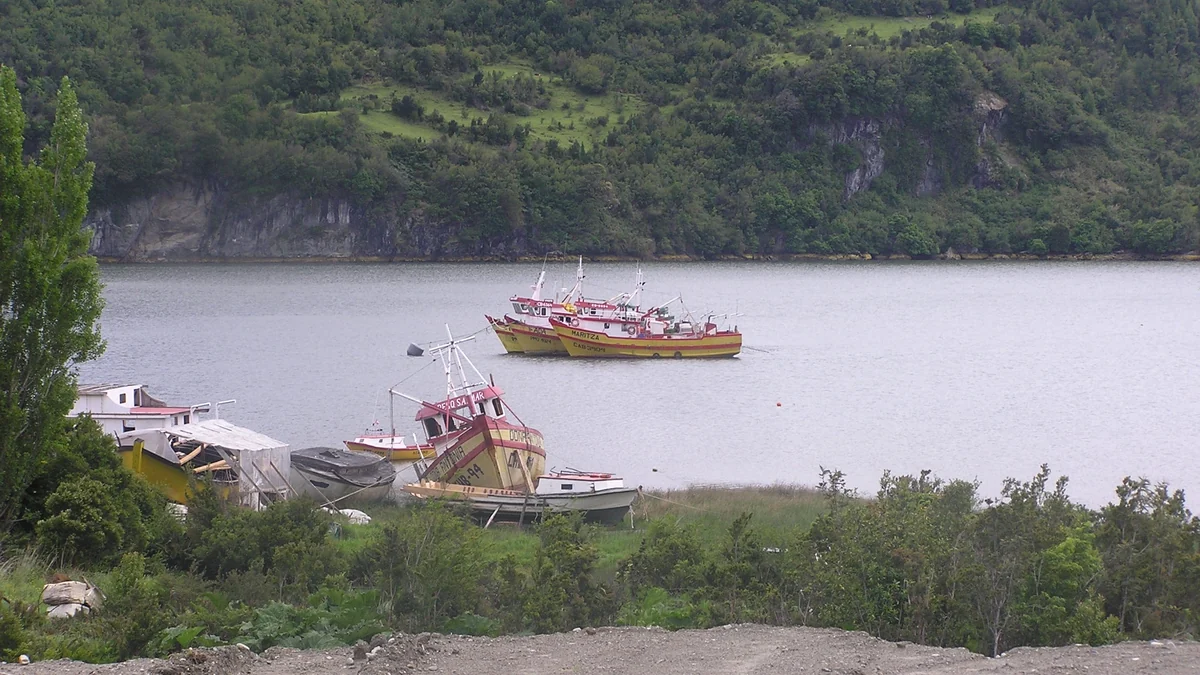
Puerto Chacabuco cruise port is a gateway into Aysén rather than a destination to explore entirely on foot. EMPORCHA has a dedicated international passenger terminal, but the settlement beyond it is small. The value of the call lies along the road toward Puerto Aysén, the Río Simpson valley and, on longer excursions, Coyhaique.
This is a port where organisation beats improvisation. Book one landscape-led route, protect a substantial return buffer and accept that cloud may conceal the biggest views. The strongest first day combines Río Simpson scenery with Puerto Aysén or a carefully paced regional experience. A casual walk around Chacabuco is a fallback, not the best use of a full call.
Puerto Chacabuco Cruise Port at a Glance
| Port name | Puerto Chacabuco |
|---|---|
| Main arrival area | EMPORCHA passenger terminal on Avenida Bernardo O’Higgins |
| Cruise region | South America / Galapagos |
| Country / Territory | Chile |
| Currency | Chilean peso (CLP) |
| Languages | Spanish |
| Port role | Day Call |
| Disembarkation | Docked or ship-controlled tender depending on the vessel |
| Walkability | Limited for meaningful sightseeing |
| Shuttle required | Yes for the main regional attractions |
| Main transport | Ship excursion, coach or pre-booked private driver |
| Best first-time plan | Río Simpson landscapes plus Puerto Aysén or a focused nature lodge |
| Main caution | Long road plans need a large weather and return buffer |
The Passenger Terminal Is Functional, Not the Attraction
EMPORCHA describes a 433-square-metre passenger terminal with security, phytosanitary controls, waiting areas, toilets, café space and a terrace. That is useful infrastructure after a long fjord approach, but it should not be confused with a city-centre cruise terminal.
Follow the marked exit and the ship’s coach allocation. Working cargo and ferry areas sit beside passenger activity, so wandering through the port is not appropriate. Before boarding an excursion, photograph the coach number and note whether the return will be to the terminal building or directly to the ship gangway.
Arrival Can Be Docked or Tendered
EMPORCHA has received large and boutique ships at its facilities, yet berth availability and vessel dimensions can change the operation. A tender adds time and mobility constraints; a direct gangway can still be steep because of tide and weather.
Do not schedule an independent driver from the published ship-arrival time. Use the confirmed passenger release time and allow for controls. The operator should understand the port gate and wait if the ship clears late. If that agreement is vague, a ship excursion is the safer choice.
Puerto Aysén Is the Nearest Useful Town
The port’s official location information places Puerto Aysén about 15 kilometres away. It adds a town centre, river setting, shops and local life that Puerto Chacabuco itself cannot provide. A short visit works well as part of a scenery route rather than as the only headline.
Ask the guide to explain the relationship between the old river port, road development, salmon industry and modern Chacabuco. A coach stop that offers only craft shopping misses the point. Keep the town portion compact so the day retains time for the valley and reserve.
Río Simpson Is the Best First-Time Landscape Route
The Río Simpson National Reserve lies along the road between Puerto Aysén and Coyhaique. The journey itself follows rivers, forested slopes and waterfalls, making the transfer part of the experience. It is the most reliable way to see Aysén without committing to a very long specialist expedition.
Choose a tour that includes several controlled viewpoints and, when open, time at the reserve facilities or a short path. Do not judge it by one promised waterfall; rain, road works and visibility can alter stops. A knowledgeable guide should connect geology, forest, settlement and river use rather than filling the drive with generic Patagonia commentary.
Coyhaique Is Possible but Not Automatically Best
Coyhaique provides the largest urban centre in the region, with a distinctive central layout, markets and services. It also sits roughly 82 kilometres from Puerto Chacabuco, so a simple city visit consumes a substantial part of a cruise call.
Choose Coyhaique when the itinerary is long and the route includes worthwhile valley stops. Skip it when the excursion is mainly a return coach journey for brief shopping. Puerto Aysén and Río Simpson can create a more balanced day with less pressure and more time outdoors.
A Nature Lodge Can Be Better Than a Road Circuit
Some excursions use a lodge, reserve or private property for short trails, waterfalls, local food and controlled interpretation. This can be the strongest option for passengers who want forest immersion without continuing to Coyhaique.
Check walking distances, surfaces and whether the programme still works in rain. A lodge visit should offer more than a meal and souvenir room. The best ones reduce logistics by keeping scenery, hospitality and a short walk in one place, then return directly to the port.
Laguna San Rafael Is Not a Casual Port Excursion
The famous icefield destination is associated with the region, but it is not a simple half-day trip from a normal cruise call. Access usually requires dedicated navigation, aircraft or an itinerary designed around the lagoon.
Do not book a loosely described “glacier experience” without the exact transport chain, duration and return guarantee. Puerto Chacabuco is better used for accessible Aysén landscapes unless the cruise line itself operates a protected specialist programme.
Private Drivers Need Regional Experience
A private vehicle can improve pacing, photography and mobility, but the driver must know EMPORCHA procedures and the cruise deadline. Agree the route, maximum distance, weather fallback and complete price in writing.
Retain the same vehicle. Taxis are limited and a one-way arrangement in Puerto Aysén or the valley is a poor return plan. A driver who proposes Coyhaique, multiple waterfalls and a long lunch without discussing the buffer is selling ambition rather than a safe cruise day.
Road Time Is Part of the Day, So Choose the Vehicle Well
The Carretera Austral corridor is scenic, but passengers may spend several hours seated. Ask about coach size, toilet stops, legroom and how often the group will leave the vehicle. A panoramic route becomes tiring when every stop is viewed through glass.
Small groups usually gain better access and faster loading, though they cost more. Passengers with back, knee or motion concerns should prioritise a shorter Río Simpson and Puerto Aysén circuit over the longest available excursion.
Weather Is the Main Editor of the Itinerary
Aysén can move quickly between rain, low cloud, bright breaks and wind. Pack a waterproof outer layer even when the ship arrives under blue sky. Keep a dry layer in the vehicle and use footwear with grip.
Cloud does not make the region worthless. Rivers, forest, waterfalls and the road atmosphere can be excellent in wet conditions. The weak response is to chase a distant promised viewpoint after the weather has closed in; the strong response is to shorten the route and spend more time at accessible valley stops.
Waterfalls Need Safe Stopping, Not Roadside Risk
The route offers cascades and river viewpoints, but not every apparent lay-by is a safe visitor stop. Use established pull-offs and follow the guide across roads. Wet verges and traffic make spontaneous photography hazardous.
A tour with three properly paced viewpoints is better than ten hurried exits. Keep hands free, protect the camera from rain and board promptly when the guide needs to recover the schedule.
Local Food Adds Warmth to a Cool-Weather Call
Patagonian lamb, fish, bakery products and regional preserves can turn a wet day into a memorable one. A meal is most useful when it is integrated into the route rather than added after an overlong drive.
Tell the operator about dietary requirements before departure; remote venues may have limited alternatives. Keep lunch to a sensible duration. A generous meal does not justify sacrificing the reserve stop or creating a fast final return.
Cash Is Useful but Major Tours Should Be Pre-Arranged
Carry Chilean pesos for small craft, snacks and gratuities. Card coverage is better in towns than at rural stops, but connectivity can fail. A cruise excursion or established private tour should state what is included before you leave the port.
Do not exchange a large amount solely for Puerto Chacabuco. The best day has few shopping opportunities and is focused on scenery. Pay attention to craft origin and avoid buying natural materials that may be restricted by ship or agricultural controls.
Mobility Requirements Must Be Matched to the Exact Route
The passenger terminal has facilities, but the day may include high coach steps, wet gravel, short forest paths and uneven viewpoints. Ask for the longest continuous walk, number of steps and toilet access rather than relying on a broad “easy” label.
A scenic drive with Puerto Aysén and accessible viewpoints can be worthwhile for reduced mobility. Avoid a lodge trail or reserve walk that requires assistance the operator cannot safely provide. The ship’s shore team should confirm gangway or tender suitability.
Biosecurity Rules Matter in a Working Agricultural Region
Chile applies controls to food, plant and animal products. Leave fresh food on the ship and follow declarations. Do not bring rural products back without confirming they are packaged and permitted.
The controls are not ceremonial. They protect local agriculture and ecosystems. Keep the terminal process smooth by having bags organised and listening to staff rather than trying to explain an undeclared item at the final boarding window.
Keep a Larger Return Buffer Than the Map Suggests
Distances may look modest, but coach loading, weather, road works and terminal controls all add time. For Coyhaique, the ship excursion is the default recommendation. For a private Río Simpson route, set a firm turnaround point and return directly.
The settlement beside the terminal offers a last-resort cushion, not a reason to use every minute inland. Arrive back while the café, toilets and waiting area are still useful, rather than joining the final passengers at a closing gangway.
The Fjord Approach Is Part of the Port Day
Be outside well before arrival when the ship’s route and weather allow. The approach through channels, forested slopes and low cloud can provide some of the day’s best scenery before coaches begin moving inland. It also helps explain why Puerto Chacabuco is a strategic deep-water gateway rather than a large town.
Keep binoculars and a waterproof layer available, but do not assume wildlife sightings. The value lies in scale, light and navigation. If an excursion later loses a mountain view to cloud, the approach may still have delivered a memorable Patagonian experience. Check the ship’s commentary schedule rather than sleeping until the published docking time.
Puerto Aysén Needs More Than a Shopping Stop
A worthwhile Puerto Aysén visit should include the river, the town’s transport history and the way Chacabuco replaced older access patterns. A guide can connect settlement, the suspension bridge, road building and regional industries far better than a brief craft-hall stop.
Allow enough time for a short walk, but keep expectations realistic: this is a lived-in regional town, not a preserved heritage set. Use the stop to understand how people work and move through Aysén. CruisePing would rather spend forty interpreted minutes here than ninety minutes browsing goods that could have been sold in any port.
The Salmon Industry Is Visible Context
Aquaculture and port logistics are part of modern Aysén, and the working landscape may include processing, service vessels and freight alongside dramatic scenery. Good guides address both employment and environmental debate without turning the day into an industrial lecture.
Passengers should not treat every working installation as visual clutter. It explains why the port exists and why roads, housing and services have developed. At the same time, an excursion marketed as wilderness should not spend most of its duration beside industrial facilities. Ask for the route and the balance before booking.
Photography Plans Need a Low-Cloud Version
The classic goal is a sequence of rivers, peaks, waterfalls and forest, but low cloud can remove the distant mountains. Build a second photographic story around wet vegetation, road detail, river colour, town life and the textures of the port. A small cloth and lens hood are more useful than carrying several exposed lenses in rain.
Ask the driver to stop only in safe established areas and keep the group together. Long tripod setups are rarely compatible with a cruise excursion. The best images often come from staying at one viewpoint through a short weather change rather than racing to the next advertised landmark.
A Short Call Should Avoid Coyhaique
When the ship allows only a limited shore window, the road to Coyhaique consumes too much of the day and leaves little resilience. Choose Puerto Aysén, nearby valley viewpoints and one reserve or lodge component instead. The experience remains recognisably Aysén without turning the return into a countdown.
This is also the better plan when road works, heavy rain or multiple coaches slow the corridor. A local operator should be willing to shorten the route before departure. CruisePing recommends treating extra time at the end as a success: use it for the terminal terrace or shipboard fjord views rather than spending the entire day at maximum distance.
Independent Walking Has a Deliberately Limited Role
Passengers who leave the terminal without an excursion can see the compact settlement, working waterfront edges and immediate landscape, but there is no dense collection of sights waiting beyond the gate. The road environment and distances make spontaneous walking a poor substitute for regional transport.
Use an independent local walk only for a short call, poor weather or a deliberate rest day. Confirm where public access ends, carry waterproof clothing and return early. A café or terminal stop can be pleasant, but CruisePing would not present it as equivalent to Río Simpson or Puerto Aysén.
Build the Day Around One Turnaround Point
Every road itinerary needs a clear furthest point: Puerto Aysén, a reserve or lodge, or Coyhaique. Once that point is chosen, secondary stops should fit on the return route rather than extending the radius again. This gives the driver a practical decision when rain, road works or delayed clearance remove time.
Ask before departure what will be dropped first if the schedule contracts. The weakest tours preserve every advertised stop and recover time by shortening the meaningful ones. The strongest protect the main landscape experience, remove shopping or a distant add-on and return to EMPORCHA with a genuine buffer.
CruisePing Recommended Port Day
Book a small-group or ship excursion through Puerto Aysén and the Río Simpson valley, with several safe viewpoints and one meaningful interpretive stop. Keep Coyhaique optional rather than compulsory.
CruisePing would choose a nature lodge or reserve-focused route over a shopping-led coach to Coyhaique. The landscapes are the reason to visit; the itinerary should maximise time outside the vehicle without risking the return.
On a wet or shortened call, use Puerto Aysén, a lower-valley circuit and local food. Do not force a distant programme whose headline view has disappeared into cloud.
Weather & Best Time to Visit Puerto Chacabuco
| Period | Typical high | Typical low | Cruise-day implication |
|---|---|---|---|
| December to February | 17°C | 8°C | Mildest cruise season, but rain and wind remain frequent. |
| March to May | 12°C | 4°C | Cooler, wetter and quieter; daylight shortens. |
| June to August | 7°C | 0°C | Cold with possible frost or snow; few conventional calls. |
| September to November | 13°C | 4°C | Spring is changeable with cool wind and fast weather shifts. |
Check the Dirección Meteorológica de Chile forecast and the ship’s local update. The road route can remain attractive under cloud, but wind and visibility may change tendering, viewpoints and walking stops.
Dress in layers rather than relying on one heavy coat. Coaches can be warm while viewpoints are cold and wet.
Puerto Chacabuco Cruise Port FAQs
Is Puerto Chacabuco walkable?
Only for a limited look at the small settlement. The best scenery requires a coach or pre-booked driver.
Should I visit Coyhaique?
Only on a long call or a well-designed excursion. Río Simpson and Puerto Aysén usually provide a better balance.
Do ships dock at Puerto Chacabuco?
Many use EMPORCHA berths, but the operation can be tendered or altered by vessel and berth availability.
What is the best excursion?
A focused Río Simpson landscape route, often combined with Puerto Aysén or a nature lodge.
Useful Official Links
- EMPORCHA cruise services
- EMPORCHA location
- Port infrastructure
- Río Simpson National Reserve
- Aysén tourism
- Chile weather service
CruisePing Port Verdict
Puerto Chacabuco is one of those ports where the excursion defines the day. Staying near the terminal wastes the access; attempting too much wastes the scenery in road time.
Choose Río Simpson, Puerto Aysén and one well-run nature or food stop. Let weather shorten the route when necessary, and treat Coyhaique as an option for long calls rather than a box to tick.
Ready to browse our article library?
Looking beyond Puerto Chacabuco? Explore more ports in the South America / Galapagos region, or narrow it to Chile in particular. For cruise comparisons, planning shortcuts and value guides, head over to our main article archive.