
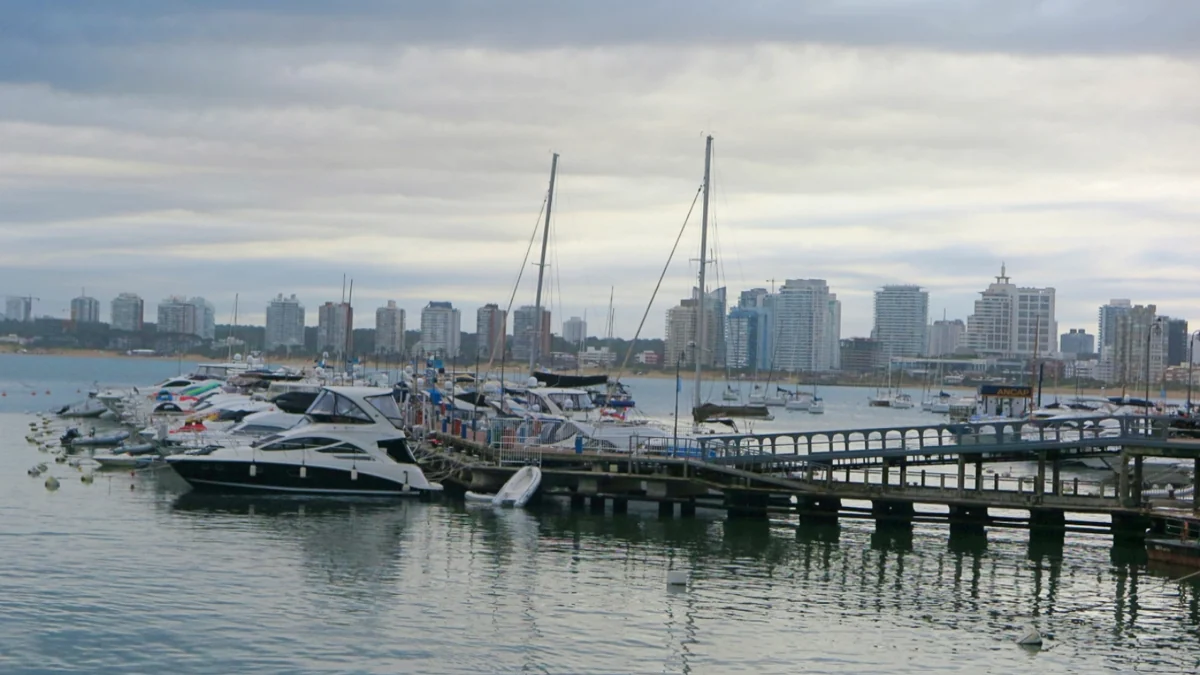
Punta del Este cruise port is one of the easiest South American tender calls to explore independently. Boats land in the marina area on the peninsula, placing the lighthouse quarter, waterfront, shops and both the calmer Río de la Plata side and Atlantic side within a practical walking plan.
The first-time decision is simple: walk the peninsula and add one transport extension only if it matters. Casapueblo is the best-known excursion beyond town, but it should not displace the harbour, lighthouse and La Mano sculpture unless art and architecture are the purpose of the day. Punta del Este is strongest when treated as a stylish coastal walk rather than a frantic resort circuit.
Punta del Este Cruise Port at a Glance
| Port name | Punta del Este |
|---|---|
| Main arrival area | Cruise tender landing in Puerto de Punta del Este |
| Cruise region | South America / Galapagos |
| Country / Territory | Uruguay |
| Currency | Uruguayan peso (UYU) |
| Languages | Spanish; Portuguese and English are common in tourism |
| Port role | Day Call |
| Disembarkation | Tender to the port and marina |
| Walkability | Excellent around the peninsula |
| Shuttle required | No for central sights |
| Main transport | Walking, taxi, bus or organised tour |
| Best first-time plan | Walk the port, lighthouse quarter and La Mano, with Casapueblo only as a planned extension |
| Main caution | Wind, tender queues and long promenade distances can consume time |
The Tender Landing Gives You a Real Advantage
Official cruise material describes the port as having several berths for passenger tenders, while current government updates refer to the cruise terminal and marina operations. The landing puts you inside the most interesting part of Punta del Este rather than at a remote commercial dock.
Before leaving, identify the return channel and last tender time. Marina pontoons can look similar, and security routes may be adjusted on busy days. A photograph of the ship sign and a note of the tender colour prevent an avoidable mistake at the end.
Start with the Working Harbour
Fishing boats, yachts, sea lions and waterfront restaurants give the port more character than the resort skyline suggests. Walk the public harbour edge first, when it is quieter and the light is softer. Respect barriers and working crews; not every pontoon is a viewing platform.
Sea lions are often seen around fishing activity, but do not feed or crowd them. Keep distance and follow local signs. The harbour is a genuine attraction, not merely the place where the tender drops you.
The Lighthouse Quarter Is the Historical Core
The official Maldonado visitor guide highlights the lighthouse, Nuestra Señora de la Candelaria church and older residences around Plaza del Faro. This compact area provides the cultural counterweight to beaches and luxury towers.
Walk uphill from the port before the strongest heat. The lighthouse interior is not guaranteed to be open, so value the square, church and streets rather than building the day around a climb. The area is quiet enough to notice the peninsula’s older scale.
Use the Peninsula as a Loop, Not a Straight Out-and-Back
A walking loop can connect the port, lighthouse quarter, the southern point, Atlantic frontage, central streets and the calmer Mansa side. This avoids retracing the same commercial avenue and reveals how the water changes around the peninsula.
The full loop is longer than it appears. Choose a shortened version if mobility, wind or tender timing is a concern. Taxis are easy to use for one leg, but agree the fare or meter basis and carry the port name in writing.
La Mano Is Worth Seeing, but Not at Any Cost
The fingers sculpture emerging from Playa Brava is Punta del Este’s defining photograph. It is accessible from the central peninsula and deserves a stop on a first visit. The problem is crowding: groups often queue for the same angle and ignore the beach itself.
Arrive earlier if possible, take the photograph efficiently and continue along the Atlantic frontage. Do not build the whole port day around a sculpture that needs fifteen minutes. The port, lighthouse and coastline provide the substance.
Playa Mansa and Playa Brava Serve Different Days
Mansa faces the Río de la Plata side and is generally the calmer choice; Brava faces the Atlantic and feels more exposed. Choose the beach based on wind, surf and facilities on the day rather than reputation.
A cruise call rarely supports a long beach setup plus a full peninsula walk and Casapueblo. Swim only where conditions and lifeguard guidance permit, keep valuables secure and allow time to change before the tender.
Gorlero Is Useful, Not the Main Attraction
Avenida Gorlero provides cafés, shops, pharmacies and an easy central axis. Use it for practical needs and a short browse, then return to the waterfront or older streets.
Prices reflect a major resort. Compare menus, check whether service is included and pay in Uruguayan pesos when practical. Generic international shopping is a weaker use of time than a harbour lunch or local food.
Casapueblo Is the Best Planned Extension
Casapueblo at Punta Ballena combines architecture, art, sea views and the legacy of Carlos Páez Vilaró. It is genuinely distinctive and worth prioritising for passengers interested in design or Uruguayan art.
It requires a taxi, private tour or ship excursion and a reliable return. Do not rely on finding a taxi after the visit during a busy cruise day. Retain the driver or use a round-trip booking. A sunset ceremony is irrelevant to most daytime calls and should not distort the schedule.
A City Tour Can Become a Parade of Hotel Towers
Many panoramic excursions include residential districts, beaches, La Barra and luxury neighbourhoods. They suit passengers with limited walking or curiosity about the resort’s scale, but they can feel superficial when every stop is a coach photograph.
Choose a tour with one substantial cultural visit, such as Casapueblo, rather than a list of drive-bys. For able walkers, the independent peninsula route gives more atmosphere at lower cost.
La Barra Is a Specialist Choice
La Barra offers beaches, galleries, shops and a different resort mood east of Punta del Este. It is worth the transfer for repeat visitors or passengers specifically interested in the bridge, art and coastal neighbourhoods.
First-time visitors should not sacrifice the peninsula for a rushed La Barra loop. Road traffic can be heavy in high season, and the attractions are spread out. Use a retained driver and return directly to the port.
Food Should Be Planned Around the Harbour
Uruguayan beef, seafood, empanadas and desserts provide plenty of choice. A harbour or peninsula lunch makes sense after the walking loop and keeps the tender nearby.
Restaurant pace can be leisurely. State the time available before ordering, ask about portion size and request the bill early. A long lunch is enjoyable only when it is the chosen centrepiece, not an accidental delay.
Cash, Cards and Resort Pricing
Cards are widely used, but a small amount of pesos helps with kiosks, buses and minor purchases. Check the terminal currency and decline unclear conversion offers.
Punta del Este can be expensive by regional standards. Spend on one good meal, Casapueblo entry or a retained taxi rather than paying repeatedly for short tourist transfers. Walking is the port’s greatest value advantage.
Wind Changes Both Comfort and Tendering
The peninsula is exposed. A warm forecast can still feel cool on the harbour or Atlantic side, and strong wind can make hats, loose clothing and umbrellas impractical. Carry a light layer and secure belongings.
Tender operations may slow before conditions feel severe ashore. Pay attention to ship messages and do not leave a remote beach or Casapueblo return until the final window.
Summer Crowds Need an Earlier Start
The peak cruise season overlaps with Punta del Este’s busiest resort period. Streets, beaches and restaurants can fill rapidly. Begin the walking loop as soon as the tender permits and leave shopping until later.
Taxis may be easy near major sights but harder after several ships release tours. A pre-booked or retained vehicle is valuable for Casapueblo. For the central peninsula, walking avoids traffic altogether.
Mobility Can Be Managed with a Hybrid Plan
The port area and central streets are generally manageable, but long distances, kerbs and sloping sections make a full loop demanding. Use a taxi to La Mano or the lighthouse quarter and walk the flatter waterfront section.
Tender access remains the first constraint. Confirm transfer suitability with the ship, then ask the taxi or tour operator about vehicle steps and walking surfaces. A harbour lunch and panoramic drive can still make a satisfying day.
Do Not Overlook the Return Walk
The peninsula encourages wandering because the sea remains visible, but a beachfront route may finish farther from the port than expected. Keep the marina location saved offline and set a turnaround alarm.
Return through the central streets if wind makes the waterfront uncomfortable. Aim for an earlier tender and use the final harbour minutes for photographs rather than joining the last queue.
The Two-Waterfront Geography Is the Key to the Resort
Punta del Este sits between the calmer Río de la Plata side and the open Atlantic. Walking from Mansa to Brava explains the resort more clearly than a coach commentary because the wind, waves, buildings and beach use change over a short distance. Use the southern point as the hinge between the two coasts.
This geography should guide the day. Choose the sheltered side for a relaxed waterfront walk when the Atlantic wind is strong, or spend more time on Brava when conditions are comfortable. CruisePing recommends seeing both before deciding where to stop for coffee, lunch or a brief beach break.
Isla Gorriti Is Attractive but Adds Another Boat Dependency
Local boats may run to Isla Gorriti for beaches and a different view of the peninsula. The island can be pleasant in settled summer weather, but it requires another timed crossing after the ship’s tender and offers limited resilience if services change.
First-time cruise visitors usually gain more from the peninsula or Casapueblo. Choose Gorriti only when the local schedule, sea state and return margin are clear, and when beach time is the main purpose of the day. Do not combine it with a remote taxi excursion or rely on the final public boat back.
Art Interests Do Not Begin and End at Casapueblo
Casapueblo is the headline, yet Punta del Este and Maldonado also have galleries, sculpture and private collections whose opening hours can be seasonal. An art-focused visitor should verify the exact venue and use a retained driver rather than assume every museum is open on a cruise morning.
A smaller gallery paired with the lighthouse quarter may create a calmer day than the standard panoramic circuit. The test is access: if the venue cannot confirm opening, fall back to the public peninsula route. CruisePing would not cross the resort for a speculative door while sacrificing the harbour and coastline.
Public Buses Are Better for Repeat Visitors
Local buses connect the peninsula with Maldonado, La Barra and surrounding districts, but route identification and waiting time reduce their appeal on a first tender call. They become more useful for repeat visitors making one simple journey with ample time.
For Casapueblo, a retained taxi or organised tour remains the stronger choice. For La Barra, confirm the return stop and service frequency before leaving. Saving money is not a success when uncertainty forces an early turnaround or leaves the final walk to the port longer than expected.
Maldonado Is the Alternative for Local Urban Context
The inland city of Maldonado offers a more everyday counterpoint to the resort peninsula, including historic civic spaces and local commerce. It suits repeat visitors or passengers who want regional context rather than beaches and branded skyline views.
Do not add Maldonado casually to a full peninsula and Casapueblo programme. Make it the centre of a guided half-day, ideally with one coastal stop on the return. A taxi without interpretation may deliver streets but not meaning, so a guide is more valuable here than on the self-explanatory peninsula walk.
A Short Tender Window Still Produces a Strong Day
When tendering begins late or ends early, stay entirely on the peninsula. The harbour, lighthouse quarter, southern point, La Mano and one meal can be adjusted to almost any usable window. Begin with the sight that matters most, then shorten the loop rather than rushing every landmark.
This compact plan is one of Punta del Este’s strengths. There is no need to regard a cancelled Casapueblo excursion as a failed day. CruisePing would use the saved road time to watch the working harbour, compare the two coasts and return before the queues build.
The Main Peninsula Walk Needs Two to Three Hours
A useful route from the port through the lighthouse quarter, southern point and La Mano is not a twenty-minute stroll. Photograph stops, wind, cafés and street crossings make two to three hours more realistic, even before a beach break. Start early and shorten the loop with a taxi if the tender window is tight.
This timing is why Casapueblo should be treated as an alternative structure, not automatically added on top. CruisePing recommends completing the harbour and older quarter first, then deciding whether the Atlantic side or a taxi extension still fits. The day remains strong even when the loop ends before Brava.
Use Official Cruise Information to Check the Landing Pattern
The municipal nautical and cruise tourism guide describes the port’s tender facilities and helps distinguish the passenger marina from the wider resort waterfront. Save the ship’s own landing instructions as well, because busy operations can direct passengers through a specific pontoon or controlled gate.
On the return, follow cruise signage rather than joining any general excursion-boat queue. Ask staff when uncertain and keep the ship card accessible. This is especially important after a taxi drops you near the harbour: the nearest visible jetty may not be the correct tender berth.
Resort Opening Hours Can Be Seasonal
Galleries, museums, restaurants and beach services may operate differently outside the peak summer period. Verify any indoor attraction that would require a taxi, and do not assume a venue shown on a resort map will be open on the morning of the call.
The public coastline, harbour, lighthouse quarter and La Mano provide a dependable fallback. Build the core day from these open-air sights, then add a confirmed venue. That order prevents a closed door from consuming both transport money and the best walking hours.
CruisePing Recommended Port Day
Take an independent clockwise or anticlockwise peninsula loop from the port, linking the harbour, lighthouse quarter, the southern point and La Mano. Use a taxi for one leg if the walking distance becomes excessive.
Add Casapueblo only through a round-trip taxi or organised tour, and treat it as the single extension. CruisePing would not combine Casapueblo, La Barra, a beach session and a complete peninsula walk on a normal call.
Finish with lunch or coffee near the harbour and return on an earlier tender. Punta del Este is a port where unhurried walking produces a richer day than a long coach circuit.
Weather & Best Time to Visit Punta del Este
| Period | Typical high | Typical low | Cruise-day implication |
|---|---|---|---|
| December to February | 27°C | 18°C | Warm peak season with strong sun, crowds and occasional coastal wind. |
| March to May | 22°C | 13°C | Milder and quieter; very good for walking. |
| June to August | 15°C | 7°C | Cool, windy and outside the main cruise season. |
| September to November | 21°C | 12°C | Spring is changeable but increasingly pleasant. |
Use INUMET for the current forecast. Wind speed matters as much as temperature because it affects the exposed peninsula, beaches and tender operation.
Carry a layer even on a sunny morning. The Mansa and Brava sides can feel different within a short walk, so choose the beach after seeing the day’s conditions.
Punta del Este Cruise Port FAQs
Where do cruise tenders land in Punta del Este?
At the cruise passenger facilities within Puerto de Punta del Este on the peninsula.
Can I walk to the main sights?
Yes. The harbour, lighthouse quarter, centre and La Mano are suitable for a planned walking route.
Is Casapueblo worth visiting?
Yes for art and architecture, but use round-trip transport and treat it as the day’s one major extension.
Which beach is better?
Mansa is generally calmer and Brava more exposed, but choose according to the actual wind, surf and facilities.
Useful Official Links
- Punta del Este cruise infrastructure
- Maldonado four-season guide
- Nautical and cruise tourism guide
- Uruguay weather service
CruisePing Port Verdict
Punta del Este is a refreshingly independent port. The tender lands where the best walking begins, and the peninsula combines working harbour, history, art and two different coastlines.
Walk first. Add Casapueblo only when it is a genuine priority, and avoid spending a naturally easy port day inside a coach chasing every resort district.
Ready to browse our article library?
Looking beyond Punta del Este? Explore more ports in the South America / Galapagos region, or narrow it to Uruguay in particular. For cruise comparisons, planning shortcuts and value guides, head over to our main article archive.