
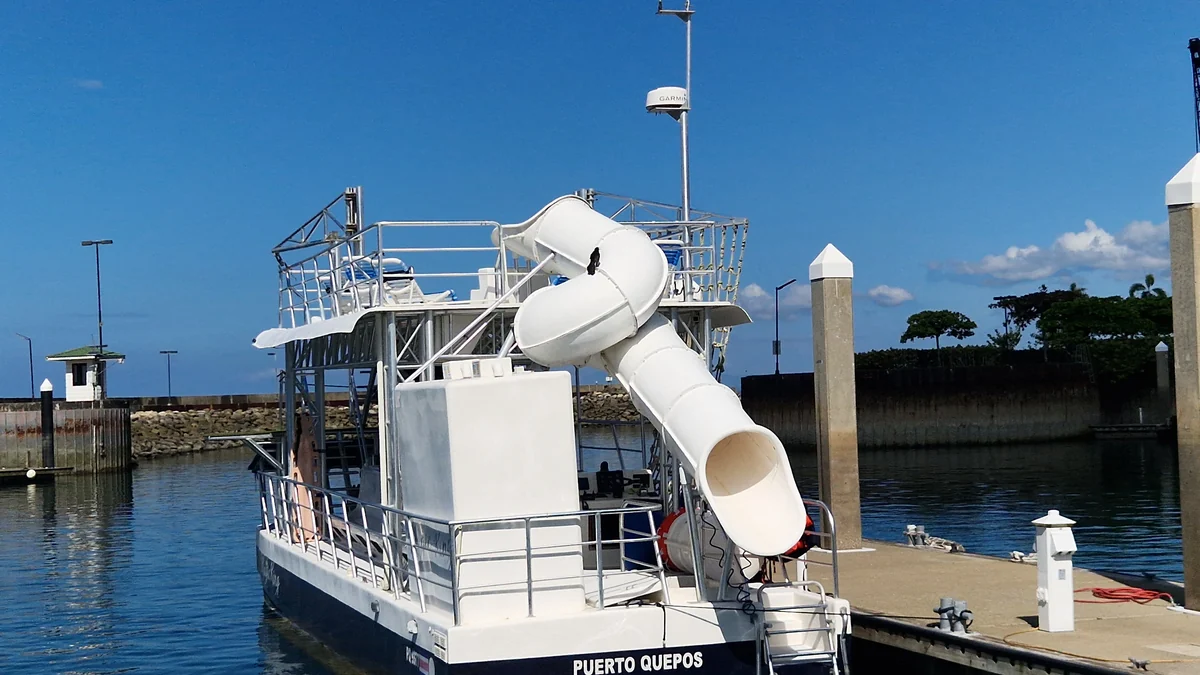
Quepos cruise port normally brings passengers by tender to Marina Pez Vela, whose published map marks a dedicated cruise-ship arrival. The marina gives immediate facilities, taxis and tour desks, while central Quepos is nearby. The headline attraction, Manuel Antonio National Park, is a separate road transfer with controlled ticketing.
Manuel Antonio is genuinely worth prioritising, but only with a ticket secured through the official system and transport built around the ship. When entry is unavailable or the call is short, choose a mangrove boat, guided rainforest property, beach or focused town-and-marina day. The mistake is to arrive without reservations and spend the morning negotiating for a park slot that does not exist.
Quepos Cruise Port at a Glance
| Port name | Quepos |
|---|---|
| Main arrival area | Marina Pez Vela cruise-ship arrival dock |
| Cruise region | Mexico / Central America / Panama Canal |
| Country / Territory | Costa Rica |
| Currency | Costa Rican colón (CRC); US dollars widely accepted in tourism |
| Languages | Spanish; English is common in tourism |
| Port role | Day Call |
| Disembarkation | Tender to Marina Pez Vela |
| Walkability | Good within the marina and central Quepos |
| Shuttle required | No for town; yes for Manuel Antonio and nature excursions |
| Main transport | Taxi, pre-booked guide, excursion coach and local bus |
| Best first-time plan | Pre-booked Manuel Antonio visit, or a mangrove/wildlife alternative with a secure return |
| Main caution | Park tickets, tender conditions, heat and traffic must all be managed |
Marina Pez Vela Is a Well-Equipped Arrival
The official Marina Pez Vela map marks the cruise-ship arrival, taxi stop, tour centre, toilets, lifts, ATM, restaurants and the pedestrian route toward Quepos. That makes the first few minutes easier than at a bare tender pier.
Use the marina as a logistics base, not the entire destination. Note the return dock and tender procedure, then leave through the marked pedestrian or vehicle exit. Marina prices can be higher than town prices, but the reliable facilities are useful before and after an excursion.
Tendering Remains the First Variable
Pacific swell and wind can affect the transfer even when the marina basin is sheltered. Listen to the ship’s mobility guidance and take only a compact day bag. Wet steps and moving platforms deserve more attention than the flat marina promenade.
A late first tender can undermine a timed park entry. Book through the ship or an operator that will adjust to clearance, and do not choose the earliest public slot unless the cruise operation can realistically deliver you to the gate.
Manuel Antonio Is Worth the Effort—When Properly Booked
The official Costa Rica tourism page describes a compact protected landscape of rainforest, beaches and wildlife. It is the obvious first-time choice because the forest meets the Pacific within a practical drive of Quepos.
The park is popular and controlled. A confirmed ticket, clear meeting point and guide are more important than finding the lowest transfer price. Treat the visit as the day’s main activity; adding a long mangrove tour or distant waterfall creates unnecessary pressure.
Buy Park Admission Only Through the Official System
SINAC states that tickets are obtained through its online booking service. Do not rely on a street seller, an unofficial website or a guide who says admission will be arranged at the gate without proof. Confirm the date, visitor names and entry slot.
Save the ticket offline and carry the identification required by the booking. Rules on permitted food, bottles and bags can change; check the current official notice before leaving the ship. A legitimate guide should be comfortable directing you to the official purchase channel.
A Good Guide Improves Wildlife Sightings
Sloths, monkeys, iguanas and birds are present, but wildlife is not staged. A trained local guide with a spotting scope can reveal animals that independent visitors walk past and can manage the route around heat and crowding.
Do not choose a guide who feeds animals, blocks trails or promises guaranteed close encounters. Respect distance and keep food secured. The best interpretation explains habitat, behaviour and conservation rather than turning the walk into a checklist.
The Park Beaches Are a Bonus, Not a Certainty
Manuel Antonio’s beaches are beautiful, but swimming conditions, route access and the time available after wildlife stops vary. Decide in advance whether the priority is a guided forest walk or a longer beach period.
Changing, drying and returning to transport take time. Keep the final park departure conservative. If the sea is rough or the beach is crowded, enjoy the viewpoint and forest rather than forcing a swim because it appeared in the excursion title.
Traffic Makes the Return Longer Than the Distance Suggests
The road between Quepos and Manuel Antonio carries local buses, taxis, hotel traffic and visitors. A short mileage can slow around entrance periods and afternoon departures.
Retain the vehicle or use a guide with dedicated transport. A one-way taxi plus an assumption of easy pickup is weaker during peak demand. Set the return around the marina tender cutoff, not around a general ship departure time.
The Local Bus Is Cheap but Not the Default Recommendation
Buses link Quepos and Manuel Antonio, and confident independent travellers may use them. The service can be practical for a town or beach visit, but a timed national-park ticket and cruise deadline reduce the margin for waiting.
CruisePing would use a taxi or pre-booked transfer for a first park visit. The local bus becomes more attractive for repeat visitors with a long call, light bags and a clear understanding of the stop and return frequency.
A Mangrove Boat Is the Best Park Alternative
The Damas mangrove area offers sheltered waterways, birdlife, monkeys and a different ecosystem from Manuel Antonio. A guided boat can work particularly well for passengers who prefer less walking or have not secured park tickets.
Tides affect routes and departure times, so book an operator that aligns the programme with the ship. Ask about shade, toilets, wildlife ethics and the vehicle transfer. A mangrove tour should not be squeezed after a full park visit; it deserves its own half-day.
Rainforest Properties Offer More Flexible Wildlife Walks
Private reserves and guided forest trails around Quepos can provide wildlife, waterfalls or suspension features with fewer ticket constraints. Quality varies, so ask about land ownership, group size, trail length and conservation practice.
Choose a property that still has value in rain and can adjust the walk. Avoid a vague “jungle safari” built mainly around captive-animal handling or staged feeding. The strongest alternative protects habitat and provides a direct return to the marina.
Nauyaca and Distant Waterfalls Are Usually Too Much
Large waterfalls inland can look irresistible, but road distance, trail access, transfers and weather make them demanding from a tender call. Some visits require a truck, horse or substantial walk after the drive.
Choose a distant waterfall only through a protected ship excursion on a long call. For most passengers, Manuel Antonio, mangroves or a closer reserve deliver better wildlife and less sitting. A photograph should not outweigh the return risk.
Sport Fishing Is a Specialist Strength of Quepos
Marina Pez Vela is a serious fishing base. Experienced anglers may find a half-day charter more valuable than the national park, particularly when the booking is made directly with an established marina operator.
Confirm target species, travel time, licence, equipment, catch-and-release practice, seasickness policy and exact dock return. Fishing charters should be booked well ahead; they are not a casual purchase after the tender lands.
Catamaran and Coastal Trips Need Sea-State Discipline
Coastal cruises may combine scenery, snorkelling, food and a chance of wildlife. They are appealing when the park is sold out, but they duplicate the ship-to-shore marine exposure and depend on local conditions.
Ask whether the boat departs from the same marina, how many passengers are carried and whether snorkelling is contingent on visibility. Do not choose a departure whose scheduled return leaves only minutes for the ship tender.
Central Quepos Is Worth an Honest Short Visit
Quepos is a working regional town with market, bus station, waterfront and everyday commerce. It is not a preserved colonial centre, but it adds context after the polished marina or tourist road.
Walk in daylight, keep belongings controlled and use a taxi when heat or distance becomes uncomfortable. A market visit and local lunch can make a satisfying short call when weather disrupts marine or park plans.
The Marina Is the Safest Low-Stress Fallback
Restaurants, shops, lifts, toilets and views make Marina Pez Vela a comfortable fallback for passengers unable to take the tender early, walk in heat or secure a park ticket. It is more expensive and less locally textured than town, but operationally simple.
Combine the marina with a short taxi loop, Paradero Nahomi viewpoint or central Quepos rather than remaining at one café all day. Keep the final hour here, where tender instructions are visible.
Heat and Humidity Demand a Slower Pace
The tropical Pacific can feel far hotter than the thermometer suggests. Start wildlife walks early, drink regularly and use light clothing with sun and insect protection. Guides should allow stops rather than pushing the group to maintain a promotional schedule.
Heat exhaustion is a greater risk than missing one trail. Tell the guide if you feel dizzy or unwell. A shorter wildlife route followed by shade is better than reaching the beach depleted and facing a difficult return.
Rain Changes Trail Safety and Wildlife Behaviour
The wet season can bring intense downpours and muddy or slippery paths. Wildlife may remain active, but visibility and comfort change. Pack a breathable waterproof layer, dry bag and footwear with grip.
Do not use an umbrella on crowded forest paths. When lightning or flooding affects the programme, accept the operator’s alternative. Mangroves or a shorter reserve may remain suitable when an exposed coastal boat does not.
Food and Bags Are Sensitive Around Wildlife
Monkeys and raccoons can be attracted to food and unsecured bags. Follow park rules, never feed animals and keep zips closed. A photograph of an animal stealing food is evidence of poor visitor behaviour, not a harmless encounter.
Eat before entry or at an approved point according to current rules. Carry only what is permitted. Guides who encourage feeding or close handling should be avoided and reported to the appropriate operator or authority.
Mobility Planning Must Cover the Whole Chain
The marina has lifts and accessible facilities, but the tender, taxi, park entrance, paths and beach access each create separate barriers. Ask the ship and operator for the exact chain rather than accepting “accessible” as a single label.
A mangrove boat or panoramic vehicle tour may suit reduced mobility better than a full park trail, although small-boat boarding still needs checking. The marina and Quepos town provide a viable day when the transfer is not suitable.
Use Cash Carefully and Confirm Currency
US dollars are widely accepted in tourism, while local prices and change may be given in colones. Ask which currency is being quoted and avoid a poor informal exchange rate. Cards are common at the marina and established operators.
Carry small notes for tips and minor purchases, but do not display a large wallet in town. Pay for major tours through traceable channels and keep the confirmation. A very cheap last-minute wildlife tour often hides missing admission, shared transport or an unsafe return.
Wildlife Ethics Should Decide Between Operators
Costa Rica’s reputation creates pressure to produce close sightings. Choose guides who maintain distance, use scopes, limit noise and explain conservation. Avoid captive wildlife selfies, feeding and touching.
Ask whether the operator is licensed and how group size is managed. Ethical practice may produce fewer dramatic phone photographs, but it creates a better experience and protects the species that make Quepos worth visiting.
Protect an Earlier Tender Back
Excursions can arrive at the marina in waves, creating a queue. Return with time to use the toilets, buy water and organise belongings before boarding. The last tender should be an emergency margin, not the planned boat.
When the ship advances the cutoff because of sea conditions, abandon secondary shopping or a late meal. Marina Pez Vela makes an early return painless, which is a reason to use the margin rather than gamble it.
Timed Admission Should Control the Morning
A Manuel Antonio ticket is not simply permission to enter at any point during the call. Read the confirmation carefully, match transport to the admission window and allow for the drive, security process and guide meeting. A late tender can make an early slot unusable, so ship excursions or operators experienced with cruise arrivals have a real advantage.
Do not buy a second unofficial ticket when the schedule slips. Contact the provider through the official channel and ask what remains possible. When the slot cannot be recovered, switch decisively to mangroves, a private reserve or Quepos rather than wasting the middle of the day negotiating near the gate.
Binoculars and a Scope Change the Wildlife Experience
Much of the wildlife sits high in foliage or remains still in shade. Compact binoculars help, while a guide’s spotting scope can turn a distant sloth, toucan or lizard into a clear shared sighting without approaching the animal. Ask whether the operator carries optics and how they manage turns within the group.
Phone-through-scope photographs are useful souvenirs but should not consume every stop. Watch the animal directly and let others use the view. CruisePing recommends a smaller guided group where possible because noise, queueing and pressure to move are lower than in a large coach party feeding into one crowded trail.
Forest and Marine Plans Offer Different Wildlife
A park or reserve walk focuses on monkeys, sloths, birds, reptiles, insects and vegetation. A catamaran or coastal boat offers scenery and possible marine sightings but cannot promise whales, dolphins or snorkelling clarity. Choose according to the ecosystem you most want to understand, not the longest species list in the brochure.
Combining both in one day usually shortens each experience and increases tender risk. For a first visit, the forest has the stronger claim because Manuel Antonio’s land-and-beach setting is distinctive. Repeat visitors or passengers unable to walk trails may reasonably choose the marine option instead.
Quepos Has a Story Beyond Tourism
The town developed through banana, fishing and regional transport before the modern resort economy and marina reshaped the waterfront. A local guide can use the market, streets and harbour to explain this transition, including the difference between everyday Quepos and the visitor corridor toward Manuel Antonio.
This context is particularly valuable when the park is unavailable. Pair a town walk with lunch, the marina and a viewpoint rather than treating Quepos as a place to pass through. It will not deliver a polished colonial centre, but it can deliver a more honest understanding of the Pacific coast.
Families and Older Travellers Need Different Park Pacing
Children may tire in heat before the wildlife section is complete, while older travellers can find roots, steps and humidity more demanding than the advertised distance suggests. Ask the guide for the shortest rewarding loop, rest points and the practical route back from the beach before setting off.
Carry less, start earlier and make the beach optional. A family group often enjoys a mangrove boat more than a pressured trail, while an active older traveller may prefer a private guide who can stop frequently. CruisePing would choose the experience that fits the slowest member rather than splitting the group deep inside the park.
Lunch Should Follow the Wildlife, Not Interrupt It
Wildlife activity and cooler conditions make the first part of the day more valuable than a long early meal. Eat before the tender if necessary, carry permitted water and schedule lunch after the park, mangroves or reserve. This also protects the timed entry and reduces the temptation to rush the final trail.
Choose a restaurant near the marina or on the direct return route and state the ship deadline before ordering. A leisurely Costa Rican meal is an excellent finish when the main activity is complete. CruisePing would not place a formal lunch between the ticket window and the forest simply because it appears in a packaged itinerary. Keep the final meal flexible enough to shorten promptly when tender queues begin forming.
CruisePing Recommended Port Day
Secure an official Manuel Antonio ticket in advance and book a guide or transfer that starts from Marina Pez Vela or the ship’s confirmed meeting point. Focus on the wildlife walk and one beach or viewpoint, then return directly.
When park entry is unavailable, choose a Damas mangrove boat or a reputable private rainforest reserve. CruisePing would prefer either to wasting the morning with unofficial ticket sellers at the park gate.
For reduced mobility or a shortened call, use the marina, a taxi through Quepos, a viewpoint and a good local meal. This is less spectacular than Manuel Antonio but far more sensible than an unsuitable trail.
Weather & Best Time to Visit Quepos
| Period | Typical high | Typical low | Cruise-day implication |
|---|---|---|---|
| December to April | 31°C | 23°C | Drier and popular; strong park conditions but hot and busy. |
| May to July | 30°C | 23°C | Increasing showers with green landscapes; mornings are often best. |
| August to October | 29°C | 22°C | Wettest period, with heavy rain and possible marine disruption. |
| November | 30°C | 22°C | Transition toward drier weather; conditions can vary sharply. |
Use the Costa Rican meteorological service and the ship’s local forecast. Rainfall can be highly local, so a wet park road does not always mean the whole day is lost.
Sea state controls the tender and catamaran options, while recent rain controls trail grip and river levels. Build a land and a marine fallback rather than relying on one weather-sensitive activity.
Quepos Cruise Port FAQs
Where do cruise tenders land in Quepos?
At the marked cruise-ship arrival at Marina Pez Vela.
Do I need to pre-book Manuel Antonio?
Yes. Buy admission through the official SINAC system and arrange transport around the cruise arrival.
What should I do if the park is sold out?
Book a mangrove boat, ethical rainforest reserve, sport-fishing charter or a shorter Quepos and marina day.
Can I take the public bus to Manuel Antonio?
It is possible, but a taxi or pre-booked transfer is safer for a first-time cruise visit with a timed ticket.
Is Quepos suitable for reduced mobility?
The marina is well equipped, but the tender and nature activities vary. A mangrove or panoramic plan may be easier than the national-park trails.
Useful Official Links
- Marina Pez Vela information
- Marina Pez Vela visitor map
- SINAC Manuel Antonio page
- Official Manuel Antonio tourism
- SINAC ticket system
- Costa Rica weather service
CruisePing Port Verdict
Quepos earns its reputation through real wildlife and the rare combination of rainforest and Pacific beaches. Manuel Antonio is the priority, but only when the ticket and transport are secure.
A mangrove or ethical private reserve is not a lesser substitute; it can be calmer and better suited to a cruise schedule. Avoid improvised admission, overlong waterfall drives and any operator that feeds or handles wildlife.
Ready to browse our article library?
Looking beyond Quepos? Explore more ports in the Mexico / Central America / Panama Canal region, or narrow it to Costa Rica in particular. For cruise comparisons, planning shortcuts and value guides, head over to our main article archive.