
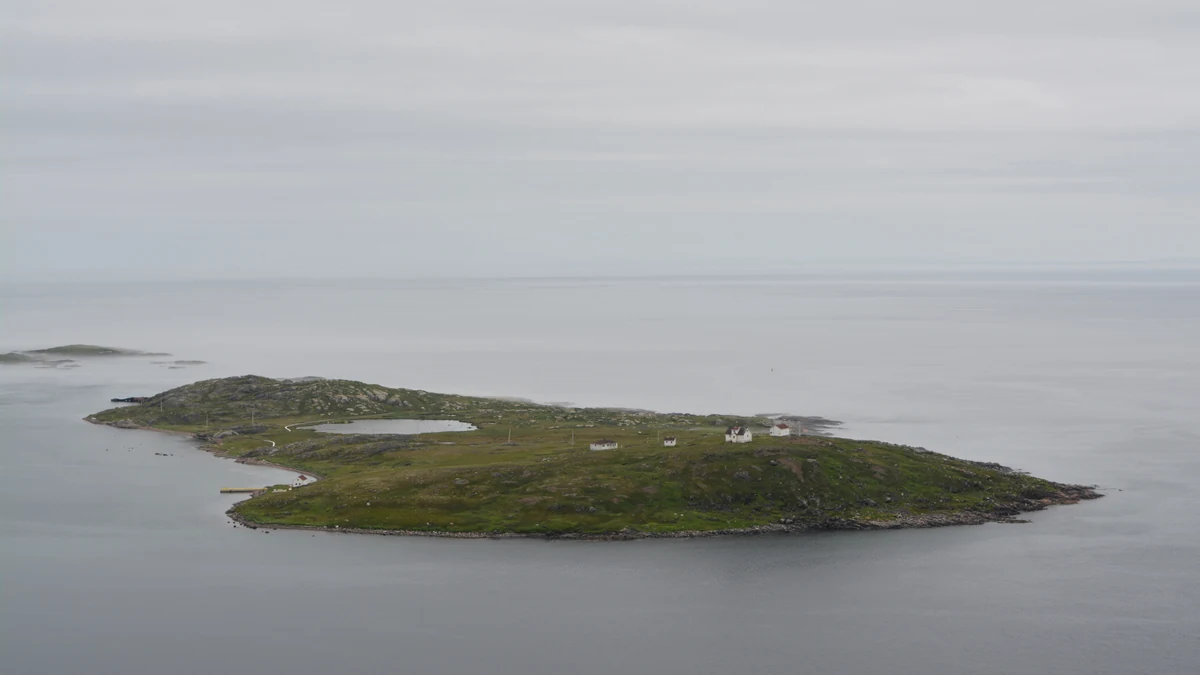
Red Bay cruise port is a small tender call on the Labrador coast built around one exceptional subject: the remains and story of a major 16th-century Basque whaling station. The village, harbour, Parks Canada visitor facilities and Saddle Island archaeological landscape form a coherent heritage day. There is no need to manufacture a long regional excursion list. The value lies in understanding the place, walking at the right pace and respecting weather and tender limits.
The operational risk is greater than the attraction complexity. Wind, fog and sea state can delay or cancel tendering, while Parks Canada programmes and the small ferry to Saddle Island operate seasonally and to capacity. Check the official Red Bay visit information and the ship’s daily programme. Once ashore, prioritise the visitor centre and any booked Saddle Island activity before optional village or hill walking.
Red Bay Cruise Port at a Glance
| Port name | Red Bay, Newfoundland and Labrador |
|---|---|
| Main arrival area | Tender landing in the small harbour beside the village and heritage site |
| Cruise region | Alaska / North America / Canada |
| Country / Territory | Canada |
| Currency | Canadian dollar (CAD) |
| Languages | English; French and Basque context within the heritage interpretation |
| Port role | Day call |
| Disembarkation | Tender |
| Walkability | Good within the village and main heritage area, with uneven outdoor surfaces |
| Shuttle required | No for the core site; ship or local transport may support limited-mobility access |
| Main transport | Walking, Parks Canada programmes, small boats and ship-organised local tours |
| Best first-time plan | Visit the Parks Canada interpretation, then join a booked Saddle Island programme if conditions allow |
| Main caution | Tendering and Saddle Island access can change quickly with weather and capacity |
Tendering Is the First and Largest Uncertainty
Red Bay has a sheltered-looking harbour, but cruise operations remain exposed to Labrador weather, fog and sea conditions. The ship may delay the first tender, restrict independent landing or cancel the call when safe transfer cannot be maintained. The final tender deadline can also change. Keep the day flexible and listen for announcements rather than assuming the printed schedule will remain exact.
Tender boats and landing surfaces may be challenging for passengers with limited mobility. Ask the cruise line about steps, wheelchair policy and assistance before the voyage. When landing is permitted, record the final boat time and complete the essential heritage visit early. The village is compact enough to leave the last hour close to the quay.
The National Historic Site Is the Core of the Call
The Red Bay National Historic Site interprets a remarkably well-preserved Basque whaling station from the 1500s. Original artefacts, archaeological remains and a restored chalupa help explain the industrial scale, maritime skill and human life behind the whaling enterprise. This is not a generic local museum; it is the reason Red Bay holds international heritage significance.
Begin at the visitor orientation or interpretation facilities so the landscape outside has meaning. Opening dates, hours, fees and programme availability are seasonal. A ship may call near the edge of the normal season, when services are reduced. Check the current Parks Canada page rather than relying on a cruise itinerary that merely lists “UNESCO site”.
Why Red Bay Is a UNESCO World Heritage Site
The UNESCO listing recognises the Red Bay Basque Whaling Station for the archaeological evidence of a large 16th-century industrial whaling operation. Terrestrial and underwater remains reveal rendering ovens, cooperages, living areas, vessels and the relationship between harbour, islands and shore. The designation extends beyond a single building, which is why the wider landscape matters after the indoor interpretation.
Understanding this changes the visit. The quiet harbour is evidence, not empty scenery. Saddle Island, shore sites and submerged archaeology belong to one system that connected Labrador resources with European markets. Passengers should avoid treating the story only as a tale of adventurous sailors; it also concerns industrial extraction, dangerous labour and encounters within an Indigenous homeland.
Saddle Island Is the Strongest Outdoor Extension
The Parks Canada guided programmes use a short boat transfer to Saddle Island and a guided walk among archaeological sites. The island contains traces of whale-oil processing and other elements of the Basque station. Capacity, timing and weather matter, so a place should be reserved through the cruise line or current Parks Canada process where available. It cannot be assumed as an open shuttle running continuously.
The visit involves boarding a small boat and walking outdoors on uneven ground. Wear footwear with grip, take a waterproof layer and ask about the route if mobility is limited. The guide’s interpretation is the main value; wandering without context would reveal much less. If the programme is cancelled, spend longer in the visitor centre and village rather than seeking an unsafe informal crossing.
A Village Walk Adds Present-Day Labrador
Red Bay remains a small coastal community rather than a reconstructed heritage park. A gentle walk can include the waterfront, church, local buildings, fishing activity and views across the harbour. Residents are living their normal day while a ship’s passengers arrive, so privacy and road access should be respected. Ask before photographing people or working areas at close range.
Local craft, food or community displays may operate for a call, but availability is not guaranteed. Carry Canadian dollars as well as a card, since small vendors can have limited connectivity. A village walk is best used around the main heritage programme, not presented as a long attraction list. Its value is seeing how an isolated Labrador community relates to the same harbour used five centuries earlier.
Walking Routes Need Weather and Surface Judgement
Trails and viewpoints around Red Bay can provide broad harbour and coastal views. Ground may be wet, rocky or uneven, and exposed sections can feel much colder than the tender landing. Some routes involve sustained climbing or steps. Obtain a current local description before setting off and choose a turnaround point that protects the final tender.
Fog can remove the view and make navigation less comfortable. Strong wind can turn a pleasant ridge into an unsuitable choice. Passengers should not begin a long walk merely because a trail line appears near the village on a map. The best cruise-day walk is usually a short, named route recommended by Parks Canada or the local welcome team under the day’s conditions.
The Weather Can Change the Call Completely
Red Bay lies on the Strait of Belle Isle, where fog, wind, rain and rapidly changing temperatures are normal planning factors. A forecast of modest rain may be less important than wind direction and sea state for the tender. Summer temperatures are cool compared with many cruise destinations, and the water keeps the air cold even under bright sun.
Dress in layers with a waterproof and wind-resistant outer shell. Gloves and a hat can be useful on the boat even when the village feels mild. Protect cameras and medication from spray. Check Environment Canada’s Red Bay forecast, then accept the ship’s marine decision. No independent plan can overrule a suspended tender operation.
Wildlife Is Possible but Should Not Be Promised
The Labrador coast can produce sightings of seabirds, whales and other wildlife, especially from the ship or during small-boat movements. These are opportunities rather than scheduled attractions. A heritage-focused Red Bay call should not be judged unsuccessful because an animal does not appear. Carry binoculars and watch quietly without approaching nesting or resting wildlife.
Dedicated marine excursions depend on operator availability and conditions, and they should not compete with the National Historic Site on a first visit. If the cruise line offers a combined heritage and wildlife route, examine how much time is actually spent at each. The strongest guaranteed content is cultural; wildlife is the valuable extra.
Food and Facilities Are Limited by Scale
Red Bay is a small community with seasonal visitor services. Food outlets, toilets, shops and connectivity cannot be assumed to match a large port. Eat breakfast on the ship, carry water and take any necessary medication ashore. A local meal or snack can be part of the call when available, but passengers should not depend on finding a wide range of dietary alternatives.
The Parks Canada facilities are the best place to confirm current toilets and accessibility. Mobile signal and card terminals can be inconsistent. Keep the ship’s contact information with you. This is not a reason to avoid local spending; it is a reason to arrive prepared and appreciate what the community is able to provide during a short seasonal call.
Mobility Planning Should Be Specific
The tender is often the decisive barrier. Passengers who can use the tender may still find Saddle Island boats, uneven paths and higher viewpoints unsuitable. Ask separately about each element: ship tender, village landing, visitor-centre entrance, island boat and guided walking route. A general statement that the excursion is “moderate” does not answer those questions.
The interpretation centre and a short village waterfront route can still provide a meaningful day with limited walking. Ship-organised transport may reduce distance where local roads permit. Bring a walking aid that handles uneven outdoor surfaces and allow time to board without pressure. Red Bay’s story is accessible through interpretation even when every archaeological path is not.
Allow Time for the Artefacts Rather Than Racing the Displays
Red Bay’s interpretation works because the objects connect directly to the harbour outside. The chalupa, cooperage material, personal objects and evidence from underwater archaeology reveal how organised and dangerous the whaling enterprise was. A twenty-minute circuit through the exhibits misses that connection. Read the main panels, listen to an interpreter where available and identify the features you will later look for across the water.
Families can make the visit more manageable by choosing a few themes—boats, barrels, clothing or archaeology—rather than trying to absorb every label. Photography rules should be respected, and artefacts should never be touched unless an exhibit explicitly permits it. Time indoors is not a poor-weather compromise; it is the foundation that turns the outdoor harbour into an intelligible historic site.
Long Regional Excursions Add Little to a Short Call
The Labrador Straits contain other historic communities, coastal scenery and attractions, but road distance and limited transport make them weak additions to a normal Red Bay cruise call. A coach journey that leaves the UNESCO landscape soon after landing sacrifices the port’s distinctive value and adds another return risk. Unless the cruise line has designed a specific protected regional tour, remain within Red Bay.
This is particularly important when the first tender is delayed. Do not try to recover lost time by compressing the heritage site and driving farther. The village, visitor centre, Saddle Island and local paths already form a complete day at the scale the destination can support. Restraint here is not a reduced itinerary; it is the correct response to a rare, concentrated place with genuinely limited seasonal capacity. That concentration is precisely what makes the call memorable when it is given enough time.
CruisePing Recommended Port Day
Take an early tender and go directly to the Parks Canada orientation and exhibits. If a Saddle Island guided programme is operating and suitable, book or join the earliest practical departure after the introduction. Return to the village for a short waterfront walk, local refreshment or a weather-appropriate viewpoint, keeping the final hour close to the landing.
When Saddle Island is unavailable, do not regard the call as failed. Spend longer with the original artefacts and reconstructed chalupa, join any land-based interpretation, and walk the harbour landscape with the UNESCO story in mind. CruisePing would prioritise depth at the historic site over an improvised long hike or speculative wildlife trip.
Weather & Best Time to Visit Red Bay
Cruise calls generally occur in the short warmer season, yet Labrador remains cool and changeable. June can feel wintry on the water; July and August are mild rather than hot; September brings rapidly shortening days and colder nights. Fog is common around the Strait of Belle Isle and can appear in any cruise month.
The table gives broad packing ranges only. Wind chill on a tender can be much lower than the air temperature beside the visitor centre. Use Environment Canada and ship announcements for the live decision, and take layers even when the forecast appears settled.
| Month / season | Typical high | Typical low | Rain / conditions |
|---|---|---|---|
| June | 14°C | 5°C | Cool with fog, rain and strong changes near the strait |
| July–August | 17°C | 8°C | Mildest period, though fog, wind and showers remain common |
| September | 13°C | 4°C | Cooler, shorter days with increasing wind and rain risk |
| October | 7°C | 0°C | Cold and highly changeable; few cruise calls and reduced seasonal services |
Practical Questions for a Red Bay Cruise Call
Do cruise ships dock in Red Bay?
Cruise passengers normally arrive by tender, subject to sea and weather conditions.
What is the main attraction?
Red Bay National Historic Site and the UNESCO-listed Basque whaling landscape are the core reason to visit.
Can I visit Saddle Island independently?
Access is normally through a current Parks Canada or organised programme using a small boat. Do not assume continuous public transport.
Is Red Bay walkable?
The village and main heritage area are compact, but outdoor trails and Saddle Island involve uneven surfaces.
Will I see whales?
Wildlife sightings are possible but cannot be guaranteed. Plan the day around heritage and treat wildlife as an extra.
What should I wear?
Layers, waterproof outerwear and shoes with grip are appropriate even in midsummer.
Useful Official Links for Red Bay
These sources confirm seasonal heritage services, UNESCO context, local destination information and live weather.
- Red Bay National Historic Site
- Plan a visit to Red Bay
- Red Bay tours and programmes
- Red Bay activities
- UNESCO Red Bay Basque Whaling Station
- Newfoundland and Labrador Red Bay information
- Labrador Coastal Drive port information
- Environment Canada Red Bay weather
CruisePing Port Verdict
Red Bay is a small port with a large story. Its strength is not a broad menu of excursions but the unusual completeness of one historic landscape: harbour, island, archaeology, artefacts and community. A guided Saddle Island visit adds depth, yet the visitor centre and shore remain worthwhile when weather prevents it.
Land early, place Parks Canada first and keep every optional walk subordinate to the tender. There is no need to pad the day with distance. Red Bay rewards attention, preparation and respect for conditions more than ambitious scheduling.
Ready to browse our article library?
Explore more ports in the Alaska / North America / Canada region, narrow the library to Canada cruise ports, or return to the main CruisePing article library.