
Richards Bay cruise port is an industrial gateway to northern KwaZulu-Natal rather than a destination to explore directly from the gangway. The port authority can place passenger ships at a small-craft berth or a commercial cargo berth according to vessel size and operations. The red pin therefore marks a stable harbour reference, not one universal terminal door. Passengers should use the authorised shuttle, excursion coach or pre-arranged vehicle specified by the ship.
The real decision is whether to spend the day on safari in Hluhluwe–iMfolozi or around the St Lucia and iSimangaliso wetlands. Both are worthwhile; combining them is not. CruisePing recommends the game reserve when this is the itinerary’s main chance to see large African wildlife, and St Lucia when birdlife, hippos, estuary scenery or a less vehicle-intensive nature day better suits the group.
Richards Bay Cruise Port at a Glance
| Port name | Richards Bay |
|---|---|
| Main arrival area | Operational berth within the Port of Richards Bay; assignment can vary by vessel |
| Cruise region | Africa |
| Country / Territory | South Africa |
| Currency | South African rand (ZAR) |
| Languages | English and isiZulu; other South African languages also spoken |
| Port role | Day Call |
| Disembarkation | Usually berthed at a working-port berth with authorised transfer |
| Walkability | Poor from the ship; do not plan to walk out of the industrial port |
| Shuttle required | Yes |
| Main transport | Ship excursion, authorised shuttle, pre-booked safari vehicle or private driver |
| Best first-time plan | Choose one protected regional excursion: Hluhluwe–iMfolozi safari or St Lucia and iSimangaliso |
| Main caution | Long road journeys, variable berth location and wildlife timing require a large return buffer |
Treat the Berth as an Operational Assignment
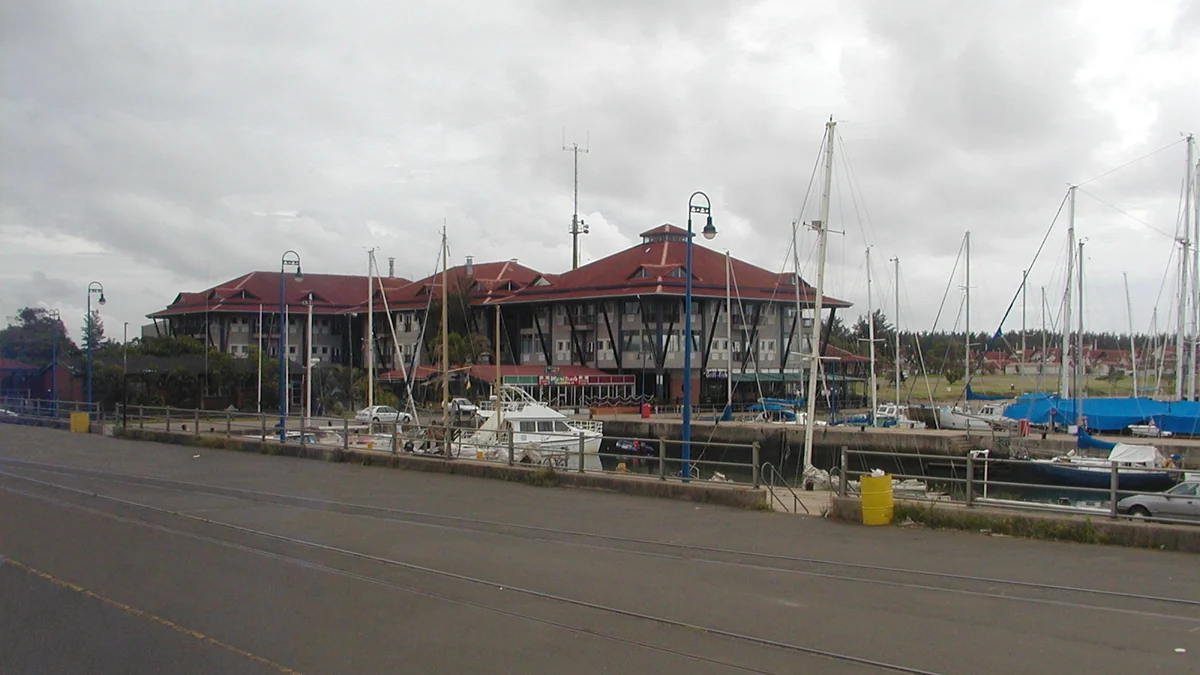
Richards Bay is one of South Africa’s major working ports. Cruise ships may use the small-craft area or a commercial berth depending on size, cargo movements and harbour control, so a photograph from another sailing is not a reliable guide to the morning route. The provincial transport authority’s Port of Richards Bay information explicitly notes that cruise handling can differ by vessel. Follow the ship card, shuttle signs and security instructions rather than attempting to navigate towards a marina seen on a public map.
Record the authorised drop-off and final shuttle time before leaving. An independent operator should meet at the approved point and hold the ship agent’s contact details; taxis cannot assume unrestricted access to a commercial quay. CruisePing would not walk through the port or book a tour whose driver says only that they will “find the ship”. The first quality test is a precise, permitted meeting arrangement.
Choose Safari or Wetlands Before Leaving Home
The official iSimangaliso Wetland Park site explains the range of protected environments, while the provincial KwaZulu-Natal visitor guide helps place the wider region. Use these to decide which experience fills the biggest gap in the itinerary. Hluhluwe–iMfolozi and the iSimangaliso system pull the day in different directions. A safari prioritises game viewing and time inside a reserve; St Lucia prioritises estuary, birdlife, hippos and a broader landscape story. Each needs enough time to absorb wildlife delays.
Make the choice around the least mobile passenger, the tolerance for long drives and whether another port already offers a stronger safari. A repeat wildlife traveller may gain more from wetlands than from another hurried reserve circuit. CruisePing recommends one major protected area. A tour that advertises a full safari, St Lucia cruise, beach and cultural village in a normal call is selling labels rather than usable time.
Hluhluwe–iMfolozi Needs a Cruise-Literate Operator
The reserve offers the chance of elephant, rhino and other wildlife, but sightings are never guaranteed and animals do not follow a coach timetable. Road time from Richards Bay must be protected at both ends, leaving a defined game-drive window rather than an open-ended promise. CruisePing prefers a ship excursion when the call is short or all-aboard is early. A private safari can be excellent, but only when the company has recent cruise-port experience and agrees that the return deadline outranks a late animal sighting.
Use an established operator or ship excursion and compare the plan with the official regional tourism guidance. Ask which gate is used, whether the drive is open or closed vehicle, how many passengers share it and what time the vehicle must leave the reserve. Do not choose an open vehicle without checking steps, weather protection and seating. Long periods on rough roads can be difficult for back, hip or neck problems even when walking is minimal.
St Lucia Is More Than a Hippo Boat
CruisePing recommends the estuary cruise plus one land component, not a rushed attempt to reach every sector. Confirm boat departure, boarding steps, shade and the latest road departure back to Richards Bay. A St Lucia plan can combine the estuary with selected parts of iSimangaliso, but it should still be built around one coherent ecological story. The boat offers a low-walking way to see hippos, crocodiles and birds; the surrounding shores add dunes, grassland and coastal habitats.
A wildlife boat is not automatically accessible: gangways can be steep and seating may be fixed. Ask for photographs of the boarding point and whether assistance is available before booking. The official Lake St Lucia information and iSimangaliso game-drive guidance show why the area works as a standalone excursion. Current water levels, wildlife distribution and road conditions can alter the precise route.
Cape Vidal Is a Long-Day Alternative
The Eastern Shores route towards Cape Vidal can provide game viewing, wetlands, dunes and Indian Ocean scenery. It is attractive for visitors wanting landscape variety, but the distance and park speed limits make it a full excursion rather than a casual beach extension. The official Eastern Shores and Cape Vidal page describes the protected route. Use it to understand the environment, then ask the operator which stops are realistic within the ship’s schedule and whether swimming conditions are suitable.
CruisePing would choose Cape Vidal only on a generous call with a proven operator. It is not the place to improvise a self-drive or persuade a taxi to wait while the group explores. The beach can be exposed, wildlife can delay vehicles and mobile signal may be limited. Carry water and sun protection, and leave according to the agreed turn-around even when the final viewpoint has not been reached.
The Local Waterfront Is a Fallback, Not the Main Prize
The port information helps explain why the harbour dominates the urban landscape. A driver or shuttle is still needed to move safely from the assigned berth to any public waterfront. Tuzi Gazi and local waterfront areas can provide restaurants, marina views and an easy final stop after the authorised port transfer. They are useful when weather, mobility or a late arrival makes a regional excursion unsuitable, but they do not equal the reserves and wetlands beyond the city.
Confirm the final shuttle point before sitting down for a meal. The apparent proximity of yachts and port structures can disguise controlled boundaries that prevent a direct walk back to the ship. CruisePing recommends using the marina for lunch or a short return-protected finish, not spending a first call there by default. Repeat visitors and passengers unable to tolerate long road journeys may reasonably choose a relaxed waterfront day.
Wildlife Expectations Need Honest Language
A reserve visit is an opportunity, not a guaranteed catalogue of species. Guides can read tracks and habitat, yet weather, vegetation and animal movement determine what appears. Aggressive promises of the “Big Five” in a short window should reduce confidence rather than increase it. CruisePing recommends judging the excursion by the quality of interpretation and time in habitat. Binoculars often improve the experience more than a larger camera lens, especially for birds and distant animals.
The official iSimangaliso site emphasises ecosystems and conservation, which is a better basis for the day than a trophy list. A good guide explains behaviour, plants and landscape while searching for headline animals. Never ask a driver to speed or remain beyond the agreed departure for another sighting. The ship will not wait for a privately booked vehicle because an elephant appeared at the wrong end of the reserve.
Road Time Must Be Visible in the Itinerary
CruisePing recommends a written turn-around time and a return target at least an hour before all-aboard after a major regional excursion. More margin is appropriate when the ship is far inside the port or the tour uses several vehicles. Operators sometimes describe only the time “on safari” or “at St Lucia”, leaving the transfer as a footnote. Passengers need the complete door-to-door sequence: gangway, port exit, highway, attraction entry, internal drive, comfort stop and return security.
Do not let lunch become an unplanned hour. A packed meal, reserve restaurant with a fixed slot or quick St Lucia stop protects the experience and the return better than searching for a restaurant after the main activity. Compare the route with the regional tourism information and ask for a realistic range rather than one optimistic number. Roadworks, animal crossings, gate queues and port procedures can all expand the day.
Mobility Is Mostly About Vehicles and Boats
A passenger may walk very little yet face high safari steps, cramped seating, rough tracks and long periods without a convenient toilet. These issues matter as much as the distance covered on foot and should be discussed before paying. The official game-drive information explains the activity type, while the operator must provide exact vehicle details. Ask whether a closed vehicle, front seat or smaller group can be arranged and whether the route includes accessible facilities.
For St Lucia, confirm boat boarding and the distance from coach to jetty. For a safari, ask how often passengers can stretch and whether the driver can avoid the roughest optional tracks. CruisePing would choose a shorter high-quality experience in a suitable vehicle over a longer itinerary that leaves one passenger in pain. The group’s plan should be built around the most restrictive transfer.
Weather Changes Which Nature Day Works Best
Check the South African Weather Service for Richards Bay and the chosen destination. The ship forecast is essential for berth and gangway operations but is not a complete description of a reserve many kilometres away. Coastal heat, humidity and thunderstorms can affect St Lucia differently from inland game areas. A windy harbour may still produce a comfortable safari, while heavy rain can reduce visibility and make open vehicles unpleasant.
CruisePing recommends keeping a local waterfront or shorter wetlands fallback. Do not force a long safari when severe weather or road warnings make the return less reliable. Carry a light waterproof layer, water, sun protection and something warm for an early open-vehicle start. Secure hats and cameras; sudden movement or rain is common enough to plan for.
Safety Planning Should Be Practical
The port is industrial and the regional excursions cover areas unfamiliar to most visitors. Use authorised transfers, licensed guides and current local advice. Independent wandering from a cargo berth or accepting an unsolicited ride is unnecessary risk. Keep valuables controlled at stops, carry the operator’s number offline and tell another passenger the vehicle registration. On wildlife excursions, follow the guide’s instruction about leaving the vehicle and approaching animals.
The official port information and regional visitor guidance provide the right institutional starting points. The ship’s shore team remains the best source for the exact security procedure on the day. CruisePing would not use fear as a reason to stay aboard, but it would reject casual transport and an unverified operator. The strongest experiences are straightforward to arrange through reputable providers.
What to Skip on a First Visit
CruisePing recommends Hluhluwe–iMfolozi when this is the itinerary’s key safari opportunity. Choose St Lucia and iSimangaliso for wetlands, birdlife and a less safari-dominated day. Skip walking from the berth, a combined safari-and-St Lucia marathon and any wildlife tour that guarantees a species list. Also skip a taxi hired at random for a reserve it does not routinely serve; port access and park operations require more than a willing driver.
A successful call returns with one coherent nature story and a comfortable port buffer. If the plan depends on perfect traffic and instant wildlife, it is not robust enough. The official iSimangaliso resources and port guidance point towards protected, organised movement. They support a deliberate regional choice rather than an improvised chain of stops.
Private Safari Contracts Need Cruise-Specific Terms
A private operator should provide more than a vehicle and guide. The booking needs the ship name, expected clearance, all-aboard time, permitted port meeting point, emergency contact and a latest departure from the reserve. Ask what happens when the ship docks late, the port changes berth or the reserve gate is congested. A company that routinely serves hotels may be excellent at wildlife guiding yet unfamiliar with port access and the consequences of a missed sailing.
CruisePing recommends written cancellation and delay terms that distinguish a ship failure to call, a late clearance and a passenger deciding not to travel. The guide should hold the shore agent’s number and have authority to shorten the route without group debate. Payment should not depend on adding shopping, cultural stops or a restaurant chosen for commission. The cleanest private safari spends the available time in habitat and returns through security while the day still feels controlled.
Photography Must Not Dictate the Vehicle
Photographers may prefer an open vehicle and fewer passengers, while other travellers need shade, easier steps or protection from rain. Resolve that conflict before booking. Ask whether rows have unobstructed views, whether equipment can be secured and whether the driver rotates positions. A long lens is useful, but binoculars and patient observation often reveal more than repeatedly changing seats whenever an animal appears.
CruisePing would not sacrifice return time for a staged photographic stop outside the reserve or ask the guide to crowd wildlife. Keep bags zipped, use a strap and follow instructions about standing. In St Lucia, protect cameras from spray and humidity; on dusty reserve roads, carry a cloth rather than changing lenses continuously. The best images come from enough quiet time in one place, which is another reason to avoid combining two major nature regions.
CruisePing Recommended Port Day
Choose the major experience before arrival. For a first safari opportunity, book Hluhluwe–iMfolozi through the ship or a proven cruise operator, leave as early as port clearance allows and agree the reserve departure time before game viewing begins.
For wetlands, take a St Lucia estuary cruise with one carefully chosen iSimangaliso land component. Keep Cape Vidal for a long call rather than treating it as a quick beach add-on.
CruisePing recommends returning through the authorised port entrance at least an hour before all-aboard after any long regional excursion. Use Tuzi Gazi or the shuttle-served waterfront only as a final flexible stop when the ship route is already secure.
Before departure, agree the comfort-stop plan and tell the guide about medication, dietary needs or motion sensitivity. Long reserve roads can make an unplanned stop difficult, while dehydration and missed food can reduce enjoyment before the main game-drive window. Carry identification, a charged phone, water and a light layer inside the vehicle rather than in luggage that becomes inaccessible. On the return, ask the driver to report progress to the shore agent if an incident has reduced the buffer; early communication is more useful than silence followed by a rushed arrival.
Confirm whether park admission, conservation levies and meals are included so payment questions do not interrupt the return. Keep the receipt and enough rand for an unexpected comfort stop.
Weather & Best Time to Visit Richards Bay
| Period | Typical high | Typical low | Cruise-day implication |
|---|---|---|---|
| December to February | 30°C | 23°C | Hot, humid summer with thunderstorms; open vehicles and estuary trips need rain cover. |
| March to May | 28°C | 19°C | Warm transition with generally comfortable wildlife conditions. |
| June to August | 25°C | 14°C | Drier, cooler mornings; layers help on early game drives. |
| September to November | 28°C | 19°C | Warming spring with variable rain, wind and active wildlife periods. |
Check the South African Weather Service for both Richards Bay and the chosen reserve or wetland sector. Coastal and inland conditions can differ enough to change clothing and route decisions.
Heat, sudden rain and early-morning chill are all plausible. Carry water and layers, and ask whether the operator provides ponchos or blankets in an open vehicle.
Richards Bay Cruise Port FAQs
Where do cruise ships dock in Richards Bay?
The working port uses different berths according to vessel size and operations. Passengers normally leave by authorised shuttle or excursion vehicle.
Can I walk from the ship?
No. The port is extensive, industrial and security-controlled.
Which is better: safari or St Lucia?
Choose safari when this is the itinerary’s main wildlife opportunity; choose St Lucia for wetlands, hippos, birds and a less vehicle-intensive nature day.
Can I do both in one day?
Not sensibly on an ordinary call. The road time and return risk make the combination poor value.
Is a safari suitable for limited mobility?
It can be, but vehicle steps, seating, rough tracks and journey length must be checked in detail.
How much return time should I allow?
Aim to reach port control at least an hour before all-aboard after a major regional excursion, with more margin if conditions are uncertain.
Useful Official Links
- Port of Richards Bay information
- iSimangaliso Wetland Park
- Lake St Lucia
- Eastern Shores and Cape Vidal
- iSimangaliso game drives
- KwaZulu-Natal tourism
- South African Weather Service
CruisePing Port Verdict
Richards Bay is a weak independent walking port and a strong regional nature gateway. The industrial berth should be treated as a controlled transport point; the value lies in the reserves and wetlands beyond it.
CruisePing recommends one serious excursion, not a highlights marathon. Take the safari when it fills the itinerary’s biggest gap, choose St Lucia for wetland depth, and demand a written turn-around time from any private operator.
Ready to browse our article library?
Looking beyond Richards Bay? Explore more ports in the Africa region, or narrow it to South Africa in particular. For cruise comparisons, planning shortcuts and value guides, head over to our main article archive.