
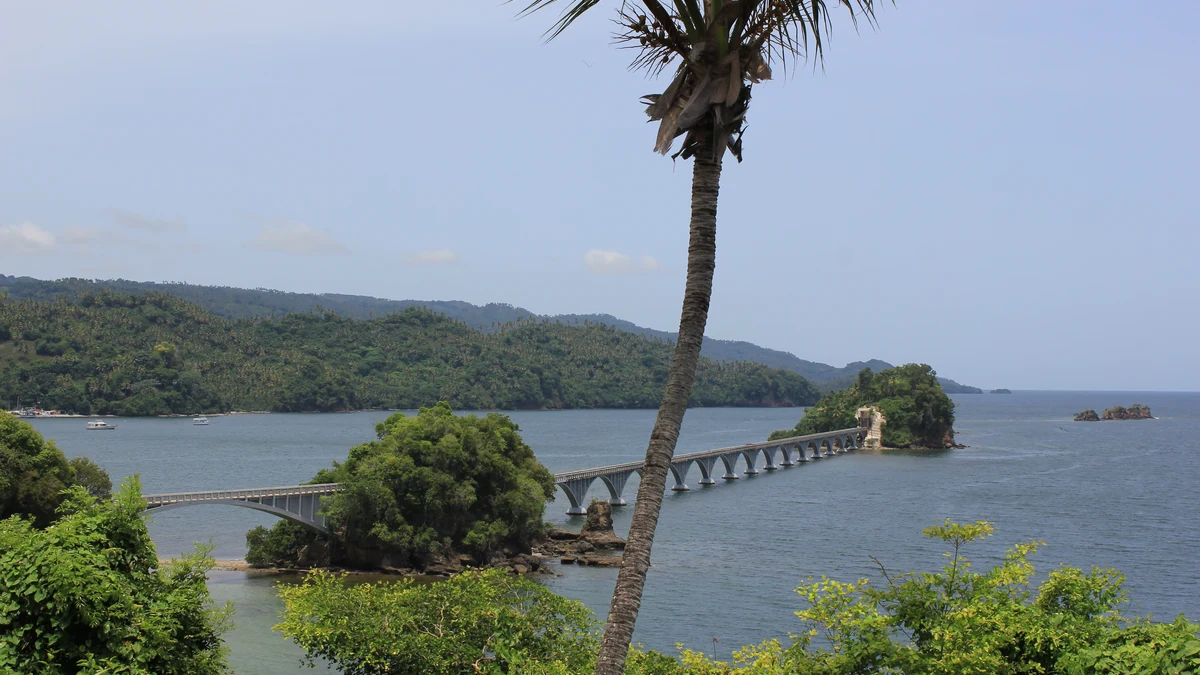
Samaná is a nature-led cruise call where the landing point matters almost as much as the excursion. Ships may anchor in Samaná Bay and tender towards Santa Bárbara de Samaná, use arrangements connected with Cayo Levantado, or provide another sailing-specific transfer. The official Dominican tourism guidance describes cruise access in both the bay and Cayo Levantado, so passengers should not build a day around a generic “Samaná port” pin.
The strongest plans commit to one landscape: whale watching in season, Los Haitises National Park, El Limón waterfall, Cayo Levantado or a relaxed visit to the town and bayfront. These are not small variations on the same route. Several require boats, road transfers or difficult walking, and trying to combine two major excursions usually leaves little margin for tender queues or tropical weather.
Samaná Cruise Port at a Glance
| Port name | Samaná Cruise Port |
|---|---|
| Main arrival area | Santa Bárbara de Samaná waterfront or Cayo Levantado, depending on the ship’s operation |
| Cruise region | Caribbean & Bahamas |
| Country / Territory | Dominican Republic |
| Currency | Dominican peso (DOP) |
| Languages | Spanish |
| Port role | Tender and excursion gateway to Samaná Bay and the peninsula |
| Disembarkation | Usually tender or excursion boat; landing may relate to Santa Bárbara de Samaná or Cayo Levantado |
| Walkability | Moderate around Santa Bárbara waterfront; low for major nature attractions |
| Shuttle required | No dependable general shuttle; booked boats, taxis and excursion vehicles are central |
| Main transport | Tender, excursion boats, taxis, private drivers and organised tours |
| Best first-time plan | Choose one booked nature excursion that suits the season, weather and group mobility |
| Main caution | A bay landing, island beach stop and mainland excursion are not one interchangeable port plan |
Weather & Best Time to Visit Samaná
January to March
Typical high: 27–29°C
Typical low: 19–22°C
Rain / conditions: Warm, breezy and within the main humpback-whale season; bay conditions still vary.
April to June
Typical high: 29–31°C
Typical low: 22–25°C
Rain / conditions: Increasing heat, humidity and showers; trails and waterfall approaches may be muddy.
July to September
Typical high: 30–32°C
Typical low: 24–26°C
Rain / conditions: Hot, humid and within hurricane season, with boat and tender disruption possible.
October to December
Typical high: 28–31°C
Typical low: 22–25°C
Rain / conditions: Showers remain frequent before conditions generally become breezier towards winter.
Weather guide: CruisePing seasonal planning ranges for Samaná Bay and the peninsula. Check the current Samaná forecast before a boat or tender excursion.
Weather affects Samaná in layers. Rain can make the El Limón trail difficult even when boats still operate, while wind can cancel a bay excursion on an otherwise bright day. Choose a fallback that starts from the same landing area rather than assuming a cancelled boat can be replaced by a distant road trip.
Understand the Landing Before Booking
The Dominican Republic’s official air and sea guidance identifies cruise access associated with Cayo Levantado and Samaná Bay. That broad description is useful, but the ship’s daily programme remains the source for the actual tender destination. A booking that begins in Santa Bárbara may not collect passengers from an island beach landing.
When the tender goes to the town, passengers usually arrive close to the waterfront, local transport and excursion representatives. The town can support a modest independent day, but the headline attractions lie beyond walking distance. Confirm whether a pre-booked operator meets inside the controlled landing area or farther along the waterfront.
A Cayo Levantado arrangement can make the call feel like a private-island beach day. It does not automatically create easy independent access to the mainland. Boat transfers, resort areas and cruise-line controls can separate passengers from public transport. Anyone hoping to reach El Limón or Los Haitises should book the appropriate excursion before relying on an improvised connection.
Best Things to Do from Samaná Cruise Port
Humpback Whale Watching
Samaná Bay is one of the Caribbean’s important humpback-whale breeding areas. The official Samaná destination guide places the principal viewing season between January and March. Sightings are never guaranteed, and the quality of the trip depends on responsible boat operation as much as the presence of whales.
Choose an operator that follows distance, speed and observation rules. A crowded chase between boats is not a better experience than patient viewing from an appropriate position. Passengers prone to seasickness should take precautions before boarding and ask about shade, toilets, flotation equipment and the size of the vessel.
Whale watching is a complete excursion rather than a prelude to several other attractions. Boat loading, searching and tender operations use unpredictable amounts of time. Add only a short town or beach stop if the ship’s schedule and operator explicitly allow it.
Los Haitises National Park
Los Haitises is known for mangroves, caves and limestone formations rising from the water. The journey normally involves a boat crossing from the Samaná side or another arranged departure point. It suits passengers who value landscape, ecology and cave interpretation more than a conventional beach day.
Ask whether the excursion includes wet landings, cave steps or kayaking. Footwear that works on a cruise pier may be unsuitable on damp rock. Boat shade and spray protection also matter because the route can feel exposed even on a cloudy day.
The official marina guidance for the Samaná area highlights access to Los Haitises, Cayo Levantado and the peninsula’s natural attractions. Use that as destination context, then rely on the cruise line or licensed operator for the day’s departure and return details.
El Limón Waterfall
El Limón is an inland adventure requiring road travel followed by walking or a horse-assisted approach. The final trail can be steep, wet and uneven. “Horseback” does not mean the entire excursion is effortless: mounting, dismounting and walking the final section can still demand balance and confidence.
Ask how animals are selected and treated, whether guides are paid fairly, what footwear is recommended and how long is spent at the waterfall. After heavy rain, mud can change the difficulty substantially. A passenger with knee, hip or balance problems should choose another Samaná experience rather than relying on help at the hardest point.
The waterfall is rewarding when it is the day’s main purpose. Combining it with a distant beach or a full bay tour creates too many handovers. A ship excursion has value here because it coordinates tender, road transfer and local guides.
Cayo Levantado
Cayo Levantado offers pale sand, warm water and an easy visual introduction to Samaná Bay. Depending on the itinerary, it may be the landing area, an included beach stop or a separate excursion. Confirm which beach and facilities are accessible to cruise passengers; resort areas and public access are not necessarily the same.
A beach-only day works well for families and passengers who do not want long road travel. Shade, loungers, food and drinks may be included, sold separately or controlled by the cruise line. Check the package before assuming that a beach landing provides a free all-inclusive experience.
Santa Bárbara de Samaná
The town offers a waterfront, local shops, churches, cafés and views across the bay. Passengers wanting a controlled waterfront base can also review the official Marina Puerto Bahía information, though access and collection still need to match the ship’s landing arrangement. It is a useful fallback when an excursion is cancelled or when the call is too short for a complex transfer. The colourful pedestrian bridges and bayfront are easy to recognise, but the town should be approached as a real Dominican community rather than only a staging area for tours.
Independent walking is best in daylight along active streets close to the landing. Ask locally before taking a quiet shortcut, carry minimal valuables and use an authorised taxi for anything beyond the centre. A relaxed lunch and waterfront walk can provide a better day than a hurried attempt to recreate a cancelled nature tour.
Playa Rincón and Las Galeras
Playa Rincón is one of the peninsula’s celebrated beaches, while Las Galeras provides access to the eastern coast. Both require meaningful road or boat time from the main bay. They suit a dedicated beach excursion on a long call, not a spontaneous addition after shopping in town.
Confirm road condition, total transfer time and the return plan. Facilities can be simpler than at a cruise-managed beach, so carry water and sun protection. If weather has already delayed tendering, shorten the destination rather than reducing the final margin.
Transport and Excursion Collection
Samaná does not have a public transport network that neatly links the cruise landing with its major attractions. Taxis and local guides can be arranged in town, but the strongest nature days require a boat or a multi-stage transfer. Book in advance when the excursion defines the visit.
Before paying an independent operator, confirm the landing point, ship name, passenger count, total price, inclusions and cancellation terms. A provider who says “we meet all ships” should still be able to identify where your sailing lands. Keep the contact details offline because mobile service may weaken on water or in rural areas.
Road journeys across the peninsula are scenic but slower than a simple distance suggests. Motorbikes, villages, weather and winding sections affect speed. A driver should set a turn-back time before the group leaves the bay, especially for Playa Rincón or El Limón.
Samaná Cruise Port: DIY or Organised Excursion?
DIY is reasonable for Santa Bárbara, a clearly arranged local taxi tour or a beach plan that starts directly from the ship’s landing. The group must know where the final tender queue forms and whether the excursion ends on the same side of the bay.
An organised excursion is the better choice for whale watching, Los Haitises, El Limón and any route involving two forms of transport. The price buys coordination, not merely a guide. Ship tours are especially valuable when the call is short or the landing instructions are unclear before arrival.
Private tours can provide smaller groups and more flexible pacing. They still need a written return commitment and realistic cancellation policy. Do not accept an itinerary that promises every famous attraction in one day; the geography does not support it.
CruisePing Recommended Samaná Port Day
During whale season, choose a responsible morning whale-watching excursion and keep the remainder of the day close to the landing. Have lunch in Santa Bárbara or use the cruise-managed beach area if the itinerary includes Cayo Levantado. The whale trip should remain the priority.
Outside whale season, Los Haitises is the strongest nature choice for passengers comfortable with boats and cave access. El Limón is better for travellers who want a physical inland adventure. Families or passengers seeking a low-complexity day should choose Cayo Levantado rather than treating it as a lesser option.
Whichever plan is selected, return to the landing before the final tender period becomes crowded. Use the final time for the waterfront or a drink, not for an additional taxi ride. Samaná is most enjoyable when the itinerary accepts that one natural environment can fill the day.
Mobility, Families and Safety
Tenders and excursion boats may require steps, moving platforms and crew assistance. Ask the cruise line about wheelchair or scooter policies before booking. A passenger who can manage the tender may still be unable to enter a small wildlife boat or complete the El Limón trail.
Families should choose operators with correctly sized flotation equipment and clear supervision. On a beach day, establish a meeting point away from the waterline because changing tides and crowds make “our chairs” less reliable than a named facility.
Carry water, insect repellent, sun protection and shoes suited to the chosen surface. Waterproof documents and phones during boat trips. Do not swim beneath a waterfall or from an unfamiliar beach without following current local advice about currents and water conditions.
Payments, Food and Local Expectations
Dominican pesos are useful for local purchases, while US dollars are commonly accepted around excursions and cruise areas. Ask which currency a price uses before agreeing. Small notes reduce disputes over change, and the return fare should be kept separately.
Seafood, coconut, plantain and Dominican staples can make lunch a highlight. Eat near the main excursion rather than adding a special restaurant transfer. Passengers with allergies should explain them in Spanish where possible and confirm how food is prepared.
Wildlife, cave and waterfall visits should support responsible local operators. Do not touch whales, feed wildlife or remove natural material. At El Limón, ask about animal welfare and guide arrangements rather than treating the lowest price as the only measure of value.
Comparing the Main Samaná Port-Day Choices
Whale watching is time-sensitive by season and sea conditions. Los Haitises is the strongest year-round boat landscape. El Limón is the most physically demanding option, while Cayo Levantado removes most road complexity. Santa Bárbara offers the lowest-risk independent day. The right choice depends less on a universal ranking than on which transfer the group can manage confidently.
Passengers who dislike small boats should not assume that an inland excursion avoids marine transfers, because the ship may still tender to the town. Those with limited walking should not choose El Limón on the promise that a horse solves every difficult section. Families with younger children may gain more from a controlled beach than from a long wildlife boat where shade and toilets are limited.
When two adults want different experiences, splitting the group can work only if both parties understand the landing and final tender. Do not rely on meeting somewhere vague in Samaná Bay. Reunite at a named point inside the ship’s controlled return area at a set time.
Whale-Watching Standards and What to Ask
A responsible operator should explain how many passengers the boat carries, what safety equipment is aboard and how the captain responds when several vessels find the same whales. Ask whether the guide provides interpretation in a language the group understands. The goal is observation without crowding or changing the animals’ behaviour.
Do not choose a trip because it promises unusually close contact. Whales control the encounter, and a boat should not pursue mothers and calves aggressively. Longer viewing is not always better if it means repeated approaches. A knowledgeable guide who explains movement, breathing and breeding behaviour can make a distant sighting more meaningful than a poorly managed close one.
Take seasickness medication at the medically appropriate time, not after the boat has left. Eat lightly, protect cameras from spray and keep both hands available during boarding. Passengers who become unwell should tell the crew early rather than waiting until the return crossing.
What to Do When the Main Excursion Is Cancelled
A cancelled whale or Los Haitises boat does not guarantee that every road excursion remains practical. The tender may have arrived late, taxis may already be committed and rain may affect the inland trail. Ask the cruise line what replacement activities are operating before accepting a hurried offer at the landing.
From Santa Bárbara, the safest fallback is a waterfront and town day with a licensed short taxi tour if conditions allow. Keep the route local: a viewpoint, church, market area or nearby beach can be added without pretending to recreate the peninsula’s headline excursion. Agree a return within the town before leaving.
From Cayo Levantado, use the beach and facilities provided under the ship’s arrangement. Do not board an unverified boat claiming to connect quickly with the mainland. The apparent distance across the bay does not show where the vessel is licensed to land or whether return access to the cruise area will be permitted.
Timing the Tender and Return
The outward tender queue can delay the start, but the final return is usually the more important constraint. Large groups may finish excursions together, creating a concentrated queue. Keep drinking water available and follow crew instructions rather than standing in an exposed line earlier than necessary.
Independent operators should return passengers to the correct control point at least 60–90 minutes before the final tender, depending on the ship’s guidance. That margin is not excessive when a boat, road vehicle and security check are all involved. If the excursion is already late at its midpoint, remove the final stop.
Photograph the landing from the water and note a visible landmark. Samaná’s bayfront, marina areas and island beaches can look similar to a visitor arriving for the first time. The ship name, tender colour or numbered meeting zone is more reliable than asking to be taken back to “the cruise dock”.
Environmental Conditions Beyond the Forecast
Water clarity, river runoff and cave access can change after rain that fell elsewhere on the peninsula. A sunny morning at the tender does not prove that the El Limón trail is dry or that Los Haitises caves are easy to enter. Ask the operator for current, route-specific conditions.
Sargassum can affect some beaches seasonally, while Cayo Levantado and other locations may differ on the same day. Avoid switching to a distant beach solely because a driver promises cleaner water without explaining the transfer time. A well-run beach area with some seaweed may still deliver a better port day than a long search for perfect sand.
Hurricane-season forecasts require flexibility. Cruise lines can shorten, reverse or cancel calls, and an independent operator should state how deposits are handled when the ship does not arrive. Keep written cancellation terms and avoid paying cash in advance without a receipt.
In Santa Bárbara, the waterfront’s bridges and public spaces are useful orientation points, but heat can make even a short walk tiring. Start with the farther point and return towards the tender rather than finishing the day at the edge of town. Use a café near the landing for the final stop.
Passengers buying coffee, cacao or crafts should ask where the product was made and keep liquids within ship-security rules. Local purchases are easiest before joining the tender queue, not while the group is already being called forward. Keep receipts accessible for any higher-value local purchase made during the cruise visit itself.
Samaná Cruise Port Checklist
- Confirm the ship’s exact tender or boat landing.
- Choose one main excursion according to season and mobility.
- Check whether the operator collects from Santa Bárbara or Cayo Levantado.
- Carry footwear suitable for boats, mud or caves as required.
- Ask about shade, toilets and flotation equipment.
- Agree the complete price and return time before departure.
- Save contacts and tender instructions offline.
- Keep a town or beach fallback close to the landing.
Useful Official Links
Check the ship’s landing instructions alongside these destination sources because “Samaná” can describe several different cruise-day starting points.
- Official Samaná destination guide
- Dominican Republic air and sea access information
- Official Samaná marina and excursion context
- Marina Puerto Bahía visitor information
Samaná Cruise Port FAQ
Do ships dock in Samaná?
Many calls use tenders or excursion boats. The landing can relate to Santa Bárbara de Samaná, Cayo Levantado or another sailing-specific arrangement.
When is whale-watching season?
The principal humpback-whale season is generally January to March. Conditions and sightings vary, so use a responsible licensed operator.
Can you visit El Limón independently?
It is possible with arranged transport and a local guide, but cruise passengers need to account for road time, trail conditions and the tender return. A coordinated excursion is usually easier.
Is Cayo Levantado free to visit?
Access and inclusions depend on the ship and landing arrangement. Beach areas, resort facilities, food and loungers may be controlled or separately charged.
Is Samaná walkable?
Santa Bárbara’s waterfront and centre are walkable from a town landing. The peninsula’s major beaches, waterfalls and national park experiences require transport.
CruisePing Port Verdict
Samaná is strongest when it is treated as a gateway to one exceptional natural experience. Whale watching, Los Haitises, El Limón and Cayo Levantado each justify the call, but they do not belong in one overloaded itinerary.
Confirm the landing, choose the excursion that fits the season and return before the tender queues dominate the final hour. Passengers who cannot resolve those logistics should keep the day close to Santa Bárbara or the cruise-managed beach rather than improvising across the peninsula.
Ready to browse our article library?
Looking beyond Samaná? Explore more ports in the Caribbean & Bahamas region, or narrow it to Dominican Republic in particular. For cruise comparisons, planning shortcuts and value guides, head over to our main article archive.