
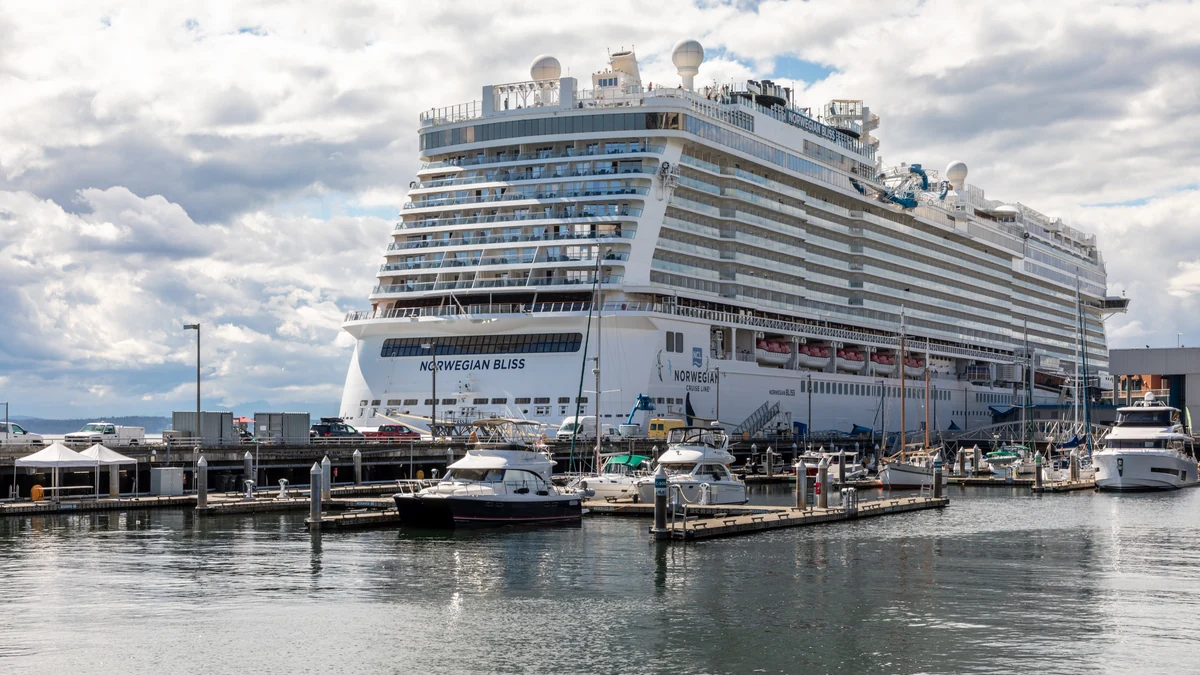
Seattle Cruise Port operates from two terminals that create very different embarkation mornings. Bell Street Cruise Terminal at Pier 66 sits on the central waterfront within walking distance of Pike Place Market and several hotels. Smith Cove Cruise Terminal at Pier 91 lies north of downtown in a working waterfront area and normally requires a vehicle. The ship and cruise line determine which one you need.
Seattle is a major Alaska gateway, so the safest structure is familiar: arrive at least one day before sailing, choose a hotel that matches the pier and keep embarkation morning simple. Link light rail connects Sea-Tac Airport with downtown, but neither cruise terminal is inside a station. The final walk or road transfer must be planned with luggage, weather and mobility in mind.
Seattle Cruise Port at a Glance
| Port name | Seattle Cruise Port |
|---|---|
| Main arrival area | Bell Street Cruise Terminal at Pier 66 on the central waterfront, or Smith Cove Cruise Terminal at Pier 91 north of downtown |
| Cruise region | Alaska / North America / Canada |
| Country / Territory | USA |
| Currency | US dollar (USD) |
| Languages | English; many other languages are spoken across the city |
| Port role | Departure|Turnaround |
| Disembarkation | Docked at either Bell Street Pier 66 or Smith Cove Pier 91; the two terminals are several miles apart |
| Walkability | Very high from Pier 66 for the central waterfront and Pike Place; low from Pier 91 without a transfer |
| Shuttle required | No universal city shuttle; Pier 91 normally requires a taxi, ride-hail, hotel transfer or cruise-arranged transport |
| Main transport | Walking, Link light rail, city bus, taxi, ride-hail, hotel transfer, cruise transfer and organised sightseeing |
| Best first-time plan | Confirm the pier, arrive in Seattle at least one day early and stay downtown or near a simple transfer route; use Pike Place and the waterfront for the easiest pre- or post-cruise time |
| Main caution | Turning up at the wrong pier or assuming the airport light rail delivers passengers directly to either terminal |
Weather & Best Time to Visit Seattle
January to March
Typical high: 9–13°C
Typical low: 3–6°C
Rain / conditions: Cool and frequently wet; low cloud and occasional snow or ice can affect flights and roads.
April to June
Typical high: 14–22°C
Typical low: 7–12°C
Rain / conditions: Milder with long daylight; rain remains possible during the early Alaska season.
July to September
Typical high: 21–26°C
Typical low: 13–15°C
Rain / conditions: The warmest and driest period, though heat and wildfire smoke can occasionally affect outdoor plans.
October to December
Typical high: 9–18°C
Typical low: 3–10°C
Rain / conditions: Increasingly wet, windy and dark; shoulder-season sailings need waterproof layers and extra transfer margin.
Weather guide: CruisePing summary based on NASA POWER climate data for Seattle and Elliott Bay. Check the latest forecast for the call.
Seattle’s reputation for rain should lead to practical clothing rather than overpacking. Keep a waterproof layer accessible on embarkation day because checked bags may not reach the cabin quickly. Waterproof shoes are more useful than an umbrella in wind and crowded terminal approaches.
Summer can be warm and sunny, while smoke from regional wildfires can reduce views or affect sensitive travellers. Check air-quality guidance as well as the temperature when a pre-cruise day is built around the Space Needle, harbour or outdoor parks.
Pier 66 and Pier 91 Are Not Interchangeable
Bell Street Cruise Terminal at Pier 66 is at 2225 Alaskan Way on the central waterfront. Official Port of Seattle and Visit Seattle information places it close to Pike Place Market, the aquarium, Great Wheel and Olympic Sculpture Park. Its city-centre location makes walking realistic from selected hotels, though the waterfront redevelopment, gradients and luggage still need checking.
Smith Cove Cruise Terminal at Pier 91 is farther north in the Magnolia waterfront area. It is not a comfortable walk from downtown with cruise cases and should be treated as a vehicle destination. The port provides terminal-specific information for parking and pickup, which should be checked before travel.
Cruise-line patterns can change, so do not infer the pier only from the company name or a previous sailing. Put the terminal address in the hotel booking notes, transfer reservation and offline phone map. A taxi asked for “Seattle cruise port” may need clarification at exactly the moment traffic is building.
Read the pier number from the cruise documents before booking the final hotel transfer. Pier 66 is on the central waterfront beside Belltown, while Pier 91 is at Smith Cove north of the visitor core. A driver told only “Seattle cruise port” may need clarification at the worst possible moment. The two terminals also produce different walking and luggage decisions: Pier 66 can suit a genuinely nearby hotel, but Pier 91 should normally be treated as a vehicle transfer even when the map distance looks modest.
From Sea-Tac Airport to Downtown and the Piers
Sound Transit’s Link light rail connects SeaTac/Airport Station with downtown Seattle. It is economical and avoids road congestion, making it a strong airport-to-hotel option for passengers who can manage luggage. Check current service, station works and operating hours because the network continues to change.
For Pier 66, downtown stations leave a further walk or short vehicle journey to the waterfront. The route may involve hills, lifts and busy crossings. For Pier 91, light rail only solves the airport-to-downtown portion; a taxi, ride-hail or bus connection is still required. Do not board Link believing it terminates at the cruise terminal.
A direct taxi or ride-hail is easier for groups and heavy luggage. Travel time from the airport changes with Interstate 5 traffic, events and road works. Reserve enough time for the terminal queue after the drive. A cruise transfer may reduce decisions but can involve waiting for the coach to fill.
Link light rail is strongest when the hotel is near a station and the group can manage its own cases. It reaches downtown, not the cruise check-in desk. For Pier 66, the last leg may be walkable from a central hotel or easier by a short taxi; for Pier 91, plan a separate vehicle. On busy embarkation mornings, do not wait until reaching downtown to discover that the group, luggage or weather makes the final connection impractical.
Arrive Before Sailing Day
Seattle’s Alaska season brings large numbers of passengers through the airport and hotels on similar schedules. A same-day flight exposes the cruise to weather, airline and baggage delays. Even a short domestic journey can fail when the aircraft or crew began elsewhere. International arrivals add immigration and long-haul disruption.
One pre-cruise night is the minimum sensible protection. Two nights allow recovery and meaningful sightseeing. Seattle is compact enough for a focused visit but large enough that arrival afternoon disappears quickly once the airport transfer, hotel check-in and meal are included.
A pre-cruise hotel also creates a place to manage luggage, print or download missing documents and buy forgotten items. The cost should be judged against the value of the whole Alaska holiday. CruisePing would not rely on the earliest flight of the morning to save the room cost.
Where to Stay for Pier 66
Belltown, the central waterfront and the area around Pike Place Market give the shortest access to Pier 66. Some hotels are genuinely walkable; others sit uphill or across roads that are awkward with cases. Check street-level directions and ask whether the hotel can store luggage before check-in and after checkout.
Downtown hotels near Westlake or major Link stations simplify the airport journey and leave a short taxi to the pier. This can be more practical than paying a premium for the closest waterfront room. The city’s slopes matter: a distance that is easy without luggage may be unpleasant uphill in rain.
A late arrival near Sea-Tac can reduce first-night cost, but it leaves the full city transfer for embarkation morning. Use that structure only when the flight is very late and the cruise check-in is comfortably timed. Confirm the hotel shuttle and allow for a separate road journey to the terminal.
Where to Stay for Pier 91
Pier 91 has fewer immediate visitor amenities, so most passengers still stay downtown, Belltown, Queen Anne or Seattle Center and use a vehicle to Smith Cove. Queen Anne can reduce the road distance while keeping restaurants and attractions available. Hotel access on steep streets should be considered with luggage.
A downtown stay remains attractive for the Link connection from the airport and for Pike Place or the waterfront. Pre-book or request the final taxi early enough to avoid a surge when several ships embark. Tell the driver Smith Cove Cruise Terminal, Pier 91, not simply “the port”.
Parking and private-vehicle plans should follow the port’s current Pier 91 instructions. Pickup and drop-off lanes are controlled on turnaround days. Friends or relatives collecting passengers should use the designated waiting and meeting process rather than circling the terminal road.
A Queen Anne or Seattle Center hotel can shorten the ride to Pier 91, but it may complicate the airport journey or place the room on a steep street. Downtown remains the more flexible base when the pre-cruise day matters, provided the final transfer is booked as a separate step. Compare the total plan rather than the room-to-pier distance alone: airport access, restaurants, luggage storage and the morning vehicle all affect whether the hotel is genuinely convenient. Confirm the hotel can call a suitably sized vehicle when several ships are embarking.
Embarkation Morning at Seattle Cruise Port
Check the cruise line’s assigned arrival window, terminal and documentation before leaving the hotel. Alaska itineraries commonly include Canada, which means passport and entry requirements may apply even when the ship departs and returns to the United States. Every traveller’s nationality and itinerary must be checked individually.
Attach luggage tags securely and keep passports, medicine, valuables, chargers, a change of clothes and weather layers in hand baggage. Porters take checked cases, which may arrive at the cabin later in the day. Photograph the bags and labels before handover.
At Pier 66, walking passengers should identify the correct terminal entrance rather than entering a public pier or nearby building. At Pier 91, follow vehicle and baggage staff instructions. Do not arrive excessively early in the hope of skipping the queue; operating windows are designed around ship clearance and staffing.
Seattle sailings often concentrate departures into a few summer days, so hotel lifts, breakfast rooms, taxis and terminal kerbs become busy together. Leave the hotel with time for a delayed vehicle, but respect the assigned check-in window rather than arriving before the terminal is ready. At Pier 91, confirm Smith Cove with the driver. At Pier 66, separate public waterfront visitors from cruise passengers by following the line’s signs and staff directions.
Disembarkation, Port Valet and Flights
Disembarkation is staged after the ship receives clearance. Self-assist can provide an earlier exit for passengers capable of carrying all luggage, but it does not remove border, gangway or pickup congestion. Keep the group together and follow the terminal meeting-zone rules.
The Port of Seattle has offered a Port Valet programme that can transfer qualifying airline luggage from the ship and issue boarding passes, subject to current airline, flight and enrolment rules. Check the official cruise passenger information and your cruise line for the sailing; do not build the day around the service until eligibility is confirmed.
A later Sea-Tac flight can support a final city visit, especially from Pier 66. Store luggage through a verified hotel, cruise programme or provider. Pike Place Market, the waterfront or Seattle Center are more practical than a distant excursion. Leave for the airport with enough time for Link travel or road congestion and airport security.
A morning arrival does not mean every passenger is on the pavement at the same time. Ship clearance, colour groups, luggage halls and pickup controls can spread disembarkation across several hours. Port Valet can be valuable when the sailing, airline and flight qualify, but enrolment and bag instructions must be completed correctly. Without it, arrange storage before setting out for Pike Place or Seattle Center; taking full-size cases into crowded attractions quickly turns a useful final day into a burden.
Pike Place Market and the Waterfront
Pike Place Market is Seattle’s most useful pre- or post-cruise attraction because it is central, flexible and close to Pier 66. The market is a working food and retail district rather than one fish-throwing photo. Go early for easier movement, explore several levels and eat something from a producer or small counter instead of spending the whole visit in the busiest arcade.
The renewed central waterfront links the market area with the aquarium, piers, ferries and public spaces. Gradients and crossings remain, so use lifts and signed routes where available. From Pier 66, a waterfront walk can extend north to Olympic Sculpture Park or south towards the ferry terminal depending on time and energy.
With luggage stored, a three-hour market-and-waterfront route is realistic. With cases, it is not. Crowded aisles and steep connections make large bags inconsiderate and difficult. Solve storage before sightseeing.
Seattle Center, Space Needle and Museums
Seattle Center contains the Space Needle, Chihuly Garden and Glass, Museum of Pop Culture and other attractions. It is close enough to downtown for a short ride or longer walk but deserves deliberate selection. Timed admission and queues can consume a post-cruise window, so reserve only when the flight margin is large.
The Space Needle provides the iconic city view, while Chihuly offers a concentrated indoor-and-garden visit. Museum of Pop Culture can take several hours for visitors who engage with the exhibitions. Choose one main paid attraction and use the surrounding centre as the flexible part of the route.
From Pier 91, Seattle Center is geographically closer than Pike Place but still requires a vehicle or planned bus route with luggage. From Pier 66, both areas are viable. A one-way monorail journey between Westlake and Seattle Center can add useful transport but is not an airport or cruise-terminal service.
Ferries, Views and a Longer Seattle Stay
Washington State Ferries provide dramatic Puget Sound views, but a ferry ride should be chosen for the journey and return schedule rather than treated as a quick harbour loop. Bainbridge Island can make a strong half-day or full-day excursion before the cruise. It is too risky immediately before embarkation if any service disruption would remove the buffer.
A harbour tour or Ballard Locks cruise offers a more controlled sightseeing format when the timetable matches. Check departure pier, duration and return. Seattle’s water setting is best appreciated from a boat, but cruise passengers already have a fixed ship deadline and should avoid stacking marine schedules tightly.
With two pre-cruise nights, neighbourhoods such as Capitol Hill, Ballard or Fremont become worthwhile. With one night, stay central. The objective is not to complete Seattle before Alaska; it is to start the voyage rested and oriented.
Mobility and Accessibility in Seattle
Both terminals provide passenger assistance, but requests should be made through the cruise line before travel. Tell the transfer provider about wheelchair dimensions and luggage. Pier 66’s central location does not remove ramps, long indoor routes or crowded pavements; Pier 91’s vehicle dependence makes advance booking more important.
Link light rail stations have accessible routes, but lift outages or construction can change the practical journey. Check Sound Transit alerts. Downtown slopes can be tiring for manual wheelchair users and passengers with limited stamina, particularly between the waterfront and higher streets.
For sightseeing, the waterfront and Seattle Center can be structured around lifts and indoor stops. Pike Place Market has multiple levels and crowded narrow areas, so use the market’s accessibility information and avoid peak periods. A private accessible vehicle can join hotel, attraction and terminal without repeated equipment transfers.
Best Uses of Time Around a Seattle Cruise
Pike Place Market
Best for: Food, local character and flexible timing near Pier 66.
Allow: Two to three hours.
Planning call: Visit early and leave cruise luggage in storage.
Central waterfront
Best for: Harbour views, aquarium area and an easy walk.
Allow: One to three hours.
Planning call: Use signed lifts between waterfront and upper city streets.
Seattle Center
Best for: Space Needle, Chihuly or Museum of Pop Culture.
Allow: Three to five hours for one main attraction.
Planning call: Reserve timed entry only with a generous flight or embarkation buffer.
Bainbridge Island ferry
Best for: Puget Sound views and a slower island visit.
Allow: At least half a day.
Planning call: Use on a full pre-cruise day, not before terminal check-in.
Olympic Sculpture Park
Best for: Free outdoor art and Elliott Bay views near Pier 66.
Allow: One to two hours.
Planning call: A useful final stop after the market or waterfront.
CruisePing’s Seattle Embarkation Plan
Arrive at Sea-Tac at least one day early and take Link or a taxi to a downtown hotel. Confirm Pier 66 or Pier 91 before choosing the property. Spend the afternoon at Pike Place and the waterfront, or use Seattle Center when one paid attraction matters.
On embarkation morning, travel directly to the named terminal within the assigned window. Walk to Pier 66 only if the route and luggage are genuinely manageable. Use a pre-booked vehicle for Pier 91 and include traffic margin. Keep documents, medicine and a weather layer in hand luggage.
After the cruise, use Port Valet only when confirmed for the flight. Otherwise store bags and choose a compact city route before a later departure. Leave downtown early enough for either Link station movement or unpredictable airport road traffic.
Link Light Rail, Taxi or Cruise Transfer in Seattle?
Link is the best-value airport-to-downtown route for passengers who can handle cases. It does not reach the terminal doors. From a central station, continue on foot or by vehicle to Pier 66 and by vehicle or planned bus to Pier 91.
A taxi or ride-hail provides the simplest door-to-door journey. Vehicle size, surge demand and terminal pickup zones matter. For Pier 91, giving the full Smith Cove name prevents confusion with the central waterfront.
Cruise-line transfers can be useful between Sea-Tac and the ship when flight timing is accepted by the line. They may involve group waiting and do not make a same-day inbound flight safe. The hotel night remains the key risk control.
Seattle Cruise Port Mistakes
The two-pier system creates most avoidable errors.
- Going to the wrong terminal: Pier 66 and Pier 91 are several miles apart.
- Assuming Link stops at the ship: every rail plan needs a final connection.
- Walking to Pier 91: it is a working waterfront vehicle destination, not a downtown stroll.
- Flying in on sailing day: Alaska departures are too valuable to expose to an airline delay.
- Carrying luggage through Pike Place: store bags before entering crowded market levels.
- Booking a tight flight after disembarkation: clearance, traffic and Sea-Tac security remain variable.
- Assuming Port Valet eligibility: confirm the current airline, flight and cruise requirements.
Seattle Cruise Port Checklist
The pier number should appear on every transfer and hotel note.
- Confirmed terminal: Bell Street Pier 66 or Smith Cove Pier 91.
- Arrival in Seattle at least one day before sailing.
- Hotel selected for the actual terminal and airport route.
- Cruise-line check-in window and documentation.
- Tagged checked luggage and a complete hand-luggage bag.
- Final connection from Link or hotel to the terminal.
- Port Valet eligibility checked rather than assumed.
- Conservative post-cruise flight time.
- Weatherproof layer accessible before checked luggage returns.
- Mobility assistance and vehicle capacity arranged in advance.
Useful Official Links
Use these official and authoritative pages to check details that can change before a Seattle call, including arrival arrangements, transport, access rules and attraction information.
- Port of Seattle cruise information
- Bell Street Cruise Terminal at Pier 66
- Smith Cove Cruise Terminal at Pier 91
- Cruise passenger information and Port Valet
- Sound Transit 1 Line
- Visit Seattle cruise FAQ
- Visit Seattle guide to Pike Place Market
Seattle Cruise Port FAQ
How many cruise terminals are there in Seattle?
Seattle uses two main cruise terminals: Bell Street at Pier 66 on the central waterfront and Smith Cove at Pier 91 north of downtown.
Does Seattle airport light rail go to the cruise port?
Link light rail connects Sea-Tac Airport with downtown, but it does not stop at either cruise terminal. A final walk or vehicle transfer is required.
Can you walk to Pier 66?
Yes from several downtown and Belltown hotels when luggage, weather and mobility allow. Check the exact street-level route and terminal entrance.
Can you walk to Pier 91?
No for a normal cruise embarkation. Use a taxi, ride-hail, hotel transfer, bus plan or cruise transfer.
What is Seattle Port Valet?
It is a programme that may transfer eligible checked airline luggage from the ship and provide boarding documents. Availability depends on the sailing, airline and flight, so confirm current rules.
Should you arrive in Seattle the day before an Alaska cruise?
Yes. At least one night protects against flight and baggage delays and gives time to reach the correct terminal calmly.
CruisePing Port Verdict
Seattle is an easy Alaska gateway when the pier is confirmed and the final connection is planned. Pier 66 offers exceptional city-centre convenience; Pier 91 works smoothly with a direct vehicle. Confusing the two is the error that matters.
Arrive early, stay downtown and let Pike Place, the waterfront or Seattle Center provide the city experience. Embarkation morning should be about reaching the correct ship, not testing how many attractions fit before check-in.
Ready to browse our article library?
Looking beyond Seattle? Explore more ports in the Alaska / North America / Canada region, or narrow it to USA in particular. For cruise comparisons, planning shortcuts and value guides, head over to our main article archive.