
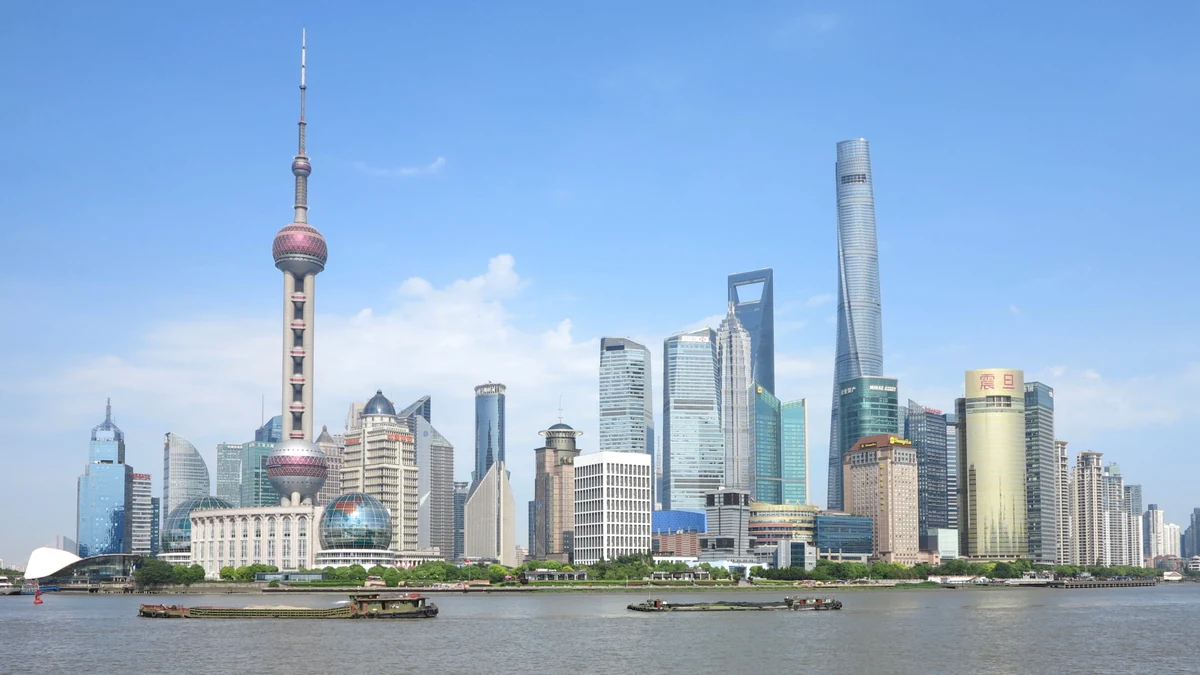
Shanghai cruise port is one of the few calls where the terminal name can change the entire day. Large ships commonly use Wusongkou International Cruise Terminal in Baoshan, well north of the central Bund, while smaller vessels may reach the North Bund on the Huangpu River. A passenger who plans only for “Shanghai port” can therefore be wrong by a substantial transfer.
The city itself rewards focus. For a first visit, the Bund, Yu Garden and one carefully chosen view of Pudong create a recognisable Shanghai day without trying to cross a metropolis repeatedly. The practical job is to identify the terminal, clear the ship’s arrival process efficiently, choose a route that fits the call and reverse-plan the return before adding museums, shopping or an observation deck.
Shanghai Cruise Port at a Glance
| Port name | Shanghai |
|---|---|
| Main arrival area | Wusongkou International Cruise Terminal for many large ships; North Bund for some smaller vessels |
| Cruise region | Asia |
| Country / Territory | China |
| Currency | Chinese yuan / renminbi (CNY) |
| Languages | Mandarin Chinese; English varies outside major visitor settings |
| Port role | Major turnaround and day-call gateway |
| Disembarkation | Docked, with immigration and terminal processing |
| Walkability | Low from Wusongkou; high from North Bund once the riverside and central districts are reached |
| Shuttle required | Often useful or essential from Wusongkou; ship arrangements vary |
| Main transport | Cruise shuttle, taxi, metro, private transfer and organised excursion |
| Best first-time plan | Bund and Yu Garden, with one Pudong skyline view and a generous return from Wusongkou |
| Main caution | Confirm the exact terminal and entry requirements before building the city route |
Your Terminal Changes the Whole Day
Shanghai’s two principal cruise starting points are not interchangeable. Wusongkou is the large dedicated terminal at the meeting of major waterways in Baoshan. The official Shanghai tourism terminal profile gives the address as No. 1 Baoyang Road and describes four berths along a long dedicated cruise shoreline. It is a serious port facility, not a walk-off city-centre quay.
The North Bund International Passenger Center sits within the core Huangpu riverside city. A ship using it starts far closer to the Bund, Hongkou and central transport. Before researching attractions, find the terminal in the cruise documents and check whether the line is providing a transfer.
Wusongkou in Baoshan
Wusongkou should be treated as a transfer port. The immediate district is developing as a cruise tourism area, but most first-time passengers want central Shanghai. Road time varies sharply with traffic, and the metro option still requires reaching a station from the terminal. A ship shuttle or pre-booked transfer can therefore be worth more than the headline fare suggests because it removes the uncertain first leg.
Think of the transfer as four separate stages: leaving the ship, clearing the terminal, reaching the vehicle, and travelling into the centre. A timetable that quotes only road time hides the other three. On a busy turnaround morning, coach loading and terminal release can be substantial, so a central meeting time should not be calculated from the scheduled docking time.
Do not judge the return by the morning journey alone. Afternoon traffic, security access and embarkation processing can add time. If the ship provides a fixed return coach, note whether it leaves from the same place where it dropped passengers; central Shanghai has several coach collection points that can look similar on a map.
North Bund on the Huangpu
North Bund gives a much stronger independent starting position. The riverside, skyline views and central districts are close enough for a taxi, metro connection or carefully planned walk. Even here, however, the ship may impose immigration, shuttle or re-entry procedures that make the terminal gate more important than the map distance.
Passengers should confirm whether the vessel is truly at the international passenger centre or at another named berth in the wider port area. “North Bund” is useful only when it appears in the ship’s own information. The official Shanghai cruise-tourism portal adds destination context, but it does not replace the operational terminal name in the cruise documents.
Immigration, Entry Rules and Ship Instructions
China’s entry arrangements for cruise passengers can depend on nationality, itinerary, group status and current policy. Shanghai tourism publishes information about cruise-group visa exemptions, but those schemes have conditions and should not be treated as universal permission. The cruise line, relevant Chinese diplomatic guidance and the passenger’s passport nationality determine what applies.
Carry the original passport or the document specified by the ship, keep any landing card, and follow the assigned group or immigration lane. A technically easy city route is irrelevant if the passenger has not completed the arrival process correctly. Entry policies can change, so avoid relying on a blog or a previous Shanghai call as evidence for the next sailing.
Getting from Wusongkou into Central Shanghai
The most robust choices are the ship’s transfer, an organised excursion, a pre-booked private vehicle or a taxi obtained through an authorised arrangement. A transfer to the Bund or a central shopping district gives passengers a clean starting point, but the return conditions matter: some tickets are one-way, some have one fixed return and others require passengers to meet at a separate coach park.
Metro travel can reduce exposure to road traffic, yet it is not a simple step from gangway to train. The passenger must first leave the terminal area, reach the appropriate station, buy or activate the correct fare and navigate transfers. It can work well for confident independent travellers, but it is not the automatic cheapest answer when a ship shuttle has already solved the difficult terminal leg.
Getting Around from North Bund
From North Bund, a taxi or app-based car can quickly reach the Bund, People’s Square or Yu Garden when traffic is moving. The metro is useful for longer jumps, while the riverfront itself invites walking. The advantage is not only shorter distance; it is the ability to change the day without committing to a long outbound transfer.
A sensible route might walk or ride south towards the Bund, continue to Yu Garden, then use a taxi or metro for the return. Avoid zigzagging repeatedly between Puxi and Pudong. The river is a strong organising line, but crossings, station entrances and large junctions still consume time.
Payment, Maps and Mobile Connectivity
Shanghai is highly digital, and many local transactions are designed around Chinese mobile-payment systems. International cards may work in larger hotels, attractions and shops, but small merchants, taxis and ticket machines can be less predictable. Carry some yuan, use smaller notes, and set up any approved visitor payment option before the call rather than attempting registration on the pavement.
Download offline maps and save the terminal name in Chinese characters if the cruise line provides it. Some familiar overseas apps and online services may not function normally in mainland China. A screenshot of the berth, meeting point and return instruction is often more reliable than assuming continuous mobile data.
Carry the Chinese name and address of each essential stop rather than a long English itinerary. A hotel concierge, attraction desk or guide can help call a licensed taxi and confirm the destination. When travelling as a couple or group, make sure every person has the return details; one phone should not hold the only copy.
The Strongest First-Time Route: Bund and Yu Garden
For most first-time passengers, the Bund and Yu Garden make the most coherent pair. The Bund provides the classic riverfront view towards Pudong and a sequence of historic commercial buildings on the Puxi bank. Yu Garden adds lanes, traditional architecture, shops and the enclosed garden area. Together they show two different versions of Shanghai without forcing a cross-city expedition.
The official tourism site lists the Bund, Yu Garden, People’s Square and other central sights within its recommended visitor routes. Start at the attraction furthest from the return transfer if that makes the journey simpler, then move steadily back towards the collection point. Do not let shopping around Yu Garden consume the time reserved for the terminal.
Walking the Bund
The Bund is best experienced as a promenade rather than a single viewpoint. Walk a manageable section, look across to Lujiazui and then turn towards the buildings behind the riverfront. The skyline changes with haze, rain and light, so a clear morning may justify putting the walk first.
Crowds can be dense, pedestrian crossings are wide and coach drop-off points may sit back from the promenade. Agree a precise meeting place if a group separates. “By the Bund” is not precise enough when several blocks, underpasses and riverfront access points are involved.
Yu Garden and the Old City Area
The official Yu Garden information presents the area as a centre of Shanghai folk culture. Visitors should distinguish the historic garden from the surrounding commercial lanes and bazaar atmosphere. It is possible to enjoy the exterior architecture and food streets without entering the garden, but the formal garden gives the visit its quieter historical core.
Queues, timed entry and festival crowds can change the balance. If admission would take too much of a short call, explore the public lanes and keep moving. If the garden is a priority, confirm current opening and ticketing before the cruise and protect enough time to enter rather than arriving with only a few minutes to spare.
People’s Square and Shanghai Museum
People’s Square works well for passengers who prefer museums, civic space and a central transport hub to shopping. Shanghai Museum can absorb several hours, which makes it an alternative to Yu Garden rather than an easy addition. Check reservation and admission arrangements directly because popular cultural institutions may use timed booking or capacity controls.
A museum-focused day is particularly sensible in heavy rain, extreme heat or poor air visibility. It also gives repeat visitors a more substantial experience than repeating the skyline circuit. The risk is spending so long inside that the return becomes rushed; set an exit time before entering.
Pudong and the Skyline from the Other Side
Lujiazui places passengers among the towers they viewed from the Bund. Observation decks, shopping centres and elevated walkways can create a modern Shanghai day, but queues and security screening make the timing less elastic than an open promenade. Choose one high-level viewpoint rather than collecting several.
Crossing to Pudong is worthwhile when skyline architecture is the main interest or when the call is long. On a shorter Wusongkou visit, the view from the Bund may deliver more value with less movement. CruisePing would not cross the river merely to say both banks were visited.
River Crossings and Sightseeing Boats
Ferries and river cruises can be useful experiences, but they are not automatically transport shortcuts. A public crossing may leave passengers at a point that still requires walking or another ride, while a sightseeing cruise operates to its own boarding and departure schedule. Verify the pier rather than following signs for any boat on the Huangpu.
A river trip is strongest on a long call or evening stay when the skyline lighting becomes part of the experience. On a conventional daytime call, use it only if the boat itself is a priority. The Bund already provides the essential river view without introducing another queue.
Food Without Losing the Day
Shanghai offers an enormous range of food, yet a cruise day needs a practical choice. A dumpling meal, noodle stop or trusted restaurant near Yu Garden, People’s Square or the Bund can add local character without a separate cross-city journey. Avoid selecting a restaurant solely from a distant recommendation when the route to reach it is more complicated than the meal.
Queues at famous outlets can be as long as attraction queues. Keep a second option nearby and carry the address in Chinese. Food halls and established shopping centres can be easier for mixed groups because payment, seating and menus are more predictable.
Shopping and the Temptation to Add Nanjing Road
Nanjing Road sits naturally near the Bund and People’s Square, so it can fit a central route. The mistake is letting a short walk become an open-ended shopping session. Decide whether shopping is a main activity or simply a link between two sights.
For souvenirs or higher-value purchases, retain receipts and understand the ship’s customs guidance. Shanghai’s official visitor site publishes tax-refund information, but eligibility and departure procedures are specific. Do not build a cruise day around reclaiming tax unless the purchase justifies the administrative time.
Best Things to Do from Shanghai Cruise Port
The Bund and Huangpu riverfront
Best for: The essential first view of old commercial Shanghai facing the Pudong skyline
Best way: Transfer or taxi to a central point, then walk one defined section
Watch: Crowds and vague coach meeting points; photograph the exact return location
Yu Garden and old-city lanes
Best for: Traditional architecture, a formal garden and a lively market district
Best way: Combine with the Bund on foot or by a short taxi/metro hop
Watch: Ticket queues and festival congestion can absorb more time than expected
Shanghai Museum and People’s Square
Best for: Art, history and an indoor cultural day
Best way: Choose it instead of a long shopping or Pudong programme
Watch: Check current reservations and set a firm departure time
Lujiazui and a skyline observation deck
Best for: Modern architecture and a high-level city view
Best way: Use a pre-booked ticket or a flexible long-call plan
Watch: Security and lift queues make this a fragile add-on
A guided city overview
Best for: Passengers who want logistics and interpretation handled together
Best way: Organised excursion or private guide from Wusongkou
Watch: Large-group tours may spend substantial time loading and unloading
CruisePing Recommended Port Day
From Wusongkou, CruisePing would use a reliable transfer into central Shanghai and make the Bund–Yu Garden corridor the core of the day. Walk the Bund, continue or ride to Yu Garden, take a concise lunch, and then begin the return without adding a remote attraction. If a museum is the main interest, replace Yu Garden rather than trying to do both thoroughly.
From North Bund, the same central route can be more relaxed. Add People’s Square, a ferry crossing or a Pudong viewpoint only when the ship remains late and the return route is secure. The fallback in poor weather is Shanghai Museum or another central indoor attraction with a direct route back.
Set three decision times before leaving the terminal: the latest time to begin the second attraction, the latest time to start lunch, and the absolute time to leave central Shanghai. These are more useful than a minute-by-minute schedule because they allow the day to breathe while preventing one queue from consuming the return margin. Write them beside the ship’s all-aboard time, not in a separate note that nobody checks once the group is ashore. Share the same cut-off times with everyone before the first person disappears into a shop or museum queue that day. When a delay occurs, remove the next optional stop rather than trying to walk faster through everything that remains.
How a Short Call Differs from a Long Call
On a short call, the transfer is the day’s fixed cost. Wusongkou passengers may have time for only one compact central circuit, especially after immigration. Choose the Bund and one companion attraction, then stop. A long call can support a museum, formal meal or Pudong viewpoint, but only after the return transfer has been protected.
An overnight or late-evening stay changes the value of river cruises and skyline lighting. It also changes traffic patterns. Do not apply the generous plan from an overnight itinerary to a ship sailing in mid-afternoon.
DIY or Organised Excursion?
DIY is strongest from North Bund and for confident travellers from Wusongkou who have a ship transfer into town. Shanghai’s metro, taxis and central walking routes are capable, but payment setup, language, connectivity and the distant terminal add friction. A private guide or car can be good value for two to four passengers when it combines port collection, interpretation and a controlled return.
An organised excursion is sensible for first-time visitors who do not want to solve entry, transport and meeting points independently. It is also the safer choice for a route that leaves central Shanghai. CruisePing would not pay for an excursion merely to walk the Bund, but would pay to remove the Wusongkou transfer risk when no dependable shuttle is offered.
Accessibility and Pacing
Terminal buildings and major modern attractions may be accessible, but the complete journey includes coach steps, long corridors, crowded pavements, kerbs and large road crossings. Wheelchair users should ask whether the transfer vehicle has a lift and whether mobility equipment remains with the passenger or is stored underneath.
The Bund is broad in places but can be crowded; Yu Garden’s lanes and historic interiors can be tighter and less even. A slower group should choose fewer stops and use taxis between them. The city is not difficult because of hills; it is difficult because of scale, distance and repeated transitions.
Return Planning from Central Shanghai
Work backwards from the all-aboard time, not the published sailing time. Include the journey to the coach or terminal, traffic variability, terminal security and any passport procedure. A passenger returning to Wusongkou should normally create a larger buffer than one returning to North Bund.
Save the terminal name, ship-agent emergency number and meeting-point photograph offline. If using a taxi, show the Chinese address supplied by the cruise line rather than only saying “cruise port”. Shanghai has more than one passenger terminal, and a driver cannot correct an imprecise destination that the passenger has not checked.
Keep the return group together through the final city transfer. Splitting up for shopping near the meeting time creates avoidable stress because phone contact may be unreliable and coach marshals cannot hold a departure indefinitely. The final hour should simplify the day, not introduce another purchase, river crossing or queue.
Weather & Best Time to Visit Shanghai
| Month / season | Typical high | Typical low | Rain / conditions |
|---|---|---|---|
| December to February | 8–12°C | 2–6°C | Cool to cold, sometimes damp or windy; indoor attractions become more attractive |
| March to May | 16–27°C | 8–19°C | Mild to warm with changeable rain; often comfortable for the Bund and gardens |
| June to September | 28–34°C | 22–27°C | Hot, humid and rainy with possible typhoon disruption |
| October to November | 18–26°C | 11–19°C | Often clearer and more comfortable, though cool fronts can arrive |
Use the China Meteorological Administration and the ship’s local forecast close to arrival. In Shanghai, heat changes walking pace, heavy rain favours a museum plan, and low cloud can make an observation deck poor value. Typhoon-related port or transport changes always override the prepared route.
Shanghai Port-Day Pitfalls and Value Choices
The biggest error is planning for the wrong terminal. The second is treating every famous district as adjacent because they appear on the same central map. A third is depending on an overseas app, card or mobile service without testing whether it works in mainland China.
Good value comes from buying certainty where the port is difficult and staying independent where the city is easy. A Wusongkou transfer may be worth paying for; an expensive guided walk along a public riverfront may not be. Choose one ticketed attraction, one food stop and one clear return route rather than building a day out of reservations.
Frequently Asked Questions
Which Shanghai cruise terminal will my ship use?
Large ships often use Wusongkou, while some smaller vessels reach North Bund. The cruise line’s berth information is the only reliable answer for a particular sailing.
Can I walk into central Shanghai from the port?
Not from Wusongkou. North Bund is much closer to central riverside districts, although the exact terminal exit and ship procedures still matter.
Is the metro practical from Wusongkou?
It can be, but the first leg from the terminal to a station must be solved. A ship shuttle or taxi may be simpler, particularly for a short call or first visit.
Should I visit the Bund or Pudong?
Most first-time passengers get the stronger overview from the Bund because it includes the classic view of Pudong. Go into Pudong when an observation deck or modern architecture is a main priority.
Do I need cash?
Carry some yuan even when using an international payment option. Card and mobile-payment acceptance varies, especially in taxis and small businesses.
Useful Official Links
- Shanghai Wusongkou International Cruise Terminal
- North Bund International Passenger Center
- Shanghai official cruise tourism portal
- Yu Garden official Shanghai tourism information
- Shanghai recommended tourist attractions
- China Meteorological Administration
CruisePing Port Verdict
Shanghai is a superb cruise day once the terminal problem is solved. Wusongkou demands transfer discipline; North Bund gives passengers more freedom. In both cases, the city is better when it is edited. The Bund, Yu Garden and one additional priority are enough to produce a rich first visit.
For families, the same editing matters even more. Long terminal corridors, coach waits and wide city blocks can tire children before the first attraction. Build in a seated meal or indoor pause and avoid using a high observation deck as a compulsory finale when visibility is poor. For repeat visitors, replace the classic circuit with one museum, neighbourhood or food-led route rather than travelling farther simply to make the plan look new.
CruisePing would spend money on a dependable port transfer before spending it on a crowded attraction checklist. Arrive centrally, move in one direction, and leave Shanghai with time in hand rather than watching the skyline from a coach trapped on the return.
Ready to browse our article library?
Explore more ports in Asia, narrow the library to China cruise ports, or return to the main CruisePing article library.