
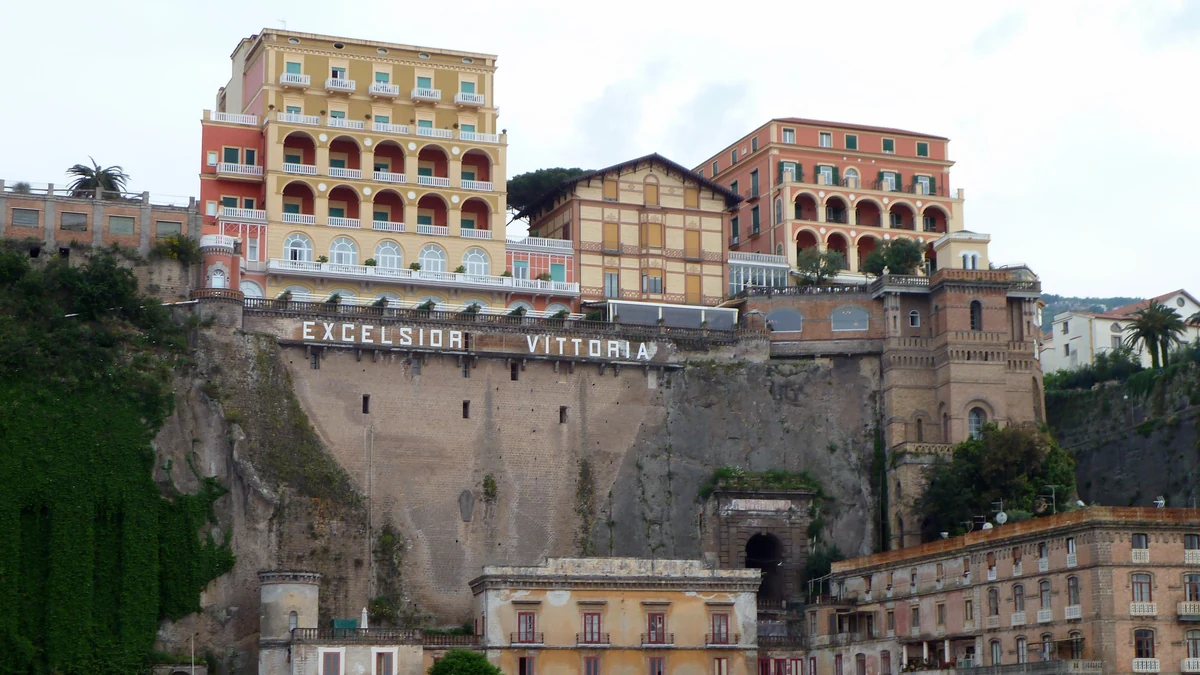
Sorrento cruise port is a tender arrival beneath a clifftop town, not a conventional terminal beside the main square. Passengers come ashore at Marina Piccola, then reach central Sorrento by lift, bus, taxi or a steep stepped route. That vertical separation is the first part of every plan and the final part of every return.
Sorrento also sits among several of Italy’s most tempting cruise-day choices. Capri is across the water, Pompeii is linked by rail, and the Amalfi Coast begins beyond the peninsula. Each can work, but none should be treated as a casual add-on to a full town day. The smartest first decision is to choose one centre of gravity: Sorrento itself, Capri, Pompeii or a coast excursion. Everything else becomes secondary.
Sorrento Cruise Port at a Glance
| Port name | Sorrento Cruise Port |
|---|---|
| Main arrival area | Tender landing at Marina Piccola below Sorrento’s clifftop centre |
| Cruise region | Mediterranean |
| Country / Territory | Italy |
| Currency | Euro (EUR) |
| Languages | Italian; English is widely used in tourism |
| Port role | Day Call |
| Disembarkation | Tender to Marina Piccola for most cruise calls |
| Walkability | High in the town centre but steep between Marina Piccola and the clifftop |
| Shuttle required | No in the marina, though a lift, bus or taxi is useful for the climb to town |
| Main transport | Tender, lift, walking, local bus, taxi, ferry, rail and organised excursion |
| Best first-time plan | Sorrento old town and viewpoints, or one major excursion to Pompeii, Capri or the Amalfi Coast |
| Main caution | Tender queues, the marina-to-town climb and linking ferries, trains or coast roads too close to all-aboard |
Weather & Best Time to Visit Sorrento
January to March
Typical high: 13–17°C
Typical low: 7–10°C
Rain / conditions: Mild but changeable, with rain, wind, rougher seas and reduced seasonal ferry services.
April to June
Typical high: 18–28°C
Typical low: 11–19°C
Rain / conditions: Warm and increasingly dry, with strong conditions for walking before peak heat and crowds.
July to September
Typical high: 27–32°C
Typical low: 20–24°C
Rain / conditions: Hot, bright and very busy, with exposed ruins, congested roads and crowded ferry piers.
October to December
Typical high: 15–26°C
Typical low: 9–19°C
Rain / conditions: Often warm in early autumn, followed by wetter, windier weather and more variable sea operations.
Weather guide: CruisePing summary based on NASA POWER climate data for Sorrento and the Bay of Naples. Check the latest forecast for the call.
Sea conditions matter twice: first for the ship’s tender and again for any independent ferry or boat. A calm morning does not guarantee a smooth late-afternoon connection. Capri plans should keep an earlier ferry back than the last service that could theoretically meet the tender.
Heat changes the relative value of the options. Pompeii is most demanding in midday sun, while the Sorrento lanes and gardens offer more shade. On a hot July call, visit exposed archaeology early and reserve the clifftop town for the flexible final hours.
How the Sorrento Tender and Marina Transfer Work
Most cruise ships anchor off Sorrento and tender passengers to Marina Piccola. The tender sequence, landing pier and final boat time are ship-specific. Record whether passengers need return tickets or numbered groups and how early the queue is expected to form. A crowded marina can make the last part of the day slower than the map suggests.
Marina Piccola sits below the town centre. A public lift normally links the marina level with Villa Comunale above, while local buses, taxis and a stepped walking route provide alternatives. Lift operation, queues and opening should be checked on the day. The stairs are steep and can be tiring in heat, especially after a long excursion.
Build the return backwards. Allow time to reach the lift or road drop-off, descend to the correct pier, clear any security and join the tender queue. An excursion that reaches Piazza Tasso shortly before the last tender is not safely “back in Sorrento”; the marina leg still remains.
Sorrento as the Destination, Not Just the Gateway
Sorrento’s old town, cliff views and gardens can fill a relaxed cruise day without a long transfer. From the lift near Villa Comunale, passengers can walk to the cloister of San Francesco, Piazza Tasso, the cathedral, narrow shopping streets and viewpoints over the Bay of Naples. Distances are compact once the clifftop is reached.
The town is polished and heavily visited, but it retains useful contrasts. The main lanes sell limoncello, leather and souvenirs, while side streets, churches and courtyards offer quieter detail. Vallone dei Mulini can be viewed near the centre, and Marina Grande gives a different fishing-harbour atmosphere below the western side of town.
A Sorrento-only day suits passengers who have already seen Pompeii or Capri, those who want lower transport risk, and anyone whose tender is delayed. It also allows a proper meal without watching a distant train or ferry clock. The mistake is assuming the town has no value because more famous destinations appear nearby.
A Practical Sorrento Walking Route
Take the lift from Marina Piccola to Villa Comunale and begin with the bay view while the terrace is less crowded. Walk through the cloister area, then continue towards Piazza Tasso. From there, enter the historic lanes rather than following only the main shopping street. The cathedral and small churches give the route depth without requiring timed transport.
Continue towards the western side for Marina Grande if mobility and heat allow. The descent is scenic but creates another climb back, so a local bus or taxi may be useful. Passengers who want a gentler route can remain on the clifftop, visit a garden or museum and return through the centre.
Finish with the marina transfer rather than leaving it to chance. If lift queues are long, take a taxi or begin the descent earlier. A final drink near Piazza Tasso is only relaxed when at least one alternative route to Marina Piccola remains.
Capri from Sorrento: Attractive but Connection-Heavy
Sorrento is one of the most practical mainland points for Capri, and scheduled ferries or hydrofoils commonly connect Marina Piccola with Marina Grande on the island. For cruise passengers, however, the day contains three separate marine operations: ship tender, public ferry and ship tender again. Each needs a margin.
Use only a current ferry timetable for the date. Book an early outward sailing that remains realistic after tendering, and choose a return to Sorrento at least two hours before the final tender window. That buffer allows for ferry delay, disembarkation, marina congestion and the possibility that the ship’s tender pier is not beside the public ferry berth.
On Capri, keep the plan focused. Capri Town and the Gardens of Augustus are the most controllable first visit. Anacapri and Monte Solaro can work with an early arrival, but adding a Blue Grotto boat creates another weather- and queue-dependent layer. CruisePing would not make the grotto the fixed centre of a Sorrento cruise day.
Pompeii by Train from Sorrento
The EAV Circumvesuviana line connects Sorrento with Pompei Scavi–Villa dei Misteri, close to the main archaeological entrance. This makes Pompeii a realistic independent excursion, but the train begins above the marina. Passengers must first reach Sorrento station, allow for ticket purchase and board a service that leaves enough time at the site.
Check the current EAV timetable and any service notices. Trains can be busy, and platforms or stopping patterns may change. The seasonal Campania Express offers a visitor-focused alternative on selected dates, but it should not be assumed to operate for every call or to remove the need for a return buffer.
Pompeii itself is vast. A cruise-compatible visit should identify a route rather than wander until time runs out. Allow at least two and a half to three hours inside for a meaningful circuit, longer for enthusiasts. Buy official tickets, carry water and leave the site early enough to take an earlier train than the final one that could connect with the tender.
Herculaneum, Naples and Why They Are Different Choices
Herculaneum is smaller and more compact than Pompeii, with exceptional preserved buildings, but it lies farther along the same rail corridor. It can be a strong choice for passengers who prefer a focused archaeological visit, especially in heat, yet the additional train time and station walk need including.
Naples is also reachable by rail or ferry, but using a Sorrento call to visit Naples only makes sense for a specific priority. The city is a major destination in its own right and deserves more than a rushed connection. Passengers whose itinerary includes Naples separately should save that day for the city and use Sorrento for the peninsula or Capri.
Do not attempt Pompeii and Naples as equal stops from a tender call. The outward journey may look simple, but museum time, city traffic and the Sorrento marina return create a fragile chain. One archaeological site with a proper visit is better than two famous names seen in haste.
The Amalfi Coast: Road Beauty and Traffic Reality
Sorrento is a natural departure point for Positano, Amalfi and the coastal road, but summer traffic can transform a short map distance into a long return. Public buses are inexpensive but may be crowded, full or delayed. A cruise passenger should not depend on the last plausible bus from Positano to make a tender.
A ship excursion, private driver or early boat is the stronger way to experience the coast. Even then, choose the purpose. Positano provides the famous vertical village, Amalfi adds cathedral and town, while Ravello requires an inland climb. Trying to include all three often produces a coach day with brief stops and little freedom.
A private driver should state the route, parking strategy and return deadline. Ask whether the itinerary will reverse direction if traffic builds. For most first-time passengers on a normal call, Positano plus one viewpoint is enough. Amalfi and Ravello are better reserved for a long call or protected ship excursion.
Amalfi Coast by Boat from Marina Piccola
Seasonal boats can connect Sorrento with Positano or Amalfi and avoid some road congestion. The sea view of the cliffs is a major part of the experience, but the service is weather-dependent and still requires connection with the ship’s tender. Departure piers and check-in cut-offs should be confirmed carefully.
An early boat to Positano with an early-afternoon return can be excellent when the timetable aligns. Avoid a return that reaches Marina Piccola close to the last tender, because public ferries may berth at a different point and passengers still need to find the cruise queue.
Do not link an independent Capri ferry and Amalfi Coast boat on the same call. The water may make both look easy, but each carries separate delay and boarding risk. Choose Capri or the coast and allow one marine journey to define the day.
Marina Grande, Bagni della Regina Giovanna and Local Coast
Marina Grande, west of the central clifftop, provides a quieter fishing-harbour setting and restaurants close to the water. It can be reached on foot through historic lanes or by local transport. The route back involves a climb, so account for heat and the final descent to Marina Piccola on the opposite side.
Bagni della Regina Giovanna is a natural coastal pool near the Roman villa remains at Capo di Sorrento. It is visually appealing but requires a bus or taxi followed by a walk on uneven paths. Facilities are limited, and the water entry and rocks are not suitable for every passenger.
This local-coast option is best for repeat visitors, confident walkers and swimmers who want to avoid the major gateways. Arrange the road return before setting out. The site should replace a long old-town route, not be added after Pompeii or Capri.
Tender-Safe Timing for Four Common Plans
For a Sorrento town day, leave the marina early, spend the morning in the historic centre, add Marina Grande or a local coastal stop after lunch and descend with a large tender margin. This is the most forgiving plan because every element can be shortened.
For Pompeii, aim for an early train, protect at least three hours at the site and return on an earlier service than necessary. For Capri, book a morning ferry and an early-afternoon return. For the Amalfi Coast, use a ship excursion, private driver or clearly timed boat and remove Sorrento sightseeing beyond a final short walk.
When the first tender is delayed by an hour, do not compress the same itinerary. Capri and coast plans may need abandoning; Pompeii may still work with a private transfer or shorter site route; Sorrento itself remains strong. The quality decision is the one made early, before missed connections consume more time.
Tickets, Queues and What to Pre-Book
Pompeii admission is worth arranging through the official site when crowd levels are high, but choose an entry window that survives tender and rail uncertainty. Capri ferries, coast boats and popular private tours may also sell out. Booking helps only when cancellation terms and connection margins are understood.
Avoid unofficial resellers that blur transport, admission and guide services. Read what is included, where the meeting point is and whether a late tender counts as a missed departure. A product advertised for “Sorrento port” may start in Piazza Tasso or at the railway station rather than beside the tender.
Keep screenshots of tickets and timetables, but recheck live notices after coming ashore. Mobile reception can be uneven on crowded piers, and printed or offline details are useful. Store the ship’s port-agent information separately from the phone used for navigation.
Eating and Shopping without Losing the Return
Sorrento is known for citrus products, limoncello, gnocchi alla sorrentina, seafood and pastries. The central streets contain both serious local businesses and high-volume visitor outlets. Taste before buying where possible and check the ship’s rules for carrying alcohol back onboard.
A long restaurant lunch fits a town day but is risky between a returning train or ferry and the final tender. For excursion days, eat near the destination or choose a quick meal after reaching Sorrento. Do not place a non-refundable reservation immediately after an uncertain marine connection.
Piazza Tasso and the main lanes become crowded when tour groups return. Side streets may offer calmer service, but keep track of the route to Villa Comunale or Marina Piccola. The cheapest souvenir is poor value if collecting it means joining the tender queue at the deadline.
Best Cruise-Compatible Things to Do from Sorrento
Sorrento old town and cliff views
Best for: A low-risk first visit with atmosphere, churches and Bay of Naples views
How to do it: Use the marina lift, walk from Villa Comunale and keep the route flexible
Watch: Lift queues, steep alternatives and dismissing the town for a distant excursion
Pompeii
Best for: A major archaeological day with a practical rail connection
How to do it: Take an early EAV train and follow a planned route inside the site
Watch: Heat, busy trains and leaving the return to the last possible service
Capri
Best for: Island scenery and a marquee Bay of Naples experience
How to do it: Book early ferries and return to Sorrento well before the tender deadline
Watch: Three marine connections, queues and adding the Blue Grotto
Positano and the Amalfi Coast
Best for: Coastal scenery and the famous vertical villages
How to do it: Use a ship excursion, private driver or early seasonal boat
Watch: Road traffic, full buses and overloading Positano, Amalfi and Ravello
Marina Grande
Best for: A quieter local harbour and lunch near the water
How to do it: Walk or use local transport, then return to the clifftop in good time
Watch: The climb back and confusing it with the ship’s Marina Piccola landing
Bagni della Regina Giovanna
Best for: A local swim and coastal landscape for repeat visitors
How to do it: Use a taxi or bus plus a secure-footwear walk
Watch: Uneven access, limited facilities and uncertain spontaneous return transport
CruisePing Recommended Sorrento Port Day
For first-time visitors who have not seen Pompeii, take an early train from Sorrento station, give the archaeological site a focused three-hour visit and return on an earlier service. Use the late afternoon for Villa Comunale, Piazza Tasso and the old-town lanes before descending to Marina Piccola.
Passengers who have already visited Pompeii should stay in Sorrento or choose one major alternative. Capri is strongest when a very early ferry and conservative return are available. The Amalfi Coast is strongest with a protected excursion or private driver. Neither should be paired with another headline gateway.
On a short, crowded or windy call, make Sorrento itself the destination. The town’s views, lanes, churches and food form a complete day, and the plan can contract around tender delays. That flexibility is more valuable than spending the call anxious about a late ferry from an island you barely had time to see.
DIY, Private Transfer or Ship Excursion from Sorrento?
Sorrento town is an easy DIY choice once the marina-to-centre transfer is understood. Pompeii is also practical independently for passengers comfortable with the EAV railway and a large return margin. Capri can be DIY, but the marine connections require disciplined timing.
A private driver earns the cost for the Amalfi Coast because road traffic, parking and route order are the central problems. A ship excursion is sensible when visiting Positano, Amalfi or Ravello on a busy summer call, and for passengers who want protected logistics rather than continuous clock-watching.
CruisePing would not pay for an organised walking tour that simply moves through central Sorrento unless the guide offers real food, history or local access. Spend money where logistics are difficult—coast road, distant site or specialist interpretation—and remain independent where the port is naturally easy.
Sorrento Port-Day Pitfalls and Better Decisions
Sorrento’s danger is not distance alone; it is the number of separate connections hidden inside a seemingly simple excursion.
- Forgetting the marina climb: every train, bus or town plan begins above the tender landing and ends with a descent.
- Using the last Capri ferry: keep at least one earlier sailing and a large margin for the ship tender.
- Combining Pompeii and the Amalfi Coast: each deserves the day and uses a different transport corridor.
- Relying on a late public bus from Positano: summer traffic and full vehicles can destroy the return plan.
- Assuming Campania Express runs daily: check the dated EAV service rather than treating it as a permanent timetable.
- Booking the Blue Grotto as essential: queues and sea conditions can consume Capri time without guaranteeing entry.
- Returning only to Piazza Tasso: allow the final lift, road or steps to Marina Piccola and the tender queue.
Sorrento Cruise Day Checklist
Choose one gateway and protect every connection back to Marina Piccola.
- Record the final tender, landing pier and expected return queue.
- Check lift operation and retain a taxi or walking alternative.
- Use current EAV rail and ferry timetables for the exact date.
- Book Pompeii only through official or clearly authorised channels.
- Take an earlier Capri or coast return than the last possible one.
- Carry water and sun protection for Pompeii and cliffside routes.
- Keep the final hour in central Sorrento or at Marina Piccola.
Useful Official Links
Use these official and authoritative pages to check details that can change before a Sorrento call, including arrival arrangements, transport, opening information and local access.
- Comune di Sorrento culture and tourism information
- Sorrento-Sant’Agnello official tourism office
- EAV railway timetables
- EAV Campania Express
- NLG Sorrento–Capri ferry information
- Pompeii Archaeological Park
Sorrento Cruise Port FAQ
Do cruise ships dock in Sorrento?
Most cruise calls anchor and tender passengers to Marina Piccola below the town. Follow the ship notice for the actual landing and final boat.
How do you get from Marina Piccola to Sorrento centre?
A lift normally connects the marina with Villa Comunale. Buses, taxis and steep steps provide alternatives. Check operation and queues on the day.
Can you visit Pompeii from Sorrento cruise port?
Yes. Reach Sorrento station from the marina and take the EAV line to Pompei Scavi–Villa dei Misteri. Use an early train and an earlier-than-necessary return.
Is Capri realistic from Sorrento on a cruise call?
Yes when ferry times align and sea conditions are stable. Book an early outward trip and return at least two hours before the final tender window.
Can you visit Positano independently?
A seasonal boat or public bus can work, but traffic, capacity and sea conditions make a private or ship excursion safer on busy calls.
Should you combine Pompeii and Capri?
No on an ordinary tender call. They use different transport systems and each deserves several hours. Choose one and keep Sorrento as the flexible finish.
Is Sorrento worth seeing without an excursion?
Yes. The clifftop views, historic lanes, churches, gardens and Marina Grande can produce a complete, lower-risk day.
What is the safest first-time choice?
Pompeii plus a short Sorrento walk is the strongest history-led plan. A Sorrento-only day is the most robust when tendering, weather or mobility make connections unattractive.
CruisePing Port Verdict
Sorrento is a high-choice port that rewards subtraction. Pompeii, Capri and the Amalfi Coast are all realistic, but only when one is allowed to dominate the day. The tender, marina lift and onward transport must be counted as real journey legs rather than invisible transitions.
For most first-time passengers, Pompeii with a Sorrento finish is the strongest balance. Repeat visitors can choose Capri or the coast. When conditions weaken those options, staying in Sorrento is not a compromise; it is the plan that preserves the views, food and atmosphere without turning the final tender into a sprint.
Ready to browse our article library?
Looking beyond Sorrento? Explore more ports in the Mediterranean region, or narrow it to Italy in particular. For cruise comparisons, planning shortcuts and value guides, head over to our main article archive.