
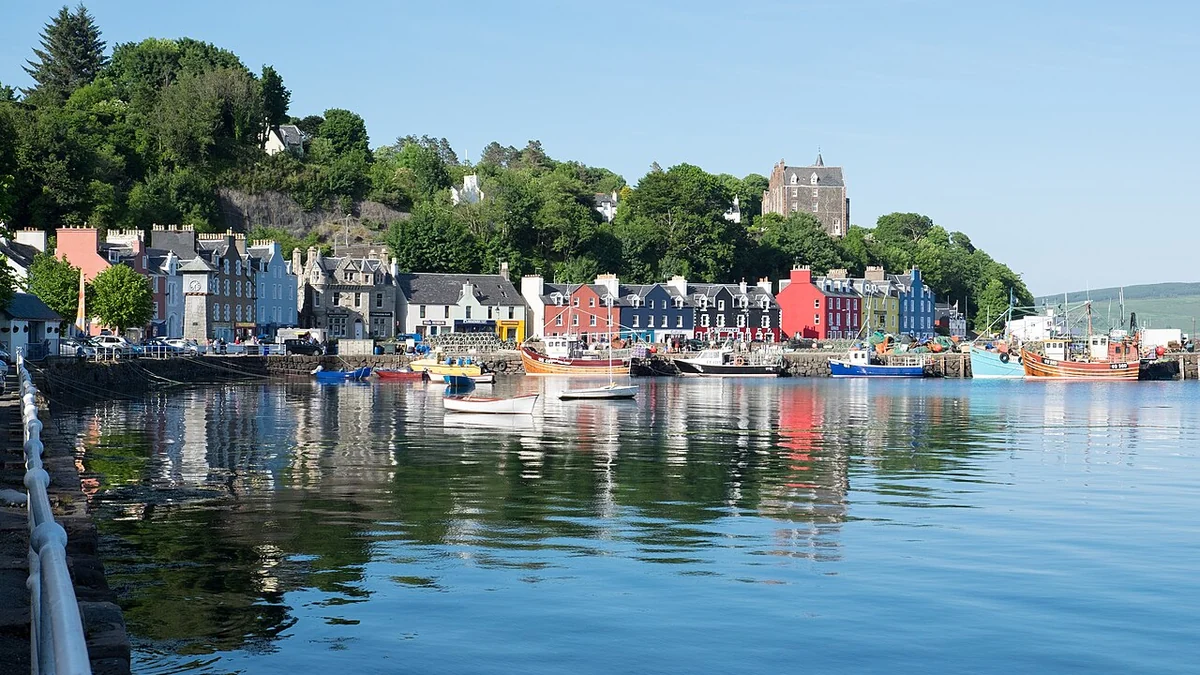
Tobermory cruise port is a compact Mull harbour where the colourful waterfront is immediate, while the island’s wildlife, castles and beaches require scarce local transport.
Tobermory Cruise Port at a Glance
| Port name | Tobermory Cruise Port |
|---|---|
| Main cruise area | Tobermory harbour or tender landing |
| Cruise region | British Isles |
| Country / Territory | UK |
| Currency | British pound (GBP) |
| Language | English, Scottish Gaelic |
| Disembarkation | Tender or Docked |
| Walkability | High |
| Shuttle required | No |
| Main transport | Walking Route, Local Bus, Taxi, Organised Excursion, Ferry |
| Best DIY option | Tobermory waterfront |
| Main caution | Tendering and limited Mull vehicles make last-minute island touring unreliable. |
Weather & Best Times to Visit Tobermory
January to March
Typical high: 7–9°C
Typical low: 3–5°C
Rain / conditions: Wet, windy and quiet; many visitor services operate seasonally.
April to June
Typical high: 10–16°C
Typical low: 5–10°C
Rain / conditions: Longer days and good walking conditions, with frequent showers.
July to September
Typical high: 15–18°C
Typical low: 10–12°C
Rain / conditions: Mild and busy; rain and midges can still affect inland stops.
October to December
Typical high: 8–14°C
Typical low: 4–9°C
Rain / conditions: Increasing Atlantic weather and shorter daylight reduce excursion resilience.
Weather guide: CruisePing summary based onNASA POWERclimate data for the Tobermory area. Check thelatest forecast.
Weather changes the order of the day here.
Where Cruise Ships Arrive in Tobermory
Larger cruise ships generally anchor in Tobermory Bay and tender to the harbour pontoon; smaller vessels may be able to berth. The landing places passengers directly on the waterfront, so there is no need for a shuttle for a town visit.
Getting Around Tobermory Independently
The immediate centre is best handled on foot.
Best Cruise-Compatible Things to Do from Tobermory
Tobermory waterfront
The coloured harbourfront is the essential independent experience and begins immediately after the tender. Shops, cafés and the bay can fill a relaxed first hour or a complete short call.
Walk the waterfront before excursion groups disperse, then return later for the final tender. Its proximity makes it the best timing buffer on Mull.
Tobermory Distillery
The distillery area adds a local product and heritage stop within the town. Current visitor access and any tour capacity should be checked before relying on a timed visit.
It combines easily with the waterfront and museum. Do not let a tasting or tour run into the final tender window.
Mull Museum
The museum provides a compact introduction to Mull’s history and community. It is particularly useful in rain and adds substance to a town-only day.
Allow enough time to read rather than treating it as a shelter between shops. It sits naturally with the harbour and distillery area.
Aros Park and waterfalls
Aros Park offers woodland, paths and waterfall scenery close enough to Tobermory for an independent walk. Conditions underfoot and the time needed to return should guide how far you go.
Use it when weather is settled and the group is comfortable with gradients. It is the best active addition that does not require island transport.
Duart Castle and island scenery
Duart Castle and the wider Mull landscape require a booked vehicle or organised excursion from Tobermory. The road journey is part of the commitment and should be weighed against the time available in town.
Choose the castle as the main road-based objective. A broad island circuit with many short stops is less rewarding than a focused visit.
Wildlife or boat trip
A wildlife or coastal boat can be one of Mull’s strongest experiences, but it depends on sea conditions and limited operator capacity. Book it as the headline event and confirm the return to Tobermory.
Keep expectations flexible because wildlife is not guaranteed. The waterfront remains the sensible fallback if the sailing is shortened or cancelled.
Use the Harbour as the Reliable Core
Keep the harbour plan as the fallback if weather changes a wildlife boat or island tour. The town is compact, but slopes and tender steps still matter for passengers with limited mobility.
Tobermory’s coloured waterfront, museum and distillery area form a complete local day after the tender. Wider Mull excursions are road-dependent and should be booked because vehicles and guides are limited when a ship arrives.
CruisePing Recommended Port Day
CruisePing would stay local on a short or uncertain call: waterfront, museum, distillery area and a woodland or lighthouse walk. With a long call, a pre-booked Mull tour is worthwhile, but trying to build a wide island circuit from public buses is too fragile.
Keep the final hour close to the harbour whenever possible.
DIY or Organised Excursion?
This is a good DIY port when the chosen day stays close to Tobermory.
A Practical Bad-Weather Plan
Tobermory remains attractive in rain because the waterfront, museum, shops and cafés are close together. Strong wind and sea state matter more when a wildlife boat or tender is involved.
Use Aros Park only when paths are comfortable and visibility supports it. If a wider Mull tour is cancelled, the harbour plan still gives the call a clear shape.
Photography without Losing the Day
The coloured waterfront is the essential Tobermory image and can be photographed throughout the call. Aros Park, harbour viewpoints and the bay add variety without a long transfer.
Wildlife photography should be booked as a dedicated outing. Do not let an uncertain sighting push the boat return too close to the final tender.
What to Book Before Sailing
Book a wildlife boat, Duart Castle route or full Mull excursion when it is central to the day. Taxis, guides and small-group vehicles can be fully committed on cruise days.
The waterfront, museum and local walk remain flexible. Keep them unbooked so the plan can absorb tender or weather changes.
How to Match the Day to Your Port Time
A short call should stay with the waterfront, Mull Museum, the distillery area and Aros Park if time and weather allow. These choices remain close to the tender and do not depend on island transport.
A full day can support one booked Mull route, Duart Castle or a wildlife boat. Do not combine a long road excursion with a substantial boat trip; each is capable of filling the call.
Planning for Limited Mobility
The tender and harbour pontoon are the first access points to check. The waterfront is compact but rises behind the bay, and Aros Park or wider island stops add slopes and uneven surfaces.
Passengers seeking a lower-effort day can remain along the harbour and museum area. Confirm vehicle access and boat boarding before choosing Duart Castle or a wildlife trip.
Food, Toilets and Small-Port Capacity
The waterfront has limited capacity compared with a city port. Café and restaurant demand can spike soon after the main tender lands.
Eat early or late and use harbour facilities before a road or boat excursion. Carry water, but keep bags light for the tender and sloping streets.
Port-Day Pitfalls and Value Choices
Tobermory’s town is worth exploring without a guide. Pay for the island reach that the harbour cannot provide, not for a narrated version of the same short waterfront.
Tobermory Port-Day Checklist
- Confirm tender and pontoon arrangements for the ship.
- Book any wildlife boat or wider Mull tour before sailing.
- Use the waterfront, museum and distillery area as the reliable local core.
- Check gradients and boarding arrangements for mobility needs.
- Be back in Tobermory before the final tender queue.
Useful Official Links
- Tobermory Harbour cruise calls
- Visit Mull and Iona
- West Coast Motors Mull buses
- CalMac Tobermory harbour information
Frequently Asked Questions about Tobermory Cruise Port
Can I explore Tobermory without an excursion?
Yes.
Is this a tender port?
The expected disembarkation method is tender or docked, but the cruise line’s instructions for the specific call are definitive.
What is the safest fallback?
Tobermory waterfront is the strongest low-risk option because it stays close to the arrival point and can be shortened without losing the whole day.
Should I carry cash?
Cards are widely useful, but a modest amount of British pound (GBP) can help with small purchases or temporary connection problems.
What should passengers with limited mobility check?
Check tender steps, pontoon access and the slopes behind the waterfront. The harbour, museum and nearby cafés form the easiest plan.
CruisePing Port Verdict
Tobermory Cruise Port rewards a selective plan. For most passengers, the smartest day is Tobermory waterfront combined with one clearly chosen local highlight, rather than a rushed attempt to collect every sight.
Ready to browse our article library?
Explore more ports in British Isles or narrow it to UK in particular. For cruise comparisons, planning shortcuts and value guides, head over to our main article archive.