
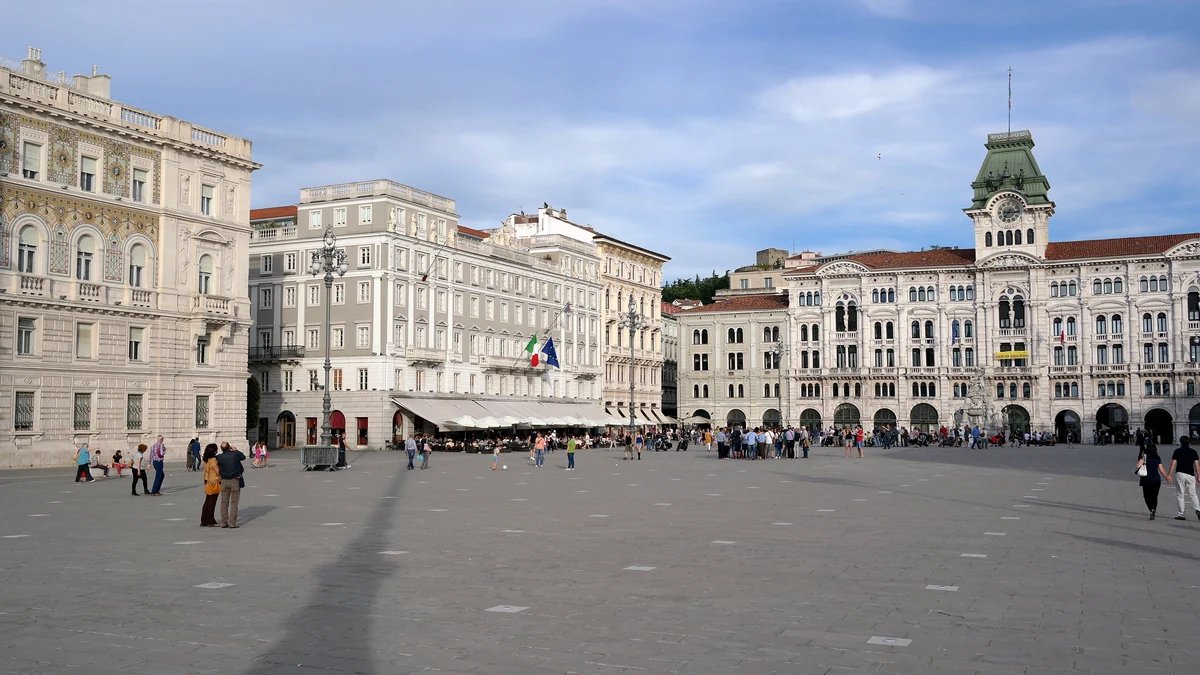
Trieste is one of the easier Mediterranean cruise ports to enjoy without a coach, because the ship is usually close to the city’s waterfront rather than hidden in a remote industrial zone. Piazza Unità d’Italia, the old cafés, the canal area and the main shopping streets sit within a practical walking day for many passengers.
The decision is whether to keep the day compact in Trieste or add Miramare Castle, San Giusto or a wider Friuli-Venezia Giulia excursion. CruisePing would treat Trieste as a strong DIY port first, with organised excursions reserved for passengers using the port as a turnaround base, a Venice alternative, or a route into the wider region.
Trieste Cruise Port at a Glance
| Port name | Trieste Cruise Port |
|---|---|
| Main cruise area | Trieste Maritime Station / waterfront berths |
| Cruise region | Mediterranean |
| Country / Territory | Italy |
| Currency | Euro (EUR) |
| Language | Italian |
| Disembarkation | Docked |
| Typical berth | Cruise berths close to central Trieste; check your cruise line’s terminal instructions |
| Walkability | High for the waterfront and central city |
| Shuttle required | No for most central sightseeing |
| Main transport options | Walking, taxi, local bus, train, organised excursion |
| Best DIY option | Piazza Unità d’Italia, Canal Grande, cafés and San Giusto, with Miramare added if timing works |
| Main caution | Miramare and hillier sights add transport or climbing time |
Weather & Best Times to Visit Trieste
January to March
Typical high: 8–13°C
Typical low: 3–7°C
Rain / note: Cool and sometimes windy; Bora conditions can make waterfront walking feel sharper than the thermometer suggests.
April to June
Typical high: 17–26°C
Typical low: 9–17°C
Rain / note: Good walking weather, though showers and wind can affect Miramare gardens and exposed waterfront time.
July to September
Typical high: 25–29°C
Typical low: 18–21°C
Rain / note: Warm to hot; plan San Giusto climbs and long walks earlier in the day.
October to December
Typical high: 9–20°C
Typical low: 4–13°C
Rain / note: Autumn can be good for culture and cafés, but wind and rain make flexible indoor options useful.
Weather guide: CruisePing summary based on NASA POWER climate data for the Trieste waterfront area. Check the latest forecast.
In Trieste, wind is the local weather detail to respect. A waterfront and Miramare day is excellent in clear conditions, but a strong Bora or wet forecast makes cafés, museums and the central grid more attractive than exposed gardens and hill viewpoints.
Where Cruise Ships Dock in Trieste
Trieste’s cruise advantage is location. The cruise terminal area sits beside the historic waterfront, close enough for many passengers to walk directly towards Piazza Unità d’Italia. The official Trieste Terminal Passeggeri cruise information describes cruise berths used for modern cruise vessels and home-port operations, so this is not only a day-call port but also an embarkation and disembarkation port for some itineraries.
For a day call, that location makes the first hour simple. You can leave the ship and start with the waterfront, cafés, the Canal Grande area or the old city without solving a major transfer. For a turnaround, the city is still useful because pre- or post-cruise sightseeing can be realistic once luggage is stored or hotel arrangements are sorted.
Getting Around Trieste Independently
The easy DIY version is a walking loop: waterfront, Piazza Unità d’Italia, Caffè degli Specchi or another historic café, Canal Grande, the Serbian Orthodox church area and a return through the central streets. This gives a strong sense of Trieste without turning the day into transport work.
Miramare Castle changes the plan. The official Miramare visitor information points passengers arriving by rail to Trieste Centrale and then local buses 6 or 36 towards Miramare-Grignano. From a cruise ship, many passengers will prefer a taxi for simplicity, especially if the call is short or mobility is limited. San Giusto also adds a climb unless you use a taxi uphill and walk down.
Best Cruise-Compatible Things to Do from Trieste Cruise Port
Piazza Unità d’Italia and the waterfront
Best for: First-time visitors who want the classic Trieste view immediately
Best way: Walk from the terminal area into the square and along the waterfront
Watch: The square is easy; extending the route into hillier old-city lanes adds more effort
Canal Grande and historic cafés
Best for: A relaxed DIY city day
Best way: Walk from the waterfront through the central streets
Watch: Do not spend the whole call in cafés if you also want Miramare or San Giusto
Miramare Castle and park
Best for: Sea-view architecture and gardens outside the centre
Best way: Taxi, local bus from the rail-station area, or organised excursion
Watch: Check opening arrangements and leave time for the return; the site is outside the walkable city core
San Giusto Castle and Cathedral
Best for: History, views and a stronger sense of the old city
Best way: Taxi uphill or walk if you are comfortable with gradients
Watch: The climb can be the main mobility issue on an otherwise easy port
Trieste Centrale and onward rail options
Best for: Passengers starting or ending a cruise
Best way: Taxi from terminal if carrying luggage; walk only with light bags
Watch: Do not assume turnaround day sightseeing is easy with bags in tow
Friuli or Slovenia excursions
Best for: Repeat visitors or passengers with a long call
Best way: Organised excursion or private guide
Watch: Border-crossing or rural touring is not a casual DIY add-on
How to Build a Trieste Walking Route
Trieste works best when the day is allowed to breathe. Start at Piazza Unità d’Italia because it gives instant orientation: the sea on one side, the grand civic buildings on the other, and cafés close enough for an early pause if the ship disembarkation has been slow. From there, a simple loop to the Canal Grande and central streets is enough for a satisfying first hour, especially if you are not trying to leave the city.
The next choice is height or coast. Height means San Giusto, with castle, cathedral and views. Coast means Miramare, with the castle, gardens and a more scenic setting beyond the city core. Trying to do both can work on a long call, but it changes the day from relaxed to managed. CruisePing would choose one. San Giusto suits passengers who like history and do not mind gradients. Miramare suits those who want a stronger visual excursion and are happy using transport.
Trieste’s cafés are not filler. They are part of the city’s identity and useful cruise pacing. A coffee stop around the central grid, followed by a short waterfront walk, can be a better use of time than adding a minor museum simply because it is there. The port’s strength is the balance between city and sea; do not let a checklist hide that.
Sample Day Plans from Trieste
Classic central Trieste
Best for: First-time visitors who want a low-friction DIY day
Typical timing: Walk from the terminal to Piazza Unità d’Italia, Canal Grande, cafés, waterfront and central streets.
CruisePing view: This is the best-value plan for most passengers and needs no excursion.
Trieste plus San Giusto
Best for: Passengers who want views and history close to the centre
Typical timing: Walk or taxi uphill to San Giusto, then descend through the old lanes towards the waterfront.
CruisePing view: Use a taxi uphill if gradients or heat will spoil the day.
Trieste plus Miramare
Best for: Passengers wanting the coast, gardens and a clear add-on beyond the city
Typical timing: Taxi, local bus from the station area or excursion to Miramare, then return for central Trieste.
CruisePing view: Plan the transport first; Miramare is easy only when the return is clear.
Regional excursion
Best for: Repeat visitors or passengers with a long call
Typical timing: Private guide or organised tour into the Karst, Slovenia or wine-country areas.
CruisePing view: Only worth it if it adds something you cannot get by walking from the ship.
Turnaround and Pre-Cruise Planning in Trieste
Trieste is increasingly useful as more than a day call. If you are starting or ending a cruise here, the central location is attractive but luggage changes everything. A passenger with only a small bag can walk more freely; a passenger with cases should solve storage, hotel drop-off, taxi routing or terminal timing before thinking about sightseeing.
For a pre-cruise night, staying central makes sense. You can enjoy the waterfront in the evening, reach the terminal without a complicated morning transfer, and still have time for a short city walk before boarding if your check-in window allows. For a post-cruise day, the same logic applies in reverse: do not drag luggage through San Giusto or Miramare unless storage is solved.
Airport and rail connections should be checked directly for the sailing date. Trieste Centrale is useful for rail passengers, while airport transfers vary by schedule and cruise-line arrangements. CruisePing would not base a same-day flight plan on a hoped-for quick disembarkation. Give yourself more margin than the map suggests.
What to Skip in Trieste
Skip the idea that you need to leave Trieste to have a worthwhile day. Many port guides oversell excursions because the city looks too easy. In reality, Trieste’s ease is its value. A relaxed waterfront and central-city plan can be stronger than a coach tour that spends half the day moving between stops.
Skip Miramare if the return is vague. The castle and park are worthwhile, but the transport has to be real, not assumed. If buses are crowded, taxis scarce or the ship call short, keep the day central or book a structured option.
Skip a full Venice day from Trieste unless it is specifically arranged and properly timed. Venice is possible from the wider region, but using Trieste cruise port as a casual launch pad for Venice can turn a good port into a long transport exercise. If Venice is the priority, it is better handled as a dedicated pre- or post-cruise stay.
CruisePing Recommended Port Day
For most first-time visitors, CruisePing would keep Trieste mostly DIY. Start with Piazza Unità d’Italia while energy is fresh, then choose between a central café-and-canal route or a taxi/bus trip to Miramare. Trying to force Miramare, San Giusto, museum time and a long lunch into the same short call weakens what is otherwise a very manageable port.
The best simple plan is waterfront, square, Canal Grande and café culture. The stronger active plan is waterfront first, taxi or bus to Miramare, then a return for one final central walk. San Giusto is worth adding if you want views and history, but use a taxi uphill if gradients will drain the day.
DIY or Organised Excursion?
Trieste is one of the clearer DIY wins in this batch of ports. The central city does not need a guide unless you particularly want literary, Habsburg or Jewish-history interpretation. Miramare is also manageable independently for many passengers, but the transport is the point to check before committing.
An organised excursion makes more sense for wider regional touring, a Slovenia add-on, wine-country visits, or passengers who want Miramare and other sites stitched together without dealing with buses or taxis. CruisePing would not book a standard city-panorama tour if your ship is docked centrally and you are comfortable walking. Spend that budget on a good lunch, a taxi to Miramare or a focused guide with a real theme.
Walkability and Mobility Notes
Trieste’s waterfront core is kind to cruise passengers compared with many Italian ports. The main central route is straightforward, with broad open spaces around Piazza Unità d’Italia and a compact grid nearby. Mobility becomes more complicated when the day moves uphill to San Giusto or outward to Miramare. That does not make the port difficult; it means the easy walking score applies to the central day, not to every possible excursion.
Passengers with limited mobility should consider taxis for Miramare or San Giusto and avoid assuming the old-city lanes will be as simple as the waterfront. In warm weather, build cafés and shade into the route rather than turning the day into a pavement march.
Five Decisions to Make Before Leaving the Ship
1. City-only or Miramare
Trieste city-only is calm, walkable and satisfying. Miramare adds a scenic destination and a sense of the coast, but also adds transport. Decide early because Miramare works best when it is placed in the middle of the day, not bolted on after cafés, shopping and a long wander.
2. San Giusto on foot or by taxi
San Giusto is close enough to look easy, but the hill is the detail that matters. Passengers who enjoy a climb can walk up and feel rewarded by the view. Passengers who dislike gradients should take a taxi uphill and walk down only if comfortable. This one small decision can change the whole energy of the day.
3. Coffee as a pause or a centrepiece
Trieste is a café city. A coffee stop can be a practical pause between the waterfront and the canal area, or it can become the point of the morning. There is no need to apologise for that. A slower café route may be more Trieste than a rushed attempt to add a second out-of-town sight.
4. Turnaround or day-call pacing
A day-call passenger can step into the city quickly. A turnaround passenger has luggage, check-in, hotel and transport considerations. The same port behaves differently depending on where it sits in your cruise. If Trieste is the start or end, protect the logistics first and use the central city as the bonus.
5. Regional ambition
Trieste can point towards Slovenia, the Karst, wine country and Venice, but that does not mean every cruise passenger should leave the city. A wider excursion needs to be clearly better than the local day. For most first-timers, central Trieste plus one add-on is enough.
When the Trieste Plan Starts to Slip
If the weather turns windy or wet, keep the day central. Piazza Unità d’Italia, cafés, churches, covered streets and museums cope better with poor conditions than Miramare gardens or exposed viewpoints. A windy waterfront can be atmospheric, but it can also shorten the patience of the whole group.
If bus or taxi arrangements to Miramare become uncertain, do not force it. Trieste has enough within walking distance to make a full port day. Use the time for San Giusto, the canal area, the waterfront and an unhurried meal. The strongest value of Trieste is that there is a good plan without transport.
If the ship is using Trieste as a turnaround port, delays at check-in or baggage collection should be allowed to change the sightseeing. That is not failure. A short walk to the square and a café is a sensible cruise-day result when travel logistics are already doing the heavy lifting.
Food, Shade and Pace in Trieste
Trieste is a port where a good lunch or café stop can improve the route rather than interrupt it. Around the central grid, cafés and restaurants are close enough to be useful for pacing, especially if the ship arrives in warm weather or if the group includes passengers who do not want continuous walking. This is different from a gateway port where a long lunch can threaten the return; in Trieste, food can be part of the best use of the day.
That said, do not let a slow central lunch swallow Miramare if Miramare is the main reason for leaving the city. Decide the order first. If Miramare is planned, go before lunch or immediately after an early central orientation, then return to Trieste for food and a final walk. If the city is the priority, lunch in the centre makes perfect sense and avoids the common mistake of treating Trieste as a waiting room for somewhere else.
Shade and seating matter in summer. Piazza Unità d’Italia is broad and impressive, but it is not a place to stand indefinitely in the heat. Canal-side streets, cafés and church interiors can be used to break the day into manageable pieces. In cooler or windy weather, the same logic works indoors: choose cafés, museums or churches that sit naturally on the route rather than criss-crossing the city for minor sights.
Passengers with limited mobility can still have a strong Trieste day by keeping the route waterfront-led and using taxis for hills. The port’s centrality means there is less shame in doing less. A waterfront square, one historic café, a short canal walk and a taxi-supported viewpoint can be a complete day, not a compromise.
Low-Risk Fallbacks if the Main Plan Fails
Trieste has one of the easiest fallback patterns because the central city is already close to the ship. If Miramare becomes awkward, stay central and deepen the route rather than forcing the transport. Add San Giusto by taxi, spend more time around the canal and cafés, or use the waterfront as the spine of the day. This is not a retreat; it is using the port’s main strength.
If weather turns poor, Trieste can still work with cafés, churches, museums and covered central streets. If heat builds, shorten the route and use shaded pauses. If a turnaround process takes longer than expected, a single walk to Piazza Unità d’Italia and a coffee is still a worthwhile way to touch the city before boarding or onward travel. Few ports give such an easy recovery option.
Trieste also suits passengers who want a gentler Mediterranean day between heavier ports. If your itinerary already includes Venice, Rome, Dubrovnik or Istanbul, Trieste can be the place to slow down without wasting the call. That is valuable. Cruise holidays often fail when every port is treated as the most important one. Trieste’s central berth allows a high-quality half-day feel even when you deliberately keep the schedule light. For many passengers, that relaxed confidence is the point of the port.
For passengers who like independent exploration but still want structure, Trieste is ideal for a timed self-guided loop. Set a return-to-ship time, choose either Miramare or San Giusto as the one extra element, and leave the final hour for the waterfront. That final hour is important because it prevents the day ending with a rushed taxi or a long walk back from the wrong side of town. Trieste is close enough to make the return feel easy, but good cruise planning still protects the last movement.
If you are sailing from Trieste after several intensive ports, it can also be the right place to preserve energy for the cruise rather than spending it all before lunch. The city allows passengers to step off, see something distinctive, eat well and return without a complicated transfer. That is a genuine port-day strength. Not every call needs a headline excursion to be successful.
The simplest rule is this: if Trieste is going well, do not keep adding distance. Let the port remain easy and use the spare time to enjoy the waterfront before returning to the ship.
That restraint is part of the port’s value, and it is worth keeping even when there is technically time to add more.
Port-Day Pitfalls and Value Hacks
- Do not book a generic city bus tour before checking how close your ship is to the centre.
- Use Miramare as a planned half-day element, not an afterthought at the end.
- For San Giusto, consider a taxi up and a gentle walk down if mobility allows.
- On turnaround days, solve luggage first before trying to sightsee.
- Keep time for Trieste itself; the city’s waterfront setting is the port’s main advantage.
Trieste Cruise Port Checklist
- Check your exact terminal and boarding instructions if Trieste is the start or end of your cruise.
- Decide before arrival whether Miramare is part of the day or whether you are staying central.
- Use local bus or taxi information for Miramare rather than relying on old forum advice.
- Wear comfortable shoes for San Giusto and the older lanes.
- Leave time for one unhurried café stop; Trieste is better when not rushed.
Useful Official Links for Trieste
These are the official or locally authoritative links worth checking before your port day.
- Trieste Terminal Passeggeri cruise terminal information
- Miramare Castle official visitor information
- Miramare Castle directions by bus and rail
- Trieste local bus operator information
- Italian Air Force weather forecast for Trieste
FAQ
Can you walk from Trieste cruise port into town?
Yes, for most central sights. Piazza Unità d’Italia and the waterfront are usually the natural first stop from the cruise area, though exact walking time depends on the berth and terminal arrangements.
Is Miramare Castle easy from Trieste cruise port?
It is realistic, but it is outside the central walking area. Use a taxi, a planned local-bus route or an excursion rather than treating it as a quick stroll from the ship.
Is Trieste a good DIY cruise port?
Yes. CruisePing would treat Trieste as a strong DIY port for the waterfront and central city, with organised excursions saved for wider regional touring.
Is Trieste suitable for passengers with limited mobility?
The waterfront is relatively manageable, but San Giusto, older lanes and Miramare logistics add difficulty. Taxis can make the day much easier.
CruisePing Port Verdict
Trieste Cruise Port is a strong independent port because the city starts close to the ship. The best day does not need to be complicated: waterfront, Piazza Unità d’Italia, cafés and one carefully chosen add-on are enough. CruisePing would go DIY for central Trieste, use a taxi or planned bus route for Miramare, and reserve organised excursions for passengers who want to leave the city behind.
Ready to browse our article library?
Looking beyond Trieste? Explore more ports in the Mediterranean region, or narrow it to Italy in particular. For cruise comparisons, planning shortcuts and value guides, head over to our main article archive.