
Varna cruise port is one of the Black Sea’s easier city calls. Ships use the passenger facilities at Varna East, close enough to the Roman Baths, pedestrian centre and Sea Garden for a useful day without a shuttle or a long transfer. Varna does not need to be treated as a beach excursion with a city attached; the compact historic core is the stronger first-time plan.
The city combines ancient Odessos, Bulgaria’s major archaeological collections and a long seafront park. That gives passengers a choice between an entirely walkable cultural route and a vehicle-based trip to Aladzha Monastery, Golden Sands or the Stone Forest. CruisePing would keep most first visits local. The value of Varna is how much fits into a calm walking day, not how far the coach can travel.
Varna Cruise Port at a Glance
| Port name | Varna Cruise Port |
|---|---|
| Main cruise area | Varna East passenger berth beside the historic centre |
| Cruise region | Mediterranean |
| Country / Territory | Bulgaria |
| Currency | Euro (EUR) |
| Language | Bulgarian, English |
| Port role | Day Call |
| Disembarkation | Docked |
| Walkability | High |
| Shuttle required | No |
| Main transport | Walking Route, Local Bus, Taxi, Organised Excursion |
| Best DIY option | Roman Baths, centre and Sea Garden on foot |
| Main caution | Summer heat and using too much of the day on a distant beach or monastery transfer |
Weather & Best Times to Visit Varna
January to March
Typical high: 6–12°C
Typical low: 0–5°C
Rain / conditions: Cool, often damp and occasionally windy beside the Black Sea.
April to June
Typical high: 16–27°C
Typical low: 8–18°C
Rain / conditions: Rapid warming; late spring is particularly good for city walking.
July to September
Typical high: 24–30°C
Typical low: 15–20°C
Rain / conditions: Hot, bright and beach-friendly, with exposed pavements in the middle of the day.
October to December
Typical high: 8–20°C
Typical low: 2–11°C
Rain / conditions: Autumn starts mild before becoming cooler and wetter towards winter.
Weather guide: CruisePing summary based on NASA POWER climate data for the Varna and central Black Sea coast. Check the latest forecast.
Varna is forgiving in most weather because its strongest sights are close together. In summer, reverse the obvious order: visit the Roman Baths or Archaeological Museum first, then use the shaded Sea Garden and waterfront later. In rain, the museum and cathedral make a coherent centre-focused day; Aladzha Monastery is less attractive when paths and rock-cut spaces are wet.
Where Cruise Ships Dock in Varna
The official Port of Varna describes Varna East as having a passenger berth used by cruise and passenger ships. The terminal lies at the edge of the central waterfront rather than in a remote container district. Berth assignments can still vary, so follow the ship’s instructions, but most passengers should expect the city rather than a mandatory industrial-port transfer.
Once outside the port area, the Roman Baths are among the closest major sights. The pedestrian centre, cathedral and Archaeological Museum sit farther inland, while the Sea Garden stretches along the coast. The geography suits a loop: archaeology first, central streets second, park and waterfront last.
Varna’s port is active and the shortest-looking route may not follow a public gate. Use the signed passenger exit and do not try to cut through working areas. Photograph the return point; the long waterfront can make one quay look much like another after several hours ashore.
A Walkable Varna Route
Begin with the Roman Thermae before the day becomes hot. Varna’s official tourism site describes the complex as the largest ancient building discovered in Bulgaria and places it within the historic centre near the port. The surviving scale is easier to appreciate when you walk around the remains rather than treating them as a quick photograph.
Continue through the central streets towards the Archaeological Museum. Its best-known collection includes the prehistoric gold from the Varna Necropolis, but the museum earns time because it explains the successive cultures behind the modern city. Check opening hours on the day of your call; a closed museum changes the ideal order.
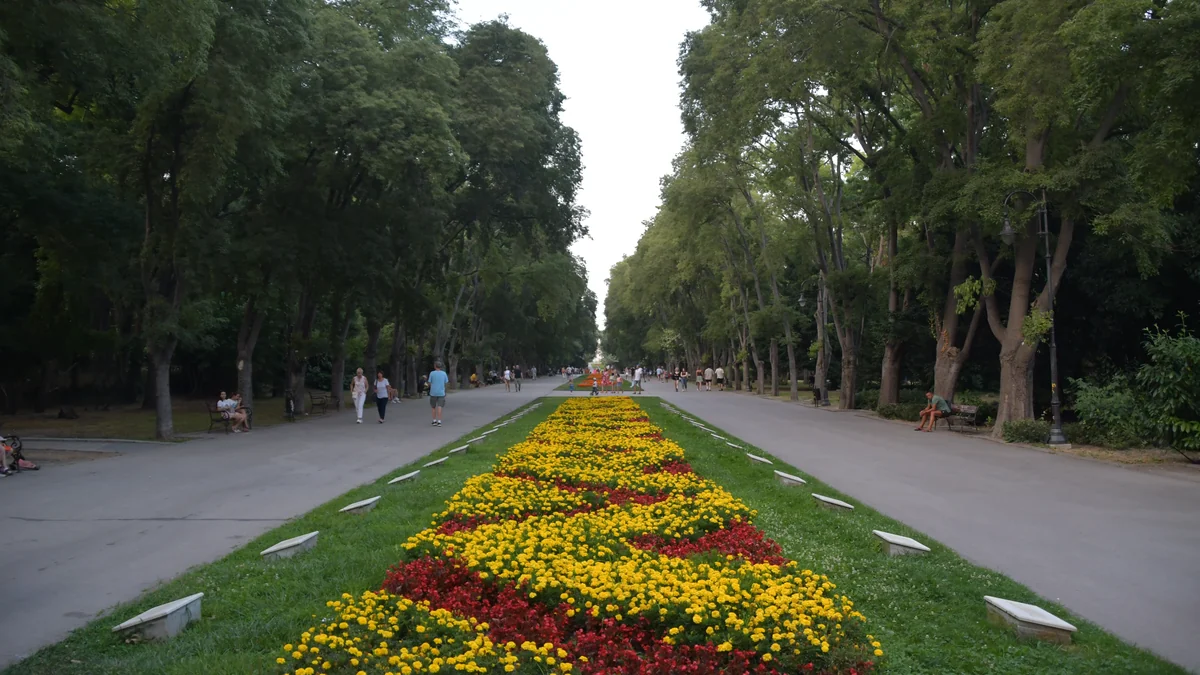
From the cathedral and pedestrian zone, head towards the Sea Garden. The park provides shade, viewpoints and an easy way to slow the pace before returning along the coast. A beach stop can be added, but it should remain optional rather than forcing the entire day around changing facilities and swimming conditions.
Getting Around Varna Independently
Walking is the default for the central sights. Taxis become useful for Aladzha Monastery, Golden Sands or the Stone Forest, where the real challenge is not distance alone but arranging a dependable return. Agree the destination and fare before leaving, and ask the driver whether waiting or a separate collection is intended.
Local buses serve the city and resorts, but route changes and the return pattern matter more than the outward trip. Use current municipal information rather than an old route number. A public-bus beach trip can work on a long call; it is a weaker choice when the schedule leaves little tolerance for traffic or missed connections.
An organised excursion is most defensible for a regional combination such as Aladzha Monastery and a coastal resort. It is unnecessary for the Roman Baths, museum, cathedral and Sea Garden. Paying to be driven between walkable central sights removes the main advantage of this port.
Best Cruise-Compatible Things to Do from Varna
Roman Thermae of Odessos
Best for: A close-to-port encounter with Varna’s Roman past.
Best way: Walk from the passenger berth and visit early in hot weather.
Watch: Open-air ruins offer limited shelter; check current access and opening days.
Varna Archaeological Museum
Best for: The city’s deepest historical context and the Varna Necropolis gold.
Best way: Walk inland from the port as part of a centre loop.
Watch: Allow real museum time; this is not a five-minute treasure-room stop.
Sea Garden and waterfront
Best for: Shade, sea views and an easy final part of the port day.
Best way: Walk through the pedestrian centre and return along the coast.
Watch: The park is extensive, so choose a turnaround point rather than wandering north without a plan.
Cathedral and pedestrian centre
Best for: Architecture, shops, cafés and the link between museum and seafront.
Best way: Explore on foot.
Watch: Religious services and events can limit access; dress respectfully.
Aladzha Monastery
Best for: A medieval rock-cut monastery in Golden Sands Nature Park.
Best way: Taxi, private driver or organised excursion.
Watch: It is outside central Varna and involves steps and uneven surfaces; winter opening is limited.
Stone Forest or Golden Sands
Best for: A choice between a geological outing and a resort/beach day.
Best way: Pre-arranged taxi or excursion.
Watch: Do not attempt both plus a full city programme on a normal call.
CruisePing Recommended Port Day
CruisePing would spend a first Varna call on foot: Roman Baths, Archaeological Museum, cathedral or central lunch, then the Sea Garden. The route uses the port’s excellent position and leaves enough flexibility to react to museum hours, heat or a delayed arrival.
Passengers who have already seen Varna should choose one regional alternative. Aladzha Monastery pairs naturally with a short coastal stop; the Stone Forest is a more specialist geological outing. A pure resort day is easy to understand, but it gives up a city that is unusually accessible from the ship.
Keep the last hour between the Sea Garden and the port. That is not just a safety buffer. It is one of the best parts of the visit, and it avoids finishing the day in traffic from Golden Sands.
DIY or Organised Excursion?
Varna is firmly a DIY city port. Its central route is legible, the main attractions are named and close, and a passenger can shorten the day without losing a prepaid excursion. CruisePing would not buy a city highlights coach unless mobility needs make the vehicle valuable.
Organisation becomes worthwhile beyond the city. Aladzha Monastery and the Stone Forest are separate directions, and public transport does not automatically create a cruise-compatible circuit. A private taxi can be good value for two or more people, provided the return is agreed.
Beach passengers should distinguish convenience from value. A resort transfer may be worthwhile for guaranteed transport and a fixed base, but the public beach and Sea Garden already allow a lighter coastal element without sacrificing the whole city.
Mobility and Summer Heat
The centre is relatively manageable, but old paving, kerbs and exposed archaeological ground can be tiring. The Sea Garden is pleasant yet large; passengers with limited stamina should choose one section instead of trying to cover its full length.
July and August reward an early start. Put the unshaded Roman ruins first, use the museum or cathedral around midday and save the park for later. Carry water, but do not assume every attraction accepts the same payment method at the gate.
Aladzha Monastery is the least suitable of the headline options for passengers who struggle with steps or uneven surfaces. A panoramic coastal drive, museum-focused city day or taxi between the cathedral and Sea Garden can produce a better experience with less physical strain.
How Call Length Changes the Choice
On a short call, keep the route between the Roman Baths, central streets and Sea Garden. The archaeological museum should be added only when its opening and your interests justify the time indoors.
On a long call, choose either Aladzha Monastery or the Stone Forest as the additional element. Returning to the city before the final ninety minutes is more useful than trying to add a resort stop simply because the coach is already outside town.
A Practical Varna City Route
From the passenger exit, begin with the Roman Baths while they are close and your energy is highest. The site is exposed and its uneven ground is more comfortable before midday heat. Continue through the central streets towards the cathedral or Archaeological Museum, choosing one substantial indoor visit rather than treating both as compulsory. This creates a route with a clear direction instead of repeated crossings between the waterfront and inland centre.
The Archaeological Museum deserves time from passengers interested in the region’s deeper history, but it changes the balance of the day. Once a museum visit is included, the cathedral and shopping streets should become shorter stops. Passengers who prefer architecture and atmosphere can skip the museum and spend longer between the baths, cathedral, pedestrian centre and Sea Garden. Varna is better when the route reflects an interest rather than trying to collect every named sight.
Finish through the southern or central part of the Sea Garden, not by walking its full length. The park extends far beyond what a cruise passenger needs, and continuing north can turn an easy return into an unnecessary taxi problem. Use the waterfront-facing paths, pause for a drink or beach view, then approach the port from the side already closest to the passenger gate. Photograph the gate on departure because the working harbour fencing can make the final approach less obvious than the city map suggests.
Aladzha Monastery, Stone Forest or the Coast
Aladzha Monastery is the most natural cultural excursion beyond Varna because it combines a distinctive site with the wooded coast north of the city. It works best as a half-day with direct transport and one additional coastal stop, not as part of an overfilled coach circuit. The rock-cut complex involves steps and uneven surfaces, so passengers should check how much of the visit is accessible before treating it as an easy alternative to city walking.
The Stone Forest is a different proposition: an exposed geological landscape inland from the city, with less shade and fewer facilities than a resort or museum. It appeals most to passengers who actively want unusual natural formations. A taxi or guided excursion is more robust than trying to improvise public transport, and the return should be agreed before leaving Varna. In very hot weather, the open terrain can be the hardest part of the day.
Golden Sands and other coastal resorts offer a straightforward beach day, but they should be chosen deliberately. Travelling north for a resort beach gives up the Roman and central-city advantages of the port. Passengers mainly seeking sea and sand may prefer a transfer with a guaranteed return, while those wanting only an hour by the water can use Varna’s own seafront and retain the city. The resort is not automatically the superior beach merely because it is better known.
Weather, Families and Low-Pressure Alternatives
Rain strengthens the case for the Archaeological Museum, cathedral and a shorter centre route. The Roman Baths remain interesting but become more awkward on wet stone, and a long Sea Garden walk loses much of its appeal in wind-driven rain. Keep one indoor anchor rather than waiting for the weather to improve at the port. Varna’s advantage is that the day can be shortened or redirected without a long transfer.
Families should be selective about museums and long archaeological explanations. The Sea Garden provides space, views and breaks, while the baths can be a concise visual stop. A family day might combine the Roman site, central lunch and park rather than a full museum plus monastery. Older children interested in archaeology may find the museum rewarding, but build in outdoor time before returning to the ship.
A low-pressure day can remain entirely between the port, central market streets and Sea Garden. This is not a diminished version of Varna: it uses the port’s strongest practical feature, its central position. Passengers with limited mobility can take a taxi to the cathedral or museum and work gently downhill towards the waterfront. CruisePing would rather see two areas properly than spend the call repeatedly boarding vehicles.
A Note on Time Ashore
Varna’s centre rewards an early return more than a last-minute extra stop. Use any unexpected spare time for the pedestrian streets or a final Sea Garden viewpoint, both of which can be abandoned quickly if the ship changes its boarding instructions. This flexible finish is more valuable than committing the final hour to a museum ticket, distant beach or taxi journey.
Port-Day Pitfalls and Value Choices
- Leaving the walkable historic centre immediately for a generic resort excursion.
- Trying to add both Aladzha Monastery and the Stone Forest to a full city route.
- Walking too far north through the Sea Garden without allowing for the return.
- Using an old bus timetable for a coastal trip.
- Visiting the exposed Roman Baths at the hottest point of the day.
Varna Port-Day Checklist
- Confirm the passenger gate and berth before walking out.
- Check Archaeological Museum and Roman Baths opening on the call date.
- Carry sun protection for the open ruins and waterfront.
- Pre-arrange any taxi that must collect you outside the city.
- Choose either a city day or one regional excursion, not both at full length.
- Return through the Sea Garden with enough time to enjoy the waterfront.
Useful Official Links
- Port of Varna – Varna East terminal
- Official Visit Varna guide
- Varna sights and walking ideas
- Aladzha Monastery information
Varna Cruise Port FAQs
Can you walk from Varna cruise port?
Usually, yes. Varna East’s passenger facilities are beside the central waterfront, and the Roman Baths, centre and Sea Garden can form a practical walking day. Always use the signed passenger gate.
Is Varna mainly a beach port?
No. Beaches and resorts are available, but Varna’s Roman remains, archaeological museum and central park make a strong cultural day without leaving the city.
Is Aladzha Monastery realistic on a cruise call?
Yes, with a taxi or organised excursion and a planned return. It is outside central Varna, so it should replace part of the city programme rather than become a casual add-on.
What is the best first stop?
In hot weather, the Roman Baths are the sensible first stop because they are close to the port and exposed. In cooler weather, use museum opening times to decide the order.
Do I need Bulgarian cash?
Bulgaria uses the euro from 2026, but small purchases and individual operators may still differ in card acceptance. Carry a modest backup rather than relying on one payment method.
Is Varna suitable for limited mobility?
A shortened centre route can work well, especially with a taxi between inland sights and the seafront. Old surfaces and the scale of the Sea Garden require selective planning.
CruisePing Port Verdict
Varna is a port where restraint improves the day. The city’s Roman, archaeological and seafront sights already make a complete route, and the ship arrives close enough for passengers to use that advantage.
CruisePing would do Varna independently and reserve an excursion only for a deliberate Aladzha Monastery or Stone Forest plan. The easy mistake is leaving a good city to spend too much of the call travelling to a place that could have been a secondary option.
Ready to browse our article library?
Continue through CruisePing’s Mediterranean cruise ports, browse ports in Bulgaria, or return to the main CruisePing article library for planning guides, comparisons and practical cruise advice.