
Venice cruise port planning is now less simple than the old image of a ship arriving beside the historic city. Large-ship operations commonly involve mainland or lagoon-edge arrangements such as Marghera, with passenger processing and transfers varying by cruise line, ship size and itinerary.
That does not make Venice a weak cruise destination. It makes it a port where the first hour matters. Once you are in the historic centre, the day becomes a pedestrian and water-transport puzzle: Rialto or St Mark’s, a vaporetto ride or a quiet sestiere, a one-day taste or a pre-cruise stay that gives Venice the time it deserves.
Venice Cruise Port at a Glance
| Port name | Venice Cruise Port |
|---|---|
| Main cruise area | Venice / Marghera / maritime terminal arrangements depending on ship and cruise line |
| Cruise region | Mediterranean |
| Country / Territory | Italy |
| Currency | Euro (EUR) |
| Language | Italian |
| Disembarkation | Docked |
| Typical berth | Varies; many large-ship operations use Marghera-linked procedures rather than sailing through central Venice |
| Walkability | Medium once in Venice; low from mainland berths |
| Shuttle required | Sometimes; follow cruise-line instructions |
| Main transport options | Cruise transfer, People Mover, train, vaporetto, water taxi, land taxi, organised excursion |
| Best DIY option | A controlled Venice walking route from Piazzale Roma, Santa Lucia, San Marco or the cruise-line drop-off point |
| Main caution | The transfer into Venice and the bridge-heavy city route can be harder than the sightseeing list suggests |
Weather & Best Times to Visit Venice
January to March
Typical high: 7–13°C
Typical low: 1–6°C
Rain / note: Cool and damp; acqua alta risk and slippery paving can affect bridge-heavy walking.
April to June
Typical high: 17–26°C
Typical low: 8–17°C
Rain / note: Good sightseeing weather, though crowds and showers can slow narrow routes.
July to September
Typical high: 25–29°C
Typical low: 18–21°C
Rain / note: Hot and crowded; shade, water and a shorter walking route matter more than adding one more sight.
October to December
Typical high: 8–20°C
Typical low: 3–13°C
Rain / note: Atmospheric but wetter; fog, rain and high water can change the practical route.
Weather guide: CruisePing summary based on NASA POWER climate data for the Venice lagoon area. Check the latest forecast.
In Venice, weather changes the route rather than just the mood. Rain, fog or high-water conditions make bridge-heavy walking and vaporetto queues harder, while summer heat argues for a shorter route with more water breaks and fewer timed interiors.
Where Cruise Ships Dock for Venice
Venice cruise operations require careful checking because the docking and passenger process can vary. Venezia Terminal Passeggeri manages maritime station services for the ports of Venice and Chioggia, while some cruise lines describe embarkation procedures where passengers complete formalities at the Venice Maritime Station and are then transferred to Marghera for boarding. Treat your cruise-line instructions as the controlling source for the exact berth, meeting point and transfer method.
The passenger result is straightforward: do not plan your Venice day from a generic “Venice cruise port” map pin. Start with your ship’s instructions. If you are beginning or ending a cruise, luggage and terminal transfer arrangements are more important than squeezing in one last sightseeing loop. If you are visiting as a day call, the best day starts once you know where the cruise line will place you in relation to Piazzale Roma, Santa Lucia, San Basilio, Tronchetto or a water-transfer point.
Getting into Venice: Transfer Reality Check
Cruise-line transfer or shuttle
Best for: Passengers whose ship uses Marghera or another controlled cruise arrangement
Typical timing: Follow the cruise line’s stated route between terminal formalities, berth and city drop-off. Timings vary by operator and ship procedure.
CruisePing view: This is the safest default because Venice cruise logistics are no longer uniform.
Piazzale Roma / Santa Lucia starting point
Best for: Independent passengers delivered near the road or rail edge of Venice
Typical timing: From this edge, Venice becomes a walking and vaporetto day. Rialto and St Mark’s are reachable, but bridges and crowds slow the route.
CruisePing view: Plan by neighbourhood, not just by distance on a map.
Private water taxi
Best for: Passengers with luggage, limited mobility or a larger budget
Typical timing: Can reduce walking and bridge carrying, but prices are high and pick-up points matter.
CruisePing view: Best as a targeted solution, not as an impulse purchase after a tiring transfer.
Venice Access Fee and Day-Visitor Checks
Venice’s access-fee rules are date- and category-sensitive. The official access-fee site sets application days and hours, and the Venezia Unica exemption information lists categories and areas where payment or exemption requirements may differ. Cruise passengers should check the official access-fee site for their exact date rather than relying on old summaries.
For planning, the practical point is simple: keep this separate from your cruise transfer. The access fee does not solve transport, and transport does not automatically answer access-fee rules. If your ship, hotel or excursion gives you instructions, follow those and check the official Venice access-fee pages before travel.
Getting Around Venice Independently
Once inside Venice, the city is walkable but not easy in the conventional sense. There are no ordinary road taxis in the historic centre, bridges interrupt routes, and the most direct-looking line may involve crowds, steps and narrow lanes. Vaporetti can save walking but require stop choice, ticketing and patience.
A good cruise-day route is compact. From Piazzale Roma or Santa Lucia, consider walking towards Rialto and then deciding whether St Mark’s is worth the crowd pressure. From a San Basilio or water-transfer point, Dorsoduro, Accademia and the Grand Canal may offer a calmer day than immediately pushing towards Piazza San Marco. If your cruise line drops you closer to San Marco, reverse the logic and use the early window before crowds deepen.
Best Cruise-Compatible Things to Do from Venice Cruise Port
St Mark’s Basilica and Piazza San Marco
Best for: First-time visitors who want the most recognisable Venice setting
Best way: Walk or vaporetto depending on drop-off point; use timed entry where practical
Watch: Crowds, security and access rules can eat into a short call
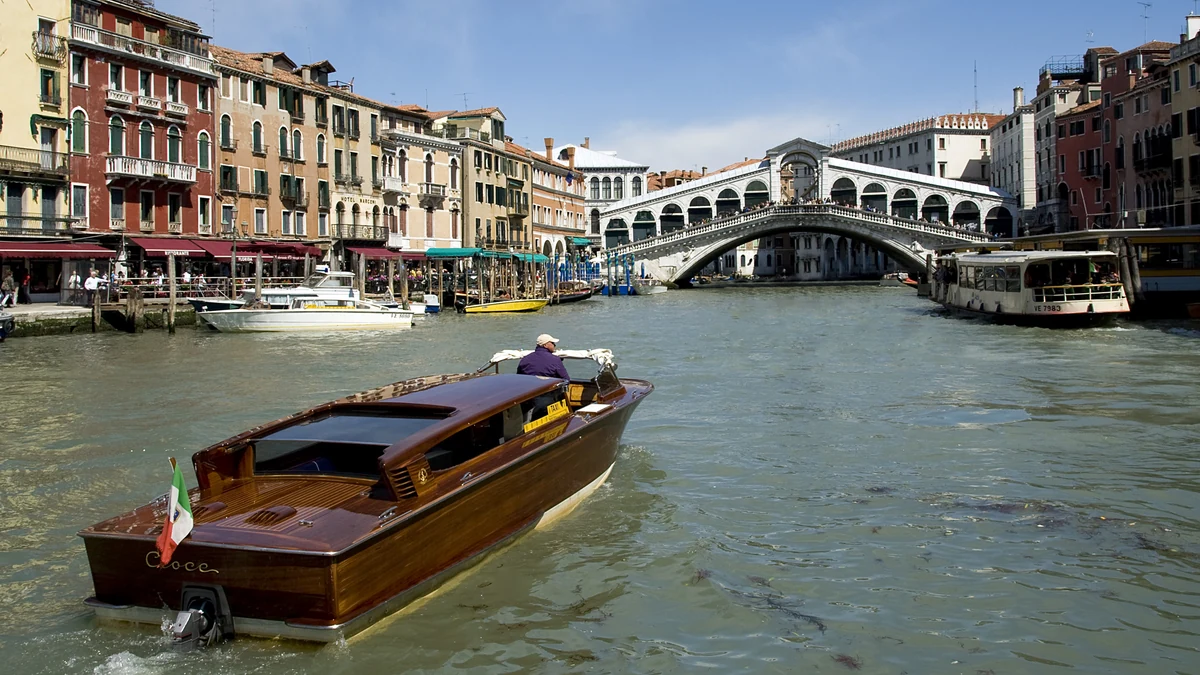
Rialto Bridge and Grand Canal
Best for: A classic Venice walk with strong visual payoff
Best way: Walk from Santa Lucia/Piazzale Roma or combine with vaporetto
Watch: The route can be slow because of crowd pinch-points
Dorsoduro and Accademia
Best for: Passengers who want Venice with less crowd pressure
Best way: Walk from San Basilio or cross from central routes when timing allows
Watch: Still bridge-heavy; do not treat it as a mobility-light option
Vaporetto along the Grand Canal
Best for: Seeing Venice from the water without a private taxi
Best way: Use official ACTV information and choose boarding points carefully
Watch: Crowding and queues can reduce the value on peak days
Doge’s Palace or major museums
Best for: A deeper culture day
Best way: Pre-book where useful and make the attraction the centrepiece
Watch: Do not add too many timed interiors in a short call
Murano or Burano
Best for: Repeat visitors with a longer call
Best way: Official boat route or organised excursion
Watch: Island trips can become fragile if the ship transfer is already complicated
How to Choose a Venice Route Once You Know the Transfer
Venice planning should begin with the point where the cruise system releases you into the city. Piazzale Roma, Santa Lucia, San Basilio, Tronchetto, a San Marco-area water point and a hotel transfer all create different days. A route that is elegant from Santa Lucia may be irritating from San Basilio, and a plan that works from a San Marco drop-off may be pointless if you start at Piazzale Roma.
From Santa Lucia or Piazzale Roma, the natural route follows the Grand Canal spine towards Rialto and then, if time and energy allow, towards St Mark’s. This is the classic first visit, but it is also the crowded route. From San Basilio, Dorsoduro and Accademia are often more logical. From a San Marco drop-off, it can be better to see St Mark’s early and then escape into quieter streets rather than pushing immediately back through the same crowd.
Do not underestimate bridge fatigue. Venice distances look small, yet repeated bridges, crowds and wrong turns create a different kind of effort. A passenger who can walk for hours on level ground may still find Venice tiring. CruisePing would rather see a passenger enjoy one sestier well than cross the city twice just to tick off names.
Sample Day Plans for Venice
Classic first Venice route
Best for: First-time visitors with enough transfer clarity
Typical timing: Starting point to Rialto, Grand Canal, St Mark’s area, then return by a different route or vaporetto if practical.
CruisePing view: Strong but busy; start early and drop extras if crowds are heavy.
Dorsoduro and Accademia route
Best for: Passengers wanting calmer streets and art/canal atmosphere
Typical timing: Use San Basilio, Piazzale Roma or Accademia access where practical, then build a compact walking loop.
CruisePing view: Often better for repeat visitors and passengers who dislike crowd funnels.
Grand Canal vaporetto plus short walk
Best for: Passengers with limited walking tolerance
Typical timing: Use official water transport from a convenient stop, then add a limited walk at Rialto, San Marco or Accademia.
CruisePing view: Check boarding queues; the vaporetto is not useful if you spend the best hour waiting.
One major interior
Best for: Passengers who want depth rather than a postcard dash
Typical timing: Choose Doge’s Palace, Basilica, a museum or church route and make it the day’s anchor.
CruisePing view: Timed entries help only if the cruise transfer supports the arrival window.
Embarkation and Disembarkation Days in Venice
A day call and a turnaround day are different problems. On a day call, your time is bounded by all-aboard and the cruise-line transfer. On an embarkation day, the pressure is luggage, check-in window and reaching the right terminal process. On a disembarkation day, the pressure is airport or rail timing. Venice is unforgiving when bags and bridges collide.
For embarkation, CruisePing would keep sightseeing modest unless you arrive the previous day. A morning walk near your hotel, a vaporetto ride or one booked interior can work, but trying to see St Mark’s, Rialto and the islands before check-in is a poor trade. For disembarkation, solve luggage storage or direct airport transfer before committing to anything beyond a simple walk or meal.
Pre- and post-cruise nights change everything. Venice is a far better experience when you can see it early or late, outside the tightest cruise-day crowd windows. If Venice is a bucket-list destination, CruisePing would strongly consider adding a night rather than expecting a terminal day to carry the whole experience.
What to Skip in Venice
Skip Murano and Burano on a standard short call unless your transfer and boat plan are exceptionally clear. The islands are worthwhile, but they add another layer of water transport and return risk. They are much better as a second-day or long-call choice.
Skip gondola rides if they force you to sacrifice the route you actually wanted. A gondola can be memorable, but queues, price and route choice matter. It should be a conscious treat, not a compulsory Venice badge.
Skip any plan that ends far from your return point. Venice punishes late cross-city corrections. If the ship transfer leaves from a defined place, finish within easy reach of that place and treat the final half-hour as protected return time, not spare sightseeing.
CruisePing Recommended Port Day
For a first Venice cruise call, CruisePing would choose one controlled route: transfer into Venice, walk or ride towards Rialto and the Grand Canal, then decide whether St Mark’s is worth the crowd and time cost. That gives the classic Venice experience without pretending the city is a simple checklist.
If you have been before, skip the busiest spine and build the day around Dorsoduro, Cannaregio, a Grand Canal vaporetto section or one museum. For embarkation or disembarkation, CruisePing would keep sightseeing modest unless luggage and transfers are completely sorted. Venice is at its best when you are not dragging cases over bridges or watching the clock from the wrong side of the lagoon.
DIY or Organised Excursion?
Venice can be excellent DIY once you are in the historic centre, but the port access arrangement determines how easy that DIY day feels. If your cruise line provides a clear transfer to a known drop-off point, independent walking and vaporetto planning can work well. If the ship uses a more complex mainland process, a cruise-line transfer or organised excursion may be worth paying for simply to remove uncertainty from the first and last movements.
A guided walking tour adds value if it keeps the route compact and interprets Venice rather than merely dragging passengers through crowds. CruisePing would avoid tours that promise too many places in too little time. The city’s bridges, water transport and crowd flows mean a shorter, cleaner route often beats a more ambitious itinerary.
Walkability and Mobility Notes
Venice is pedestrian, but that does not make it easy. Bridges, steps, narrow lanes, boat boarding, uneven paving and crowds create real mobility difficulty. The historic centre is often hardest for passengers who can walk but struggle with repeated steps or standing in queues.
Passengers with limited mobility should check cruise-line transfer details, consider water taxis where budget allows, and avoid routes that require repeated bridge crossings. A vaporetto can help, but boarding points and crowding still matter. Venice rewards realistic route design more than heroic walking.
Five Decisions to Make Before Entering Venice
1. Starting point
The first useful Venice question is where your transfer places you. Piazzale Roma, Santa Lucia, San Basilio, Tronchetto and San Marco-area water points all create different routes. Do not choose timed tickets or restaurants until you know the starting point. Venice punishes plans built from the wrong edge of the city.
2. Rialto or St Mark’s first
Rialto is often the more natural first target from the road and rail edge. St Mark’s is the emotional centre for many first-timers. Doing both can be realistic, but the order matters. CruisePing would normally visit the highest-priority area first, then treat the second as optional if crowds and timing allow.
3. Walking or vaporetto
Walking gives texture; the vaporetto gives water perspective and saves some steps. Neither is automatically faster. Boarding queues and crowded boats can make a vaporetto slower than a careful walk. Use it for a specific reason, such as a Grand Canal view or reducing repeated bridge crossings.
4. Interior sight or city atmosphere
A major interior such as Doge’s Palace or the Basilica can anchor the day, but it narrows the rest of the route. Venice atmosphere is often outdoors: lanes, bridges, canals, squares and changing light. Decide whether you want depth in one attraction or a broader city taste.
5. Return route
The return route in Venice is not an afterthought. It should be known before the final hour begins. If your transfer leaves from Piazzale Roma, do not finish deep in Castello. If your meeting point is near San Basilio, do not leave yourself to cross from the Rialto crowd at the last moment.
When the Venice Plan Starts to Slip
If the transfer into Venice takes longer than expected, drop the farthest element. Do not cut the return buffer to preserve the full list. A short, relaxed Rialto and Grand Canal route is better than a frantic attempt to reach St Mark’s and back with no slack.
If rain or high-water warnings affect the day, choose sturdier routes with fewer bridge crossings and more indoor pauses. Venice in poor weather can still be beautiful, but it needs slower movement. The worst response is adding extra distance because outdoor views are weaker.
If crowds are heavy around St Mark’s or Rialto, move sideways rather than pushing harder. Dorsoduro, Cannaregio edges, quieter churches and smaller squares can provide a better Venice experience than remaining trapped in the busiest flows.
Tickets, Access Rules and Water Transport Choices
Venice now asks passengers to separate several kinds of ticket or permission. A cruise transfer or shuttle gets you from the ship arrangements to a usable city point. The access-fee system may apply depending on date, time and category. ACTV tickets or passes cover public water and land transport. Timed attraction tickets cover specific interiors. These are separate layers. Buying one does not solve the others.
This matters because over-ticketing can make a Venice day brittle. If you book a timed Basilica entry, a Doge’s Palace entry, a vaporetto pass and a restaurant across town, the route becomes a chain of obligations. CruisePing would book only what materially improves the day. A timed interior makes sense when it is the anchor. A vaporetto pass makes sense when you will actually use boats more than once. Otherwise, keep the day more flexible.
Water taxis are expensive, but they can be good value for a specific problem: luggage, limited mobility, a hotel deep in the city, or a group splitting the cost. They are poor value when bought impulsively because the walking route was not planned. Public vaporetti are more affordable but can be crowded and slow. The right choice depends on the starting point and the return point, not on Venice in general.
Access-fee rules should be checked near travel because the system is experimental and date based. For cruise passengers, the practical instruction is simple: do not let an access-fee question remain unresolved until the morning of arrival. It is one more avoidable friction point in a port that already has enough moving parts.
Low-Risk Fallbacks if the Main Plan Fails
Venice fallbacks should move closer to the return point. If the transfer into the city is delayed, shorten the route around the point where you arrive. From Piazzale Roma or Santa Lucia, keep to the Grand Canal and Rialto side. From San Basilio, use Dorsoduro. From a San Marco drop-off, enjoy St Mark’s and nearby lanes before moving only as far as the return allows.
If weather or crowds weaken the main plan, do not chase distant alternatives. Venice always has another church, square, canal edge or café nearby. A smaller route can feel more Venetian than a long, stressed march. The smartest fallback is often a vaporetto view, a short walk and an early return to the meeting point, especially where the ship transfer is fixed.
Venice is also one of the strongest arguments for arriving a day early or staying after the cruise. A single port call can give a taste, but it rarely gives the city its best hours. Early morning, evening and overnight wandering change Venice completely. If the cruise begins or ends here, CruisePing would seriously consider a hotel night before or after sailing, especially for passengers who dislike rushing or who want the city to feel less crowded and less transactional.
For passengers who have already seen St Mark’s and Rialto, Venice becomes easier because there is less pressure to join the busiest flows. Cannaregio, Dorsoduro, smaller churches, local squares and a single vaporetto section can make a better repeat-visitor day than returning to the same crowded landmarks. The transfer still matters, but once inside the city, repeat visitors can use Venice’s neighbourhoods to reduce crowd stress and create a more personal route.
Families and mixed-mobility groups should build Venice around meeting points, toilets, shade and pauses, not only around famous names. A short Grand Canal vaporetto ride, one square, one bridge and one gelato stop can be a better shared memory than a forced march to every landmark. Venice is memorable at small scale; the city does not need to be exhausted to be appreciated.
The simplest rule is to finish close to the return point. Venice is much easier to love when the last hour is not spent fighting bridges, crowds and uncertainty.
For most passengers, a calm Venice day is a better result than a theoretically complete one. The city leaves a stronger impression when there is time to look up, stop on a bridge and return without panic.
Leave wanting more; that is usually the right Venice ending. Do not rush the final bridge, and keep the last movement calm.
Port-Day Pitfalls and Value Hacks
- Do not rely on a generic Venice port map; check your ship’s actual berth and transfer instructions.
- Check the official access-fee site for your exact date and category.
- Choose either St Mark’s or a quieter district if time is tight; do not force both plus islands.
- Treat vaporetti as useful transport, not instant sightseeing rides.
- Avoid luggage-heavy sightseeing unless you have storage or direct transfer arrangements.
Venice Cruise Port Checklist
- Read your cruise line’s Venice terminal and transfer instructions before planning the day.
- Check whether the Venice access fee applies to your visit date and circumstances.
- Decide your starting point in Venice before choosing attractions.
- Use timed entries sparingly and only where the transfer timing supports them.
- Plan a return route before you leave the port or city drop-off area.
Useful Official Links for Venice
These are the official or locally authoritative links worth checking before your port day.
- Venezia Terminal Passeggeri cruise information
- Official Venice Access Fee information
- Venezia Unica access-fee exemptions
- ACTV Venice public transport information
- Italian Air Force weather forecast for Venice
FAQ
Where do cruise ships dock in Venice now?
Venice cruise arrangements vary by ship and cruise line, with many large-ship operations using Marghera-linked or other controlled procedures rather than the old central sail-in model. Always follow your cruise line’s exact terminal instructions.
Is Venice walkable from the cruise port?
Once you are in the historic centre, Venice is a walking city. From mainland or controlled cruise berths, you normally need a transfer first.
Do cruise passengers need to pay the Venice access fee?
It depends on the date, time, route and exemption category. Check the official Venice access-fee website for your exact visit rather than relying on a general rule.
Is Venice better DIY or with an excursion?
DIY is strong if your transfer into the city is clear and you keep the route compact. Use an excursion or cruise-line transfer if the port logistics are uncertain or mobility is limited.
CruisePing Port Verdict
Venice Cruise Port is brilliant but no longer simple. The city day can still be one of the great cruise experiences, provided passengers separate two questions: how the ship gets them into position, and what they can sensibly do once there. CruisePing would keep Venice plans compact, check official access and terminal rules, and resist any itinerary that turns the city into a race over bridges.
Ready to browse our article library?
Looking beyond Venice? Explore more ports in the Mediterranean region, or narrow it to Italy in particular. For cruise comparisons, planning shortcuts and value guides, head over to our main article archive.