
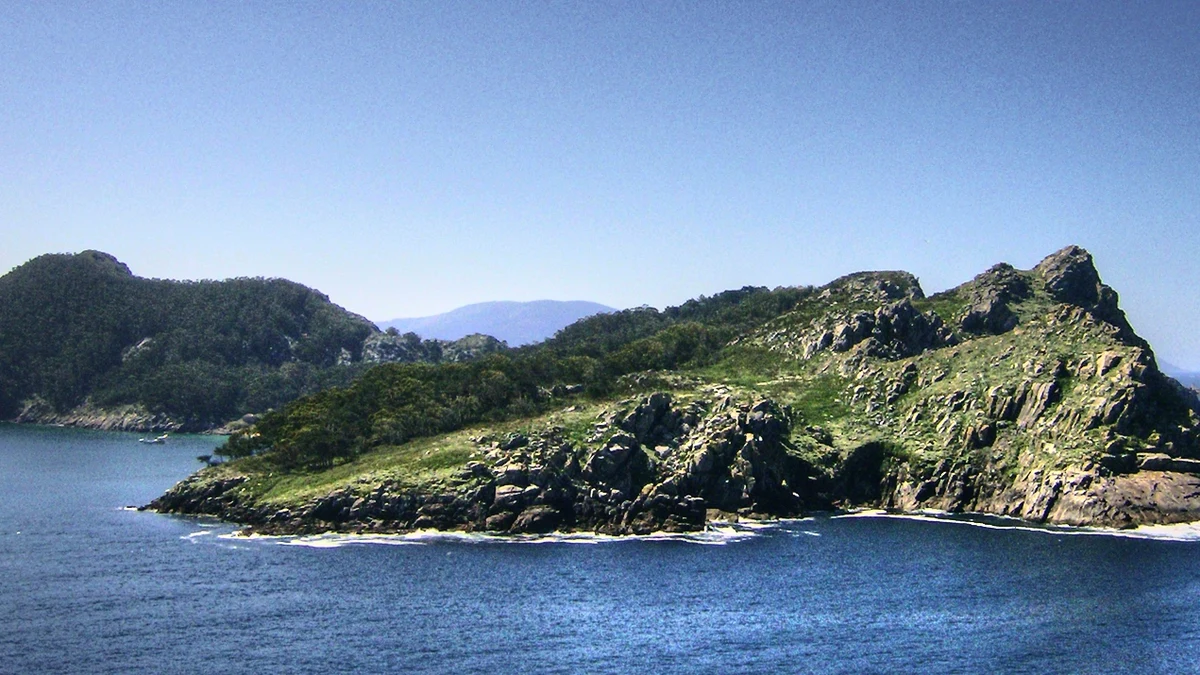
Vigo Cruise Port is one of the easier Atlantic Coast ports to start independently because the cruise pier sits close to central Vigo. The old town, waterfront and food streets are right there, so a useful day does not require a coach, shuttle or complicated station transfer. The decision is whether to stay with that reliable city plan or chase the Cíes Islands. The islands are the standout scenic option, but they are ferry-and-permit territory, not a casual “we might go later” idea. Vigo works best when you decide early whether this is a city day or an island day.
Vigo Cruise Port at a Glance
| Port name | Vigo Cruise Port |
|---|---|
| Main cruise area | Muelle de Transatlánticos, beside central Vigo waterfront |
| Cruise region | Western Europe & Atlantic Coast |
| Country / Territory | Spain |
| Currency | Euro (EUR) |
| Language | Galician, Spanish |
| Disembarkation | Docked |
| Typical berth | Usually docked at or near the central cruise pier |
| Walkability | High |
| Shuttle required | No |
| Main transport options | Walking Route, Ferry, Taxi, Organised Excursion |
| Best DIY option | Old town, oyster streets, waterfront and Castro viewpoint for passengers comfortable with slopes |
| Main caution | Cíes Islands are the star scenic excursion but need ferry timing, visitor authorisation and weather cooperation |
Weather & Best Times to Visit Vigo
January to March
Typical high: 13–17°C
Typical low: 7–10°C
Rain / note: Cool and often wetter; good for city walking if dressed for Atlantic showers.
April to June
Typical high: 17–24°C
Typical low: 10–15°C
Rain / note: A good period for the city, Castro viewpoint and Cíes plans when ferry timings operate.
July to September
Typical high: 23–27°C
Typical low: 15–18°C
Rain / note: Warmest and most attractive for Cíes, but ferries, permits and demand need early planning.
October to December
Typical high: 14–21°C
Typical low: 8–14°C
Rain / note: Changeable Atlantic weather; city plans are more robust than island-ferry plans late in the year.
Weather guide: CruisePing summary based on NASA POWER climate data for the Vigo harbour and city area. Check the latest forecast.
Vigo’s Atlantic weather matters most for Cíes and viewpoint plans. A shower does not ruin an old-town walk, but wind, sea state or poor visibility can make an island ferry less attractive. Keep a city route ready even if Cíes was your first idea.
Where Cruise Ships Dock in Vigo
Turismo de Vigo’s route for cruise passengers starts at the Muelle de Transatlánticos, the cruise ship pier, and leads towards the heart of Vigo. That is the key advantage of this port. You can step into the city without first solving a long transfer.
The central location does not mean every route is flat. Vigo rises away from the waterfront, and the Castro viewpoint involves a climb. For many passengers, the best DIY day is a waterfront and old-town route with selective uphill walking rather than trying to cover every viewpoint on foot.
Getting Around Vigo Independently
Walking is the main transport mode for a city day. From the pier, the old town, oyster streets and waterfront are close enough to make a flexible route. Taxis become useful for Castro Fortress, Baiona, airport transfers or passengers who want to reduce slopes.
Ferries are the other major choice. Vigo has ferry links across the ria and seasonal/excursion-style boat routes to the Cíes Islands. For cruise passengers, the Cíes decision needs advance checks: authorisation, ferry operator, sailing times, return margin and weather.
Best Cruise-Compatible Things to Do from Vigo Cruise Port
Vigo old town and waterfront
Best for: The easiest first-time DIY plan from the cruise pier.
Best way: Walk directly from Muelle de Transatlánticos into the centre and old town.
Watch: Some streets climb; choose route order carefully if mobility is limited.
Oyster street and Casco Vello
Best for: Food, lanes and a compact taste of Vigo close to the ship.
Best way: Walk from the pier.
Watch: It is best as part of a wider city route, not the whole day unless you want a relaxed food-focused stop.
Castro Fortress viewpoint
Best for: City and estuary views for passengers happy with a climb or taxi.
Best way: Walk uphill if fit, or use a taxi for a gentler version.
Watch: The gradient is the main issue; do not underestimate it on wet or warm days.
Cíes Islands
Best for: The most memorable scenic option from Vigo when ferry and permit conditions line up.
Best way: Book authorised ferry travel in advance and check weather/sea conditions.
Watch: Ferry schedules, visitor permits and weather make this unsuitable for improvisation.
Cangas by ferry
Best for: A lower-key ferry option across the ria.
Best way: Use the regular ferry if schedules fit the call.
Watch: Still protect the return; a ferry plan is only as good as the last comfortable sailing back.
Baiona or Rías Baixas excursion
Best for: Coastal scenery and regional touring beyond Vigo.
Best way: Private tour or organised excursion.
Watch: Good for repeat visitors, but less efficient than central Vigo for a first call.
CruisePing Recommended Port Day
For most first-time visitors, Vigo’s best day is a relaxed city route: old town, waterfront, food streets and Castro viewpoint if the climb or taxi option suits you. It is low-risk, distinctive enough and well matched to the central cruise pier.
Cíes Islands can be the better day for scenery-focused passengers, but only when ferries, visitor authorisation and weather all line up. CruisePing would not attempt Cíes as a spontaneous late decision from the gangway. Book it properly or enjoy Vigo itself.
City Route or Cíes Islands?
The city route is robust. It gives you Vigo’s waterfront, Casco Vello, seafood streets and hills without depending on a boat. It is also easier for a shorter call or a day with uncertain weather. Add Castro for views if you are comfortable with the climb or take a taxi up and walk down.
Cíes is more memorable in good conditions, but it is fragile. The islands require sea access, visitor controls and ferry timing. If your ship has a long call in a suitable season and you have booked correctly, it can be the highlight. If not, forcing it can turn a good port into a nervous timetable exercise.
Vigo’s city plan is stronger than many passengers expect because it starts so close to the ship. You can walk from the pier into the waterfront and old-town area without spending the first hour on transport. That makes it a good port for passengers who like independent exploration but do not want a complicated local network.
The main physical issue is gradient. Vigo rises from the harbour, and the Castro viewpoint is not the same as a flat waterfront stroll. If you want the view but not the climb, use a taxi for one direction. If the weather is wet, shorten the hillside part and keep the route closer to the lower streets, food stops and waterfront.
The Cíes Islands are the reason some passengers should ignore the city route and plan ahead. They are not just a beach near the pier. They require boat access, visitor authorisation and sailing times that fit the ship. In the right season and weather, that structure is worth it. On a marginal day, the same structure can feel like a burden.
A good Cíes plan starts before the cruise, not at the tourist office after breakfast. Check authorisation, ferry operator, outward sailing, return sailing, weather and how much time remains on the island after boarding and disembarking. If any of those elements is weak, switch to Vigo without feeling that the day has failed.
Cangas is a softer ferry option than Cíes because it is closer and more urban, but it still depends on return timings. Baiona and wider Rías Baixas touring are better handled as private or organised excursions, particularly if wine country, coast and viewpoints are involved.
The best first-time Vigo day is deliberately modest: waterfront, Casco Vello, oyster street, a climb or taxi to Castro if conditions suit, and time left to enjoy the harbour before boarding. It uses the port’s central location rather than fighting it. The best repeat-visitor day is either Cíes in good conditions or a controlled regional excursion.
Vigo is also a good port for passengers who do not want to decide everything in advance. A city route can be shaped after arrival because the pier is central and the main streets are close. That flexibility disappears if you choose Cíes, which is why the island decision should be made before the cruise day rather than after seeing the weather from the balcony.
The old town and waterfront are enough for a gentle call, but the city becomes more distinctive if you add one viewpoint or food-focused stop. Castro gives the view; the oyster street area gives the local flavour; the waterfront gives the easy return. Linking those three creates a rounded day without depending on any transport beyond your feet and perhaps one taxi.
Cíes is best for passengers who value natural scenery more than urban wandering and who are comfortable with fixed ferry times. The island is not a shopping-and-café fallback. It is a protected scenic day that needs the right paperwork, weather and sailing pattern. If the return ferry leaves little room before all-aboard, do not force it.
For wet weather, Vigo city is the sensible backup. Atlantic showers can be worked around with shorter walks, cafés, shops and lower-level streets. A wet island ferry, by contrast, can turn the day into a lot of effort for limited reward. The ability to switch plans is one of Vigo’s strengths, provided you have not locked yourself into a fragile excursion without checking conditions.
Passengers looking beyond Vigo should consider Baiona or Rías Baixas tours only when the route is properly organised. The region is attractive, but the cruise pier’s central position makes the city the natural first choice. Use the wider region for repeat visits or for a tour that offers something clearly different from Vigo itself.
Vigo’s food culture is part of the port-day value. The oyster street and central eating areas are not just filler between “proper” sights; they are one of the reasons a city day works. A passenger who wants a lower-pressure call can build the day around a walk, a viewpoint if manageable, and a proper seafood or tapas pause before returning to the pier.
For passengers with limited mobility, Vigo is mixed rather than simply easy. The pier is central, which is excellent, but the city climbs quickly. Keep to the lower old-town and waterfront areas if gradients are a concern, or use a taxi for Castro. Do not judge the whole port by the first flat few minutes beside the harbour.
Cíes should also be judged against the ship’s actual call time. A ferry crossing may sound short, but the full sequence includes walking to the boat, boarding, sailing, disembarking, island time, return sailing and the walk back to the ship. If the middle of that sequence leaves too little time on the island, stay in Vigo and save Cíes for a land stay or a better-timed call.
For a long summer call with the correct authorisation and a comfortable ferry return, Cíes can be superb. For a grey, windy or short call, central Vigo is not a consolation prize. It is the smarter use of the port’s location.
Vigo is particularly good for passengers who like to keep the final hour relaxed. Because the pier is central, you can return to the waterfront, have a last drink or short walk, and still stay close to the ship. That makes the city plan feel calm in a way that many ferry or coach-based ports do not.
If your ship is one of several in port, start Cíes or ferry logistics even earlier. Central Vigo can absorb crowds, but boat departures and visitor limits are less flexible. A city plan gives you room to adapt; an island plan relies on the details being right.
A useful Vigo habit is to look back at the ship when you first leave the pier and note the return route. The city is close, but old-town lanes and uphill viewpoints can make orientation feel less obvious later. Knowing how to get back to the waterfront keeps the day relaxed.
That central-pier advantage is Vigo’s strongest cruise-day asset.
Vigo gives you choice without forcing distance, which is why it suits independent passengers so well.
That flexibility is valuable.
That keeps Vigo easy.
DIY or Organised Excursion?
Vigo city is very good DIY. You do not need an excursion to see the old town, waterfront or central food streets. A guided walk can add context, but the main value of Vigo is that you can start exploring quickly from the pier.
Organised excursions or pre-booked ferry arrangements are more useful for Cíes, Baiona and wider Rías Baixas touring. The value is the handling of permits, boats, road time and return planning. If your focus is the islands, structure is worth paying for; if your focus is Vigo, stay independent.
Vigo Port-Day Pitfalls and Value Tips
- Do not assume Cíes Islands are available without authorisation and ferry planning.
- Keep an Atlantic-weather fallback in Vigo if an island plan weakens.
- Use a taxi for Castro if gradients are a concern.
- Check ferry return times before crossing to Cangas or heading to Cíes.
- Do not underrate the city route simply because it is close to the ship.
Vigo Cruise Port Checklist
- Decide before arrival whether this is a Vigo city day or Cíes Islands day.
- For Cíes, check authorisation, ferry operator, sailing times and weather.
- Use the official cruise-passenger route from the Muelle de Transatlánticos as your walking base.
- Plan hills carefully if adding Castro Fortress.
- Keep the final hour close to the waterfront and pier.
- Carry a light waterproof layer outside the driest summer period.
Useful Official Links for Vigo
Vigo is easy to start on foot, but island plans need official ferry, authorisation and weather checks before you leave the ship.
- Turismo de Vigo route for cruise passengers
- Port of Vigo official information
- Turismo de Vigo Cíes Islands access information
- Turismo de Vigo Cíes visitor recommendations
- Mar de Ons ferry schedules and prices
- Mar de Ons Vigo to Cíes ferry information
FAQ
Where do cruise ships dock in Vigo?
Cruise ships usually dock at or near the Muelle de Transatlánticos, close to central Vigo and the waterfront. That makes the city one of the easier DIY starts in Spain.
Can you walk from Vigo cruise port?
Yes. The old town and waterfront are walkable from the cruise pier, though Vigo has hills if you continue up towards Castro Fortress or higher viewpoints.
Can you visit the Cíes Islands from Vigo cruise port?
Sometimes, but only with the right ferry timings, visitor authorisation and weather. It is a planned island excursion, not a casual add-on after a city walk.
Is Vigo a good DIY cruise port?
Yes. Vigo’s central cruise pier makes the old town, waterfront and food streets easy to do independently. Excursions are more useful for Cíes, Baiona or wider Rías Baixas routes.
CruisePing Port Verdict
Vigo is a strong DIY port with one tempting complication. The city itself is close, walkable and rewarding enough for a relaxed Atlantic Coast call. The Cíes Islands are the scenic prize, but they need ferry, permit and weather discipline. First-time visitors should be happy with Vigo; scenery-focused passengers should plan Cíes properly and keep a city fallback ready.
Ready to browse our article library?
Looking beyond Vigo? Explore more ports in the Western Europe & Atlantic Coast region, or narrow it to Spain in particular. For cruise comparisons, planning shortcuts and value guides, head over to our main article archive.