
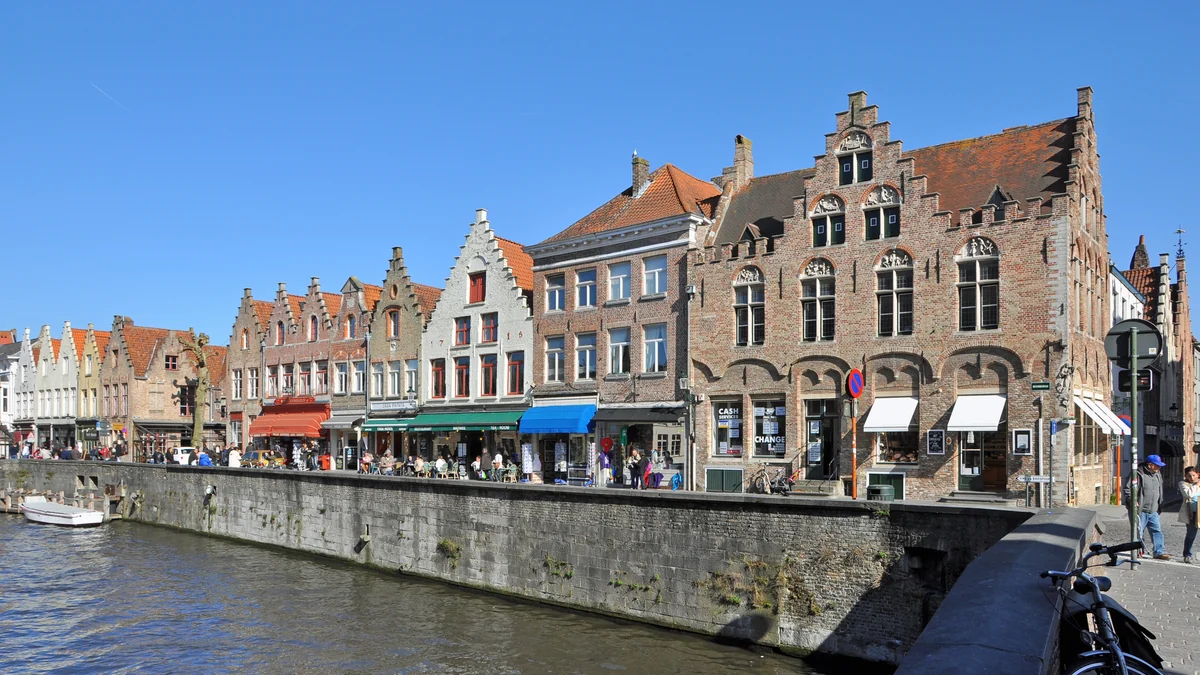
Bruges cruise port is the name many passengers search for, but the ship docks at Zeebrugge on the North Sea coast. That gateway relationship is the whole story: Zeebrugge provides the berth, while Bruges provides the canals, stepped gables and reason most cruise passengers want to leave the port area.
Once you reach Bruges, the old centre is compact enough for a satisfying cruise call. The quality of the day usually depends less on what to do in Bruges and more on the transfer choice from Zeebrugge, because saving a little money is not much use if the return journey becomes the stressful part of the day.
Bruges Cruise Port (Zeebrugge) at a Glance
| Port name | Bruges Cruise Port (Zeebrugge) |
|---|---|
| Main cruise area | Zeebrugge |
| Cruise region | Western Europe & Atlantic Coast |
| Country / Territory | Belgium |
| Currency | Euro (EUR) |
| Language | Dutch |
| Disembarkation | Docked |
| Walkability | Low |
| Shuttle required | Yes |
| Main transport options | Cruise Shuttle, Local Bus, Tram / Light Rail, Train, Taxi, Organised Excursion |
| Best DIY option | Bruges canals, historic squares and a workable independent transfer |
| Main caution | The Bruges transfer is the day’s main planning issue; protect the return before adding extra sights. |
Weather & Best Times to Visit Bruges and Zeebrugge
January to March
Typical high: 7–11°C
Typical low: 2–5°C
Rain / note: Cool, windy and changeable; Bruges still works, but wet cobbles and wind are practical factors.
April to June
Typical high: 12–20°C
Typical low: 5–12°C
Rain / note: Improving weather for Bruges, though showers and coastal wind remain realistic.
July to September
Typical high: 19–22°C
Typical low: 13–15°C
Rain / note: Mild to warm, popular and more comfortable for walking the old city.
October to December
Typical high: 8–15°C
Typical low: 3–10°C
Rain / note: Atmospheric but cooler and wetter; build in shelter and flexible timing.
Weather guide: CruisePing summary based on NASA POWER climate information for Zeebrugge / Bruges coast. Latest local forecast: latest forecast.
CruisePing weather note: For Zeebrugge, the weather choice is really Bruges walking comfort. Rain and wind do not spoil the city, but they make cobbled lanes, canal queues and open squares less relaxed; in poor weather, CruisePing would still choose Bruges, but with a direct transfer and a café/museum fallback rather than a complicated DIY chain.
Where Cruise Ships Dock in Zeebrugge
Cruise calls here start with the berth, but the berth is only the starting point. Check the ship’s daily programme for the exact pier, meeting point, shuttle rule and all-aboard time before leaving. Then make the day revolve around Bruges canals, historic squares and a workable independent transfer rather than around a theoretical shortest route.
Zeebrugge’s berth is inside a working port, so the first practical question is not sightseeing but how you leave the port area. Confirm the shuttle or transfer meeting point before committing to the train route.
Getting from Zeebrugge to Bruges Independently
For Zeebrugge, DIY means understanding the chain: port shuttle or taxi to the transport point, train or tram if needed, then Bruges on foot. The cheapest route is not automatically the best if the connections are awkward.
For Bruges, choose the return transfer before you leave Zeebrugge; the outward journey is the easy half.
CruisePing’s view is simple: choose the train route for value and independence only if the timings are clean in both directions. If the call is short, the weather is poor or Bruges is your main reason for booking the itinerary, pay for the simpler transfer and spend the saved mental energy in the city.
A direct cruise transfer is often the least stressful choice on shorter calls because it removes the port-exit and connection anxiety. Public transport can still work well, but the practical journey is closer to a managed half-day transfer than a simple hop into town; a local port guide places the ferry-terminal-to-Bruges journey at about 60 minutes when using public transport connections.
Zeebrugge looks close to Bruges on a map, but cruise passengers should think in door-to-door time. The journey can involve the working-port shuttle or a taxi to the transfer point, then either a direct cruise/coach transfer or a public-transport chain via Blankenberge, followed by walking time once you reach Bruges.
Transfer Time Reality Check: Zeebrugge to Bruges
Best Things to Do from Bruges Cruise Port
For most passengers, the point of Zeebrugge is Bruges. The best cruise-day options are therefore about getting to Bruges cleanly, using the old centre well, and not letting a multi-leg return spoil the day.
Bruges historic centre
Best for: First-time visitors who want canals, streets, squares and the classic Bruges day.
Best way to do it: Shuttle/train combination, taxi or cruise transfer
Cruise-day caution: The transfer is the day’s weak link; know the return before you relax in Bruges.
Rozenhoedkaai and canals
Best for: A high-impact wander with the most recognisable canal views.
Best way to do it: DIY once in Bruges
Cruise-day caution: Bruges is compact, but crowds build around the most photographed corners.
Markt and Belfry area
Best for: Cafés, architecture and a central orientation point.
Best way to do it: DIY once in Bruges
Cruise-day caution: Climbing or timed visits can eat into a short call; prioritise if it matters.
Canal boat trip
Best for: Passengers who want a seated overview and easy atmosphere.
Best way to do it: DIY once in Bruges
Cruise-day caution: Queues vary by season and weather; do not make it the last activity before your return.
Blankenberge or Zeebrugge coast
Best for: A fallback if Bruges transfer plans look poor or time ashore is short.
Best way to do it: Taxi, tram or local transport
Cruise-day caution: Less memorable than Bruges for most visitors, but safer when the clock is tight.
How to Choose Your Zeebrugge Port Day
Zeebrugge is a working North Sea port that happens to give cruise passengers access to one of Europe’s most attractive small cities. The port itself is not the reason most people are here. Bruges is.
That makes the first decision very clear: if this is your first call at Zeebrugge and you have enough time, CruisePing would prioritise Bruges over the coast. The canals, Markt, Belfry area, Rozenhoedkaai, chocolate shops and compact medieval centre are what make the port memorable.
The second decision is how much independence you want. DIY can be good value if the shuttle-to-station and train timings line up cleanly, but the route has more moving parts than a simple city-centre port. A direct cruise transfer or organised coach is often worth paying for on shorter calls because it removes the least enjoyable part of the day.
Blankenberge, the beach and the Belgian coast are useful alternatives, not failures. They work well for repeat visitors, poor weather, limited mobility, or calls where the schedule makes Bruges feel too compressed. They are not, however, the best use of a first Zeebrugge call for most passengers.
The important thing is to avoid making the day about transport. Bruges needs unhurried walking time. If the transfer plan leaves you with only a rushed loop around the Markt and canals, CruisePing would rather pay for the cleaner transfer or choose a coastal day honestly.
CruisePing Recommended Port Day
For a first visit, CruisePing would prioritise Bruges historic centre and keep the day simple once there: Markt, Rozenhoedkaai, canal streets, cafés and maybe a boat trip if queues are kind. Bruges itself is the reward; you do not need to over-engineer the itinerary.
If your cruise line offers a sensibly priced direct transfer, it may be the best-value option even if the public route is cheaper. The independent route via shuttle, tram/train or local links can work for confident travellers, but Zeebrugge is not the place to save a few pounds if it creates a fragile return.
Only stay around Zeebrugge or Blankenberge if time is short, weather is poor, or you actively want a coastal fallback. For most visitors, skipping Bruges would miss the strongest reason for the call.
Can You Walk from Zeebrugge Cruise Port?
You should not plan to walk from Zeebrugge cruise port to Bruges. The ship docks in a working port area on the coast, and the value of the day depends on getting the transfer right, not on trying to turn the port itself into a walking destination.
Once in Bruges, the city centre is very walkable, though cobbles and crowds can slow the day. CruisePing would spend energy in Bruges, not on awkward port access. Use the ship shuttle, a cruise transfer, taxi or the shuttle/train chain to get into position, then enjoy Bruges on foot.
Short Call or Long Call: How to Scale Zeebrugge
On a short Zeebrugge call, the transfer method matters more than the sightseeing list. If Bruges would leave too little time on the ground, CruisePing would either pay for the most direct transfer available or choose Blankenberge and the coast without regret.
On a medium call, Bruges is the clear choice. Keep the day focused on the historic centre: Rozenhoedkaai, Markt, the canals, quiet lanes, cafés and perhaps one museum or church. Do not waste the best hours by chasing outlying stops.
On a long call, Bruges can breathe. A canal boat, Belfry area, chocolate stop, lunch and a slower walk are realistic. Even then, CruisePing would not add Ghent unless transport is exceptionally well planned.
Repeat visitors can consider Ghent, the coast, a food-focused Bruges day, or simply a slower version of the city. Zeebrugge is not short of options, but the port works best when the transfer plan is settled before the day begins.
DIY or Organised Excursion?
Bruges from Zeebrugge can be a good DIY day, but it is not the same as stepping off the ship into a city. DIY usually means a shuttle, possible local transfer, train or tram/bus step, and then the return sequence in reverse. Confident independent travellers may like that because the savings can be worthwhile.
For many passengers, though, a direct transfer is the better CruisePing recommendation. Bruges is the prize, and every awkward transport minute comes out of time in the city. On shorter calls, paying for a simple coach transfer can be better value than proving you can do it independently.
An organised walking tour in Bruges is optional, not essential. The city centre is compact and easy to enjoy independently once you arrive. The transport into Bruges is the part where organisation may add most value.
CruisePing would DIY this port only if the call is long, the shuttle/train timings are clear, and you are comfortable with public transport. Otherwise, use a direct transfer and spend your attention on Bruges, not on Zeebrugge logistics.
Bruges Port-Day Pitfalls and Value Hacks
The biggest Zeebrugge pitfall is underestimating the transfer. Bruges looks close enough on a map to feel simple, but the working port, shuttle arrangements and public transport links can absorb time quickly.
The best value hack is to compare the real cost of DIY against the time saved by a direct transfer. If several people are travelling together, or if the call is short, the cheapest route may not be the best value.
In Bruges, do not spend the whole visit in the busiest square. The city rewards slower walking away from the Markt as much as it rewards the famous views. CruisePing would use the first hour for the obvious highlights, then drift into quieter lanes before returning.
Keep the return plan conservative. Missing a train, shuttle or coach link here is more stressful than being ten minutes early back in Zeebrugge.
What CruisePing Would Skip in Zeebrugge
CruisePing would skip any plan that tries to make Bruges, Ghent and the Belgian coast feel like one normal port day. The transfer from Zeebrugge already uses time, and Bruges deserves more than a rushed postcard stop.
We would also skip the cheapest DIY route if it leaves you with too many separate links and too little margin. Saving money is useful, but not if the day becomes more about stations, shuttles and clock-watching than Bruges.
Once in Bruges, do not over-plan the attractions. The city works best when you allow time to wander between canals, squares, lanes and cafés rather than treating it as a list of interiors to complete.
Bruges Cruise Port (Zeebrugge) Checklist
- Confirm how your ship moves passengers from the berth to the port exit or transfer point.
- Choose between a direct Bruges transfer and the shuttle/train chain before leaving the ship.
- Work out the return journey to Zeebrugge before planning canal boats, cafés or museum time.
- Allow for cobbles, queues and wet weather in Bruges rather than trying to cover every lane.
- Use Blankenberge or the coast only when time, weather or mobility make Bruges feel too tight.
Useful Official Links for Zeebrugge
- Port of Antwerp-Bruges cruise information
- De Lijn coast tram and local bus information
- Belgian Train official timetable to Bruges
- Visit Bruges official visitor guide
- Royal Meteorological Institute Bruges forecast
Bruges Cruise Port (Zeebrugge) FAQs
Is Bruges close to Zeebrugge Cruise Port?
Bruges is close enough to be the main cruise excursion, but not close enough to treat as a simple walk-off port. You need a transfer plan from Zeebrugge.
Is it better to take a cruise transfer or train to Bruges?
The train route can be good value if timings are clear and you are confident independently. On shorter calls, CruisePing often favours a direct transfer because Bruges time matters more than saving every pound or euro.
Is Blankenberge a good alternative to Bruges?
Yes, especially for repeat visitors, poor weather, limited mobility or short calls. For a first visit, though, Bruges is usually the stronger choice.
Can you see Bruges properly in one cruise day?
You can see the core historic centre, canals, Markt area and a few quieter lanes in one day. Do not try to combine Bruges with too many other towns unless the call is very long.
Best CruisePing Fit for Zeebrugge
Zeebrugge fits northern European itineraries as a gateway call rather than a port-town call. The ship docks on the coast, but the reason most passengers remember the day is Bruges: canals, medieval streets, chocolate shops, stepped gables and compact historic atmosphere.
CruisePing would treat this as a Bruges day unless there is a clear reason not to. Short call, poor mobility, bad weather or repeat visits can justify the coast, but for a first visit the planning question is how to reach Bruges cleanly, not whether Bruges deserves the time.
That also affects how early you should leave the ship. Bruges is at its best before the busiest middle of the day, so an early, direct movement from Zeebrugge often gives better value than a cheaper route that costs you the quietest hour in the city.
If you are travelling with slower walkers, this matters even more. Bruges rewards pauses, photos and short rests; a transfer plan that arrives late can turn a beautiful city into a hurried loop.
For passengers who have already visited Bruges, the recommendation can change. A coastal lunch, Blankenberge, Ghent by organised transfer, or a slower canal-and-café Bruges day may be better than repeating the same first-time circuit.
CruisePing Port Verdict
Bruges Cruise Port (Zeebrugge) is worth the effort because Bruges is genuinely the draw. CruisePing’s preferred first-visit plan is Bruges itself, not a scattered Belgian coast day.
DIY is fine for confident travellers with verified transport timings. Everyone else should seriously consider the simplest direct transfer, because the transfer is the weak link and Bruges is the part worth protecting.
Ready to browse our article library?
Looking beyond Zeebrugge? Explore more ports in the Western Europe & Atlantic Coast region, or narrow it to Belgium in particular. For cruise comparisons, planning shortcuts and value guides, head over to our main article archive.