
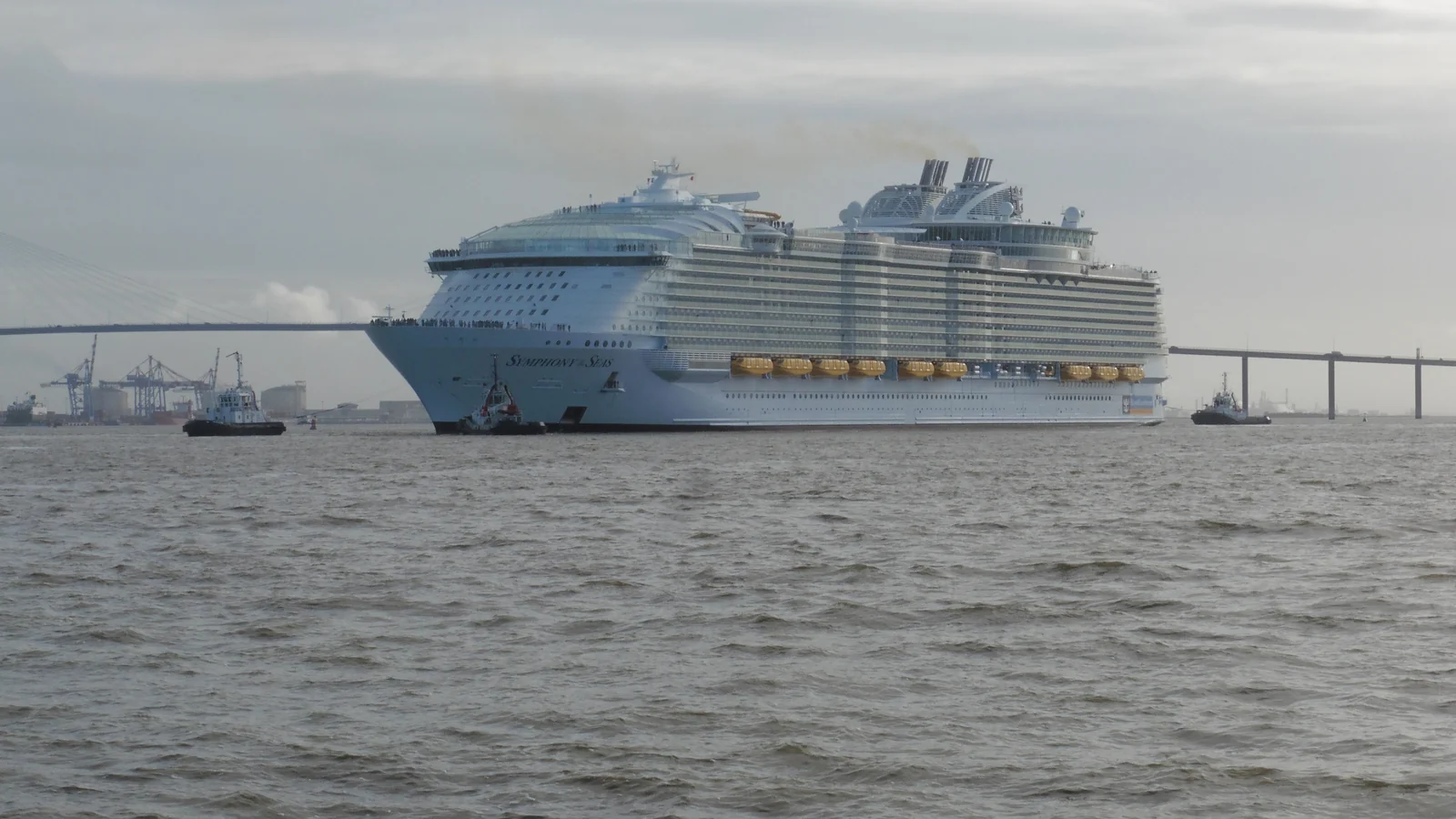
Symphony of the Seas is the Oasis Class ship most likely to be underestimated. It is not the original bargain, the newly amplified headline or the newest vessel. Its appeal is a mature, later-generation design that already contains a broad dining, entertainment and family offer without needing a dramatic refit story.
Playmakers on the Boardwalk, laser tag, Ultimate Abyss, twin FlowRiders, major AquaTheater and ice productions, Hooked Seafood and the Ultimate Family Suite give Symphony a complete seven-night resort identity. It feels more resolved than the oldest sisters and less dependent on a premium enclave than Wonder.
For many families, this is the safest all-round Oasis Class choice when itinerary and fare are sensible. It suits a full week better than a compressed short cruise, and it rewards passengers who choose their cabin and reservations carefully rather than pursuing every feature.
CruisePing verdict
The best all-round pre-Wonder Oasis Class design for many families, with a newer cabin base, strong entertainment and fewer reasons to pay a large novelty premium.
Symphony of the Seas Cruise Ship at a Glance
| Cruise line | Royal Caribbean |
|---|---|
| Ship class | Oasis Class |
| Entered service | 2018 |
| Latest major upgrade | No class-changing amplification announced; maintained through regular refits |
| Gross tonnage | 228,081 GT |
| Length | 1,188 ft / 362 m |
| Guest capacity | about 5,518 guests at double occupancy |
| Crew | about 2,200 |
| Staterooms / cabins | about 2,760 staterooms |
| Passenger decks | 16 passenger decks / 18 total decks |
| Neighbourhoods | Seven |
| Balcony choices | Ocean-view balconies plus Central Park and Boardwalk-facing balcony categories; privacy and noise vary by location |
| Included dining | Main Dining Room, Windjammer, Park Cafe, Cafe Promenade, Sorrento’s, Boardwalk Dog House, Solarium Bistro and selected casual options |
| Alternative / speciality dining | Hooked Seafood, Chops Grille, 150 Central Park, Jamie’s Italian, Izumi, Wonderland, Playmakers and other priced venues |
| Pools and water attractions | Multiple pools and whirlpools, Perfect Storm waterslides, Splashaway Bay, twin FlowRiders and the Ultimate Abyss |
| Library | Limited book and reading provision, not a traditional cruise-ship library |
| Children and teenagers | Adventure Ocean, teen areas, carousel, zip line, ice rink, climbing walls, sports court, laser tag and family-focused accommodation |
| UK departures | Primarily fly-cruise Caribbean and other seasonal programmes; no regular Southampton departure programme |
Best suited to
Families, mixed-age groups and couples who want the established Oasis formula, Playmakers, laser tag and an Ultimate Family Suite without needing Wonder’s suite neighbourhood.
Think carefully if
Travellers seeking the newest pool deck, the most exclusive suite enclave or a quiet ship where spontaneous dining and entertainment are easy at peak times.
Why Symphony is the balanced choice
Symphony entered service in 2018, after Royal Caribbean had already learned from Oasis, Allure and Harmony. The layout keeps the recognisable neighbourhood formula while refining the venue mix and family offer. It does not need a recent amplification to explain why it works, which reduces the risk of passengers buying a refurbishment label rather than a coherent ship.
Its middle position is useful. Oasis and Allure can be cheaper, Harmony may have newer 2026 venues, and Wonder adds the suite neighbourhood. Symphony remains the ship to choose when none of those specific differences matters enough to outweigh a good seven-night itinerary and a well-priced cabin.
A full-week rhythm rather than a weekend sprint
Symphony needs time. A sea day can be divided between the pool deck, an activity, Central Park and an evening show without feeling wasted. On a three-night cruise, the same feature list would force difficult choices. This is why Utopia serves a different market even though both are enormous Oasis Class ships.
The best itinerary includes at least two periods when the ship itself can be the destination. A port-heavy week requires restraint. Do not schedule a late AquaTheater performance after the hardest excursion or buy a dining package that depends on every evening remaining free.
Neighbourhoods and the practical walking map
Central Park is the adult-leaning centre for restaurants and evening atmosphere. Boardwalk contains Playmakers, family movement and the AquaTheater. Royal Promenade is the busiest internal street, while the pool and sports decks pull passengers upwards. Learning these districts on the first afternoon is more useful than memorising deck numbers.
Cabin geography shapes effort. Forward reduces the journey to the theatre and Solarium, aft helps with Boardwalk, and midship provides the least punishing compromise. Passengers with arthritis or reduced stamina should avoid booking consecutive activities at opposite ends and should allow for lift queues after shows.
Cabins and the three balcony decisions
Symphony has about 2,760 staterooms. The important balcony choice is not simply balcony versus no balcony. Ocean-facing rooms give privacy and horizon; Central Park creates a calmer internal garden view; Boardwalk offers entertainment and occasional wake or AquaTheater sightlines. Internal balconies can be warm, noisy and overlooked, so they should be chosen deliberately rather than as a cheap substitute for the sea.
Families should test the price of two connecting rooms against family suites. Two bathrooms can matter more than a slide or elaborate themed bedroom. Inside cabins are defensible when passengers expect to use the ship as their shared living space. Suite value depends on both accommodation and benefits, not on the novelty of the room alone.
Dining: Symphony’s strongest practical mix
Included food spans Main Dining Room, Windjammer, Park Cafe, Cafe Promenade, Sorrento’s, Boardwalk Dog House, Solarium Bistro and selected casual outlets. That is enough for a varied week. Use Park Cafe or another smaller venue for breakfast, and avoid allowing Windjammer convenience to turn every meal into the same crowded experience.
Hooked Seafood, Chops Grille, 150 Central Park, Jamie’s Italian, Izumi, Wonderland and Playmakers create a broad paid programme. Hooked and Wonderland offer the clearest contrast with included dining. A package suits passengers who genuinely want several venues; one carefully selected meal suits those who value flexibility and predictable spending.
Water attractions and the use of sea days
The upper decks combine pools, whirlpools, Perfect Storm slides, Splashaway Bay, twin FlowRiders and Ultimate Abyss. The number of attractions does not create unlimited capacity. Use high-priority slides or surf sessions early, check height rules and move to another neighbourhood when the pool deck reaches its busiest point.
Cool or windy weather pushes more passengers towards the Solarium and indoor programme. This makes itinerary and season relevant. A Caribbean sailing and a cooler repositioning voyage can feel like different ships because the outdoor capacity is used differently.
AquaTheater, ice and evening choice
Symphony’s entertainment is one of its strongest arguments. AquaTheater spectacle, ice productions, main-theatre shows, comedy, live music and laser tag support different ages and moods. Reserve the shows that define the booking, but do not assume every evening must contain two scheduled events.
Playmakers gives Boardwalk a useful sports and casual-food base, while Central Park supports a slower adult evening. Noise-sensitive passengers should inspect cabins around the theatre, Boardwalk, pool and late-night venues. A Boardwalk balcony can feel like a private viewing point or an unwanted extension of the entertainment, depending on the passenger.
Families and adults without children
Adventure Ocean, teen areas, carousel, zip line, ice rink, climbing walls, sports court and laser tag make Symphony effective for multi-generational groups. The ship works best when family members separate and reconvene, rather than spend the day negotiating a single timetable. Set a meeting place and spending rules for teenagers.
Adults can enjoy Central Park dining, Solarium time, spa, live music and later drinks, especially outside school holidays. This remains a family mega-ship, not a quiet premium vessel. The limited book provision is not a traditional library, so passengers who want reading rooms and lectures should look elsewhere.
Accessibility, cabins and fatigue
Royal Caribbean can provide accessible rooms and assistance, but passengers need exact answers about the chosen cabin. Confirm doorway width, bathroom arrangement, bed transfer, equipment storage and charging. Theatre, pool, gangway and tender access can vary and should be checked for the specific sailing.
Fatigue management is as important as formal accessibility. A central room, a planned rest period and fewer cross-ship journeys can transform the week. Scooter users should allow extra time around lift peaks rather than relying on the shortest theoretical route shown in the app.
UK travel, inclusions and total value
Symphony generally requires a fly-cruise for UK passengers and does not have a regular Southampton programme. Flights, hotel, transfers and luggage can outweigh a small cruise-fare saving. Arrive at least one night before embarkation and compare the total with a no-fly alternative.
The fare includes the cabin, many restaurants, most entertainment, pools, hot tubs and most headline attractions. Gratuities, drinks, Wi-Fi, speciality dining, excursions, spa, arcade, casino and photographs are extra. Symphony is best value when passengers use the included breadth and select paid additions rather than buying bundles automatically.
The advantage of a stable, known product
Symphony’s lack of a headline 2026 transformation can be an advantage. Deck plans, cabin reports and crowd patterns are better established than on a newly altered ship. Passengers can research a room with more confidence and are less exposed to early operational changes in new venues.
Stability does not mean stagnation. Maintenance, entertainment casts and restaurant operations still change. It means the fundamental layout and value proposition are easier to understand. For risk-averse bookers, a mature ship with a strong record can be preferable to a new configuration carrying more uncertainty.
A realistic sea-day schedule
A successful Symphony sea day starts before the pool deck peaks. Use FlowRider, slides or Splashaway Bay early, then move to a quieter breakfast or lunch. Midday can include Central Park, an indoor activity, rest or a matinee. Return outdoors later rather than defending one lounger for the entire day.
At night, pair one major show with one flexible activity. AquaTheater followed by an unplanned drink works better than three consecutive reservations. The scale means walking and waiting are part of the schedule, so leave transition time between Boardwalk, the theatre and dining.
Symphony for solo travellers and couples
Solo passengers do not receive the dedicated studio ecosystem associated with Norwegian Cruise Line, so cabin price matters. The ship still offers group activities, bars, entertainment and communal dining opportunities. A solo traveller comfortable initiating conversation can find plenty to do, but should not assume a built-in solo lounge or hosted programme.
Couples can create a strong holiday through Central Park, speciality dining, Solarium time and shows. The class suits couples who enjoy activity and choice, not those looking for a consistently intimate ship. Travelling outside school holidays reduces, but does not remove, the family-resort character.
Cabin noise and internal-view compromises
Boardwalk and Central Park balconies need more research than an ordinary ocean balcony. Consider the stage, restaurants, lift lobbies, roof structures and sightline to opposite rooms. Higher is not always quieter because sound rises, and lower Boardwalk rooms may receive more direct activity.
Ocean-facing rooms can also sit beneath pool or sports decks. Inspect the exact plan and avoid relying on a category guarantee. A cheaper room with cabins above and below may deliver better sleep than a more expensive room marketed for its view.
The fare comparison Symphony usually wins
Symphony is strongest when it costs less than Wonder and Utopia but only modestly more than Oasis or Allure. That middle price can purchase a younger cabin base, strong dining and mature entertainment without paying for suite or short-break features that the group does not need.
It is weaker when Harmony’s 2026 configuration is cheaper on the preferred itinerary or when an amplified older ship allows a much better cabin. Compare equivalent rooms and total travel costs. The balanced ship does not automatically create a balanced price.
A first-time passenger’s planning sequence
Begin with the cabin and itinerary, then choose three onboard priorities. Those priorities might be an AquaTheater show, a FlowRider session and one paid dinner. Book them around sea and port days. Everything else can remain optional. This prevents the ship’s scale from turning research into a competition to collect features.
Onboard, learn one forward-to-aft route and one vertical route through the nearest lift bank. Confirm show locations and dining entrances because the same venue name can be reached from several decks. A small amount of orientation on day one prevents repeated wrong turns later.
Season, weather and outdoor capacity
Warm-weather itineraries allow Symphony to use its pool, Boardwalk and sports capacity fully. Rain, strong wind or cooler temperatures push passengers indoors and increase demand for Solarium, promenade and shows. This can make a crowded day feel more intense even when passenger numbers are unchanged.
Choose cabin and itinerary with weather in mind. An internal balcony may feel less attractive in humid heat, while an ocean balcony can be underused in a cool season. Outdoor shows and attractions may be delayed, so avoid a schedule where one weather-dependent event is the sole reason for booking the sailing.
Service style on a very large ship
Service is organised around volume. Staff can be warm and effective, but the experience is less naturally personal than on a small ship. Fixed or reserved dining can create continuity with a team, while changing venues every night increases variety at the cost of familiarity.
Passengers who need dietary, mobility or other support should communicate before sailing and repeat essential requirements onboard. Do not assume information automatically follows every venue change. A large operation works best when requests are clear, specific and documented.
Laundry, storage and a week onboard
A seven-night Symphony sailing makes cabin storage and clothing planning more important than on a short break. Standard rooms require disciplined unpacking, especially for a family. Pack layers, use cases that fit beneath the bed and check current laundry or pressing prices before travel. There is no reason to bring an outfit for every possible theme. Comfortable footwear, swimwear that can dry between uses and a small bag for port days are more useful than overpacking, particularly when flights impose luggage limits.
Booking checklist
- Give the ship enough time by favouring a seven-night itinerary.
- Choose the balcony outlook as carefully as the cabin category.
- Price Hooked, Wonderland or another distinctive meal individually before buying a package.
- Reserve the essential AquaTheater and ice shows early.
- Use a central cabin when repeated walking will be difficult.
- Compare the complete fly-cruise total with a Southampton alternative.
CruisePing final verdict
Symphony of the Seas is the strongest general recommendation for passengers who want a mature Oasis Class ship for a full week. Its design, entertainment and dining mix are broad enough to satisfy families and groups without requiring the newest-ship premium.
Choose it over Harmony when the itinerary or venue mix is better, over Wonder when the suite neighbourhood is irrelevant, and over Utopia when duration matters. Its weakness is not missing hardware. It is the risk that passengers over-plan a ship whose real strength is the freedom to move between very different neighbourhoods.