
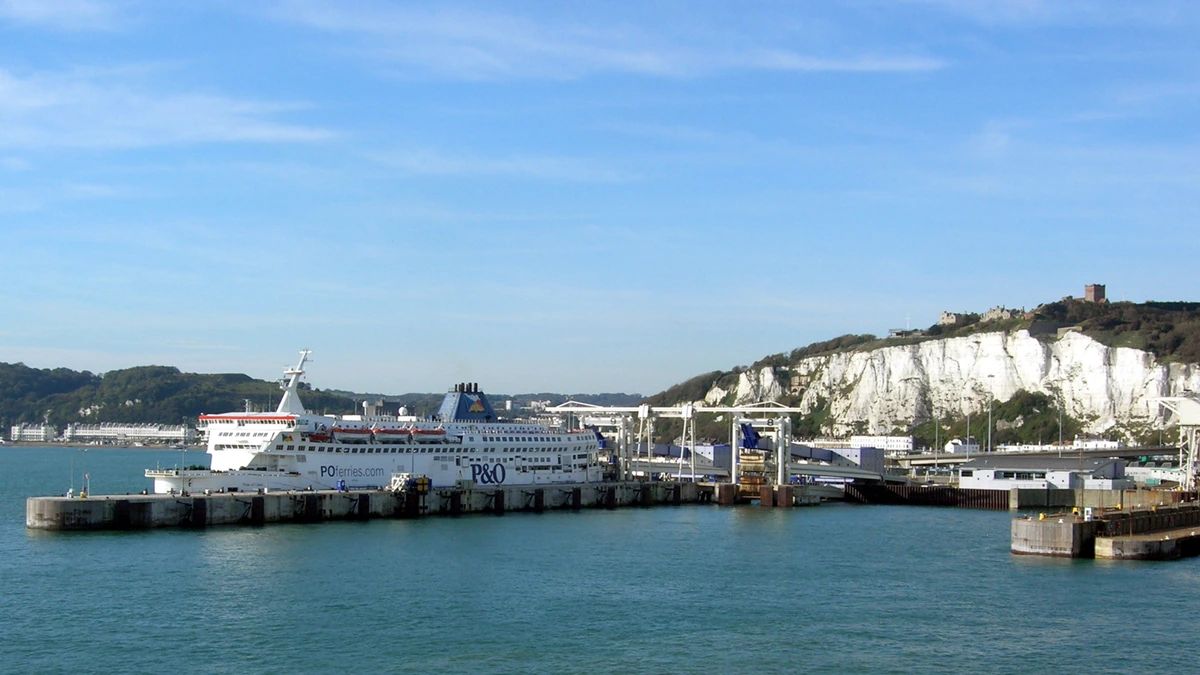
Sailing from the Dover cruise port offers one of the most dramatic and historic departures anywhere in the British Isles. As the premier alternative UK home port to Southampton, Dover is world-famous for its iconic, towering White Cliffs, which have stood as a symbol of British island identity for thousands of years. For travellers looking to embark on Baltic, Norwegian Fjord, or round-Britain itineraries, starting a holiday here provides a spectacular maritime send-off.
Navigating the transit links to the English Channel coast is highly efficient if you understand the local geographic setup. However, because Dover is also the busiest roll-on, roll-off ferry port on the planet, the surrounding highway corridors suffer from intense commercial freight congestion. Choosing the wrong arrival route or parking setup can inject unexpected stress into your embarkation morning.
In this guide, we break down the localised terminal configurations, expose the physical barriers separating the docks from the town, compare independent pre-cruise sightseeing with organised routes, and reveal the accommodation and parking hacks that save money before you even board.
At-a-Glance Port Directory
Before finalising your rail tickets or loading your luggage into the car, here are the essential fast facts for your departure from the Kent coast:
| Port Metric | Practical Specification |
| Port Role | Primary Turnaround Home Port (Major UK Departure Hub) |
| Arrival Method | Docked (Ships tie up securely at the dedicated Western Docks cruise piers) |
| Local Currency | British Pound Sterling (GBP) |
| ATM Availability | Plentiful inside the passenger lounges of both main terminal buildings |
| Distance to Centre | Roughly 1.5 miles (2.4 km) from the cruise terminals to downtown Dover |
Arrival & Pier Logistics
The Dover Cruise Port is situated within the Western Docks, physically separated from the cross-channel ferry traffic operating out of the Eastern Docks.
Terminal Configurations
The port uses two distinct, high-capacity passenger terminals located along the same secure pier arm:
- Cruise Terminal 1: A magnificent, historically preserved architectural landmark. Originally built as the Dover Marine railway station in the Edwardian era, this Victorian-style wrought-iron structure has been beautifully converted into a modern passenger terminal with an abundance of old-world charm.
- Cruise Terminal 2: A sleek, purpose-built, ultra-modern facility designed to process the largest contemporary mega-ships.
Both facilities offer comprehensive shoreside amenities, including comfortable seating lounges, cafe bars, clean restrooms, baggage drop-off zones, and secure check-in desks.
Accommodation Note
Because Dover sits at the southeastern tip of England, many travellers prefer to arrive the day before departure to eliminate the risk of highway delays. Booking a hotel along the Marine Parade (Dover’s historic seafront promenade) positions you perfectly for a relaxing evening meal looking out over the English Channel, with the cruise terminals visible just across the harbour basin.
The “Fake Port” Reality Check: The White Cliffs Illusion vs. The A20 Freight Barrier
When you look at a map of Dover, the cruise terminals appear to sit right on the edge of the town centre, with the historic castle and the famous walking paths seemingly just a short stroll away. Because the town is geographically compact, it is easy to assume you can arrive at the railway station and simply walk over to the ship with your suitcases.
This is a deceptive and highly dangerous geographic illusion. The cruise terminals are entirely cut off from the town centre by the A20 dual carriageway, a high-speed, intensely congested transport corridor that funnels thousands of massive international cargo lorries every day toward the cross-channel ferries.
There are no direct pedestrian pavements connecting the main town streets safely to the secure cruise terminal gates. Attempting to walk along the roadside with heavy luggage is highly dangerous and legally discouraged by port authorities. Treat Dover as an embarkation hub that strictly requires a short, motorised transit to cross the industrial highway barrier safely, regardless of how close the ship looks from your hotel window.
Top Attractions: DIY vs. Guided Tour Showdown
Dover is a brilliant destination for independent historical exploration, provided you complete your shoreside sightseeing before passing through the final security check-in gates.
The Ultimate DIY Choice: Dover Castle & The Seafront Walk
You do not need to pay for an expensive pre-cruise package to experience world-class British history. If you arrive in the area a day early, the spectacular Dover Castle is an absolute must-see destination that can be executed entirely DIY. Perched high on the eastern cliffs, this colossal medieval fortress contains the beautifully restored Great Tower of King Henry II and the historic Secret Wartime Tunnels used during the Dunkirk evacuation.
Reaching the castle gates independently is remarkably simple.
Insider Value Hack: Avoid expensive private car hires. If you are staying at a seafront hotel, you can hop onto the local public bus network or take a quick, 5-minute local metered taxi up the Castle Hill road for roughly £8 to £10.
After exploring the castle, you can walk along the cliffside paths to the National Trust visitor centre to experience the classic panoramic views of the White Cliffs entirely on your own schedule.
If you are arriving on embarkation morning by train, the DIY rail route is exceptionally efficient. High-speed Southeastern trains depart regularly from London St Pancras International, reaching Dover Priory Railway Station in just 66 minutes. Once you step off the train, ignore any complicated public bus routes. Simply walk out to the station taxi rank and catch a local licenced taxi straight to Cruise Terminal 1 or 2. The drive takes less than 10 minutes and costs a flat rate of roughly £7 to £10, dropping you and your luggage directly at the porter drop-off desks.
The Guided Tour Alternative: Canterbury Cathedral & Leeds Castle
While the immediate coastal fortresses of Dover are perfect for independent DIY travellers, exploring the wider historic county of Kent is much better handled via a structured arrangement if you are a transit passenger visiting for the day.
Taking a regional excursion to see the stunning Gothic architecture of Canterbury Cathedral or the romantic moated grounds of Leeds Castle involves navigating rural roads and regional train timetables. Opting for an official ship-sponsored coach tour ensures your entry tickets are managed seamlessly and guarantees your return transit capsule, ensuring you never risk missing the ship due to traffic delays on the busy Kent motorways.
The Port-Side Pitfall & Value Hack
The single biggest financial trap at this destination is the Official Long-Stay Parking Premium.
Many drivers automatically book the official, on-site port long-stay parking out of pure convenience, allowing them to park within the secure boundary of the Western Docks. While this service is undeniably safe, the daily rates can be exceptionally high, often adding a massive, hidden three-figure sum to the overall cost of a multi-week cruise holiday.
Independent holidaymakers can beat this high cost by exploiting a classic British coastal hotel trend.
Most major hotels and independent guest houses located along the Dover seafront and the surrounding historic villages offer dedicated “Stay and Cruise” packages. By booking a single night of accommodation before your cruise, these establishments will allow you to leave your vehicle parked securely in their private car parks for the entire duration of your voyage for a fraction of the official port authority fee.
The package usually includes a complimentary breakfast and a pre-arranged local taxi transfer that whisks you straight to the ship’s gangway on embarkation morning. This eliminates the morning drive stress, secures your car, and leaves a significant amount of spending money inside your holiday wallet.
CruisePing Port Verdict
The Dover cruise port is an exceptional, atmospheric gateway that rewards travellers who understand the unique layout of the Kent coast. By staying locally the night before to eliminate highway freight delays, using the fast London rail links combined with a cheap local taxi to cross the A20 dual carriageway barrier, and utilizing smart hotel parking packages, you can sail past the legendary White Cliffs with total peace of mind.
Ready to browse our article library?
Looking for more practical cruising shortcuts? Head back to our main hub directory to explore comprehensive stateroom comparisons, tipping breakdowns, and value guides.