
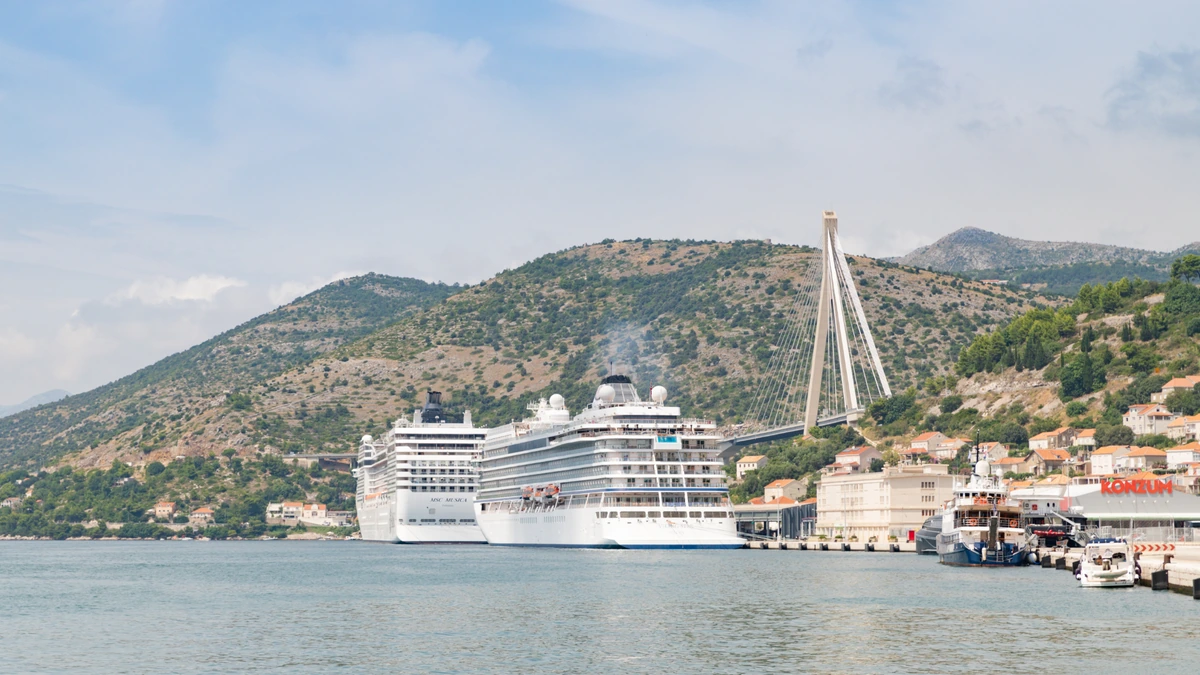
Sailing into the Dubrovnik cruise port delivers you to the edge of the “Pearl of the Adriatic”, one of the most structurally preserved and visually arresting medieval walled cities anywhere in the world. Famous for its towering stone fortifications, shimmering limestone streets, and historic terracotta rooftops, Dubrovnik is a crowning jewel on Mediterranean and Adriatic itineraries. For British travellers, stepping ashore here represents a journey into living history: a chance to walk along ancient ramparts that have guarded this independent maritime republic for centuries.
The local marine infrastructure is highly developed, with the city implementing strict crowd-control measures, including a daily cap of 8,000 cruise passengers, to preserve the historic atmosphere of the old town. However, because the primary cruise piers are separated from the historic centre by a prominent coastal peninsula, navigating your morning transit requires a clear tactical plan. Local taxi cartels and cruise line excursion desks heavily exploit this geographic gap, charging highly inflated rates to passengers who land without an independent transport strategy.
In this comprehensive guide, we map out the terminal infrastructure at Gruz Harbour, expose the physical reality of the local geography, compare independent sightseeing with regional excursions, and reveal the cheap public bus secrets that save a small fortune on transit.
At-a-Glance Port Directory
Before finalising your daily walking route or looking up ticket prices for the city walls, here are the essential fast facts for your arrival in Dalmatia:
| Port Metric | Practical Specification |
| Port Role | Primary Day-Visit Stop (Marquee Adriatic Call) |
| Arrival Method | Docked (90% of vessels tie up securely at the industrial Gruz Port facility) |
| Local Currency | Euro (€), which replaced the Kuna as Croatia’s official currency |
| ATM Availability | Plentiful inside the main passenger terminal and outside local bank branches |
| Distance to Centre | Exactly 3 kilometres (roughly 1.8 miles) from the Gruz piers to Pile Gate |
Arrival & Pier Logistics
The Port of Dubrovnik, located in the bustling suburban neighbourhood of Gruz, is a high-capacity commercial shipping and ferry hub that handles the vast majority of international cruise traffic.
Clearing the Gruz Port Terminal
When your ship secures its lines at the long concrete pier, you will walk directly off the gangway into a secure waterfront zone. The main passenger terminal building contains all the fundamental amenities required for a smooth transition ashore, including a multilingual tourist information desk, clean public restrooms, currency exchange booths, and free public Wi-Fi zones.
The terminal exit leads into a large, highly organised ground transportation courtyard. This area is strictly divided into designated lanes for ship-sponsored tour coaches, public transit stops, a heavily monitored official taxi rank, and stalls where local independent boat captains sell excursions to the nearby islands.
Alternative Anchorages
While 90% of cruise ships dock at Gruz, smaller boutique vessels and luxury superyachts occasionally drop anchor directly below the historic city walls at the Old Town Port. Additionally, if Gruz Port reaches its maximum capacity during the peak summer months, your ship may use the Lokrum Island Anchorage. If your itinerary routes you via Lokrum or the Old Town Port, you will ride the ship’s high-capacity tender boats directly to the historic old town piers, stepping off the gangway right into the heart of the action without needing any secondary motorised transit.
Luggage & Drop-Off Logistics
Because Dubrovnik functions primarily as a daytime port of call on wider European loops, the majority of passengers will not need to manage large, heavy suitcases upon arrival. However, if your cruise terminates here, or if you are combining a land-based holiday along the Dalmatian coast with an independent fly-cruise segment, managing your luggage transitions efficiently is vital.
Dubrovnik Airport (DBV) is situated in Čilipi, approximately 22 kilometres southeast of the cruise port. Independent travellers looking to bridge this distance can use the official Airport Shuttle Bus, which coordinates its departures to match arriving flights. The shuttle journey takes 30 to 40 minutes and costs roughly €10 to €15 per person, making direct stops at both the Main Bus Station in Gruz Port and the Ploče Gate entrance of the Old Town.
If you prefer private transit, official airport taxis operate on a fixed-rate tariff system ranging from €45 to €60 for a standard vehicle, depending on your final destination.
Insider Storage Hack: For travellers who have checked out of local apartments early in the morning but hold a late-evening flight or embarkation window, dragging heavy bags across Dubrovnik’s historic cobblestones is an absolute logistical nightmare. The Old Town is entirely pedestrianised and features hundreds of steep stone steps. To solve this, bypass the stress by utilizing the secure, monitored luggage storage lockers located inside the main Gruz Port terminal building. These lockers are available for a flat rate of just €5 per day, allowing you to explore the ancient fortifications completely hands-free before heading to your final transit link.
The “Fake Port” Reality Check: The 3-Kilometre Coastal Optical Illusion
When your cruise ship glides alongside the pier at Gruz, you can stand on your stateroom balcony and look out at rows of charming red-roofed stone buildings climbing up the surrounding hillsides. Because the immediate environment feels distinctly Croatian, it is easy for first-time visitors to fall into a major geographic illusion and assume they can step out of the port gates and instantly start exploring the famous medieval old town.
This is a profound layout trap. The historic, UNESCO-protected walled city of Dubrovnik is completely hidden from view, tucked securely around a massive limestone peninsula exactly 3 kilometres (1.8 miles) to the south.
The environment immediately surrounding Gruz Port is a busy urban district consisting of active ferry docks, intercity bus depots, residential apartment block grids, and supermarkets. Attempting to walk from the ship to the historic old town gates on foot is an exhausting, unrewarding mistake. The walk takes at least 45 to 60 minutes along steep, noisy coastal roads with highly restricted shade and exceptionally narrow public pavements. Walking here wastes precious sightseeing time and drains your energy before you even reach the main historical monuments. This is a port where securing motorised transit past the industrial buffer zone is absolutely non-negotiable.
Top Attractions: DIY vs. Guided Tour Showdown
Dubrovnik is one of the most rewarding, intuitive, and safe destinations in the Mediterranean for independent exploration, allowing budget-conscious travellers to execute world-class itineraries entirely on foot.
The Ultimate DIY Choice: The Pile Gate & Limestone Stradun Circuit
You do not need to spend £60 to £80 per person on a cruise line “Dubrovnik Highlights” walking tour. The historic core of the city, known as the Stari Grad, is entirely pedestrianised, compact, and exceptionally easy to navigate independently once you pass through the main entrance at Pile Gate.
Start your day early to outrun the intense midday heat by tackling the magnificent City Walls walk. This continuous 1,940-metre ring of stone fortifications wraps entirely around the old town, offering breathtaking, high-altitude views over the shimmering Adriatic Sea and the iconic terracotta roofs below. The independent entry fee is roughly €35, which represents exceptional value when you consider the sheer scale of the preservation work.
After completing the wall circuit, step down onto the Stradun, the grand main thoroughfare polished to a mirror-like sheen by centuries of footsteps. From there, you can independently explore the Franciscan Monastery (which houses Europe’s third-oldest working pharmacy, operating continuously since 1317) and admire the historic Onofrio’s Fountain entirely at your own pace.
Reaching this historic core independently from Gruz Port is incredibly simple thanks to Dubrovnik’s highly efficient public transport infrastructure:
Insider Value Hack: Ignore the expensive tour coaches sold on board the ship. The moment you step outside the main doors of the Gruz passenger terminal, look for the local public bus stops operated by Libertas Dubrovnik. Hop aboard Public Bus Line 1A, 1B, or 3. These clean, air-conditioned public buses run consistently every 10 to 15 minutes, driving straight from the port to the Pile Gate terminal plaza in under 10 minutes. A single ticket costs just €1.73 if you purchase it in advance at any local Tisak newsstand or Libertas sales kiosk near the pier, or €2.50 if bought directly from the driver using a contactless card or cash. It is a flawless, highly reliable local transit hack that undercuts cruise line pricing by a massive margin.
The Guided Tour Alternative: The Elaphite Islands Boat Safari
While the historic old town is perfect for independent strollers using the Libertas bus network, exploring the scenic natural wilderness surrounding the region is best handled via a structured tour framework. If you have previously visited Dubrovnik or wish to escape the heavy summer crowds within the city walls, booking an official Elaphite Islands boat excursion is highly recommended.
These guided tours transport passengers via traditional maritime vessels across the clear waters to explore the three primary inhabited islands: Lopud, Šipan, and Koločep. Opting for an official ship-sponsored tour or a pre-arranged local charter ensures all boat connections, lunch structures, and island swim stops are managed flawlessly, guaranteeing your safe return to the Gruz pier well before the final all-aboard call.
The Port-Side Pitfall & Value Hack
The single biggest financial trap at this destination is the Onboard Shuttle Ticket Monopoly.
During the mandatory port briefings on the eve of arrival, the ship’s shore excursion team will heavily advertise their private coach transfers into town, frequently charging an extortionate €12 to €15 per person for a return ticket. They often emphasise the distance to the old town and warn of chaotic local transport queues, causing massive lines of anxious passengers to form at the onboard shore excursion desk.
Independent travellers can outsmart this high-markup system by exploiting the official port-side infrastructure.
Aside from the ultra-cheap €1.73 Libertas public bus lines, the Port Authority routinely operates an official independent Port Shuttle Bus on heavy cruise days. These large coaches park directly alongside the ship hulls, departing every 15 minutes straight to Pile Gate for a flat rate of just €2 per passenger, which can be paid directly to the driver in cash.
If you are travelling in a small family group of three or four people, you can also use the official taxi rank at the terminal exit. Local licenced taxis operate on a legally regulated fixed-rate tariff of €15 per vehicle for the 10-minute drive to the Old Town gates. When divided among four passengers, a comfortable, direct private taxi ride costs less than €4 per person, completely outperforming the cruise line coach fees while delivering a premium, private service.
Actionable Checklist
To guarantee an effortless, highly organised day exploring the Pearl of the Adriatic, integrate this specific timeline into your departure day schedule:
- Secure Advance Bus Tickets: Walk directly to the Tisak newsstand or Libertas kiosk inside the Gruz Port terminal to buy your €1.73 bus tickets before boarding the bus, saving money and avoiding driver cash delays.
- Carry a Physical Passport: Croatian port authorities and maritime border security conduct random spot-checks along the secure pier gates; photocopies are strictly rejected.
- Pack Exact Euro Cash: While major shops and restaurants across the Stradun accept international credit cards, having small Euro coins is essential for paying the €2 independent port shuttle or buying quick snacks at local bakeries.
- Time the City Walls Wisely: To avoid dangerous midday dehydration and massive tour crowds, plan to walk the stone fortifications either before 09:00 or after 16:00.
- Leverage the Dubrovnik Pass: If you plan to walk the City Walls and ride the public buses multiple times, check the official website to purchase a digital Dubrovnik Pass, which combines transport and attraction fees into a single discounted barcode.
CruisePing Port Verdict
The Dubrovnik cruise port at Gruz Harbour is an exceptional, world-class gateway that perfectly rewards independent, budget-conscious holidaymakers. By simply ignoring the expensive return coach tickets sold on board, using the €1.73 public Libertas buses or the fixed €15 taxi ranks at the pier, and timing your historical exploration to beat the midday crowds, you can experience the breathtaking magic of ancient Dalmatia completely on your own terms.