
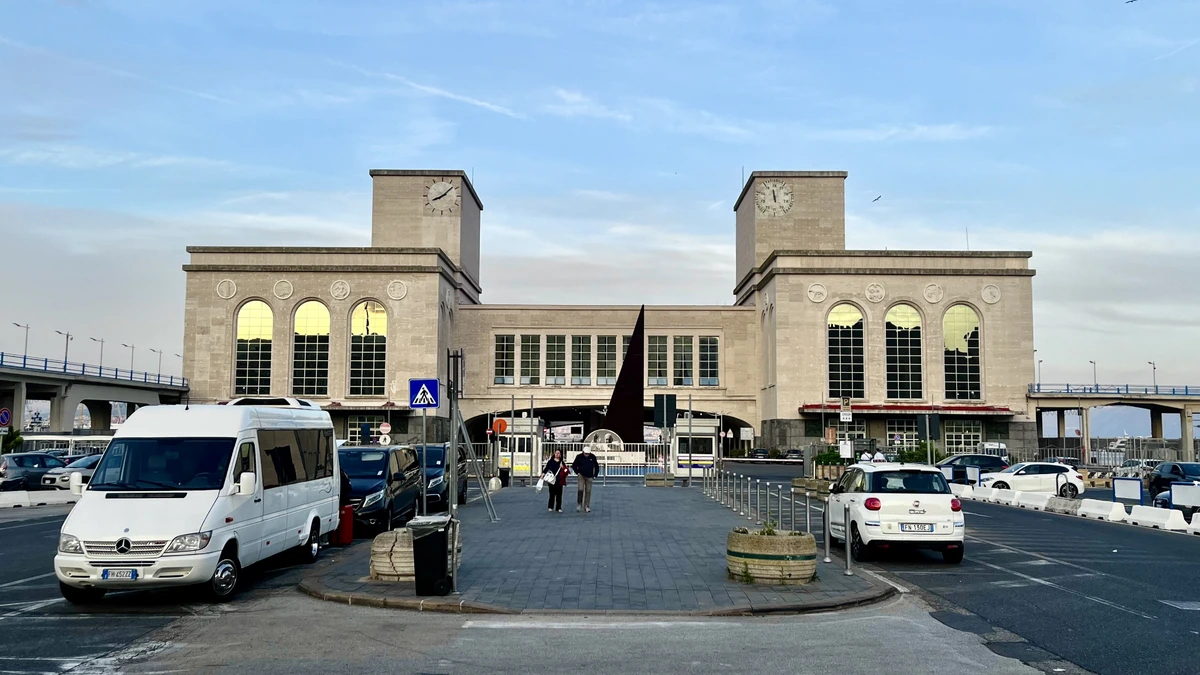
Arriving at the Naples cruise port delivers one of the most immediate and sensory introductions to Italy available on any Mediterranean itinerary. Sitting under the shadow of Mount Vesuvius, Naples is a historic, high-energy metropolis famous for its chaotic charm, world-class archaeological treasures, and as the undisputed birthplace of pizza.
The terminal infrastructure here is widely regarded as one of the best in Europe because of its unparalleled geographical convenience. However, because Naples serves as the direct gateway to multiple bucket-list destinations, such as Pompeii, Sorrento, and the Isle of Capri, independent travellers often face intense analysis paralysis upon arrival. Local transport operators take full advantage of this confusion, aggressively pushing expensive private transfers.
In this guide, we break down the immediate pier logistics, expose the structural differences between city exploration and regional transits, compare independent routes with official excursions, and reveal the seamless ferry hack that lets you cruise to Capri for a fraction of the ship price.
At-a-Glance Port Directory
Before booking train tickets or heading ashore for authentic Neapolitan street food, here are the essential fast facts for your arrival in Campania:
| Port Metric | Practical Specification |
| Port Role | Primary Day-Visit Stop (Marquee Mediterranean Call) |
| Arrival Method | Docked (Ships tie up directly alongside the historic Stazione Marittima) |
| Local Currency | Euro (€) |
| ATM Availability | Plentiful inside the terminal building and across the main square |
| Distance to Centre | Immediate (The terminal exits directly into the historic city centre) |
Arrival & Pier Logistics
The Stazione Marittima of Naples is a colossal, white Art Deco monument constructed in the 1930s that bridges the gap between active shipping channels and the city streets.
Clearing the Stazione Marittima
When your ship berths at the pier, you will walk directly into a multi-level terminal complex that functions almost like a modern shopping mall. The terminal contains high-street retail stores, clean public restrooms, ATM networks, and small cafes. Once you pass through the internal security checkpoints, you exit the front doors directly into Piazza Municipio, a vast public square that positions you right at the feet of the historic city landmarks.
Accommodation Note
Because Naples serves almost exclusively as a daytime port of call on itineraries originating from primary Western Mediterranean turnaround hubs, pre-cruise hotel bookings are rarely a concern here. Your ship will typically secure the berth in the early morning and depart in the late evening, providing a substantial window to explore the region before sailing.
The “Fake Port” Reality Check: City Chaos vs. The Coastal Postcard
When you review a cruise itinerary highlighting a stop in Naples, the promotional imagery invariably showcases the serene, cliffside paths of Sorrento, the glamorous blue grottos of Capri, or the quiet ruins of Pompeii. Because the ship docks directly against the edge of the city, it is easy to assume these postcard destinations are neatly grouped around the harbour.
This is a major geographic illusion that can compromise your day if mismanaged. Naples is a massive, densely populated urban environment characterised by frantic traffic, winding alleys, and intense local noise.
The calm, coastal retreats you see in the brochures are actually located miles across the bay or down the coast. While the city centre of Naples is immediately accessible from the gangway on foot, reaching Pompeii requires a 40-minute train journey, while visiting Capri demands a 45-minute sea transit. You must decide on your primary target destination before leaving the ship, as trying to combine the city centre with the regional sights in a single day is a logistical impossibility.
Top Attractions: DIY vs. Guided Tour Showdown
Navigating the Bay of Naples independently is incredibly rewarding and highly cost-effective if you align your transport choices with your target destination.
The Ultimate DIY Choice: The Molo Beverello Hydrofoil Hack
You do not need to spend £100 or more per person on an official cruise line excursion just to visit Capri or Sorrento. The Stazione Marittima sits directly adjacent to Molo Beverello, the primary public pier handling all high-speed maritime traffic for the region.
You can walk out of the cruise terminal doors, turn left, and walk less than five minutes along the flat pedestrian pathway to reach the public hydrofoil ticket kiosks.
Insider Value Hack: Bypass the ship’s expensive tour packages completely. Simply walk to the Molo Beverello ticket booths and purchase an independent return ticket on one of the regular public hydrofoils operated by Alilauro, SNAV, or Caremar. These modern, high-speed vessels depart every 20 to 30 minutes, whisking you across the sparkling bay to the Isle of Capri or the cliffs of Sorrento in under 45 minutes for roughly €45 to €50 return. It is a completely straightforward, highly reliable DIY route that gives you total freedom over your schedule.
If your goal is to visit the ancient ruins of Pompeii, the DIY route is equally efficient. Cross the street via the pedestrian lights to the Municipio underground station right in front of the port. Take Metro Line 1 directly to Garibaldi (Napoli Centrale station) for €1.50, then step down to the lower platforms to board the Circumvesuviana commuter train. The train drops you off at the Pompeii Scavi / Villa dei Misteri station, located mere steps from the main archaeological ticket windows, for less than €4 each way.
The Guided Tour Alternative: Mount Vesuvius & Herculaneum
While Capri, Sorrento, and Pompeii are exceptionally easy to conquer independently, exploring the volcanic summit of Mount Vesuvius is best handled via an organised arrangement. Reaching the high-altitude trailhead requires navigating a complex network of regional public buses from the coastal train stations, which run on highly unpredictable timetables.
Opting for an official ship tour or a pre-arranged local coach guarantees your transit up the steep mountain switchbacks and manages the strictly timed national park entry permits, ensuring you return to the harbour well before the final all-aboard call.
The Port-Side Pitfall & Value Hack
The single biggest financial trap at this destination is the Piazza Municipio Taxi Ring.
The exact moment you step clear of the secure terminal doors into Piazza Municipio, you will be aggressively targeted by ranks of local taxi drivers. Many of these drivers will firmly insist that public transport in Naples is completely broken, that the trains to Pompeii are cancelled due to strikes, or that the hydrofoils to Capri have ceased operating for the day. They will offer to drive you to these destinations for exorbitant fixed rates, often demanding €150 to €200 for a single trip.
This is a coordinated overcharge designed to exploit the anxieties of arriving cruise passengers. The local public transport network in Naples is highly functional, remarkably cheap, and exceptionally popular with global tourists.
Simply offer a polite but firm “No, grazie” to the pier-side drivers, walk past the taxi barriers, and proceed directly to your chosen transit link. Whether you are using the Metro station right across the street or walking to the hydrofoil windows at Molo Beverello, you will save a significant sum of money within five minutes of leaving the ship.
CruisePing Port Verdict
The Naples cruise port is a world-class gateway that perfectly rewards independent, budget-conscious holidaymakers. By ignoring the aggressive pitches at the terminal doors, utilising the immediate proximity of the Molo Beverello hydrofoils for independent trips to Capri or Sorrento, and leveraging the local rail network to explore Pompeii, you can experience the absolute best of the Campania region entirely on your own terms.
Ready to browse our article library?
Looking for more practical cruising shortcuts? Head back to our main hub directory to explore comprehensive stateroom comparisons, tipping breakdowns, and value guides.