
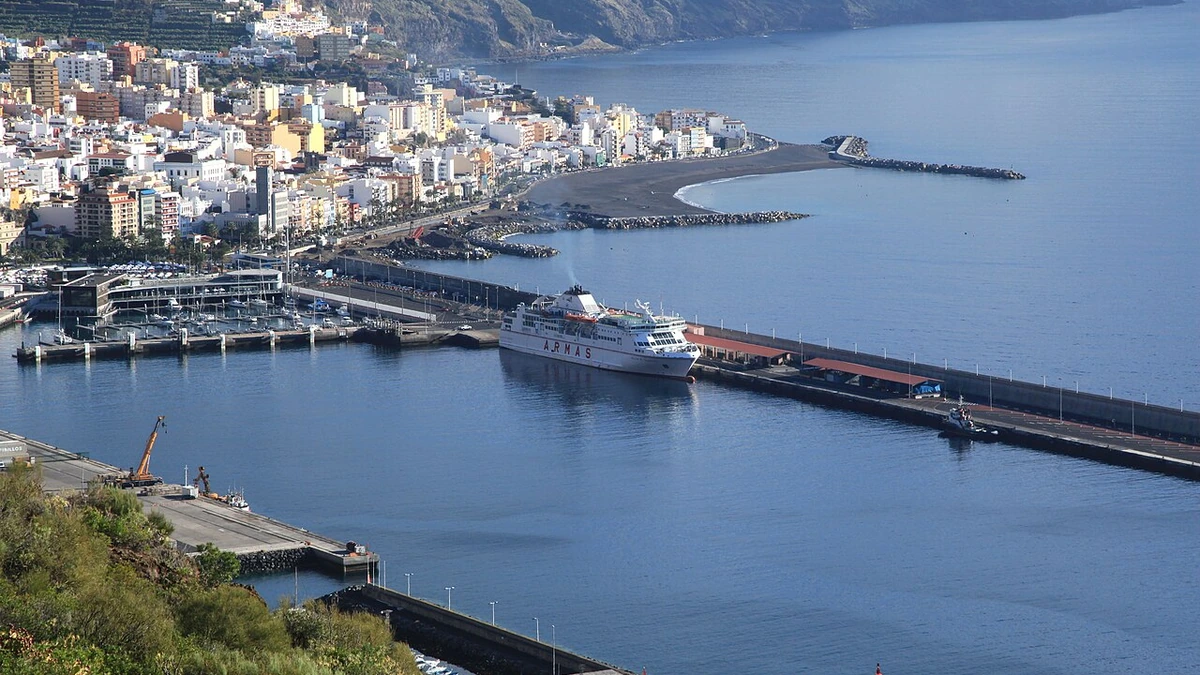
Arriving at the Palma cruise port delivers one of the most iconic views in the western Mediterranean, with the honey-coloured Gothic cathedral rising majestically over a harbour filled with luxury yachts. As the capital of Mallorca and the primary maritime gateway to the Balearic Islands, Palma serves as a major turnaround hub for summer fly-cruises and a highly popular day-visit stop for British holidaymakers.
Navigating the vibrant waterfront infrastructure is exceptionally straightforward if you understand the local terminal layout. However, cruise lines heavily market expensive private transfers, often implying that the historic centre is inaccessible without their help. By choosing the independent route, you can save a significant amount of money and experience Mallorca entirely on your own schedule.
In this guide, we break down the terminal configurations, explain the true distance across the bay, compare independent sightseeing with guided excursions, and reveal the cheap local bus trick that ship-sponsored tour desks routinely omit from their literature.
At-a-Glance Port Directory
Before finalizing your daily itinerary or heading ashore for tapas, here are the essential fast facts for your arrival in Mallorca:
| Port Metric | Practical Specification |
| Port Role | Dual Role (Major Turnaround Fly-Cruise Hub and Day-Visit Stop) |
| Arrival Method | Docked (Ships berth at either the Muelle de Poniente or Dique del Oeste piers) |
| Local Currency | Euro (€) |
| ATM Availability | Plentiful inside the modern Estación Marítima terminal buildings |
| Distance to Centre | Roughly 2 to 4 miles (3 to 6 km) depending on your specific ship berth |
Arrival & Pier Logistics
The Port of Palma is a sprawling, high-capacity facility divided into two distinct docking zones. Your specific arrival point dictates your immediate view of the city.
Clearing the Estación Marítima
Most mid-size to large cruise vessels berth at the Muelle de Poniente (utilising Estación Marítima buildings 1, 2, 3, and 4). This is a modern, air-conditioned facility equipped with souvenir shops, restrooms, official tourist information desks, and reliable ATM networks.
Larger mega-ships occasionally dock further out at the Dique del Oeste (utilising Estación Marítima buildings 5, 6, 7, and 8). Both zones feature highly organised exit paths leading directly to taxi ranks, hop-on hop-off sightseeing stops, and public transit links.
Accommodation Note
If your cruise originates in Palma as a fly-cruise package, you will likely transit directly from Palma de Mallorca Airport (PMI) to the terminal via a pre-arranged coach. However, if you are arriving a day early, booking a hotel along the Paseo Marítimo (waterfront promenade) or near the Plaça d’Espanya puts you in a perfect position to explore the city before embarkation morning without managing heavy luggage across long distances.
The “Fake Port” Reality Check: The Sprawling Marina Walking Trap
When your ship glides into the bay, the magnificent silhouette of La Seu Cathedral looks tantalisingly close. You can stand on your cabin balcony, look across the water, and assume that reaching the historic old town involves a simple, casual stroll along the marina.
This is a classic geographic illusion that catches out thousands of independent travellers every season. While you can see the cathedral, the deep, U-shaped curve of the harbour means you are actually separated from it by a massive walking distance of 3 to 6 kilometres (roughly 2 to 4 miles).
Walking the flat path along the seafront promenade is technically possible, but it takes at least 45 to 60 minutes each way. During the peak summer months, this path offers virtually zero shade. Trekking along the sun-baked concrete in 30-degree heat will drain your energy before you even reach the historic city gates. Treat this port as a transit-required destination and save your feet for the beautiful cobblestone alleyways of the old town itself.
Top Attractions: DIY vs. Guided Tour Showdown
Palma is an elite destination for independent exploration, allowing you to bypass rigid ship tours completely unless you plan to venture deep into the rural Mallorcan mountains.
The Ultimate DIY Choice: The Historic Ciutat Antiga & La Seu
You do not need to spend £40 to £60 per person on a cruise line “Palma Highlights” walking tour. The historic core of Palma, known as the Ciutat Antiga, is highly concentrated, entirely pedestrianised, and exceptionally safe to wander independently.
Once you transit into the centre, you can walk through the majestic nave of La Seu Cathedral, marvel at the interior alterations designed by Antoni Gaudí, and explore the adjacent Royal Palace of La Almudaina (the official holiday residence of the Spanish royal family).
Following your palace visit, you can stroll up the tree-lined boulevard of the Passeig des Born to discover designer boutiques, traditional bakeries serving authentic ensaïmada pastries, and vibrant plazas perfect for an independent lunch of local cured meats and olives.
The Guided Tour Alternative: Valldemossa & Bellver Castle
While the historic centre is perfect for independent strollers, visiting attractions on the outskirts is much easier via a structured arrangement. If you wish to visit Bellver Castle, a unique 14th-century circular fortress perched high on a pine-covered hill overlooking the bay, walking from the port is incredibly steep and exhausting.
Similarly, if you want to escape the city to visit the idyllic mountain village of Valldemossa in the Serra de Tramuntana range, booking an official cruise excursion or hiring a licensed private driver at the pier is highly practical. This ensures you navigate the narrow mountain switchbacks safely and return to the gangway well before the final all-aboard call.
The Port-Side Pitfall & Value Hack
The single biggest financial trap at this destination is the Cruise Line Shuttle Transfer Monopoly.
During the onboard port briefings, the shore excursion team will heavily advertise their private coach shuttles into town, usually charging a steep fee of €12 to €15 per person for a return ticket. They will warn passengers about long walking distances and hectic local transport lines, causing large crowds to form long lines at the onboard shore excursion desk.
You can easily bypass this expensive setup by utilising Palma’s highly efficient, air-conditioned public transportation network.
Insider Value Hack: Ignore the expensive ship shuttle tickets. The moment you step outside the doors of either Estación Marítima terminal, look for the official local public bus stop operated by EMT Palma. Hop aboard Public Bus Line 1 (which displays Portopí to Sindicat on the destination screen). This bus runs consistently every 10 to 15 minutes directly from the cruise terminal gates into the heart of the city center, dropping you off at central locations like Sa Feixina or Plaça d’Espanya for just €3 per person each way. It is a clean, safe, and incredibly reliable route that cuts your transit costs by a fraction of the cruise line price.
CruisePing Port Verdict
The Palma cruise port is an exceptional Mediterranean destination that rewards independent, budget-conscious holidaymakers. By rejecting the expensive ship-sponsored shuttle transfers, skipping the long, sun-baked walk along the marina, and hopping straight onto the €3 public EMT Line 1 bus at the terminal gates, you can explore the magnificent Gothic palaces, historic streets, and vibrant culinary markets of Mallorca entirely on your own terms.
Ready to browse our article library?
Looking for more practical cruising shortcuts? Head back to our main hub directory to explore comprehensive stateroom comparisons, tipping breakdowns, and value guides.