
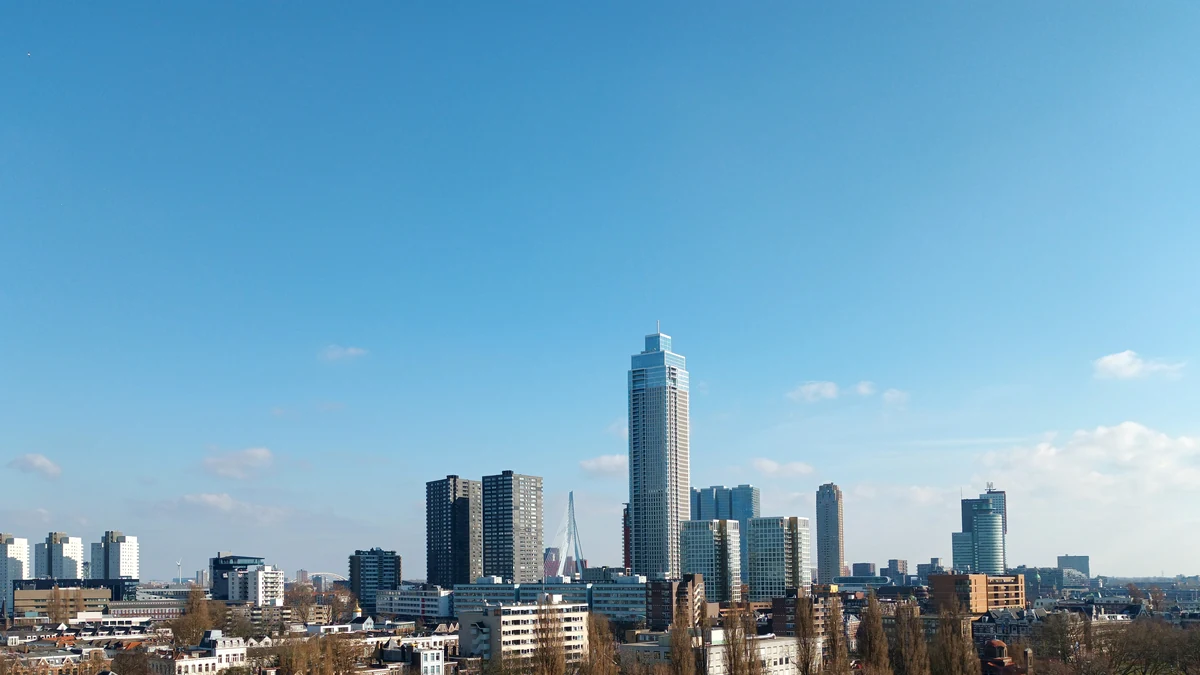
Rotterdam cruise port is one of the cleaner Dutch city arrivals for passengers who like modern architecture, waterfront walking and easy public transport. Ships usually dock at the Cruise Terminal Rotterdam on Wilhelminakade, beside the Erasmus Bridge and close to metro, tram, taxi and water connections.
This is not an Amsterdam substitute unless you deliberately choose that transfer. Rotterdam works best when you treat the city itself as the port day: the bridge, Markthal, cube houses, museums, harbour routes and waterbus options give you plenty without losing hours crossing the country.
Rotterdam Cruise Port at a Glance
| Port name | Rotterdam Cruise Port |
|---|---|
| Main cruise area | Cruise Terminal Rotterdam, Wilhelminakade |
| Cruise region | Northern Europe & Baltic |
| Country / Territory | Netherlands |
| Currency | Euro (EUR) |
| Language | Dutch |
| Disembarkation | Docked |
| Typical berth | Wilhelminakade beside the Erasmus Bridge |
| Walkability | High |
| Shuttle required | No |
| Main transport options | Walking route, metro, tram, ferry, taxi and organised excursion |
| Best DIY option | Erasmus Bridge, Markthal and cube-house city loop |
| Main caution | Do not give away the day to a long Amsterdam transfer unless Amsterdam is your clear priority |
Weather & Best Times to Visit Rotterdam
January to March
Typical high: 6–10°C
Typical low: 1–4°C
Rain / note: Cool and often damp; plan indoor stops around the waterfront walk.
April to June
Typical high: 13–21°C
Typical low: 5–12°C
Rain / note: Good walking conditions, with showers still possible around bridge and harbour routes.
July to September
Typical high: 19–24°C
Typical low: 12–16°C
Rain / note: Warmest and most comfortable season for walking, cycling-style tours and harbour boats.
October to December
Typical high: 7–15°C
Typical low: 3–9°C
Rain / note: Cooler and wetter; keep the route shorter and use metro or tram legs more readily.
Weather guide: CruisePing summary based on NASA POWER climate data for the Rotterdam area. Check the latest forecast.
Wind and rain matter because Rotterdam’s best easy route begins on open waterfronts and bridge approaches. If the Erasmus Bridge walk feels exposed, use the metro or tram earlier and make Markthal, Depot Boijmans Van Beuningen or a museum stop the day’s anchor.
Where Cruise Ships Dock in Rotterdam
Cruise Terminal Rotterdam is on Wilhelminakade, on the south bank of the Maas. The terminal’s own information highlights the proximity of public transport, taxis and tourist information, which is why Rotterdam is much less dependent on shuttles than many large European ports.
The port’s geography is useful. You can step into a modern waterfront district, cross the Erasmus Bridge, use Wilhelminaplein metro station nearby, or take short taxi hops without first escaping an industrial port zone. That makes the first hour much easier than in gateway ports where the ship is far from the destination.
Getting Around Rotterdam Independently
The simplest DIY plan starts on foot: Wilhelminakade, the Erasmus Bridge, the waterfront, Markthal and the cube houses can form a strong city loop for passengers with reasonable mobility. Use the metro from Wilhelminaplein if you want to reduce walking or reach a specific neighbourhood more quickly.
Rotterdam’s public transport is run by RET. It is useful for museum stops, the central station area and weather-proofing the day. Waterbus and harbour sightseeing options can also suit passengers who prefer to see Rotterdam from the river rather than covering every district on foot.
Best Cruise-Compatible Things to Do from Rotterdam Cruise Port
Erasmus Bridge and Wilhelminakade waterfront
Best for: A first-time city feel straight from the ship.
Best way: Walk from the terminal, then decide whether to continue into the centre or use metro/tram.
Watch: The bridge can be windy and exposed, so adjust the route in poor weather.
Markthal and cube houses
Best for: A compact, recognisable Rotterdam city loop.
Best way: Walk via the bridge or use metro to Blaak, then explore on foot.
Watch: Do not spend the whole day in transit if these are your main targets; they work well as a focused DIY loop.
Maritime Museum and old harbour area
Best for: Passengers interested in Rotterdam’s port identity and maritime story.
Best way: Walk or use metro/tram depending on weather and mobility.
Watch: Check current opening arrangements if the museum is your main anchor.
Depot Boijmans Van Beuningen and Museumpark
Best for: Architecture and museum-focused visitors.
Best way: Taxi, tram or metro depending on the exact route and walking appetite.
Watch: Choose one museum-area priority rather than trying to combine every cultural stop.
Kinderdijk windmills
Best for: Passengers who want the classic Dutch landscape outside the city.
Best way: Best by organised excursion, private transfer or carefully checked waterbus/tour connection.
Watch: It is not a casual add-on to a Rotterdam city walk unless the timing is very generous.
Amsterdam transfer
Best for: Passengers for whom Amsterdam is non-negotiable.
Best way: Use a cruise-line transfer, train plan or private transfer with a large return buffer.
Watch: For most first-time Rotterdam calls, staying in Rotterdam is the better-value day.
How to Scale a Rotterdam Day Without Losing the Port
Rotterdam gives you more than one sensible cruise day, but the strongest version is usually the one that starts by accepting where the ship is. Wilhelminakade is already part of the visitor experience. The skyline, the river, the bridge and the modern waterfront are not dead time before the “real” city begins.
The best first-time city loop
A practical first-time loop starts with the terminal area and Erasmus Bridge, then moves towards Markthal, the cube houses and the old harbour area. This gives a clear contrast between Rotterdam’s river setting and its centre without forcing you into a long transfer. Add one museum, one harbour element or a longer café/lunch stop, not all three.
If the weather is calm, walking across the bridge is part of the appeal. If wind or rain makes the bridge unpleasant, use Wilhelminaplein metro earlier and save walking for the central stops. That small adjustment keeps the day enjoyable for passengers who like the city idea but do not want to spend the first hour battling weather on open water.
When public transport improves the day
RET metro and tram links are useful when you want to reach Blaak, Museumpark, Rotterdam Centraal or a specific neighbourhood without stretching the walking route. Public transport also helps if one person in the group wants the city loop and another is less keen on a long riverfront walk. Rotterdam is one of the ports where using the metro can make a DIY day more relaxed, not less authentic.
Taxis are best kept for targeted hops: terminal to museum, museum to Markthal, or a return to the ship in poor weather. A taxi tour can work for passengers with limited mobility, but most reasonably mobile visitors will see more by combining short walks with a metro or tram leg.
Choosing Between Rotterdam, Kinderdijk and Amsterdam
The key decision is whether you want a Rotterdam day, a Dutch countryside day or an Amsterdam day. Those are three different port days, not one expandable itinerary. Rotterdam gives the easiest and most distinctive local experience. Kinderdijk gives the classic windmill landscape, but it needs a planned route and a return strategy. Amsterdam gives the familiar name, yet it asks you to spend a large part of the call away from the port city.
Kinderdijk is worth considering if windmills are your priority or if you have already visited Rotterdam. It is not the best bolt-on after a full city walk, because the value comes from slowing down enough to see the landscape, paths and water management setting properly. Use an organised excursion, private transfer or carefully checked waterbus/tour plan rather than hoping to improvise late in the day.
Amsterdam from Rotterdam is the choice for passengers who would be disappointed to leave the Netherlands without seeing Amsterdam. That is a fair reason, but be honest about the trade-off: you are swapping an easy city-terminal day in Rotterdam for a longer transfer, a busier destination and a more compressed visit. CruisePing would save Amsterdam for another itinerary unless it is genuinely the name that matters most to you.
Mobility and Weather Reality Check
Rotterdam’s main DIY route is relatively manageable compared with hillier historic ports, but it still involves distance and exposed bridges. Passengers with limited mobility should think in segments: terminal area, bridge or metro, central sights, then a clear return. The city does not demand a shuttle, but it does reward sensible use of metro, tram or taxi when the route starts to feel too spread out.
In poor weather, a strong Rotterdam day shifts indoors without collapsing. Markthal, museums, cafés, the terminal area and short public-transport hops can keep the day useful. The weakest plan in rain is a rigid bridge-and-walk route with no indoor anchor and no transport fallback.
CruisePing Recommended Port Day
For most first-time visitors, CruisePing would stay in Rotterdam. Walk the Wilhelminakade waterfront, cross or view the Erasmus Bridge, add Markthal and the cube houses, then choose either a museum stop or a harbour/water element. It gives you a distinctive Dutch city day without sacrificing hours to a transfer.
Choose Kinderdijk or Amsterdam only if they are the reason you booked the itinerary. Kinderdijk is better handled as a planned excursion or transfer. Amsterdam is possible, but it turns a strong walk-off port into a long-distance day that needs train or coach timing discipline.
Rotterdam as a Gateway to Amsterdam or Kinderdijk
Stay in Rotterdam
Best for: Most passengers on a first call, especially those who value low-risk DIY.
Typical timing: The terminal sits beside the waterfront city route, so useful sightseeing starts almost immediately after disembarkation.
CruisePing view: This is the CruisePing default. Rotterdam is too good a city port to treat only as a transfer point.
Kinderdijk windmills
Best for: Passengers who want a countryside and UNESCO-style windmill day.
Typical timing: Allow for transfer time, tour timing and the return to Wilhelminakade. Water and road options vary by season and operator.
CruisePing view: Choose a structured excursion or carefully checked connection. Do not tack it onto a full city loop.
Amsterdam from Rotterdam
Best for: Passengers who have already seen Rotterdam or must visit Amsterdam.
Typical timing: Expect a train or coach transfer plus station time at both ends, then city transport in Amsterdam.
CruisePing view: Use a ship transfer or a very conservative rail plan. For a first Rotterdam call, CruisePing would usually skip this.
DIY or Organised Excursion?
Rotterdam itself is a clear DIY port. The berth is close to the city route, public transport is nearby, and the main sights are better enjoyed at your own pace than from a coach window. Use an organised excursion for Kinderdijk, a specialist architecture tour, a longer harbour tour, or Amsterdam if you want ship-managed timing.
The poor-value version is paying for a broad city drive that barely improves on what you can do from Wilhelminakade. If you can walk comfortably and the weather is workable, the independent city loop is the stronger choice.
Rotterdam Port-Day Pitfalls and Value Hacks
- Do not assume Amsterdam is automatically the best use of a Rotterdam call.
- Use Wilhelminaplein metro when weather or mobility makes the bridge walk less appealing.
- Choose Kinderdijk as a planned half-day, not as an improvised extra after central Rotterdam.
- Keep some riverfront time in the plan; Rotterdam’s skyline and port setting are part of the point.
Food, Museums and a Sensible Midday Break
Rotterdam is a good port for building a break into the day rather than pushing continuously from sight to sight. Markthal works well as a food-and-architecture stop because it sits close to the cube houses and Blaak area. Museumpark works better if you want a slower cultural day with fewer riverfront miles. Choose the break according to your route rather than crossing the city just for lunch.
The city is modern, spread in places, and less postcard-obvious than Amsterdam or Bruges. That is exactly why a planned midpoint helps. A strong Rotterdam day has a beginning on the river, a central anchor and a clean return. Without that shape, passengers can spend too long moving between interesting districts without feeling they have properly settled anywhere.
Embarkation, Disembarkation and Pre-Sail Use
Rotterdam can also work as a pre- or post-cruise city if your itinerary starts or ends there. In that case, separate luggage logistics from sightseeing. The terminal location is convenient, but suitcases make the bridge, metro and Markthal route far less pleasant. Use hotel storage or a direct transfer first, then treat the city as a relaxed add-on.
For same-day flight or rail departures, do not overbuild the morning. A short riverfront walk, coffee stop or taxi to one central sight is more sensible than trying to recreate a full port-day route before onward travel.
Rotterdam Cruise Port Checklist
- Start by deciding whether your day is Rotterdam, Kinderdijk or Amsterdam.
- Use the cruise terminal address on Wilhelminakade when checking taxis or maps.
- Check RET public transport information if you plan to use metro or tram legs.
- Keep the route flexible if strong wind or rain affects the Erasmus Bridge walk.
- Leave a return buffer if travelling beyond Rotterdam, especially to Amsterdam or Kinderdijk.
Useful Official Links for Rotterdam
These are the official or locally authoritative links worth checking before your Rotterdam port day.
- Cruise Port Rotterdam terminal information
- RET Rotterdam metro, tram and bus information
- Rotterdam official visitor information
- Rotterdam city centre cruise-walk inspiration
- KNMI Netherlands weather forecast
Rotterdam Cruise Port FAQs
Where do cruise ships dock in Rotterdam?
Cruise ships normally dock at Cruise Terminal Rotterdam on Wilhelminakade, close to the Erasmus Bridge and Wilhelminaplein public transport.
Can you walk from Rotterdam cruise port to the city centre?
Yes, many passengers can walk from the terminal across or around the Erasmus Bridge into central Rotterdam. Use metro or taxi if you want to save steps.
Is Rotterdam better than Amsterdam for a cruise day?
For a Rotterdam call, often yes. Amsterdam is possible, but Rotterdam gives a much lower-risk city day straight from the ship.
Is Kinderdijk possible from Rotterdam cruise port?
Yes, but it needs a planned transfer, waterbus/tour timing or organised excursion. It should not be treated as a casual add-on to a full city walk.
CruisePing Port Verdict
Rotterdam is a strong DIY port because the cruise terminal starts you in a useful part of the city, not on the wrong side of a transport puzzle. The best first-time day is Rotterdam itself: waterfront, bridge, Markthal, cube houses and one chosen museum or harbour element. Amsterdam and Kinderdijk are valid choices, but they need a separate transfer plan and a stronger reason than simply wanting a familiar name.
Ready to browse our article library?
Looking beyond Rotterdam? Explore more ports in the Northern Europe & Baltic region, or narrow it to Netherlands in particular. For cruise comparisons, planning shortcuts and value guides, head over to our main article archive.