
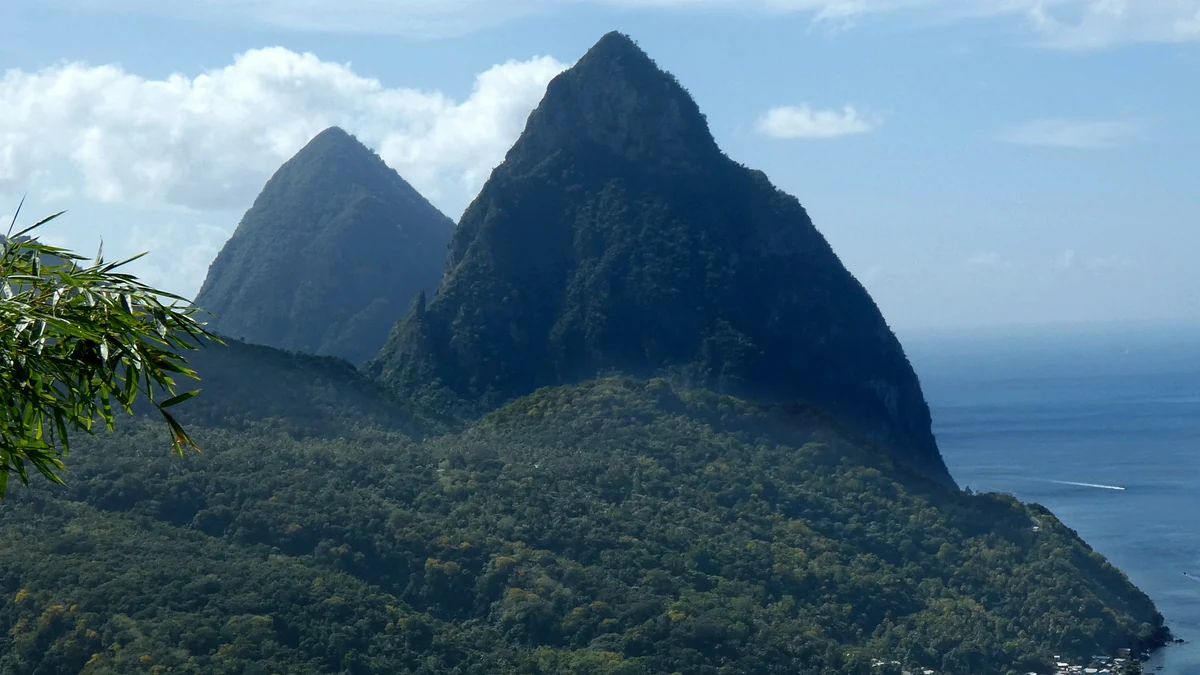
St Lucia cruise port starts in Castries, but the island most passengers imagine is farther away: green hills, the Pitons, Soufrière, Pigeon Island, Rodney Bay and beaches reached by taxi, tour vehicle or boat.
This is not a port where the best day is usually found by wandering at random from the gangway. Castries gives you shops and a local market feel, but the strongest cruise choices are north-coast beach and history, a controlled Pitons/Soufrière excursion, or a simple harbour-area day if you want to avoid long road transfers.
St Lucia Cruise Port at a Glance
| Port name | St Lucia Cruise Port |
|---|---|
| Main cruise area | Castries harbour, including Pointe Seraphine and La Place Carenage |
| Cruise region | Caribbean, Bahamas & Bermuda |
| Country / Territory | St Lucia |
| Currency | Eastern Caribbean dollar (XCD) |
| Language | English |
| Disembarkation | Docked |
| Typical berth | Castries harbour cruise facilities |
| Walkability | Medium |
| Shuttle required | No |
| Main transport options | Walking route, taxi, water taxi and organised excursion |
| Best DIY option | Pointe Seraphine / Castries plus a taxi to Vigie, Reduit or Pigeon Island |
| Main caution | Pitons and Soufrière are long, winding excursion days from Castries |
Weather & Best Times to Visit St Lucia
January to March
Typical high: 28–29°C
Typical low: 22–23°C
Rain / note: Warm and generally drier; good for Pigeon Island, Reduit Beach and coastal tours.
April to June
Typical high: 29–31°C
Typical low: 24–25°C
Rain / note: Hotter with more humidity; build shade and water into beach or viewpoint days.
July to September
Typical high: 30–31°C
Typical low: 25–26°C
Rain / note: Hot, humid and wetter; tropical showers can affect road and boat excursions.
October to December
Typical high: 28–30°C
Typical low: 23–25°C
Rain / note: Warm with rain risk easing into winter cruise season.
Weather guide: CruisePing summary based on NASA POWER climate data for the Castries, St Lucia area. Check the latest forecast.
Rain and low cloud matter most if you are paying to see the Pitons or taking the long road to Soufrière. A cloudy Pitons day can still be memorable, but if visibility is poor and roads are wet, Pigeon Island or a north-coast beach is often the more comfortable cruise-day choice.
Where Cruise Ships Dock in St Lucia
Saint Lucia Cruise Port presents Castries as the island’s cruise gateway. The names passengers see most often are Pointe Seraphine and La Place Carenage, both around Castries harbour. The immediate area has duty-free shopping, taxis and access to local Castries sights.
The island’s headline scenery is not immediately beside the ship. The Pitons and Soufrière sit on the southwest coast, while Pigeon Island and Reduit Beach are north of Castries. That means the St Lucia decision is partly about how much road time or boat-transfer time you are willing to accept.
Choosing Between North Coast and Pitons
Castries and nearby beach
Best for: Passengers wanting a low-risk day close to the ship.
Typical timing: Vigie Beach and local Castries stops keep transfer time short, although facilities and atmosphere vary by beach.
CruisePing view: Best for short calls or passengers who do not want mountain roads.
Rodney Bay, Reduit Beach and Pigeon Island
Best for: Passengers wanting beach time with a little history or scenery.
Typical timing: Taxi or organised beach transfer north from Castries; agree the return before leaving.
CruisePing view: This is CruisePing’s preferred middle-ground plan for many first timers.
Pitons and Soufrière by road
Best for: Passengers who want the signature St Lucia scenery.
Typical timing: Expect a long, winding return journey with stops often built around Soufrière, Sulphur Springs or viewpoints.
CruisePing view: Use an organised excursion or trusted private tour. Do not treat it as a casual taxi hop.
Pitons by boat or catamaran
Best for: Passengers who want coastline and scenery with less road time.
Typical timing: Boat routes vary by operator and sea state; boarding and return points must match the ship schedule.
CruisePing view: A good choice if you value the view more than inland sightseeing.
Best Cruise-Compatible Things to Do from St Lucia Cruise Port
Pointe Seraphine and Castries harbour
Best for: A simple start, shopping stop or fallback close to the ship.
Best way: Walk from the berth area where permitted.
Watch: It is convenient but does not show the island’s best scenery.
Vigie Beach
Best for: A nearby beach option for shorter calls.
Best way: Short taxi from Castries.
Watch: Check facilities and agree the return taxi rather than assuming one will appear instantly.
Reduit Beach and Rodney Bay
Best for: A more developed beach day with restaurants and resort-area facilities.
Best way: Taxi or organised beach transfer.
Watch: Traffic and return timing matter, especially with late-afternoon road pressure.
Pigeon Island National Landmark
Best for: Beach, views and history in one north-coast stop.
Best way: Taxi or excursion from Castries.
Watch: There is walking and uneven ground if you climb to viewpoints or explore ruins.
Pitons and Soufrière
Best for: The island’s signature scenic excursion.
Best way: Organised excursion, private driver or boat/catamaran tour.
Watch: Longer, more fragile and weather-sensitive than a north-coast beach day.
Castries Market and town
Best for: Passengers who want a local flavour without a transfer.
Best way: Walk or short taxi from the cruise area.
Watch: Use normal city awareness and do not carry the whole day’s valuables unnecessarily.
Call Length, Motion and Mobility
Passengers sensitive to motion should compare winding roads with a potentially lively boat. Mobility needs also vary: beach transfers, boat steps and uneven historic sites are different challenges. Choose the route that fits the group rather than the most dramatic brochure photograph.
A short call weakens the Pitons by road because the outward and return journeys consume the day. A longer call makes either road or boat viable, provided the operator works to ship time. A late clearance or traffic warning should push the plan north rather than compress the Soufrière route.
Castries and Nearby Options
Vigie is the simple beach choice; Reduit provides more resort scale; Pigeon Island adds history and walking. Pick one rather than turning the north into a taxi circuit. The port remains the natural final stop for shopping or a meal.
Castries is not the reason most passengers book St Lucia, but it is a useful low-risk core. Pointe Seraphine, the harbour area, market and nearby town streets can be combined with a short taxi to Vigie Beach. This works well after several long excursions or when weather makes a southern route less appealing.
North Coast or Soufrière?
Soufrière offers the island’s headline scenery but uses far more of the call. Decide whether the Pitons are the non-negotiable reason for visiting. If not, the north coast can deliver a calmer and often better-balanced day.
Rodney Bay, Reduit Beach and Pigeon Island form the easier northern alternative. They need transport from Castries but avoid the long commitment to the south-west. This is the stronger plan for passengers who want beach time, a shorter road journey and more control over when they return.
Road or Boat to the Pitons?
CruisePing would choose a boat-led route for passengers comfortable on the water who want the Pitons without a long return drive. A road tour suits those who value the inland stops and do not mind more time in a vehicle. Either option should be treated as the whole day rather than combined with a separate northern beach plan.
The Pitons and Soufrière define many first visits, but the route matters. A road tour can include inland scenery and stops along the way, yet St Lucia’s winding roads make the journey slow. A boat or catamaran can reduce road time and turn the coastline itself into part of the experience, although sea conditions and boarding arrangements then become important.
What to Skip on a Short St Lucia Call
Skip the long Soufrière road journey if the ship clears late or the call is compressed. Vigie, Reduit and Pigeon Island still provide a worthwhile St Lucia day without asking the group to spend most of the visit in transit.
A Practical First-Time Sequence
This split gives St Lucia a clear logic: south for the headline scenery, north for the easier beach-and-history day. Trying to use both sides of the island on an ordinary call creates too much road or boat time.
If the Pitons are the priority, meet the boat or road tour early and let it control the day. Return to Castries with enough time for a short port walk rather than adding another beach. If the Pitons are not essential, use a taxi north to Reduit or Pigeon Island and keep the schedule simpler.
CruisePing Recommended Port Day
For a first St Lucia call, CruisePing would choose either Pigeon Island / Reduit Beach for a balanced north-coast day, or a structured Pitons excursion if the Pitons are your reason for being here. The north-coast version gives beach, scenery and a manageable return. The Pitons version gives the big memory but asks for more time, money and trust in the operator.
If your ship call is short, the weather is poor or winding roads are a concern, do not force Soufrière. A controlled north-coast taxi plan is the smarter cruise-day choice for many passengers.
DIY or Organised Excursion?
St Lucia is not the strongest island for casual DIY beyond Castries and the simpler beaches. Taxis work for Vigie, Reduit and Pigeon Island when you agree the return. The Pitons, Soufrière and wider island loops are better as organised excursions, private tours or boat trips because the distance, roads and timing are material.
CruisePing would pay for an excursion if the day includes the Pitons, Sulphur Springs, a catamaran route or several stops. Save DIY for a nearby beach, Castries, or a single north-coast target.
St Lucia Port-Day Pitfalls and Value Hacks
- Do not underestimate the road time to Soufrière and the Pitons.
- Agree taxi return arrangements for Reduit, Vigie or Pigeon Island before leaving Castries.
- Choose Pigeon Island if you want history, views and beach time without going all the way south.
- Use a boat or catamaran excursion only when the operator’s timings fit the ship clearly.
- Keep a Castries fallback if heavy rain weakens a scenic viewpoint day.
St Lucia Cruise Port Checklist
- Decide whether the day is north coast, Pitons/Soufrière or Castries/local.
- Book a structured excursion if the Pitons are non-negotiable.
- Carry water and sun protection for Pigeon Island and beach routes.
- Allow extra return time from Rodney Bay or Soufrière in poor weather.
- Keep small cash for taxis, tips and local purchases.
Useful Official Links for St Lucia
These are the official or locally authoritative links worth checking before your St Lucia port day.
- Saint Lucia Cruise Port official information
- Official Saint Lucia tourism website
- Saint Lucia National Trust Pigeon Island information
- Pitons Management Area official website
- Saint Lucia Meteorological Services
St Lucia Cruise Port FAQ
Where do cruise ships dock in St Lucia?
Cruise ships dock in Castries harbour, commonly around Pointe Seraphine or La Place Carenage.
Are the Pitons realistic from a cruise ship?
Yes, but treat them as a proper excursion day. The transfer is too significant to handle casually without a reliable tour, private driver or boat plan.
What is the easiest beach from St Lucia cruise port?
Vigie is one of the closer options, while Reduit Beach and Pigeon Island are stronger all-round north-coast choices if you are happy with a longer taxi ride.
Is St Lucia a good DIY cruise port?
It is DIY-friendly for Castries and simple beach taxi plans. It is less DIY-friendly for the Pitons, Soufrière and multi-stop island routes.
CruisePing Port Verdict
St Lucia is a beautiful but transfer-sensitive Caribbean port. CruisePing’s practical choice is Pigeon Island or Reduit Beach for a controlled first visit, unless the Pitons are the clear priority. If you want the Pitons, pay for a well-timed excursion or private tour. If you want a calm day, stay north and avoid turning the port call into a long road test.
Ready to browse our article library?
Looking beyond St Lucia? Explore more ports in the Caribbean & Bahamas region, or narrow it to St Lucia in particular. For cruise comparisons, planning shortcuts and value guides, head over to our main article archive.