
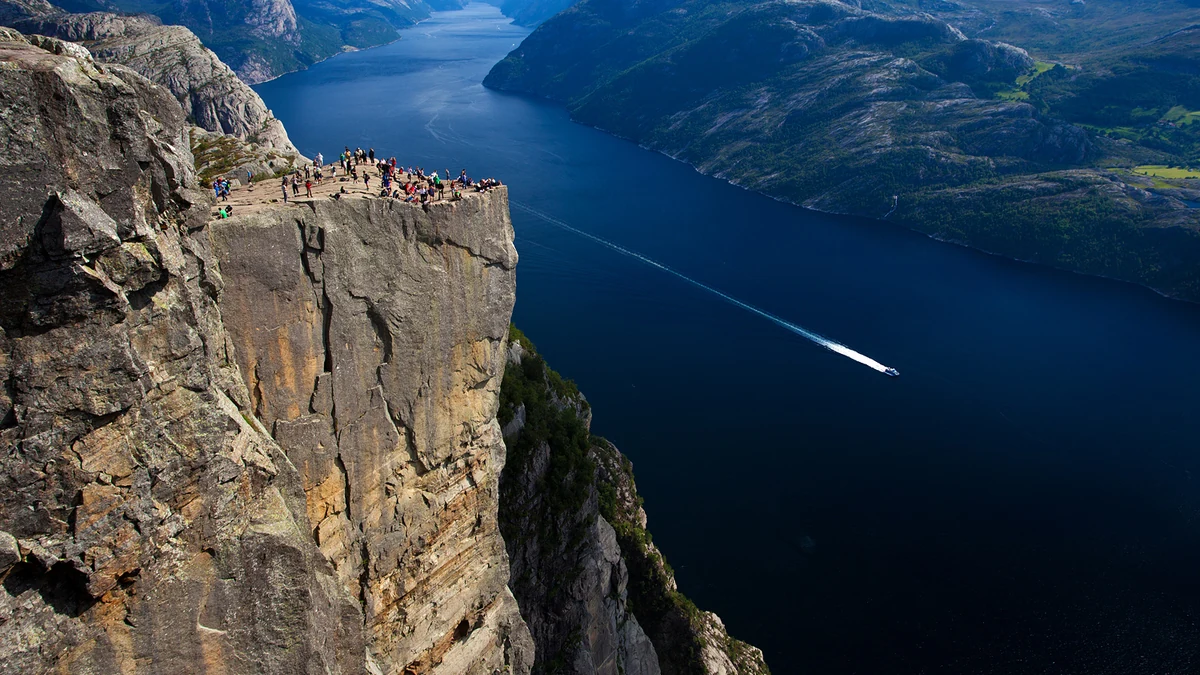
Stavanger is a deceptively flexible Norwegian port. One version of the day is almost effortless: step off the ship, wander Gamle Stavanger, the harbour and the compact city centre. Another version points you towards Lysefjord and Preikestolen, where timing and fitness become much more serious.
That split is what makes Stavanger interesting. It is not just a pretty town and not just a gateway to Pulpit Rock; it is a port where CruisePing would decide early between a gentle city-and-harbour day and a proper fjord excursion. Both can be excellent, but mixing them badly is where the day starts to fray.
Stavanger Cruise Port at a Glance
| Port name | Stavanger Cruise Port |
|---|---|
| Main cruise area | Central Stavanger harbour |
| Cruise region | Norwegian Fjords |
| Country / Territory | Norway |
| Currency | Norwegian krone (NOK) |
| Language | Norwegian |
| Disembarkation | Docked |
| Walkability | High for the town centre |
| Main transport options | Walking, fjord boat, taxi, organised excursion |
| Best DIY option | Gamle Stavanger and harbour walk |
| Main caution | Preikestolen is not a casual add-on |
Weather & Best Times to Visit Stavanger
March to May
High: 7–14°C
Low: 2–7°C
Rain / note: Cool and changeable; fjord trips can feel colder on deck.
June to August
High: 16–19°C
Low: 10–12°C
Rain / note: Best outdoor season, though rain and wind remain possible.
September to November
High: 8–15°C
Low: 4–10°C
Rain / note: Autumn colour and showers; daylight reduces later.
December to February
High: 4–6°C
Low: 0–2°C
Rain / note: Cold and damp; boat trips need proper clothing.
Weather guide: CruisePing summary based on historical climate data for Stavanger. Latest local forecast: latest forecast.
CruisePing weather note: In Stavanger, weather can change the Lysefjord decision. Calm, clear conditions make a fjord cruise much more rewarding, while wind, rain or poor visibility can reduce the value of paying for scenery. Pulpit Rock hiking needs an even stricter weather check because wet rock, cloud and timing make it a very different proposition from a town walk.
Stavanger’s weather choice is between an easy town day and a scenery plan. Showers rarely ruin Gamle Stavanger or the harbour, but Lysefjord boats and the Pulpit Rock hike need a stronger check on wind, cloud, underfoot conditions and return timing.
Where Cruise Ships Dock in Stavanger
Stavanger cruise berths are typically close to the old town, harbour and central streets. The dock is not the problem; the real choice is whether you stay local, take a Lysefjord boat, or commit to the much more demanding Pulpit Rock plan.
If the ship is berthed centrally, you can cover Gamle Stavanger and the harbour with little stress. For Lysefjord or Preikestolen, the meeting point and departure time matter more than the berth itself.
Getting Around Stavanger Independently
Stavanger’s simple plan is walking: Gamle Stavanger, the harbour, cathedral area and museums. Transport becomes important only when you add Lysefjord, Preikestolen or a countryside route.
CruisePing would keep the town DIY, take a timed Lysefjord boat for scenery, and only attempt Preikestolen when the excursion timing, fitness demands and weather forecast all line up.
Best Things to Do from Stavanger Cruise Port
CruisePing’s recommendation depends on your reason for choosing Stavanger.
Gamle Stavanger
Best for: Easy local character, wooden houses and low-risk strolling
Best way to do it: DIY on foot
Cruise-day caution: Some streets are uneven and can be slick in rain.
Stavanger harbour and old centre
Best for: A relaxed town day close to the ship
Best way to do it: DIY on foot
Cruise-day caution: Shops and museums vary by day and season.
Lysefjord cruise
Best for: Big scenery without committing to a mountain hike
Best way to do it: Pre-booked boat trip or excursion
Cruise-day caution: Departure times must fit the ship call.
Preikestolen / Pulpit Rock hike
Best for: Fit passengers who want the headline adventure
Best way to do it: Organised excursion or carefully planned specialist transfer
Cruise-day caution: The hike and transfers need a long call, fitness and weather awareness.
Norwegian Petroleum Museum
Best for: Rain-day option and Stavanger context
Best way to do it: DIY on foot
Cruise-day caution: Best as part of a town day, not a replacement for fjord scenery if that is your priority.
CruisePing Recommended Port Day
CruisePing’s recommendation depends on your reason for choosing Stavanger. For most passengers, the best low-risk day is Gamle Stavanger, the harbour, a museum or café stop, and perhaps a short scenic boat if timings fit. If Preikestolen is the dream, make it the day’s main event and book the safest structured option available.
How to Choose Your Stavanger Port Day
Stavanger works because it gives cruise passengers two very different strengths: a genuinely easy old-town port and access to Lysefjord scenery. The best day depends on whether you want a relaxed city call or a more scenery-led Norwegian experience.
For a first call on a Norway itinerary without many fjord sailings, CruisePing would seriously consider a Lysefjord boat trip. It gives you the water-level scenery, cliffs and Pulpit Rock views that many passengers imagine when they book a Norwegian cruise, without committing to the full hike. The price is that it uses a large block of the day.
If the itinerary already includes Geiranger, Olden, Flåm or other dramatic scenery calls, Stavanger itself becomes more attractive. Old Stavanger, the harbour, the cathedral area, cafés, museums and the Norwegian Petroleum Museum make a strong low-stress day from the ship. This is especially sensible on shorter calls or uncertain weather days.
The Pulpit Rock hike is the specialist choice, not the default cruise recommendation. It can be exceptional, but it needs time, fitness, good weather, reliable transport and a realistic return buffer. CruisePing would normally choose an organised hike or cruise-line excursion for that plan rather than trying to improvise it independently.
Stavanger’s strength is that both versions are valid. Do the fjord if that is the missing piece in your itinerary. Stay local if you already have big scenery elsewhere, if the weather is poor, or if you want one of Norway’s easiest walk-off port days.
Stavanger Choices: Town, Fjord or Hike
Town route: Old Stavanger and the harbour
This is the easiest and lowest-risk Stavanger plan. Walk the old white wooden streets, explore the harbour, visit the cathedral area when accessible, and add the Norwegian Petroleum Museum if it interests you. It is ideal for shorter calls, poor weather, or itineraries that already include dramatic fjord scenery elsewhere.
Lysefjord route: scenery without the full hike
A Lysefjord boat trip is the best compromise for many cruise passengers. It gives you cliffs, water-level scenery and a view towards Pulpit Rock without requiring the time, weather and fitness commitment of the hike. CruisePing would consider this strongly if Stavanger is the itinerary’s main fjord-scenery opportunity.
Pulpit Rock route: only when the call supports it
The Pulpit Rock hike is not just a longer version of a town walk. It is a proper excursion with transfer time, ascent, descent, weather exposure and a return deadline. It can be outstanding, but CruisePing would only choose it with a long call, good forecast, appropriate footwear and a reliable organised arrangement.
Repeat-visitor route: museums, food and neighbourhood time
Repeat visitors do not have to leave Stavanger to make the day worthwhile. The town has enough food, museums, harbour life and local wandering to justify a slower call. This is especially true if the cruise has already delivered the big scenery elsewhere and you want one port that does not involve another early coach or boat departure.
Timing and Transport Judgement in Stavanger
Stavanger is easy when you stay in town and much more timing-sensitive when you choose the fjord or hike. That distinction should shape the whole plan. A harbour and old-town day can be flexible; a Lysefjord boat or Pulpit Rock plan cannot.
For Lysefjord, check departure time, duration and return margin before buying. The excursion may be excellent, but it should not leave you with an anxious final transfer. CruisePing would favour providers and ship excursions that clearly fit cruise timings over a slightly cheaper plan with a tight return.
For Pulpit Rock, the timing test is stricter. You need transport, hike time, rest time, weather margin and a return buffer. If any of those feel uncertain, choose the fjord cruise or stay in Stavanger. The hike is too substantial to treat as a casual add-on.
In town, timing is forgiving. Old Stavanger, the harbour, museums and cafés sit close enough that you can adjust the day as you go. That makes Stavanger a good port for mixed groups: active passengers can choose scenery, while others can have a strong local day without feeling they took the lesser option.
What CruisePing Would Prioritise in Stavanger
CruisePing would prioritise either Lysefjord or Stavanger town, not both equally. If the itinerary is short on dramatic scenery, take the fjord seriously and let it be the main event. If the itinerary already has big scenic days, stay local and enjoy one of Norway’s easiest and most attractive walk-off towns.
The town route should not be dismissed as the safe but dull option. Old Stavanger, the harbour, museums, cafés and compact streets make a good day, particularly for passengers who want a slower pace after several coach or tender-heavy ports. It is also the better plan in poor weather or on a shorter call.
What CruisePing would be cautious about is the Pulpit Rock hike. It is famous for good reason, but fame does not make it automatically suitable for a cruise day. The hike needs fitness, footwear, weather, transport and time. If you are not comfortable with all of those, the Lysefjord boat gives a more cruise-friendly version of the scenery.
Repeat visitors can make Stavanger more personal. Food, museums, local neighbourhoods, smaller boat trips or a relaxed harbour day can all be rewarding. The main thing is to resist the idea that every Stavanger call must be a race to Pulpit Rock. The port gives you better choices than that.
Short Call or Long Call: How to Scale Stavanger
On a short Stavanger call, CruisePing would stay in town. Old Stavanger, the harbour, museums and cafés are close enough to make a satisfying day without gambling on excursion timing.
On a longer call, Lysefjord becomes the natural upgrade. It gives a proper scenic experience but still returns you to the ship in a structured way. This is often the best balance between ambition and cruise-day control.
The Pulpit Rock hike belongs only in the longest and best-supported version of the day. If the call length, forecast or fitness level is marginal, choose the fjord boat or town instead.
Who Stavanger Works Best For
Stavanger works well for two different kinds of passenger: those who want an easy independent town day, and those who want a structured fjord experience. That makes it a useful port for groups with mixed interests, provided everyone accepts that the fjord and town plans are different days.
It is less suited to last-minute overambition. Pulpit Rock, Lysefjord and a full town visit should not be casually merged into one plan. The best Stavanger days come from choosing the right level of ambition before leaving the ship, then protecting the time needed for that choice.
Families and mixed-ability groups should be especially cautious about copying the most active plan. A relaxed old-town route and a fjord cruise are both strong Stavanger choices; the best one is the one the whole group can enjoy without rushing.
If your cruise has several Norwegian calls, compare Stavanger with the rest of the itinerary before booking. Lysefjord is more valuable when it fills a scenery gap; the town is more valuable when you already have big fjord days elsewhere.
This is where CruisePing would look at the whole cruise, not the port in isolation. If Olden, Geiranger or Flåm are already doing the scenery work, Stavanger can be your easier culture-and-harbour day.
That balance is more important than ticking off the most famous name on the shore-excursion list, especially if the next port already gives you another major scenic day. It is a port where restraint can produce the better day for many cruise passengers too, overall.
Stavanger also asks for a realistic view of energy and weather. A town day can be genuinely satisfying because the old wooden houses, harbour, cathedral area and museum choices are close together. The Lysefjord option is a scenery upgrade, while Pulpit Rock is a physical commitment. CruisePing would not downgrade the town route just because it sounds less dramatic on paper.
For repeat visitors, that may mean slowing down in Stavanger rather than booking another coach. The port is compact enough for a good lunch, a museum and a harbour wander without turning the day into transport management.
DIY or Organised Excursion?
Stavanger town is excellent for DIY. Lysefjord can be DIY if boat times line up, but it should be pre-planned rather than improvised at the quay. For Preikestolen, CruisePing would lean organised or specialist transfer unless the call is very long and you are confident with the hike, weather and return logistics.
Port-Day Pitfalls and Value Hacks
- Best DIY: Gamle Stavanger, harbour and central sights.
- Best organised option: Preikestolen or full Lysefjord scenery when timings are tight.
- Main trap: trying to add Pulpit Rock to a casual town day.
- Fallback: Petroleum Museum and old town if weather weakens scenic plans.
Stavanger Cruise Port Checklist
- Choose town, Lysefjord or Preikestolen before leaving the ship; they are different days.
- Treat Pulpit Rock as a fitness, weather and timing decision, not a normal sightseeing stop.
- Book Lysefjord boats early on busy summer calls if that is your main aim.
- Use Gamle Stavanger and the harbour as the easy fallback when weather weakens the scenery plan.
- Allow enough time after a fjord trip to return calmly through the harbour area.
Useful Official Links for Stavanger
- Port of Stavanger cruise information
- Kolumbus Stavanger public transport information
- Visit Region Stavanger official guide
- Preikestolen official visitor information
FAQs
Is Pulpit Rock possible on a cruise day?
It can be, but only with a long enough call, suitable weather, good fitness and a protected transfer plan. CruisePing would not treat it as a casual DIY add-on.
Is the Lysefjord cruise better than the Pulpit Rock hike?
For most cruise passengers, yes. The fjord cruise gives the scenery with less physical and timing risk, while the hike is the specialist choice.
Can you walk from Stavanger cruise port into town?
Usually yes. Gamle Stavanger, the harbour and central streets are among Stavanger’s strengths as a cruise call.
What should I do if the weather is poor in Stavanger?
Stay local: Gamle Stavanger, the harbour, cafés and the Norwegian Petroleum Museum make more sense than forcing an exposed scenery or hiking plan.
CruisePing Port Verdict
Stavanger gives you a genuine choice: easy town, fjord scenery or a demanding hike. CruisePing would recommend the town-and-harbour route for low-stress calls, Lysefjord for scenic value, and Pulpit Rock only when time, weather and fitness all support it.
Ready to browse our article library?
Looking beyond Stavanger? Explore more ports in the Fjords & Norway region, or narrow it to Norway in particular. For cruise comparisons, planning shortcuts and value guides, head over to our main article archive.