
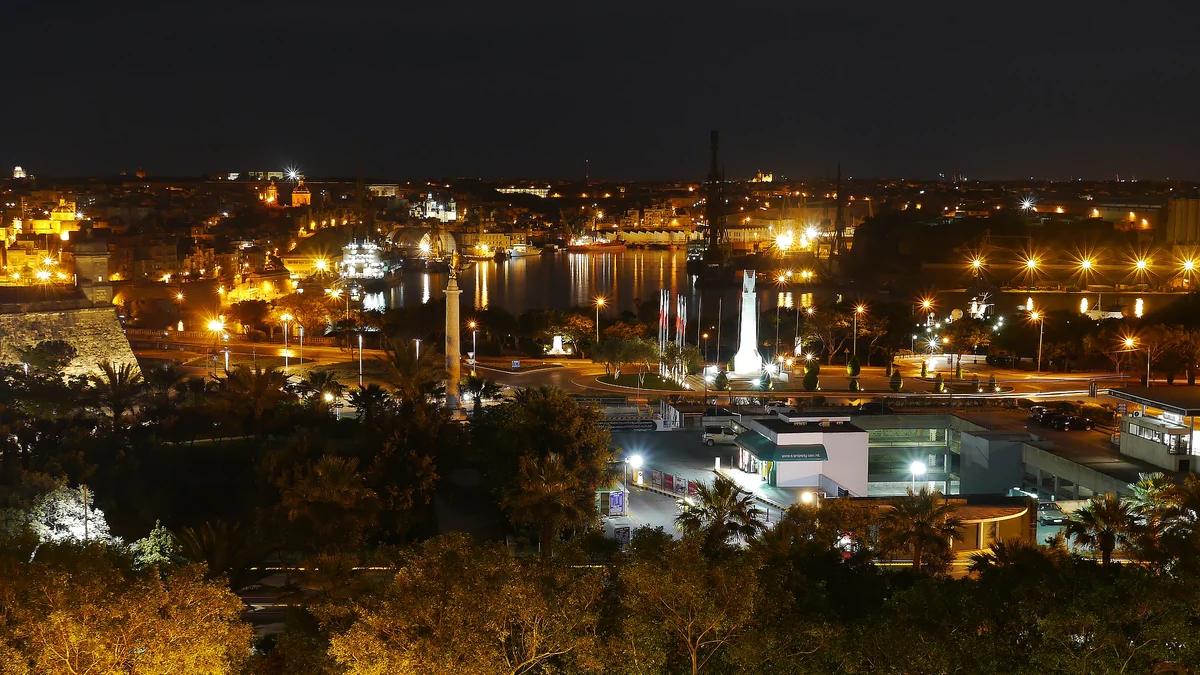
Valletta cruise port gives passengers one of the most dramatic arrivals in the Mediterranean. Ships berth below the fortified city, with the Upper Barrakka Lift providing the key shortcut from the waterfront to Valletta’s high streets, gardens and historic core.
The port is close to the prize, but it is not flat. The best day depends on how you handle height, heat and time: stay in Valletta for a superb DIY city day, add the Three Cities or Sliema by ferry if timing fits, or use a taxi or excursion for Mdina and wider Malta.
Valletta Cruise Port at a Glance
| Port name | Valletta Cruise Port |
|---|---|
| Main cruise area | Valletta Waterfront and Grand Harbour |
| Cruise region | Mediterranean & Black Sea |
| Country / Territory | Malta |
| Currency | Euro (EUR) |
| Language | English and Maltese |
| Disembarkation | Docked |
| Typical berth | Valletta Waterfront below the city walls |
| Walkability | Medium |
| Shuttle required | No |
| Main transport options | Walking route, Upper Barrakka Lift, local bus, ferry, water taxi, taxi and organised excursion |
| Best DIY option | Upper Barrakka Lift, Valletta streets, St John’s Co-Cathedral and harbour views |
| Main caution | The city sits above the waterfront, so lifts, steps, heat and gradients shape the day |
Weather & Best Times to Visit Valletta
January to March
Typical high: 15–18°C
Typical low: 9–11°C
Rain / note: Cooler and sometimes wetter; good for walking if showers are allowed for.
April to June
Typical high: 20–29°C
Typical low: 12–19°C
Rain / note: Excellent cruise-season conditions, with heat building by June.
July to September
Typical high: 28–32°C
Typical low: 21–24°C
Rain / note: Hot and dry; plan exposed walls, gardens and ferry waits carefully.
October to December
Typical high: 16–26°C
Typical low: 10–19°C
Rain / note: Often pleasant early on, with increasing rain risk later in the year.
Weather guide: CruisePing summary based on NASA POWER climate data for the Valletta area. Check the latest forecast.
Summer heat mainly affects the climb from the waterfront, the exposed Upper Barrakka viewpoints and long walks across Valletta’s grid streets. Use the lift early, save shaded church or museum time for the hottest part of the day, and treat ferry add-ons as optional rather than automatic.
Where Cruise Ships Dock in Valletta
Cruise ships dock at Valletta Waterfront in the Grand Harbour, below the fortified city. Valletta Cruise Port’s transport information points passengers towards taxis, sightseeing buses, public bus links, harbour ferries, water taxis and the Upper Barrakka Lift, which is the most important shortcut for a DIY city visit.
The berth is close to the city in distance, but the vertical gap matters. Walking up is possible for fit passengers, yet most cruise visitors will find the lift a better start, especially in summer. Once at Upper Barrakka Gardens, Valletta’s main streets, St John’s Co-Cathedral and many harbour viewpoints are much easier to link together.
Getting Around Valletta Independently
The Upper Barrakka Lift is the practical gateway from the cruise waterfront to the city centre. From the top, keep the day compact: Upper Barrakka Gardens, Castille Square, Republic Street, St John’s Co-Cathedral, side streets and harbour views can fill a satisfying visit without needing a vehicle.
Ferries and water taxis add choices. The Three Cities across the harbour work well for passengers who want a second historic waterfront perspective. Sliema can suit a harbour-front change of scene or boat connection. Buses and taxis are better for Mdina, Blue Grotto or island-wide sightseeing, but those choices need stronger timing control than a Valletta-only walk.
Best Cruise-Compatible Things to Do from Valletta Cruise Port
Upper Barrakka Gardens and Grand Harbour views
Best for: The best first stop from the cruise waterfront.
Best way: Use the Upper Barrakka Lift from the waterfront, then walk into the city.
Watch: Queue and heat can build on busy days; use it early if you can.
St John’s Co-Cathedral
Best for: History, art and one of Valletta’s strongest indoor anchors.
Best way: Walk from Upper Barrakka through the city streets.
Watch: Check current visiting hours and ticket arrangements before making it the main stop.
Valletta old streets and city walls
Best for: Passengers who want a high-value DIY walking day.
Best way: Walk from the lift through Republic Street, side streets and viewpoints.
Watch: Cobbles, gradients and summer heat make pacing more important than distance.
Three Cities by ferry or water taxi
Best for: A harbour-focused add-on with strong views back to Valletta.
Best way: Use the harbour ferry or water taxi from the Valletta side if timings fit.
Watch: Do this after the main Valletta sights, not before, unless the ferry plan is your priority.
Sliema ferry and waterfront
Best for: A different harbour angle and useful boat connection.
Best way: Use the Sliema ferry if operating times work with your call.
Watch: Wind or ferry timing can weaken the plan, so keep a land-based fallback.
Mdina or wider Malta
Best for: Passengers who have seen Valletta or want a guided island day.
Best way: Best by taxi, private tour or organised excursion.
Watch: Do not treat Mdina as a casual extra after a full Valletta walk.
How to Handle Valletta’s Height Without Wasting the Day
Valletta looks close from the ship because it is close horizontally. The missing piece is height. The fortified city sits above the waterfront, and that changes the first decision for almost every passenger: use the Upper Barrakka Lift, climb, take a taxi, or keep the day around the waterfront. For most visitors, the lift is the practical answer.
Starting at Upper Barrakka Gardens gives you one of the best views of the Grand Harbour and puts you at the right level for the city. From there, Valletta becomes much easier to read. You can walk towards Castille Square, Republic Street, St John’s Co-Cathedral and the main grid of historic streets without spending your early energy on the climb from the ship.
Best first route from the lift
The strongest first-time route is Upper Barrakka Gardens, the city streets around Castille, St John’s Co-Cathedral, then a slower wander through side streets and viewpoints before returning towards the lift. This gives you the essence of Valletta without overcommitting to island-wide sightseeing. It also keeps the return simple because the lift remains your natural way back to the waterfront.
If St John’s Co-Cathedral is the main cultural stop, check its visitor information before arrival and make it the day’s anchor. Do not leave it until the end after ferries, shopping and lunch. Valletta is compact, but important indoor sights still need time and can be affected by opening arrangements, services or visitor demand.
Choosing Between Valletta, the Three Cities, Sliema and Mdina
A first call does not need to leave Valletta. The city itself has enough for a full and satisfying port day, especially when you include harbour views, churches, museums, cafés and the upper streets. The Three Cities work best as a second layer: close, atmospheric and visually connected to the harbour, but still requiring ferry, water taxi or taxi timing.
The Three Cities are a good add-on if you start early, keep Valletta focused and confirm the return route before crossing the harbour. They are less useful if you have already spent several hours walking in heat or if the ferry timing leaves you watching the clock. For many passengers, the better choice is to enjoy Valletta properly and save the Three Cities for a future Malta call.
Sliema is more of a harbour-side contrast than a must-do first-call target. It can work if you want a ferry ride, seafront views or a different angle on Valletta, but it should not displace the historic city unless you have visited before. Mdina is more substantial and inland, so it belongs in the taxi, private-guide or organised-excursion category rather than the casual-walk category.
Mobility, Heat and Ferry Timing
Valletta can feel deceptively easy on a map. The streets are compact, yet gradients, stone paving, steps, traffic crossings and summer heat add effort. Passengers with limited mobility should plan a shorter route from the lift, use taxis for wider Malta, and avoid committing to both a full Valletta walk and a harbour crossing unless the group is comfortable with the extra movement.
Heat is the other practical limit. In July, August and September, Upper Barrakka, open squares and city walls can feel very exposed. Put the view early, then use shaded streets, St John’s Co-Cathedral or another indoor stop when the sun is strongest. Ferry queues or waits are less enjoyable in heat, so make the Three Cities or Sliema a deliberate choice, not something added because it looked close.
Water taxis and ferries are part of Valletta’s appeal, but they introduce a second timetable into the day. Check the return before crossing, keep cash/card flexibility, and do not cross the harbour late in the call unless you already know how you are getting back. The harbour is beautiful; it is not a reason to ignore the ship clock.
For Repeat Visitors: When to Leave Valletta
Repeat visitors have stronger reasons to go beyond the city. Mdina offers a different kind of Maltese history, Blue Grotto and coastal routes suit scenery-focused passengers, and a private taxi loop can join viewpoints and smaller towns without forcing a coach itinerary. These are good second-call choices because they do not ask you to sacrifice your first proper look at Valletta.
For a first visit, CruisePing would resist the urge to do too much of Malta. The island is compact, but compact does not mean friction-free on a cruise clock. Valletta is already one of the Mediterranean’s strongest walk-off historic cities once you solve the height problem.
CruisePing Recommended Port Day
For a first Valletta call, CruisePing would stay mostly DIY: Upper Barrakka Lift, harbour views, Valletta streets, St John’s Co-Cathedral and a slow return through the city. This uses the port’s great advantage, which is that the main historic city is directly above the ship.
Add the Three Cities only if the ferry or water-taxi timing is clean and you have already given Valletta enough time. Save Mdina and wider Malta for a repeat visit, a long call, or an organised/private tour where the return to the ship is protected.
DIY or Organised Excursion?
Valletta is one of the better DIY Mediterranean ports for passengers who can manage steps, gradients or the lift. The city’s headline sights are close enough to make independent exploration good value, and a guide is optional rather than essential for a first overview.
Organised excursions make more sense for Mdina, Blue Grotto, island circuits, mobility support or passengers who want detailed interpretation without navigating streets and ferries. The poor choice is paying for a broad coach tour that gives you less real Valletta time than you could have had from the lift.
Valletta Port-Day Pitfalls and Value Hacks
- Do not judge the day by distance alone; the city rises sharply above the waterfront.
- Use the Upper Barrakka Lift rather than spending energy on the climb at the start.
- Check ferry and water-taxi timing before committing to the Three Cities or Sliema.
- Visit St John’s Co-Cathedral as a planned anchor, not as a hopeful walk-up after everything else.
Taxi Strategy for Mdina and Wider Malta
Taxis are most useful in Valletta when the plan leaves the city. For a Valletta-only day, the lift and walking route are usually enough. For Mdina, Blue Grotto, Marsaxlokk or a broader island loop, a taxi, private driver or organised excursion gives the day a structure that local buses may not provide comfortably on a cruise clock.
Agree the route and return timing before leaving the waterfront. Malta’s distances can look small, but a road loop still competes with your time in Valletta. A good taxi plan chooses one major out-of-city target and perhaps one supporting stop. A weak taxi plan turns into a scattered island sampler that leaves too little time in the place you came to see.
Short Call and Long Call Versions
On a short Valletta call, stay above the waterfront. Upper Barrakka Gardens, St John’s Co-Cathedral, Republic Street and a slow route back to the lift are enough. This keeps the day high-value and avoids ferry or taxi dependencies that can become irritating when all-aboard time is close.
On a long call, the Three Cities become the best add-on for many passengers because they extend the harbour story without sending you far across the island. Mdina is the stronger long-call choice for repeat visitors or history-focused passengers who are willing to sacrifice some Valletta time. Do one of those extensions, not both, unless the ship is in port for a genuinely generous day.
Valletta Cruise Port Checklist
- Check the latest Valletta Cruise Port guidance for taxis, ferries, lift access and local transport.
- Start with Upper Barrakka Gardens if you want the classic Grand Harbour view.
- Choose between a Valletta-only day and a Valletta-plus-Three-Cities day before leaving the ship.
- Carry water and sun protection for summer walks across the city walls and open viewpoints.
- Use taxi or organised options for Mdina or wider Malta rather than squeezing them into a full city walk.
Useful Official Links for Valletta
These are the official or locally authoritative links worth checking before your Valletta port day.
- Valletta Cruise Port transport information
- Malta Public Transport bus information
- Visit Malta official Valletta visitor information
- St John’s Co-Cathedral visitor information
- Valletta Ferry Services harbour routes
- Malta Meteorological Office forecast
Valletta Cruise Port FAQs
Where do cruise ships dock in Valletta?
Cruise ships dock at Valletta Waterfront in the Grand Harbour, below the fortified city and close to the Upper Barrakka Lift.
Can you walk from Valletta cruise port to the city?
Yes, but the city is above the waterfront. Many passengers use the Upper Barrakka Lift to avoid the climb, especially in hot weather.
Is Valletta a good DIY cruise port?
Yes. Valletta is a strong DIY port if you focus on the city, harbour views, St John’s Co-Cathedral and nearby streets. Wider Malta is better with a taxi, private guide or excursion.
Should I visit Mdina from Valletta cruise port?
Mdina can be worthwhile, but it is better as a planned taxi, private tour or organised excursion, not as a casual add-on after a full Valletta walk.
CruisePing Port Verdict
Valletta gives cruise passengers a rare combination: a dramatic harbour arrival and a first-rate historic city directly above the ship. The smart first call is DIY, using the Upper Barrakka Lift and keeping the day centred on Valletta itself. Add ferries or Mdina only when timing, heat and energy genuinely allow it. The port is close, but the hill means the easiest-looking route is not always the best one.
Ready to browse our article library?
Looking beyond Valletta? Explore more ports in the Mediterranean region, or narrow it to Malta in particular. For cruise comparisons, planning shortcuts and value guides, head over to our main article archive.