

Logo: Saga PLC Licence: Public-domain text logo; trademark rights may apply
CruisePing verdict
Choose Saga when convenience, a mature passenger mix and broad inclusions justify the fare; compare carefully if you would normally book an inside cabin and explore independently.
Saga Cruises at a Glance
| Line type | Ocean cruise line |
|---|---|
| Founded | 1997 |
| Parent company | Saga plc |
| Headquarters | Folkestone, Kent, United Kingdom |
| Current fleet | 2 ships |
| Primary markets | United Kingdom mature travellers, with no-fly ocean cruises from Dover and Portsmouth. |
| Passenger orientation | Mature adults |
| Formality | Smart relaxed |
| Typical ship scale | small |
| Typical fare level | Premium |
| UK departures | Regular |
Best suited to
Mature couples and solo travellers who want a purpose-built, all-balcony, no-fly cruise with transport, drinks, dining, Wi-Fi, gratuities and selected excursions included.
Think carefully if
Families, passengers wanting a cheap inside cabin, high-energy resort attractions or a younger international passenger mix, and independent travellers who would not use the inclusions.
Saga Cruises sells a very specific kind of British cruise holiday. Its two purpose-built ocean ships carry no more than 987 guests, every cabin has a balcony, and the fare brings together far more of the likely holiday cost than a conventional cruise price. The experience is aimed at mature travellers who value convenience, space, personal service and no-fly departures rather than family facilities or resort-scale attractions.
The current Saga ocean fleet consists of Spirit of Discovery and Spirit of Adventure. They share the same hull, dimensions and core facilities, but their interiors and speciality restaurants create a real choice: Discovery is the more classic, hotel-like ship; Adventure is the bolder and more contemporary sister.
Who can travel with Saga?
Saga is not simply an adults-only cruise line. Its current age rules require the lead traveller to be at least 50, while a travelling companion or family member can be 40 or over. That produces a mature passenger mix without requiring every person in a booking to have reached 50.
There are no children’s clubs, family cabins designed around young children or teenage attractions. The atmosphere is therefore consistently adult, but it is better described as age-qualified rather than child-free by an absolute 18-plus rule.
The age profile does not make every sailing sedate. Longer voyages, destination lectures, bridge, crafts and classical music attract one audience; shorter cruises, live bands, theatre shows and social groups can feel livelier. The itinerary and length still influence the people onboard.
What the fare genuinely includes
Saga’s all-inclusive ocean fare covers premium drinks in the bars and restaurants, all main and speciality dining, onboard Wi-Fi, gratuities, 24-hour room service and a selection of shore excursions. Every cabin has a private balcony, so there is no lower inside-cabin price to compare with other lines.
The inclusions substantially reduce the number of small decisions and charges during the cruise. A passenger can order a drink, reserve a speciality restaurant, use the internet and join an included excursion without seeing each item added to an account. Spa treatments, some premium experiences, additional excursions, shopping and casino spending remain extra.
“All inclusive” should not be mistaken for unlimited access without planning. Speciality restaurants are included but require reservations, popular times can fill, and included excursions still need to be booked. The value lies in their price being built into the fare, not in every option always being available at the preferred time.
The chauffeur service is part of the product, not a decorative extra
Saga’s included return travel service removes one of the least enjoyable parts of a no-fly cruise: driving to the port, paying for parking and driving home after disembarkation. The exact vehicle and whether the journey is shared depend on the booking and location, so passengers should read the current transport terms rather than assuming every journey will be a private long-distance car.
For a solo traveller, a passenger with limited confidence driving long distances, or anyone living far from Dover or Portsmouth, the service can have substantial practical value. For somebody who lives close to the port, has free family transport or prefers rail, it may be worth less. Saga may offer an alternative travel arrangement or allowance under the applicable booking terms, but this should be confirmed for the specific cruise.
The service also shapes embarkation. Passengers surrender some control over the collection time in return for a coordinated journey and porterage. Those who like arriving at the port at a self-selected hour may find the system less flexible than driving themselves.
Travel insurance needs careful reading
Saga ocean cruises are commonly sold with optional travel insurance and additional cancellation cover, subject to eligibility and medical screening. A price reduction is offered where the passenger arranges suitable cover independently. This is a genuine inclusion, but it is not automatic proof that every medical condition or circumstance is covered.
Passengers should read the current Saga booking conditions, disclose medical information accurately and compare the policy with independent alternatives. The useful question is not whether “insurance is free”, but whether the included policy is suitable and what price reduction applies if it is declined.
Two sister ships with different personalities
Spirit of Discovery entered service in 2019 as Saga’s first purpose-built boutique ship. Saga describes her as modern yet classic, with the feel of a top London hotel. Dark woods, traditional artwork, a dedicated library and established dining rooms make her the safer choice for passengers who want contemporary comfort without a strongly modern design statement.
Spirit of Adventure was completed in 2020 and began carrying Saga guests in 2021. The underlying ship is almost identical, but the colour palette, artwork and dining concepts are more adventurous. Khukuri House, Amalfi and The Supper Club give her the clearer individual identity.
The detailed Spirit of Discovery versus Spirit of Adventure comparison explains where those differences matter and where itinerary, date and cabin position should decide.
Every cabin has a balcony – and solo travellers are not an afterthought
Both ships were designed without inside cabins. A standard fare therefore begins with a private balcony rather than asking passengers to pay an upgrade simply to obtain natural light and outside space. That is particularly valuable on scenic routes and long sea passages, although cool weather can reduce the practical use of the balcony.
Each ship has 109 dedicated single balcony cabins, representing more than one fifth of the accommodation. These are genuine single cabins rather than doubles sold for sole occupancy, and several grades provide more space. Their popularity means that “designed for solos” does not necessarily mean inexpensive or available late.
Cabin location still matters. The ships are compact enough to navigate easily, but cabins beneath the Lido, theatre or other active public areas may experience more noise. Passengers with restricted mobility should choose proximity to a lift and confirm the bathroom and doorway specification of the exact accessible cabin.
Dining is included, but the two ships do not have the same restaurants
Both ships have a main dining room, The Grill and The Verandah, with open seating rather than a permanent fixed table. This gives passengers more flexibility than traditional first- and second-sitting systems, while still allowing them to request a shared or private table.
On Discovery, the included speciality venues are East to West, Coast to Coast and La Vie en Rose at The Club. The sequence moves from Asian-inspired food to seafood and French-influenced dining with music.
Adventure offers Khukuri House, Amalfi and The Supper Club. Khukuri House is the first Nepalese restaurant at sea, while The Supper Club combines dinner with live performance. The restaurants provide the strongest reason to prefer one sister over the other, but reservations rather than supplements are the constraint.
Life onboard: comfortable rather than spectacular
The ships have a proper wraparound promenade, outdoor pool and hot tubs, spa with hydrotherapy facilities, theatre, Britannia Lounge, bars, card and craft rooms, gym and library. They are designed to support several sea days without filling the decks with slides, climbing structures or shopping malls.
Entertainment usually combines theatre productions, guest performers, live music, lectures, recitals, quizzes and organised activities. The strongest programmes suit passengers who enjoy choosing two or three things each day rather than moving continuously between large attractions.
Evening dress is smart and civilised rather than rigidly formal every night. Saga publishes simple dress guidance for the exact cruise, and occasional formal or elegant occasions remain part of the experience. Passengers who strongly dislike dressing for dinner should check the programme, but the line is less defined by formality than Cunard.
Included excursions are useful, but not a complete port plan
Saga includes a selection of excursions in the fare and staggers departures to reduce congestion. On many itineraries this creates meaningful value, particularly for passengers who prefer guided sightseeing and coordinated transport.
The included excursion may be a panoramic introduction rather than the most ambitious tour in the port. Optional excursions, independent exploration and private guides can still be better for specialist interests. Every included tour must be booked, and walking grades do not always capture the extra distance between the gangway and the coach caused by local port arrangements.
CruisePing would use the included tour where it provides straightforward orientation or difficult transport, then independently plan the ports where a more focused day would make the voyage.
Accessibility and medical suitability
Purpose-built ships, lifts and accessible cabins make Saga more practical than many older small ships, but no general description can confirm suitability. Accessible cabins are limited, and tenders, gangways, coach steps and long port approaches can still determine whether a particular itinerary works.
Passengers should discuss mobility aids, oxygen, personal assistance, airport or chauffeur needs and excursion limitations before booking. Saga’s mature audience means staff are accustomed to a range of needs; it does not remove the passenger’s responsibility to confirm the exact arrangements.
Is Saga worth the headline fare?
The separate guide Is a Saga cruise worth the price? assesses the total package rather than the brochure figure. Saga can compare favourably when a passenger would otherwise buy a balcony, drinks package, Wi-Fi, speciality meals, excursions, parking or transport and suitable insurance.
It can be poor value for a light drinker living near the port who prefers independent sightseeing, rarely uses Wi-Fi and would happily book an inside cabin elsewhere. The inclusions are valuable only when they replace spending or inconvenience the passenger would otherwise accept.
Saga also tends to reward early consideration because the most attractive single cabins, accessible rooms and well-positioned balcony cabins are limited. The Cruise Price Promise may provide reassurance against a later reduction within its published conditions, but it does not make every launch fare a bargain.
Who should choose Saga?
- Choose Saga for a mature, no-fly, all-balcony cruise where convenience and inclusions matter more than finding the lowest headline fare.
- Choose Spirit of Discovery for classic hotel styling, a strong library and its Asian, seafood and French speciality restaurants.
- Choose Spirit of Adventure for more contemporary interiors, Nepalese and Italian dining and The Supper Club.
- Compare another line if you want children’s facilities, high-energy attractions, international passenger diversity or a cheaper inside cabin.
- Solo travellers should also read Saga Cruises for solo travellers before assuming that strong provision always means the lowest single price.
The CruisePing verdict
Saga is expensive because it removes many of the compromises and supplementary charges that make a cheaper cruise feel less complete. The two ships are modern, uncrowded by mainstream standards and designed around balconies, solo accommodation and mature passengers.
The proposition is strongest for travellers who will use the chauffeur service, drinks, dining, Wi-Fi, excursions and insurance. It is weaker for independent, light-spending passengers who would rather pay only for a cabin and itinerary. Judge the complete basket, then choose between the sisters mainly by dining style and itinerary.
Useful official Saga information
Use Saga’s ocean-cruise homepage for current voyages, the inclusions guide for the current fare, and the ocean-cruise FAQs for age, assistance and booking details. Terms change, so the confirmation for the exact sailing takes priority over any general guide.
Saga Cruises ship guides
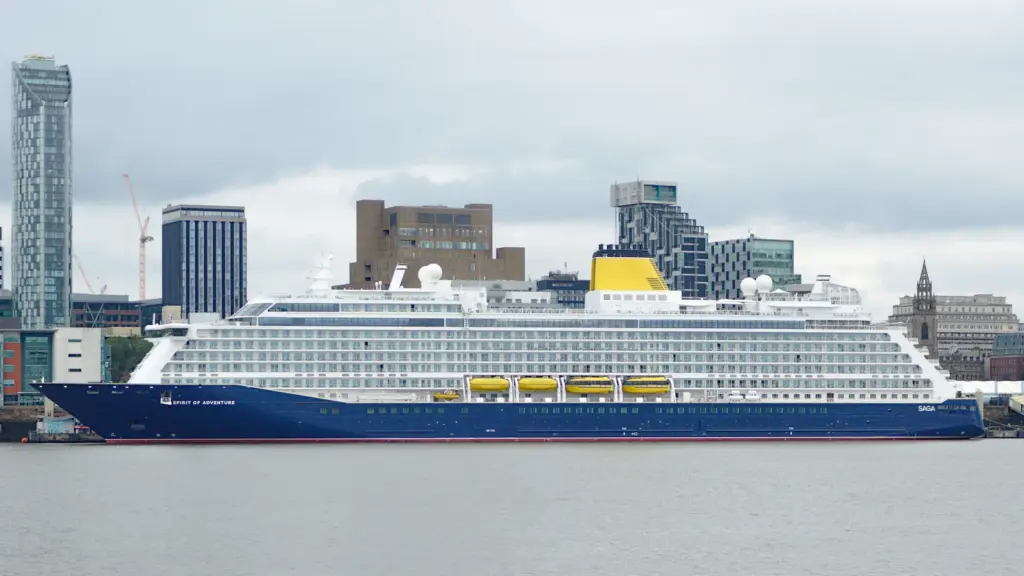
Spirit of Adventure Cruise Ship
Independent Spirit of Adventure guide covering cabins, dining, Supper Club, solo provision, atmosphere and CruisePing verdict.
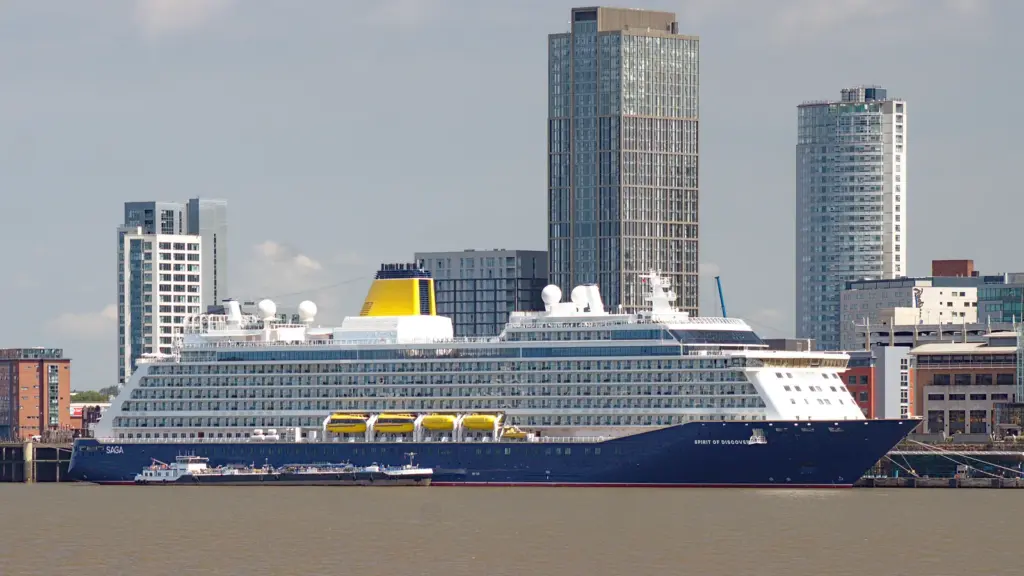
Spirit of Discovery Cruise Ship
Independent Spirit of Discovery guide covering cabins, dining, solo provision, atmosphere, inclusions and CruisePing verdict.